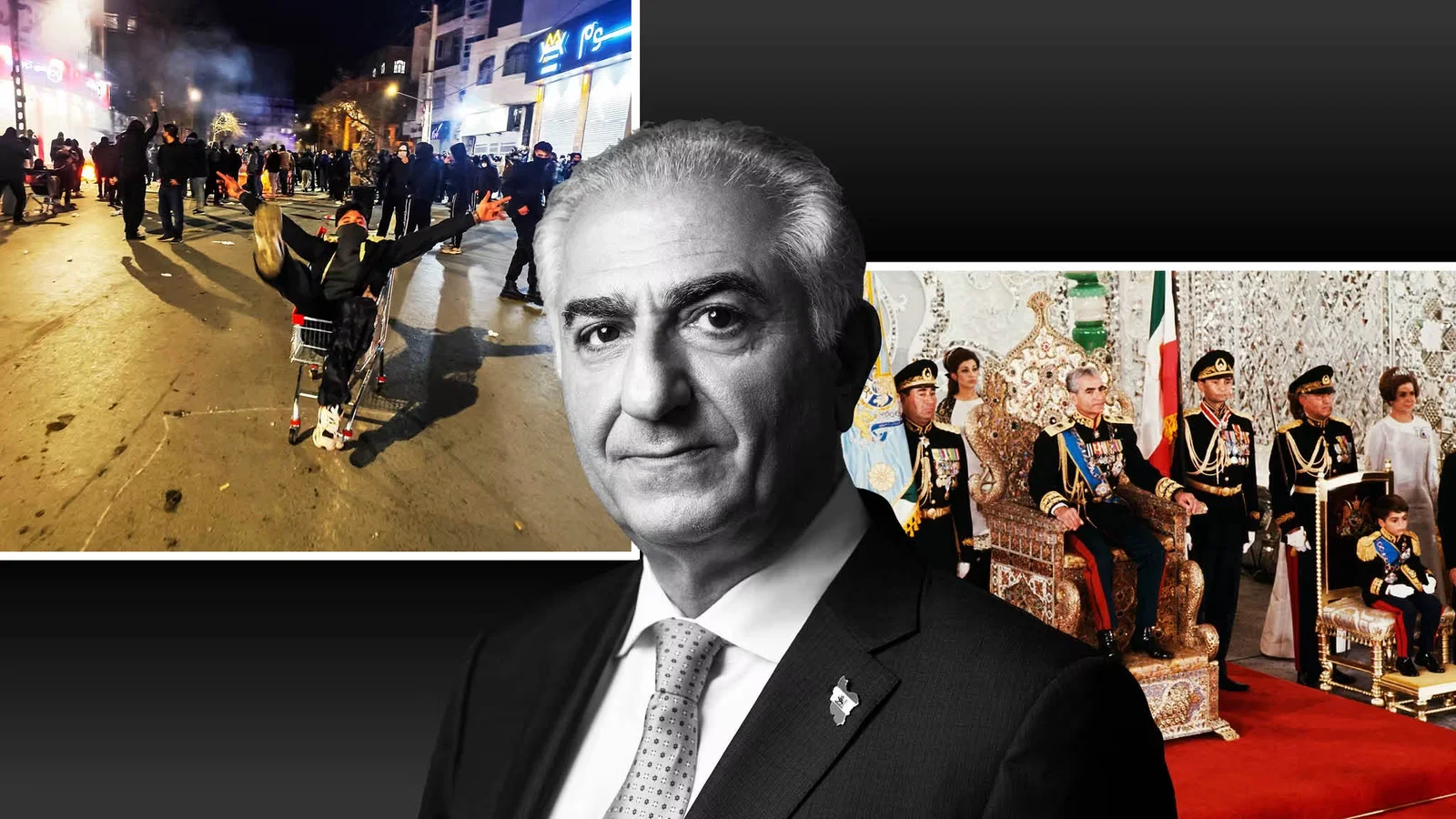
Exiled Iranian Crown Prince Calls for Support Amid Rising Protests
An exiled Iranian royal is calling on Iranians to take to the streets, signaling ongoing political unrest and opposition to the current regime.

All articles tagged with #exile
An exiled Iranian royal is calling on Iranians to take to the streets, signaling ongoing political unrest and opposition to the current regime.
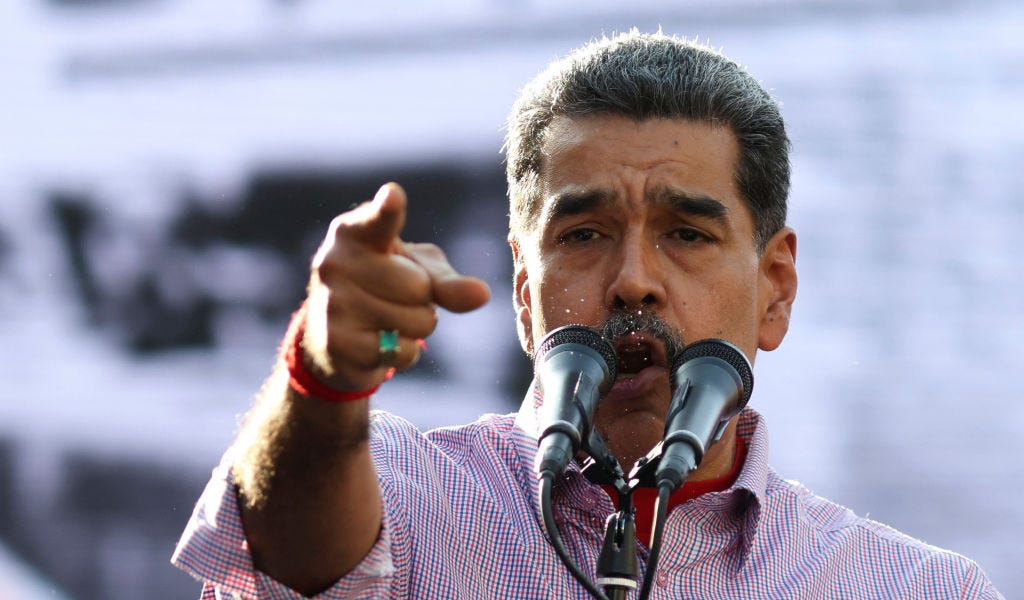
The article details the arrest and torture of Venezuelan pro-democracy activist Nelson Merino under Nicolás Maduro's regime, highlighting the regime's brutality and the recent political upheaval following Maduro's departure from power, which was celebrated by many Venezuelans worldwide.
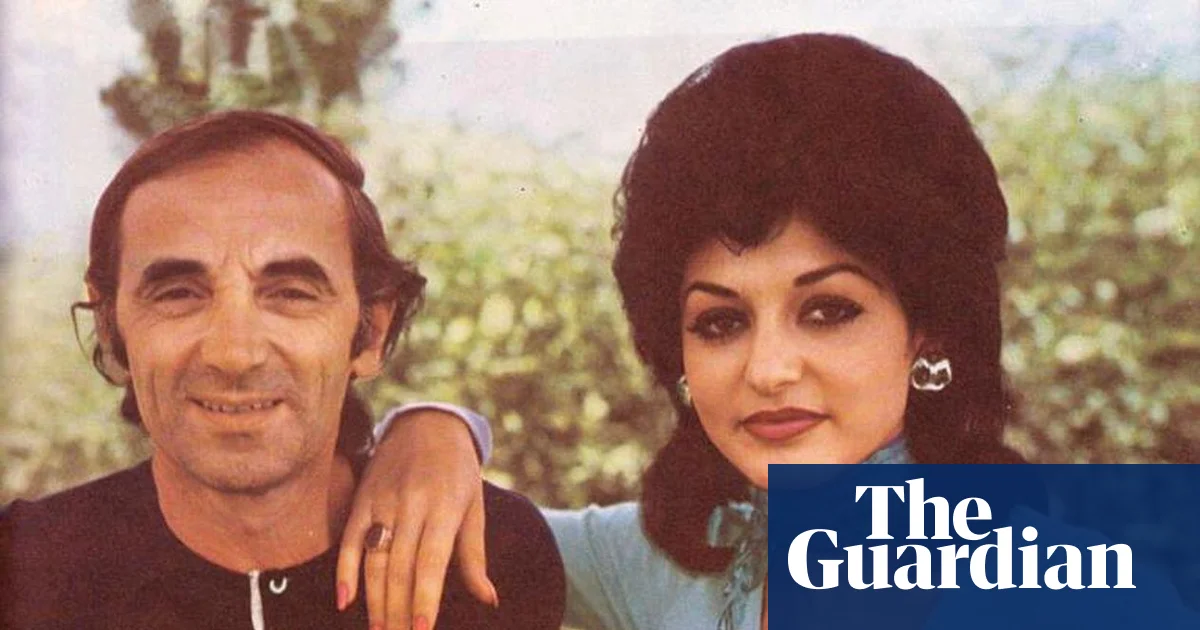
The article reviews a memoir of Googoosh, Iran's most iconic female singer, highlighting her journey from a childhood performer to a cultural symbol of resilience and exile, and discusses the memoir's strengths and shortcomings in capturing her complex life story.
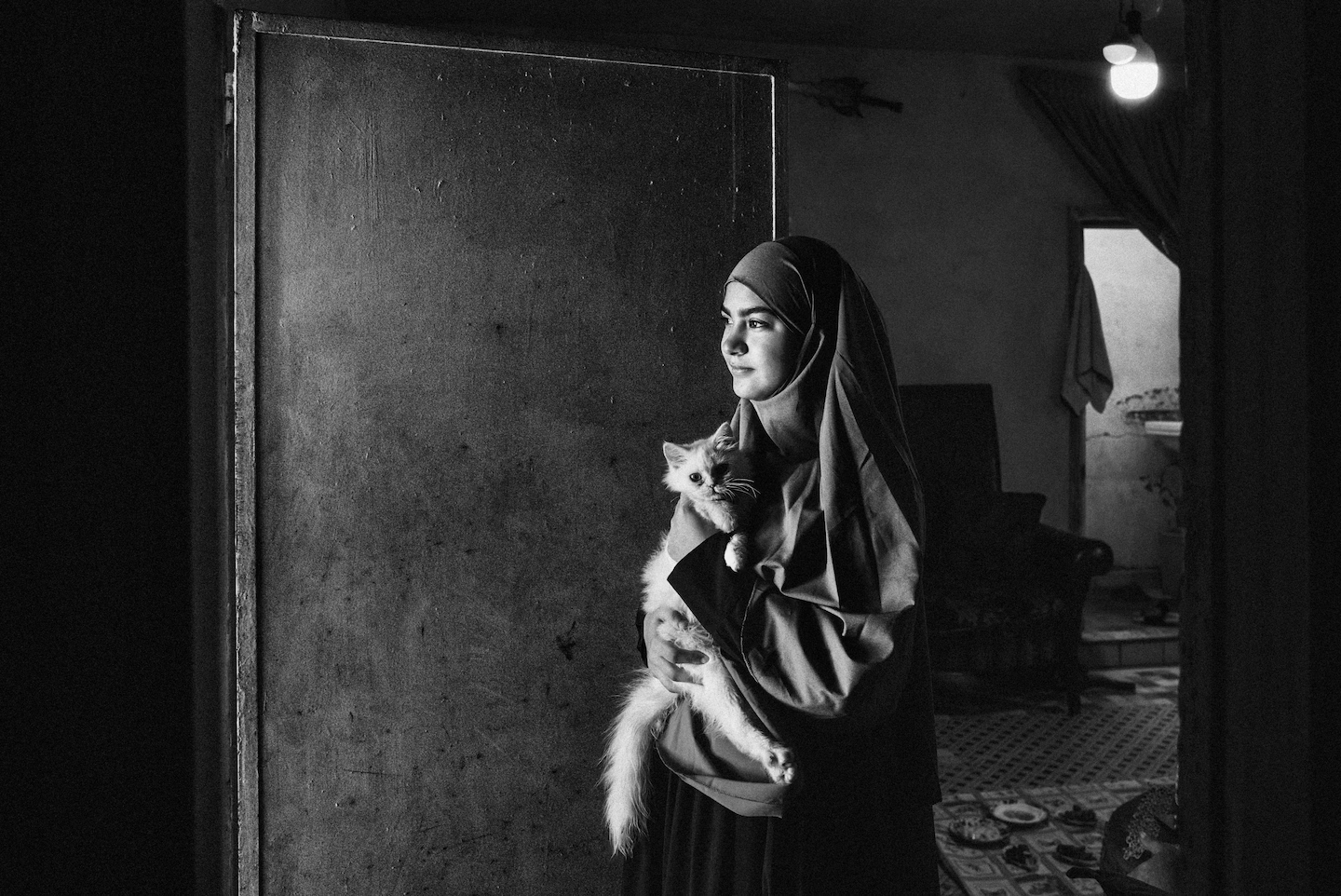
The article explores the enduring impact of the Nakba on Palestinians, highlighting their ongoing exile and the persistent hope for return, through portraits and stories of Palestinian refugees and their experiences across generations.
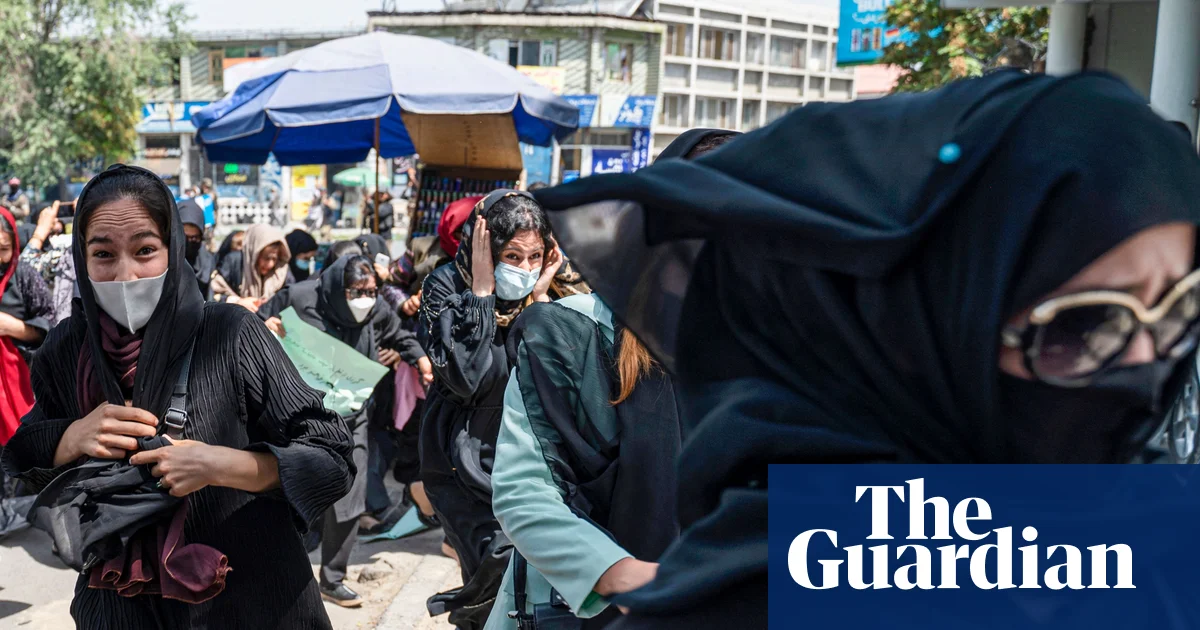
Women in Afghanistan are risking their lives to protest Taliban restrictions, with some recording videos of their defiance that have gone viral, leading to brutal crackdowns and arrests. Despite facing severe repression, including detention and threats, they continue to resist through symbolic acts and underground protests, highlighting ongoing gender persecution under Taliban rule.
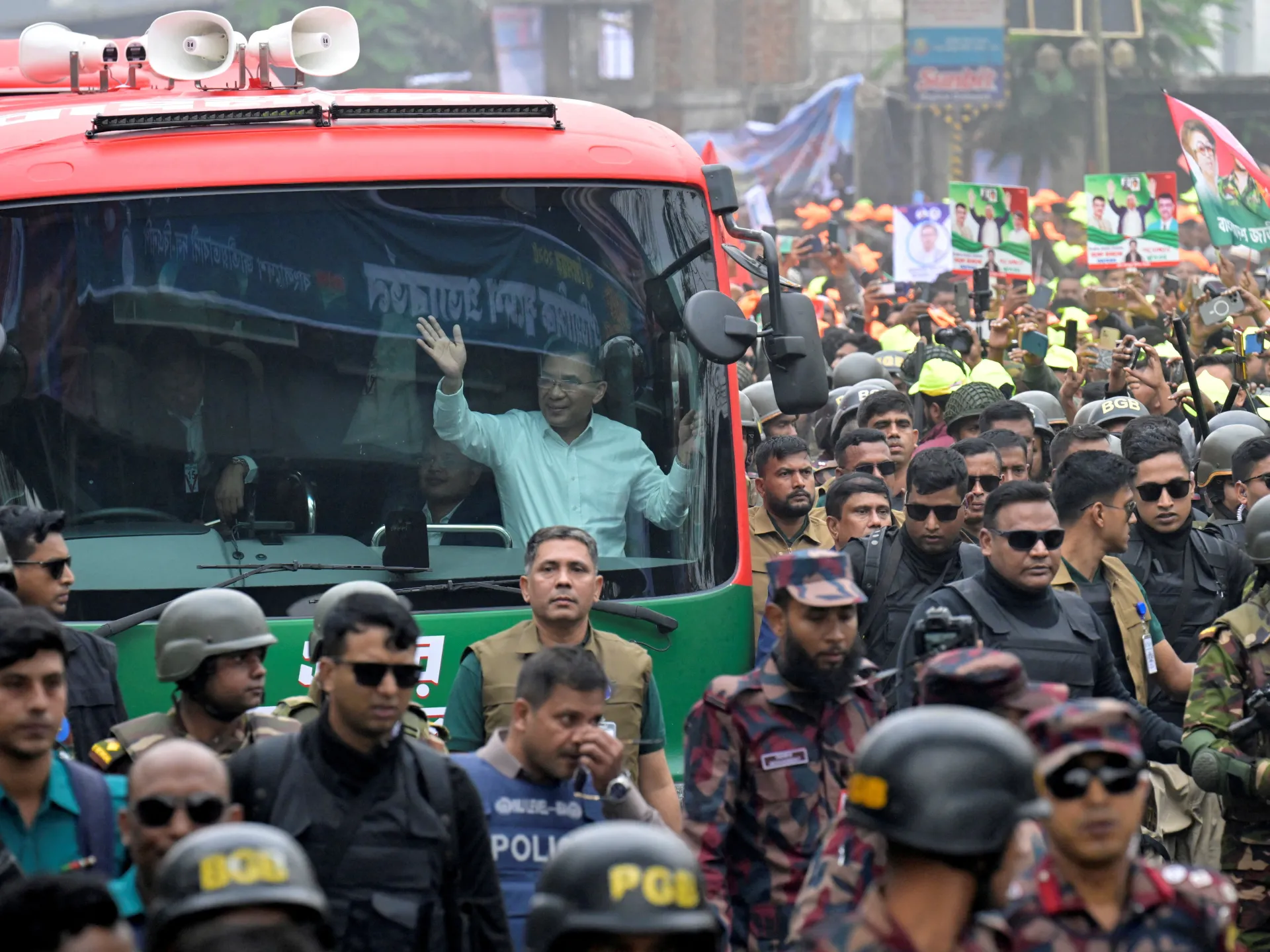
Tarique Rahman, leader of the BNP and potential next Prime Minister of Bangladesh, returned from 17 years in exile amid a shifting political landscape marked by protests, the ousting of Sheikh Hasina, and upcoming elections, positioning the BNP as a leading force to potentially regain power.
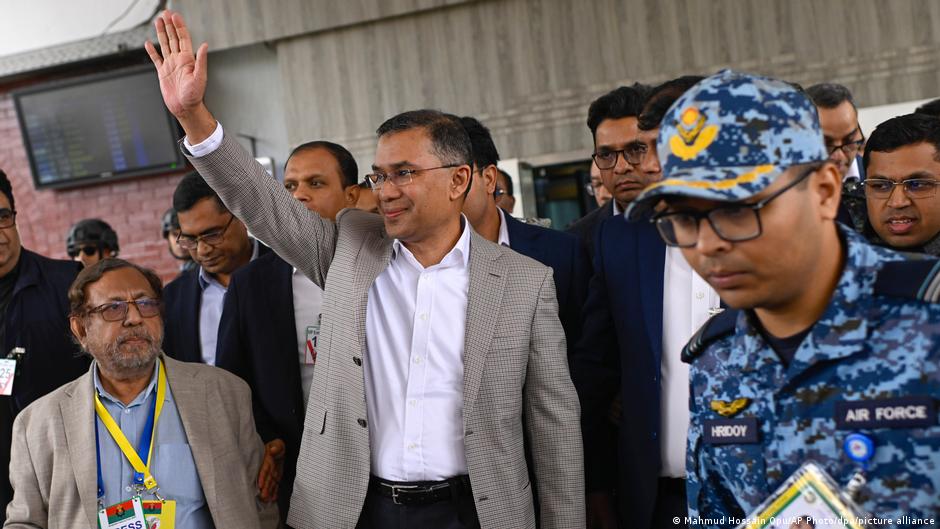
Tarique Rahman, a leading opposition figure and acting chairman of BNP, returned to Bangladesh after over 17 years in exile, amid political upheaval and a scheduled election in 2026. His return is significant for Bangladesh's political landscape, especially as his mother, Khaleda Zia, remains critically ill.
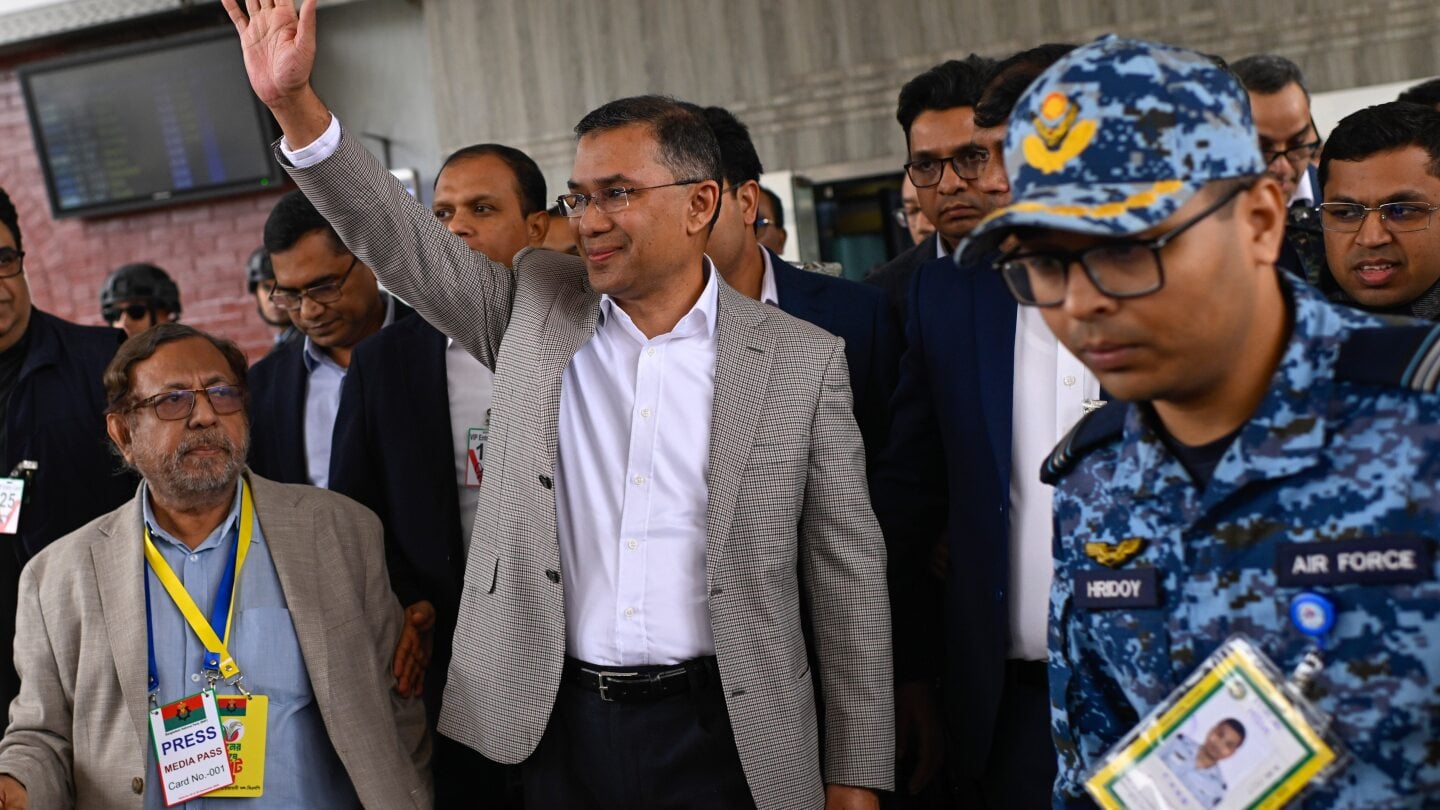
Tarique Rahman, son of a former Bangladeshi prime minister, returned from over 17 years of exile to Bangladesh, where he is a leading contender in the upcoming elections, promising to promote peace and safety in the country amidst a tense political climate.
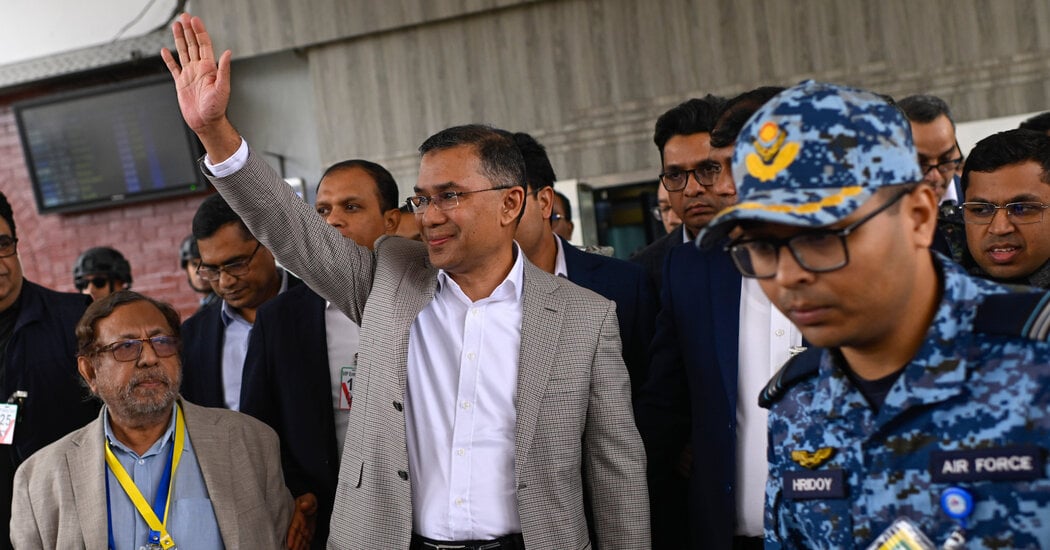
Tarique Rahman, a leading contender for Bangladesh's prime ministership and former de facto leader of the Bangladesh Nationalist Party, returned from 17 years of exile in Britain to participate in the upcoming parliamentary elections, marking a significant development in the country's political landscape.
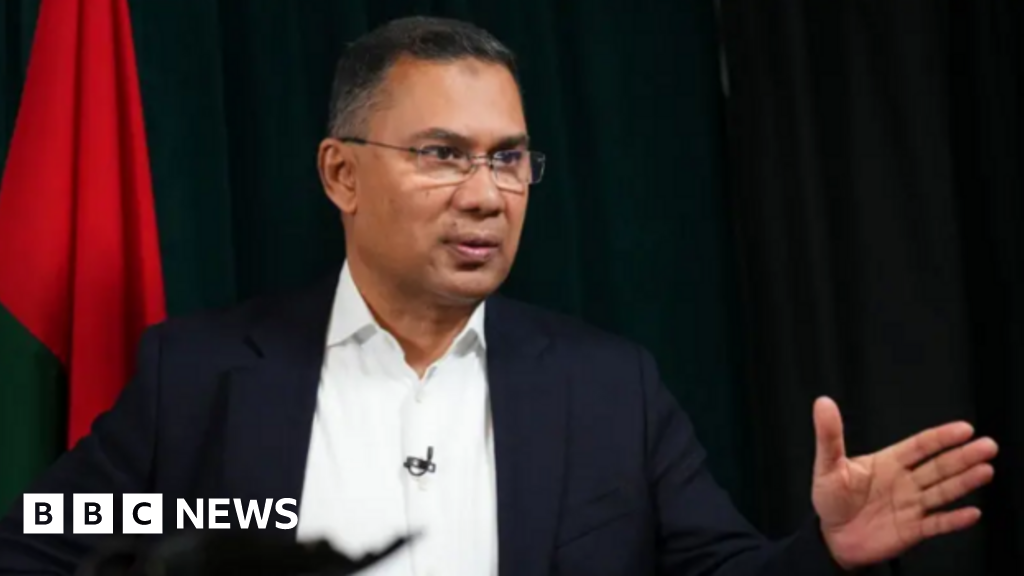
Tarique Rahman, a leading figure of Bangladesh's opposition BNP and son of former PM Khaleda Zia, has returned from 17 years in exile to participate in upcoming elections, potentially becoming the country's next leader amid a tense political climate following the ousting of Sheikh Hasina.
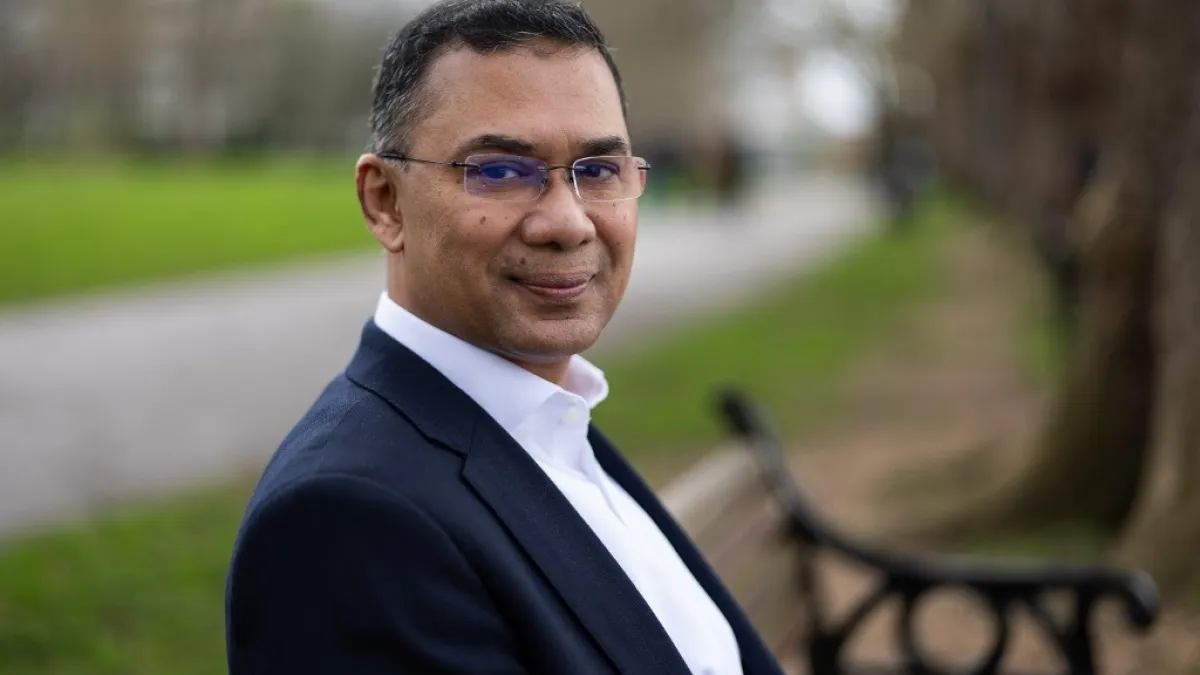
Tarique Rahman, leader of Bangladesh's opposition BNP and considered a top prime ministerial candidate, returned to Bangladesh after 17 years in exile, boosting the party's momentum ahead of the February elections amid a shifting political landscape and concerns over election stability.
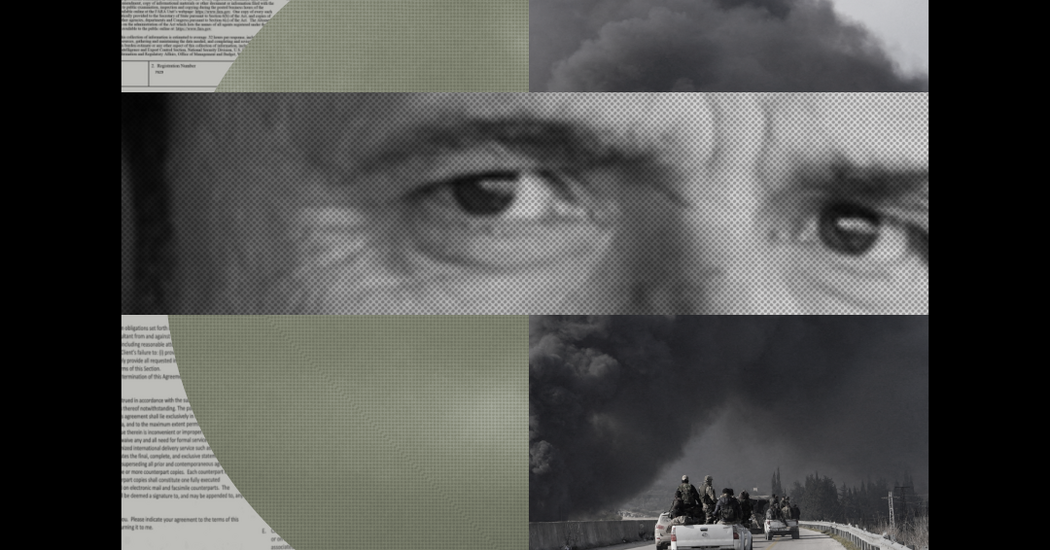
Former Syrian regime leaders, including top spymasters and generals, who fled after Assad's regime collapsed, are secretly plotting to undermine the new government and potentially retake control, with some supporting armed insurgencies and lobbying efforts in Washington. Their true threat level remains uncertain amid internal disagreements and ongoing instability in Syria.
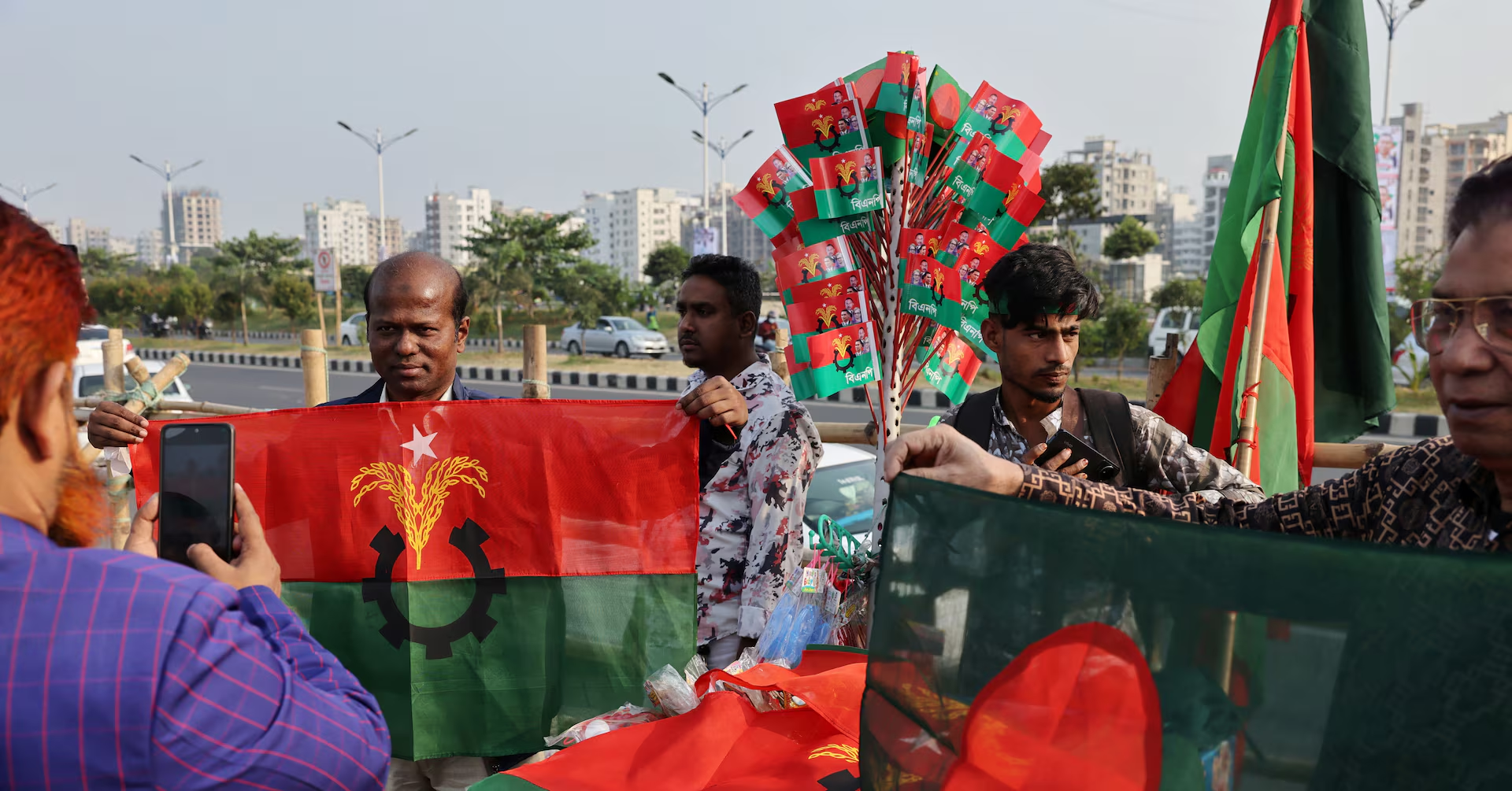
Tarique Rahman, a key BNP leader and potential next Prime Minister of Bangladesh, is returning from nearly 17 years in exile to a massive supporter rally, amid a political landscape that favors BNP's victory in the upcoming February elections, following the ousting of Sheikh Hasina and recent political upheavals.
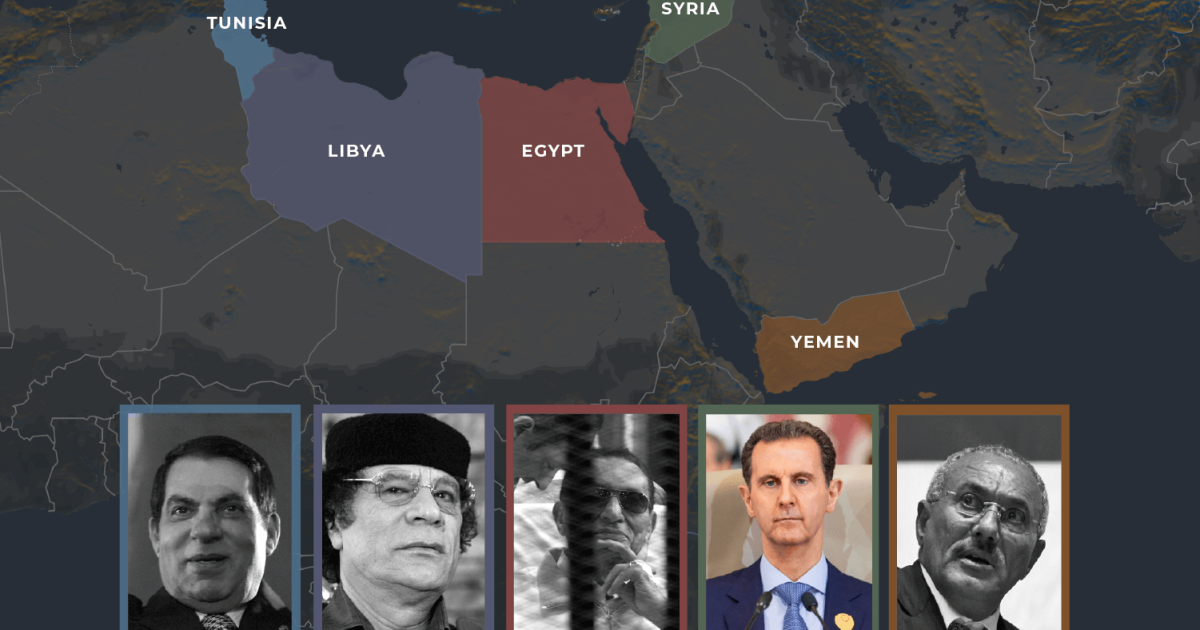
Fifteen years after the Arab Spring protests led to the overthrow of five longtime leaders—Ben Ali, Mubarak, Saleh, Gaddafi, and Assad—most have died in exile, been killed, or are in exile, with their regimes ending amid ongoing regional instability.
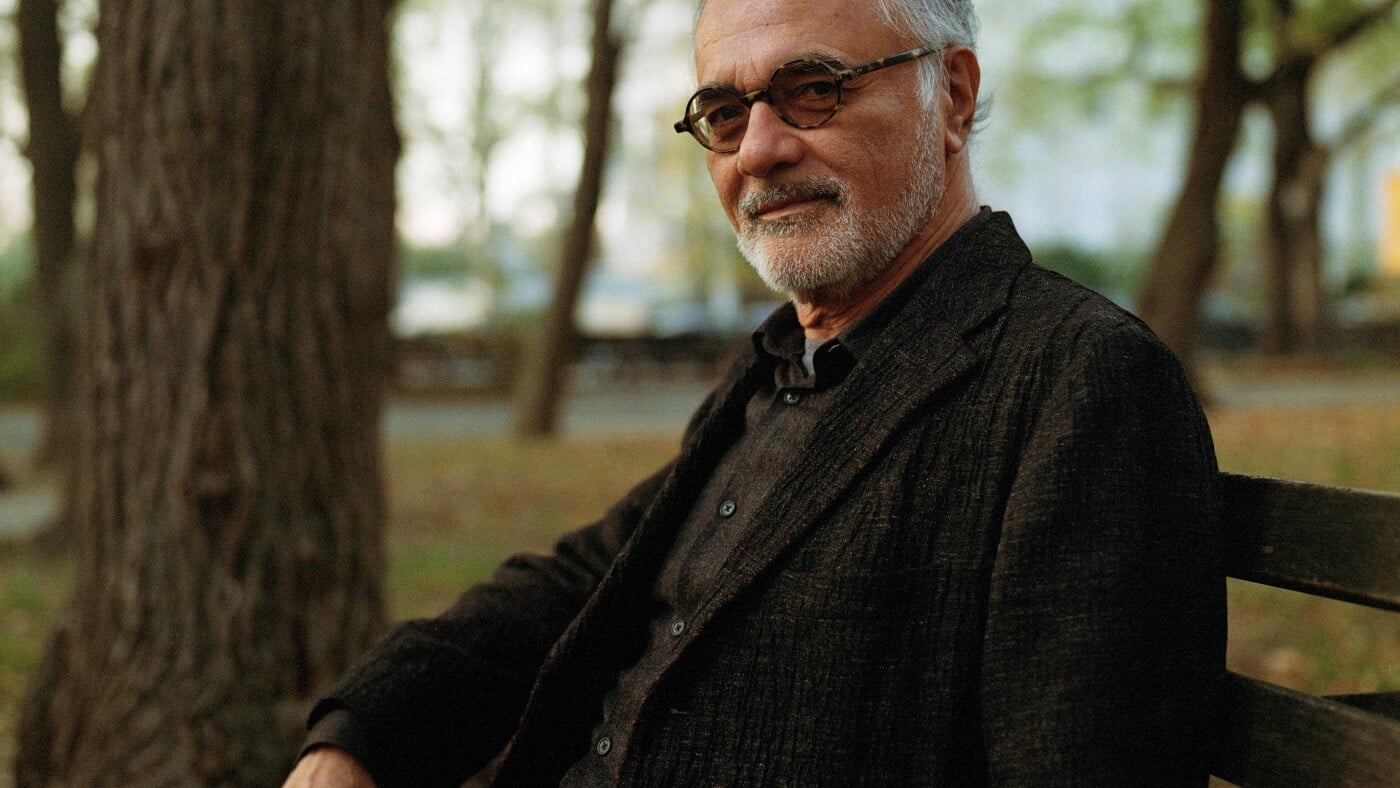
Mahmood Mamdani, a Ugandan-born scholar and Columbia University professor, reflects on how colonialism and his personal experiences of exile and statelessness have shaped his understanding of belonging and political power in Uganda, especially through his analysis of the country's post-colonial leadership and legacy.