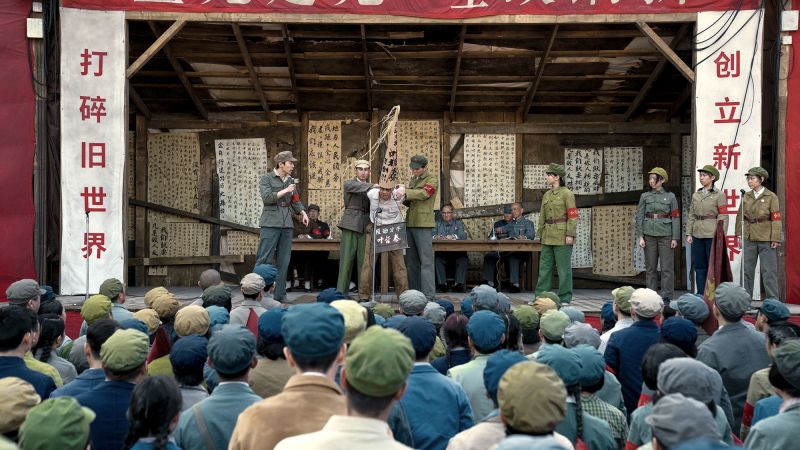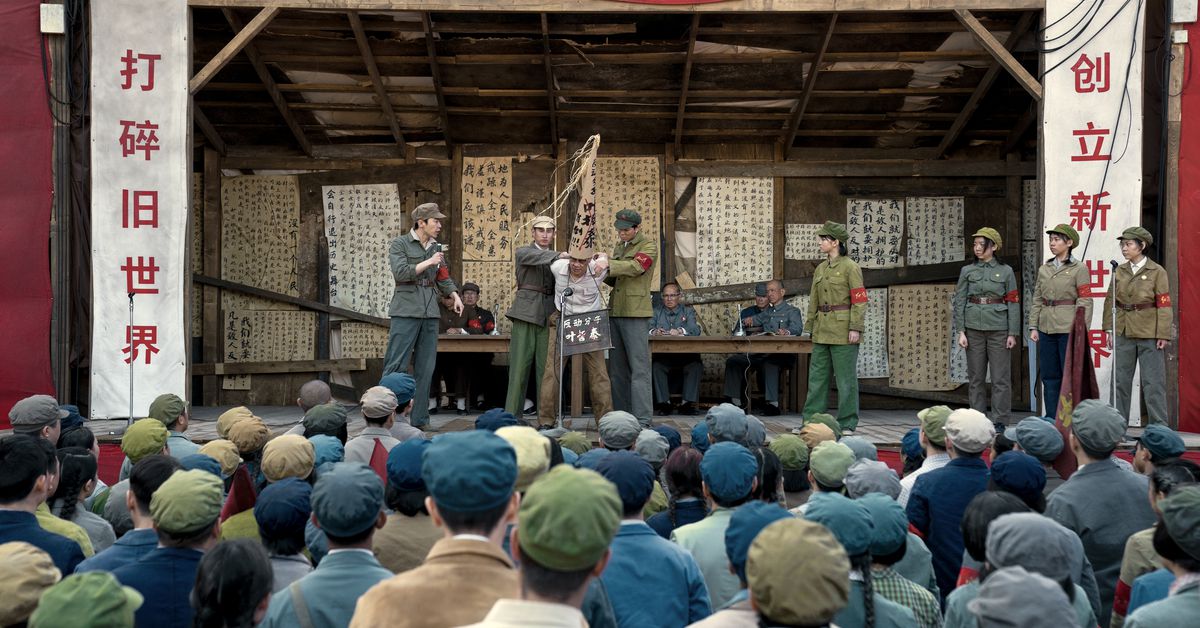
Chinese viewers and state media have expressed mixed reactions to Netflix's adaptation of the Hugo Award-winning Chinese sci-fi novel The Three-Body Problem, with some criticizing the erasure of Chinese characters and relocation of the plot to London, while others appreciate the popularization of Chinese sci-fi to a global audience. The adaptation's portrayal of the Cultural Revolution has sparked debate, highlighting the complex relationship between Chinese audiences and their government's censorship. The differences between the Netflix and Chinese streaming service Tencent adaptations reflect varying approaches to depicting historical events in Chinese pop culture, with the former criticized for making the storyline feel bland and forgettable.
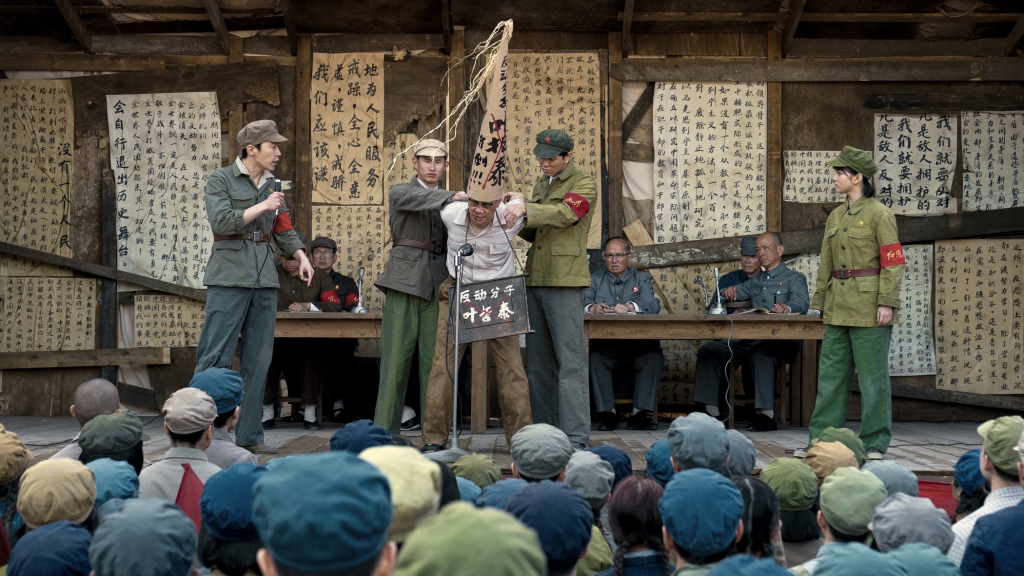
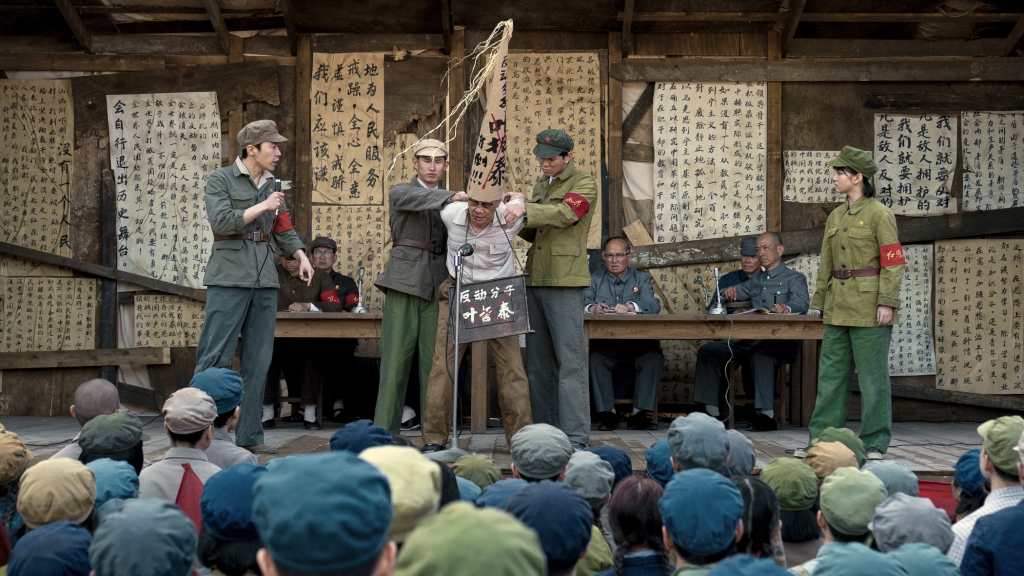
The Netflix sci-fi series "3 Body Problem" has sparked a political debate, with some conservatives interpreting the opening scene as a critique of leftist cancel culture, while liberals see it as a warning against anti-science ideologies. The show's creators, who are not conservatives, have stated that it is not a commentary on cancel culture. The differing interpretations highlight the polarization in society, even when watching the same content.
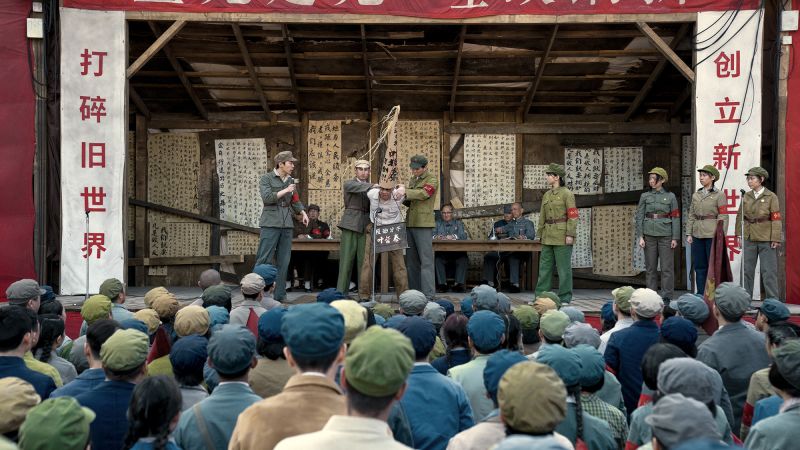
The Netflix sci-fi series "3 Body Problem" has sparked a political debate, with some conservatives interpreting the opening scene as a critique of leftist cancel culture, while liberals see it as a warning against anti-science attitudes. The show's portrayal of a professor being forced to refute scientific facts in 1966 China has drawn parallels to current events, leading to polarized reactions. However, the show's creators, who are not conservatives, have stated that it is not intended as a commentary on cancel culture. The differing interpretations highlight the divisive nature of media consumption in today's politically charged climate.
Netflix's "3 Body Problem" series, based on Liu Cixin's novel, has sparked political interpretations among viewers, with conservatives seeing it as a critique of the left's authoritarianism and liberals perceiving it as a reflection of right-wing anti-science sentiments. Despite the show's intergalactic scope, the opening scene depicting China's Cultural Revolution has elicited strong reactions and drawn parallels to present-day American politics. The series' creators emphasize that the show isn't a commentary on cancel culture but acknowledge the parallels between historical events and current societal dynamics.
Netflix's sci-fi series "3 Body Problem" has unexpectedly gained popularity among conservatives in the US, with some viewers interpreting the violent opening scene as a warning about cancel culture. Despite this interpretation, the show's deeper themes revolve around humanity's response to an impending alien invasion, touching on issues such as climate change. The show's creators emphasize that while there are parallels to historical events, the series is not intended as a direct commentary on current societal issues.
Deborah Riley, the production designer for "3 Body Problem," discusses the challenges of creating ancient Mongolian and virtual reality environments for the Netflix series, as well as the design of futuristic VR headsets. The show, adapted from Cixin Liu's science-fiction saga, features a mix of historical and futuristic settings, with Riley drawing inspiration from Chinese art and architecture to authentically portray the Cultural Revolution and the 13th Century Mongolian empire. She also details the process of building practical sets and using visual effects to bring these worlds to life, while ensuring seamless integration of sound and vision in the design of the VR headsets.
Netflix's adaptation of "3 Body Problem" has sparked controversy in China due to its depiction of the Cultural Revolution, while drawing praise from some U.S. conservatives. The show's opening scene, which was not included in the Chinese adaptation, has garnered strong reactions in both countries. Some conservatives in the U.S. are hailing it as a critique of collectivist ideologies, while in China, the show has sparked nationalist anger and accusations of deliberate vilification. Despite mixed reviews, the big-budget sci-fi drama is considered a significant investment for Netflix and has been lauded by some as one of the best sci-fi programs.
The Netflix adaptation of the popular Chinese sci-fi novel "The Three-Body Problem" has sparked mixed reactions in China, with some viewers expressing nationalist anger over its portrayal of a violent period in the country's history. The series, based on Liu Cixin's novel, has drawn criticism for its depiction of the Cultural Revolution and its international casting, leading to debates about cultural representation and nationalism on Chinese social media.
Javier Milei, the anarcho-capitalist president of Argentina, has announced a series of bold measures to deregulate and liberalize the economy, sell off public assets, cut spending, and raise taxes on low-income earners in order to eliminate the country's deficit. His administration's personnel and policy choices have raised concerns, with the focus of austerity measures falling heavily on the working class and the potential for increased social unrest. Milei aims to implement major structural reforms and dismantle the Argentine welfare state, while also seeking to ignite a cultural revolution and stoke a cultural battle against the Left. His opposition to democracy and embrace of right-wing establishment figures have raised questions about his image as a political outsider.
Tania Branigan's book Red Memory: Living, Remembering, and Forgetting China's Cultural Revolution attempts to profile people shaped by a still-sensitive political disaster that occurred four decades ago, with memories that have inevitably warped with time and self-censorship. Branigan comes closer to reconstructing what it was like to live through and then live with one of the most brutal periods of modern Chinese history than anyone else has in the English language.