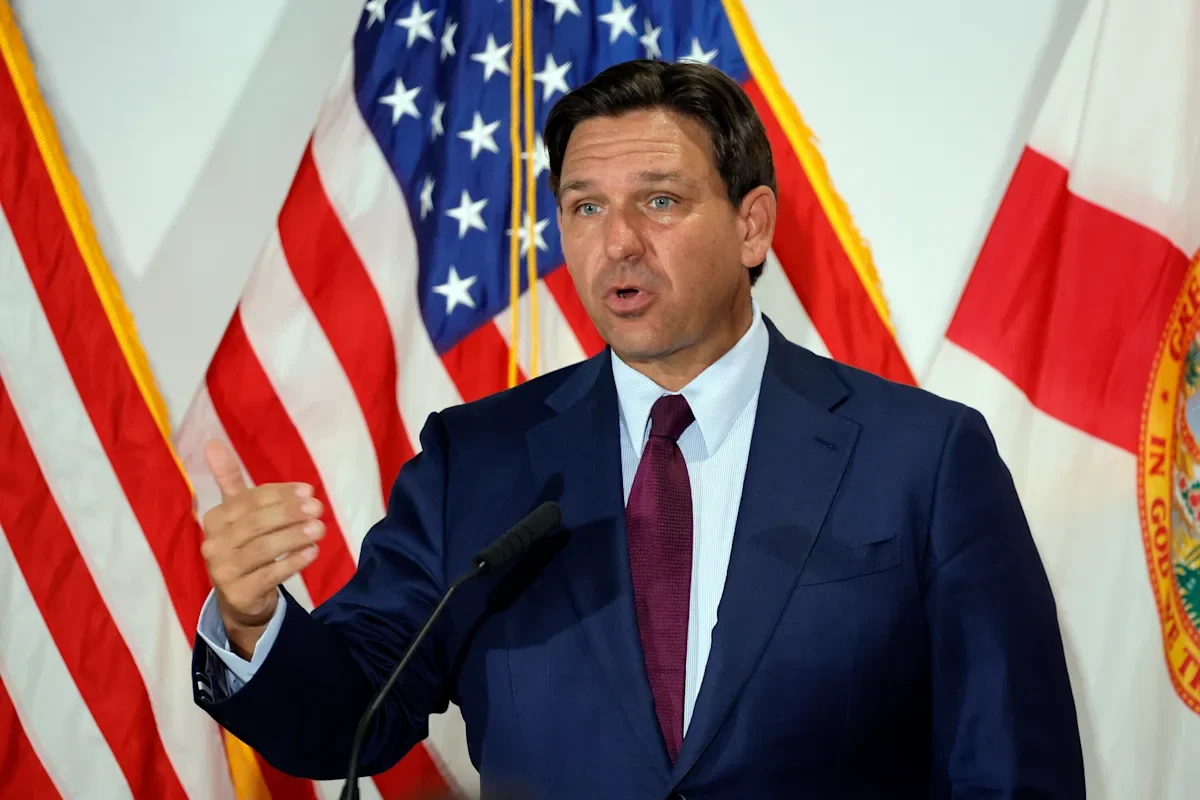
Most Americans support childhood vaccine mandates, but support has declined over decades, especially among Republicans, amid concerns about personal freedom and misinformation. Florida's plan to eliminate mandates marks a significant policy shift, contrasting with broad public backing for vaccination requirements to prevent disease outbreaks and protect community health.
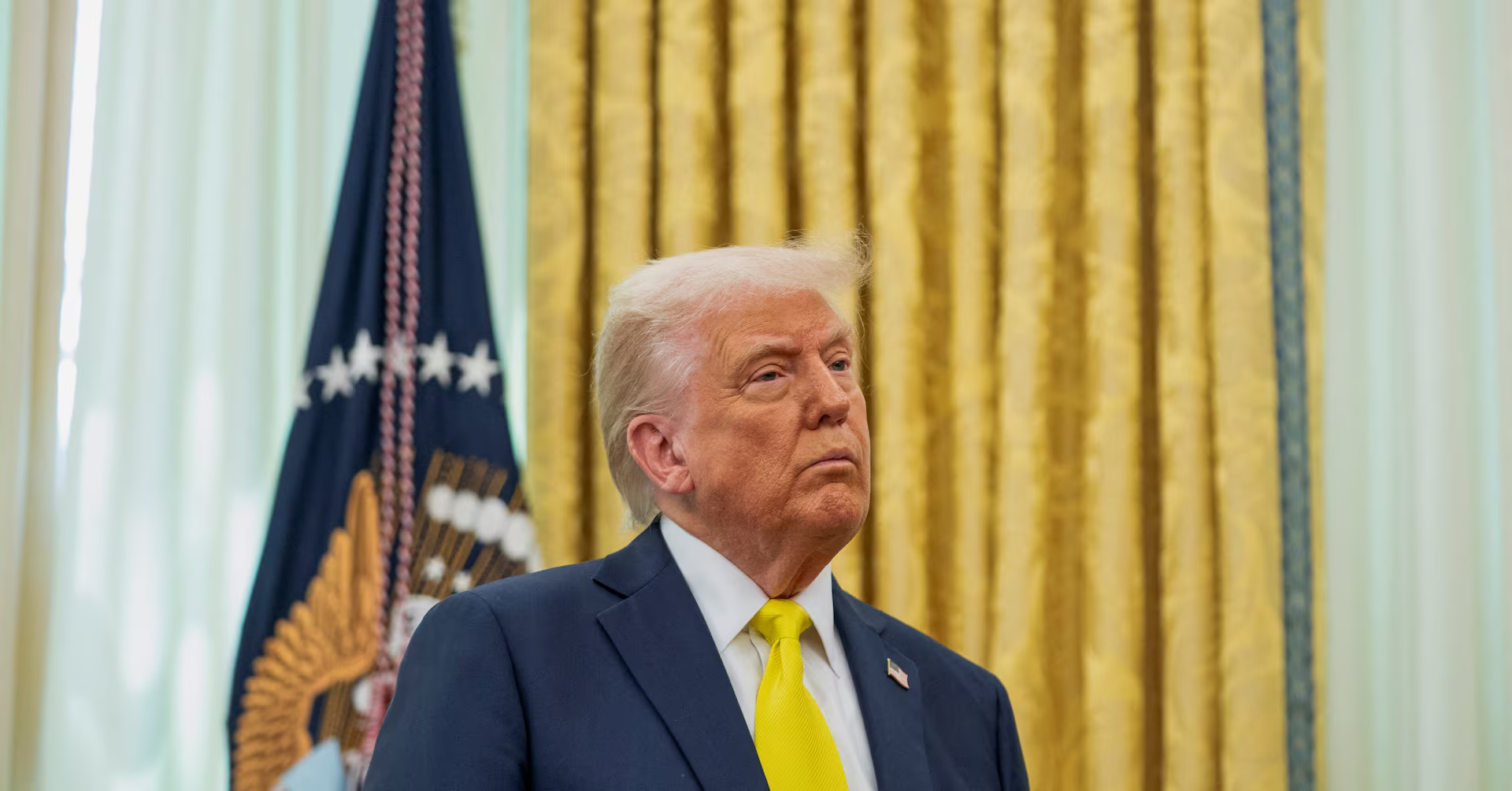
The Trump administration is considering a five-year pilot program to expand coverage of weight-loss drugs like Wegovy, Ozempic, Zepbound, and Mounjaro under Medicare and Medicaid, marking a significant policy shift that could improve access but raises concerns about long-term costs.
President Trump is planning to sell weapons to NATO allies, who would then provide them to Ukraine, marking a significant policy shift as he grows more disillusioned with Russia and considers new arms strategies for Ukraine. The scheme was discussed at the NATO summit and involves potential offensive weaponry, though details remain unclear. This approach differs from previous administrations' aid policies and reflects Trump's evolving stance on the Ukraine conflict.
Israel's plan to expand settlements in the occupied West Bank prompted the Biden administration to declare them "inconsistent" with international law, a policy that had been reversed by the previous Trump administration. The decision to shift the language was made in response to recent events, catching many by surprise. The move underscores growing frustration with Israeli Prime Minister Netanyahu and his government's stance on settlements, which are considered a barrier to peace by the U.S. The policy change aligns the U.S. with most of the world's view that the settlements are illegal, and comes after a surge in settlement activities since the start of the Gaza war in October.
The Bank of Japan is set to discuss a potential tweak to its yield curve control policy, allowing long-term interest rates to rise beyond the current cap of 0.5% by a certain degree. This proposed change would maintain the rate ceiling but permit moderate increases beyond that level, aiming to address market distortions caused by the central bank's large-scale purchases of Japanese government bonds.
Portland, a city known for its liberal policies, is taking a harder stance on homelessness by clearing camps and planning to encourage unhoused people to relocate to centralized communities. The shift in tactics is a product of changing political winds, with a new city commissioner advocating for increased shelter capacity and access to mental health and addiction services, as well as a ban on tent camping on city streets and the construction of "Safe Rest Villages." However, these initiatives are controversial and criticized by homeless advocates and the unhoused themselves, who argue that they criminalize homelessness and do not address the underlying causes of the crisis.
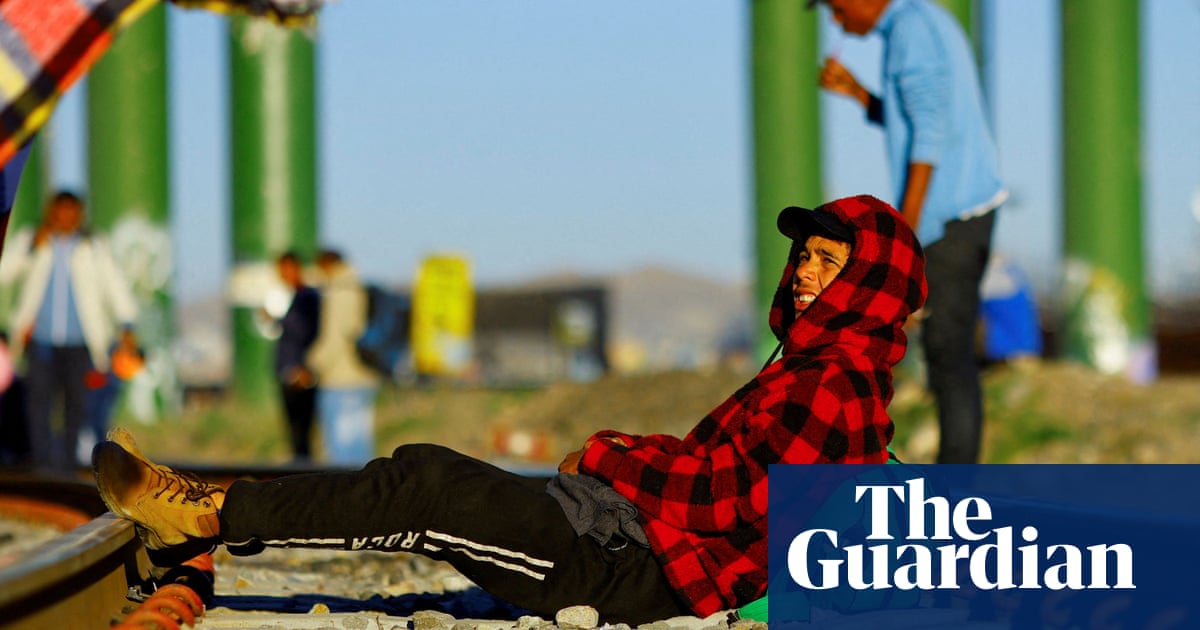
The US-Mexico migration deal to curb the surge of migrants arriving at the US doorstep could further overwhelm border cities already struggling to cope. The agreement suggests a significant policy shift on migration between both nations, with Mexico accepting migrants from Venezuela, Haiti, Cuba, and Nicaragua who are turned away from the US. The change means the United States could increasingly rely on Mexico to accept deportees from countries other than Mexico, piling further pressure on border cities already struggling with large migrant populations. Meanwhile, tens of thousands of migrants are already on their way to Mexico and the US after having crossed through the deadly Darién Gap between Panama and Colombia.
Google's head of artificial intelligence, Jeff Dean, announced a policy shift in February that researchers must hold off sharing their work with the outside world, after OpenAI's ChatGPT kept up with Google by reading the team's scientific papers. Google has overhauled its AI operations with the goal of launching products quickly, in order to protect its core search business, stock price, and future, which executives have said is intertwined with AI.