Drinking from a plastic water bottle left in a hot car may expose you to microplastics, chemicals, and metals, posing potential health risks, according to recent research.
Leaving a plastic water bottle in a hot car can cause chemicals and microplastics to leach into the water, and bacteria or mold may grow, making it potentially unsafe to drink after several days in high temperatures.
Debunking common cancer myths, researchers clarify that mobile phones' weak electromagnetic waves do not pose a cancer risk, while burnt toast's acrylamide content is not proven to be carcinogenic in humans. Stress has not been directly linked to cancer, but can lead to unhealthy habits. Aspartame in artificial sweeteners is not likely to cause cancer unless consumed in extremely large quantities, and BPA in plastic bottles has not been proven to cause cancer despite concerns about hormone disruption.
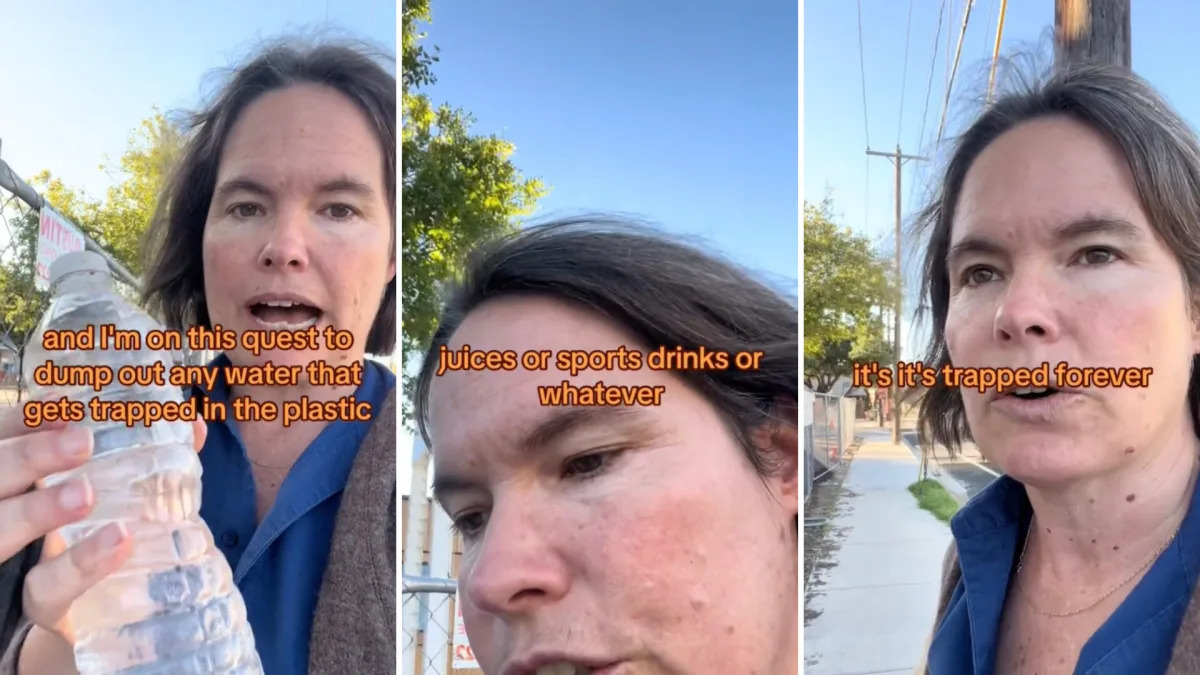
A TikToker named Kati (@spreadyourdreams) has raised awareness about the issue of "trapped water" in plastic bottles, urging people to dump out any unused liquids. The Texas Water Quality Association states that 22 million gallons of water are wasted annually in landfills due to trapped water in plastic bottles, which cannot be returned to the Earth's water cycle. This decreases the overall water supply for all life. Additionally, the purchase of plastic water bottles contributes to the global plastic waste problem, with one million bottles being bought every minute. Plastic does not biodegrade and breaks down into microplastics, posing a long-term threat to water sources and ecosystems. Kati's TikTok video has gained significant attention, prompting viewers to reconsider their practices and take action to reduce water waste.
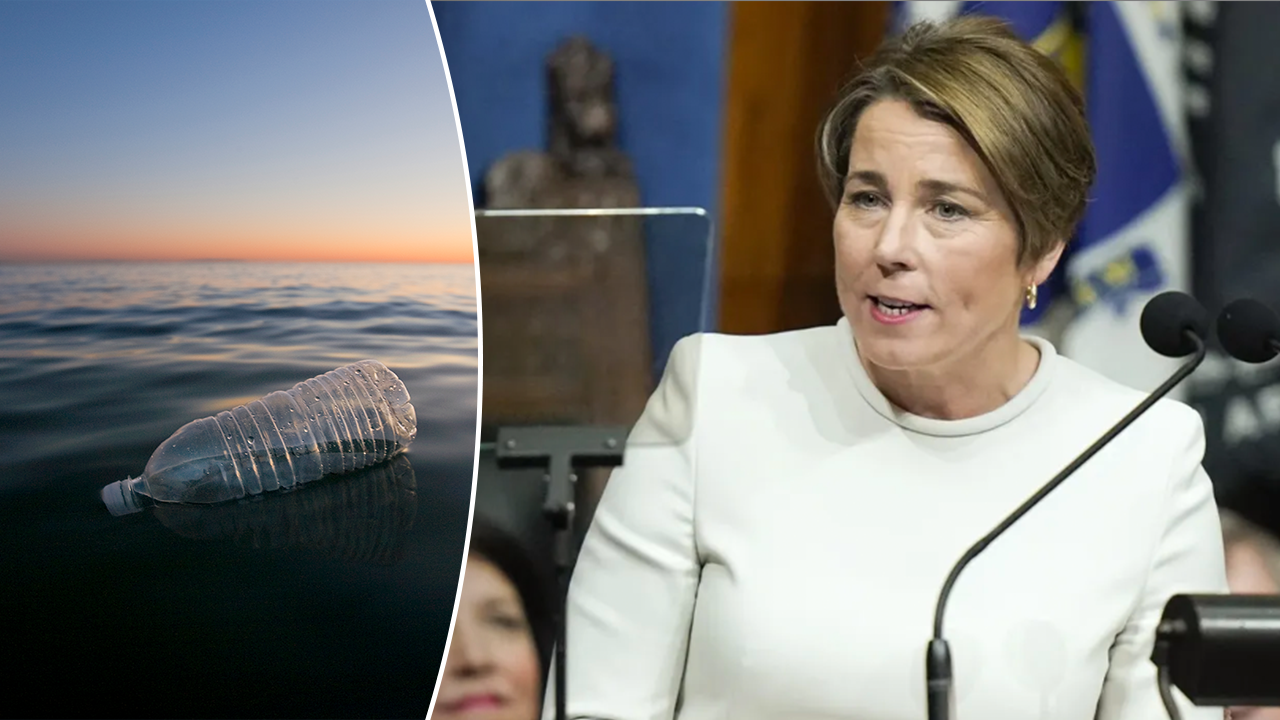
Massachusetts Governor Maura Healey announced that the state will be the first in the nation to ban state agencies from purchasing single-use plastic bottles. The ban, intended to protect oceans and the climate, will be implemented through an executive order and aims to address the leading threats of plastic waste and production. With Americans using approximately 50 billion single-serve plastic water bottles per year, and only 29% being recycled, the move is seen as a significant step towards sustainability. Some Massachusetts towns have already banned single-use plastic bottles and shopping bags, but this ban will make Massachusetts the first state to prohibit the purchase of plastic bottles by state agencies.