Tag

Planetary Nebulae

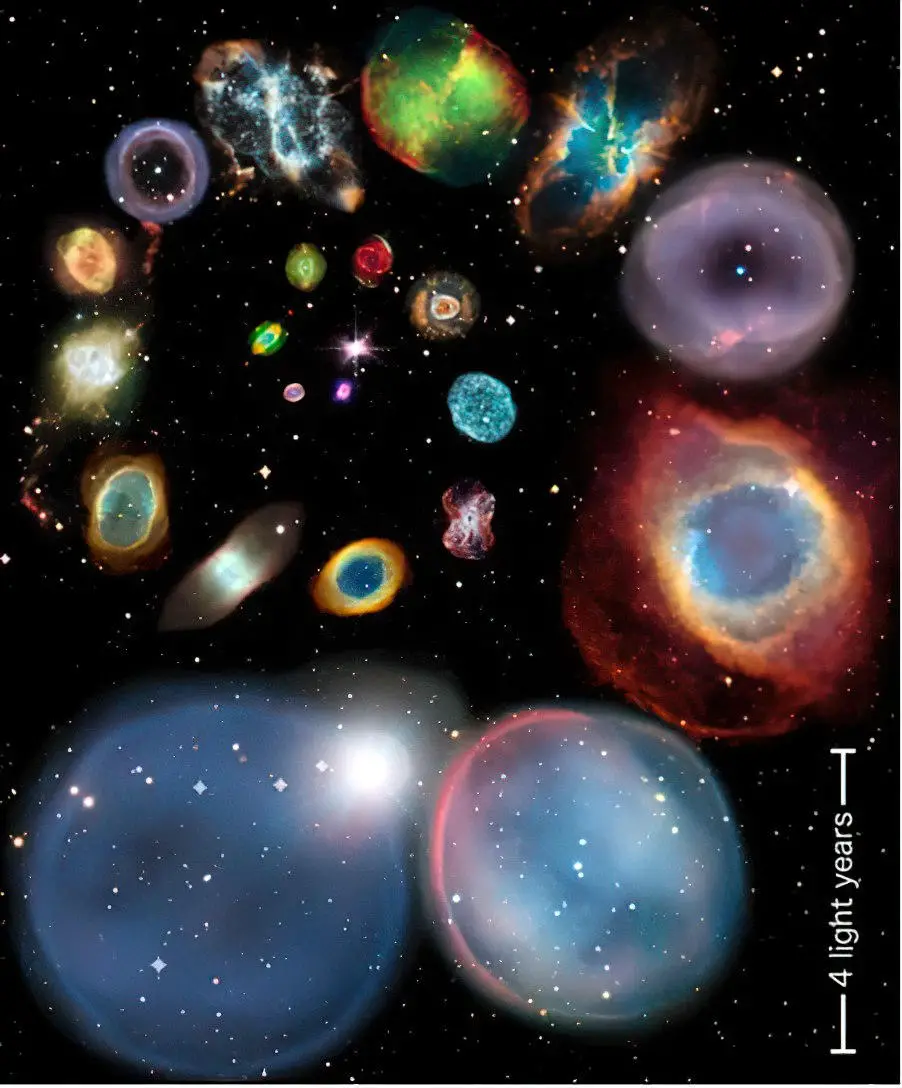
All articles tagged with #planetary nebulae

James Webb Telescope Unveils Mysteries of Stellar Death and Nebulae
science7 months ago

James Webb Telescope Unveils Mysteries of Stellar Death and Nebulae

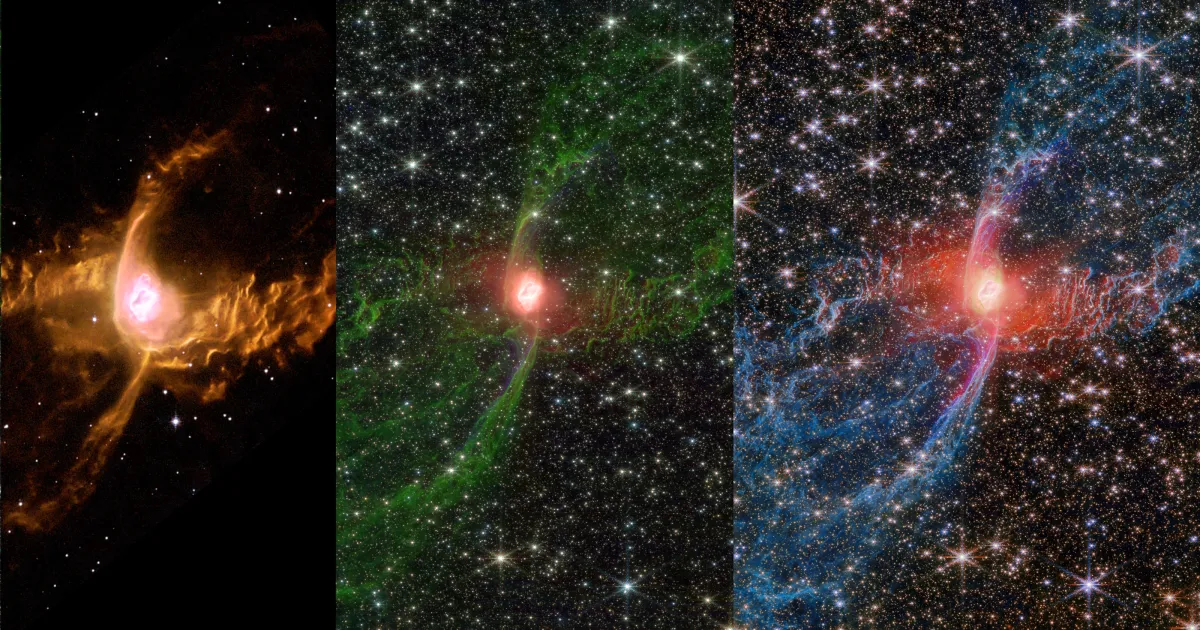
NASA's James Webb Space Telescope has captured detailed, high-resolution images of the complex planetary nebula NGC 6072, revealing asymmetrical, multi-polar outflows and potential evidence of multiple stars influencing the nebula's shape. The observations provide insights into the late stages of stellar evolution and how stars contribute to enriching the interstellar medium, aiding in the understanding of star life cycles and their impact on surrounding environments.

Unveiling the Enigma: Scientists Identify Origin of Star Alignment at Galactic Center
astronomy2 years ago

Unveiling the Enigma: Scientists Identify Origin of Star Alignment at Galactic Center

Scientists from The University of Manchester and the University of Hong Kong have discovered the source of the mysterious alignment of stars near the Galactic Center. The alignment, initially discovered a decade ago, has been confirmed to be caused by a particular group of stars known as close binary stars. These stars have a companion that orbits the main star within the planetary nebulae, and the alignment is observed only in nebulae with close companions. The findings provide important evidence for a constant and controlled process that has influenced star formation over billions of years and vast distances in the Milky Way.

"James Webb Telescope Unveils Stunning Images of the Ring Nebula's Final Stages"
astronomy2 years ago

"James Webb Telescope Unveils Stunning Images of the Ring Nebula's Final Stages"

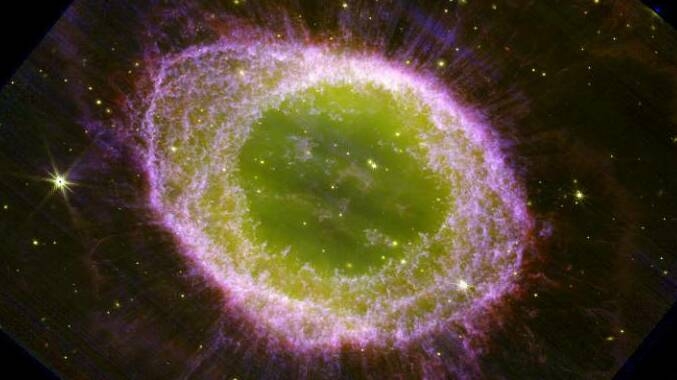
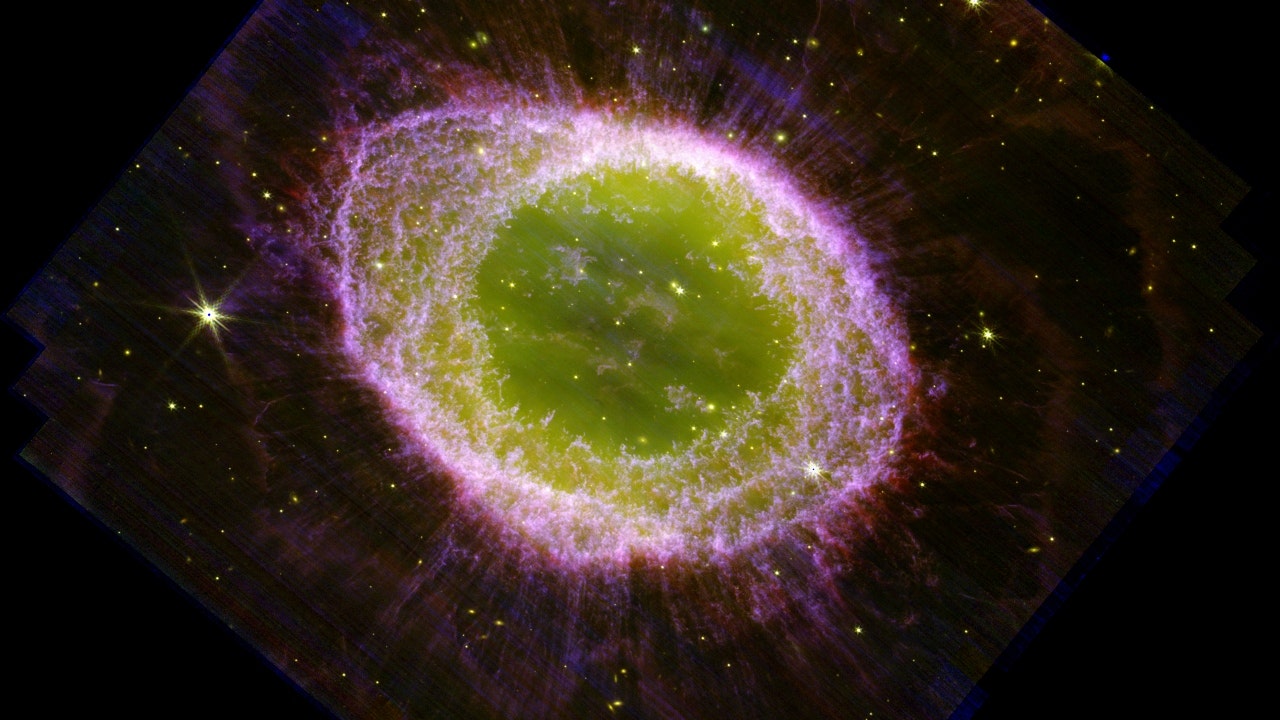
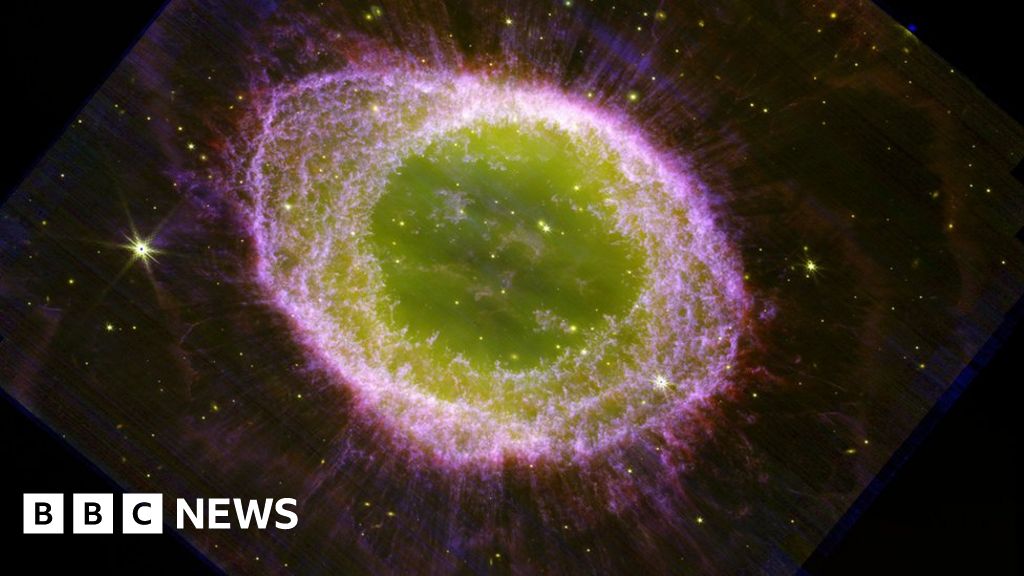
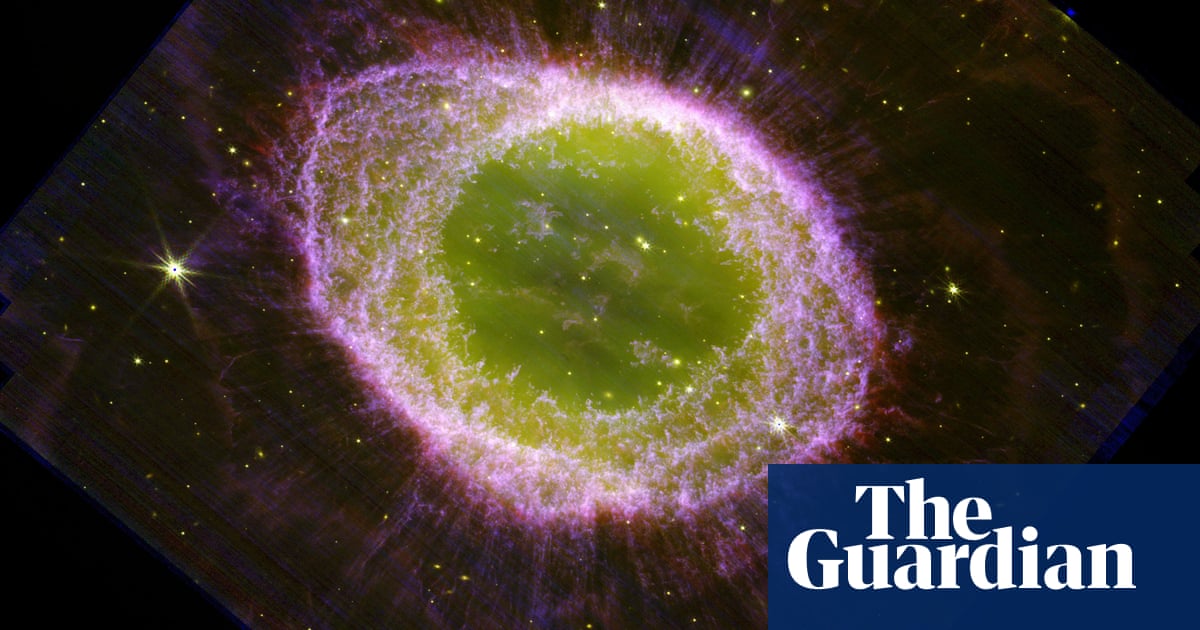
The famous Ring Nebula has been captured in stunning new clarity by NASA's James Webb Space Telescope, revealing intricate details and vibrant colors. The image, processed by Roger Wesson, showcases the expanding shell and inner region around the central white dwarf. Planetary nebulae, once thought to be simple objects, are proving to be more complex with numerous clumps of gas and filaments. The Ring Nebula is located in the Lyra constellation and can be observed by amateur astronomers. The nebula is the result of a dying star shedding its outer layers into space, and it is still expanding at a rate of over 43,000 miles per hour.

"James Webb Telescope Reveals Unprecedented Details of the Ring Nebula"
astronomy2 years ago

"James Webb Telescope Reveals Unprecedented Details of the Ring Nebula"

The James Webb Space Telescope has captured stunning new images of the Ring Nebula, revealing unprecedented detail of the planetary nebula in the constellation Lyra. The images showcase the intricate details of the nebula's expanding shell and the inner region around the central white dwarf. Astronomers can use these images to study how planetary nebulae form and evolve, providing insights into stellar evolution and the elements released into the cosmos. The nebula was ejected only about 4,000 years ago from a dying star located approximately 2,600 light-years from Earth.

"James Webb Telescope Unveils Spectacular Images of Dying Star and Ring Nebula"
space2 years ago

"James Webb Telescope Unveils Spectacular Images of Dying Star and Ring Nebula"

The James Webb Space Telescope has captured mesmerizing images of the Ring Nebula, showcasing the end stages of a dying star's life. Located 2,600 light-years away, the nebula provides valuable insights into the life cycles of stars. The images reveal intricate details of the nebula's expanding colorful shell and the inner region around the central white dwarf. Scientists believe these observations will enhance their understanding of cosmic events and the formation and evolution of planetary nebulae.

"Captivating James Webb Telescope Images Reveal Cosmic Star's Final Moments"
astronomy2 years ago

"Captivating James Webb Telescope Images Reveal Cosmic Star's Final Moments"

The James Webb space telescope has captured stunning images of the Ring Nebula, showcasing the final stages of a dying star's life. The high-resolution images reveal the intricate structure of the nebula's expanding shell and the inner region around its central white dwarf. These planetary nebulae, formed when dying stars eject their outer envelopes, provide valuable insights into the complex processes of star formation and the elements they release into the cosmos.

Unraveling the Enigma: The Mysterious Alignment of Ghostly Dead Stars
astronomy2 years ago

Unraveling the Enigma: The Mysterious Alignment of Ghostly Dead Stars

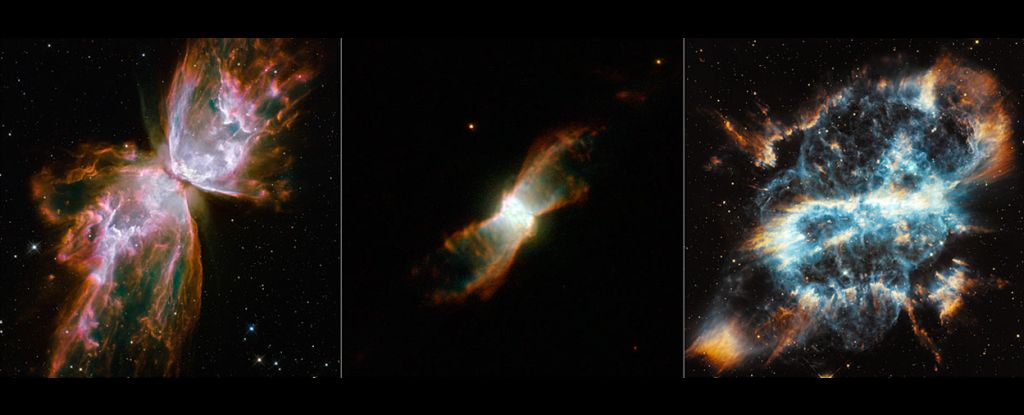
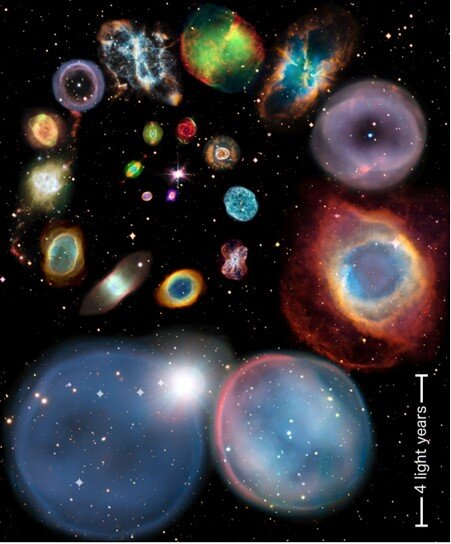
Astronomers have discovered a mysterious alignment among planetary nebulae in the Milky Way, where they appear to be parallel to the galactic plane. Researchers believe that the magnetic environment in the region may be responsible for this alignment. The alignment is observed in planetary nebulae with binary star systems on tight orbits, suggesting that magnetic fields in the past could have locked the binaries into alignment. This finding provides insight into the dynamics and evolution of the Milky Way's bulge region and offers clues about the formation of stars in the galaxy.

Unraveling the Enigma: Astronomers Shed Light on Ghost Stars in Our Galaxy
astronomy2 years ago

Unraveling the Enigma: Astronomers Shed Light on Ghost Stars in Our Galaxy

Astronomers from The University of Manchester and the University of Hong Kong have discovered the source of the mysterious alignment of stars near the Galactic Center. The alignment, first observed a decade ago, has been confirmed to be caused by a specific group of stars known as close binary stars. These stars have a companion that orbits the main star within the planetary nebulae, resulting in the alignment. The findings provide important evidence for a controlled process that has influenced star formation over billions of years in our Milky Way galaxy.