Tag

Planet Forming Disks

All articles tagged with #planet forming disks

astronomy1 year ago

"Unveiling Planet Formation: Stunning Images and Groundbreaking Survey Capture Birth of Worlds"

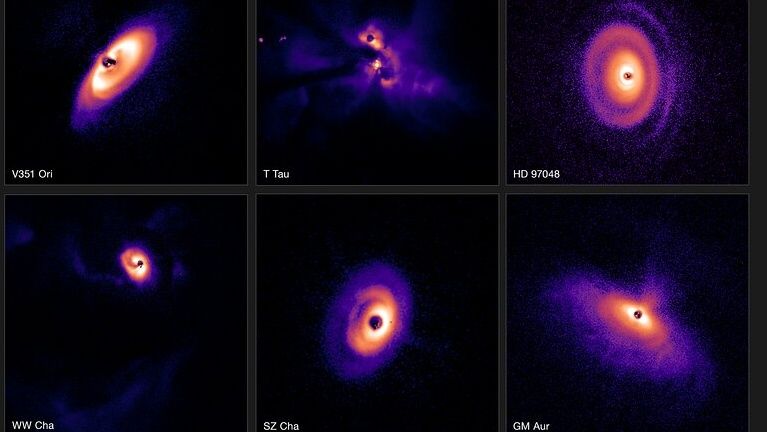
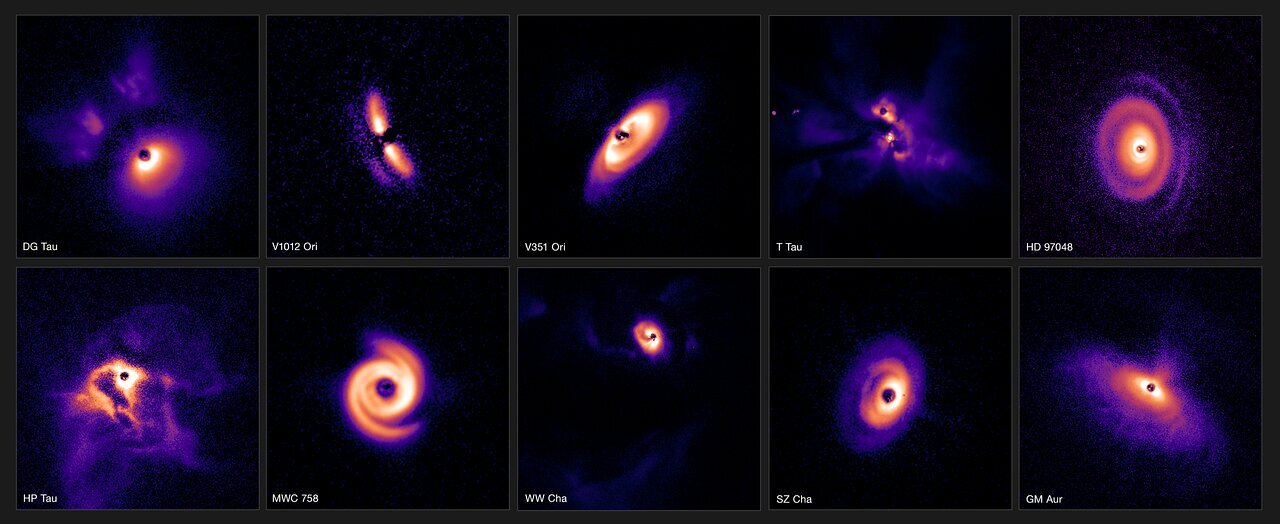
The Very Large Telescope in Chile has captured stunning images revealing unique insights into planet formation around young stars, showcasing emerging planet systems that resemble miniature galaxies rather than debris disks. These images, one of the largest collections of its kind, frame over 80 young stars and their planet-forming disks in three major star-forming regions of the Milky Way galaxy. The observations present a shift in the field of study, offering astronomers a unique opportunity to study how planets are born and revealing a wide variety of planet-forming disks with significant differences based on their respective star-forming regions. The researchers hope to obtain more detailed images with the new Extremely Large Telescope in the future.
astronomy-and-astrophysics1 year ago

"Unveiling the Mysteries of Planet Formation Around Young Stars"

A groundbreaking survey using ESO's VLT has provided new insights into planet formation by capturing images of over 80 young stars with potential planet-forming disks. The research, presented in three papers, reveals the diversity of planet-forming disks and their intricate features, such as spiral arms and large cavities carved out by forming planets. The observations, gathered from three different star-forming regions, offer valuable data for understanding the processes that lead to planet formation and could inspire future scientific exploration.

astronomy2 years ago

Unprecedented Image of Planet-Forming Disks' Inner Region Revealed in Study

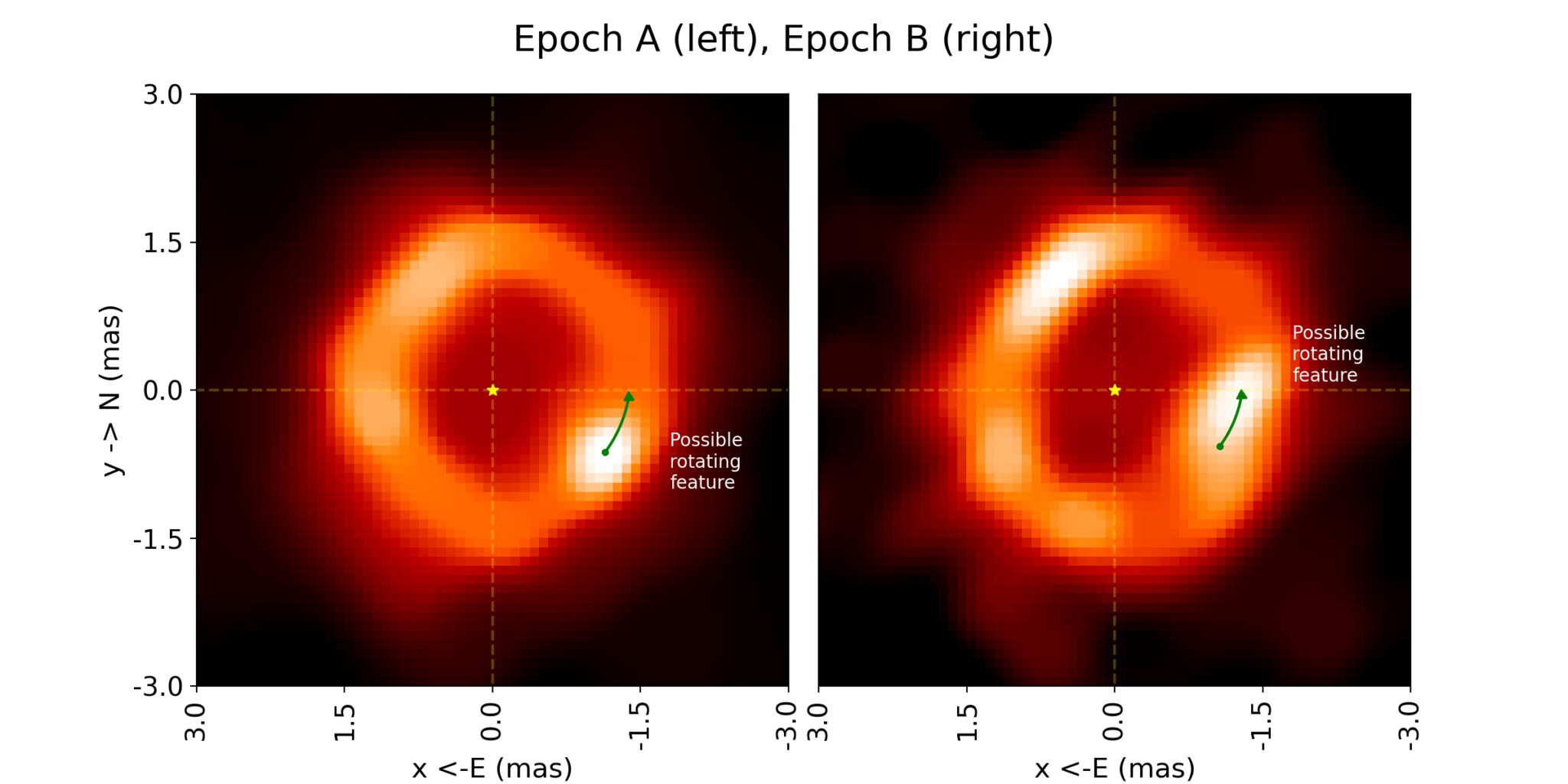
University of Michigan astronomers have used interferometry to capture the most detailed images of the inner region of a planet-forming disk around a young, massive star called V1295 Aquilae. The images show unexpected moving structures and confirm mysterious inner emissions reported in previous studies. The findings raise more questions about the early stages of planet formation and demonstrate the power of interferometry to perform cutting edge science at a fraction of the price of space telescopes.

science-and-astronomy2 years ago

JWST's groundbreaking discoveries unveil secrets of the universe.

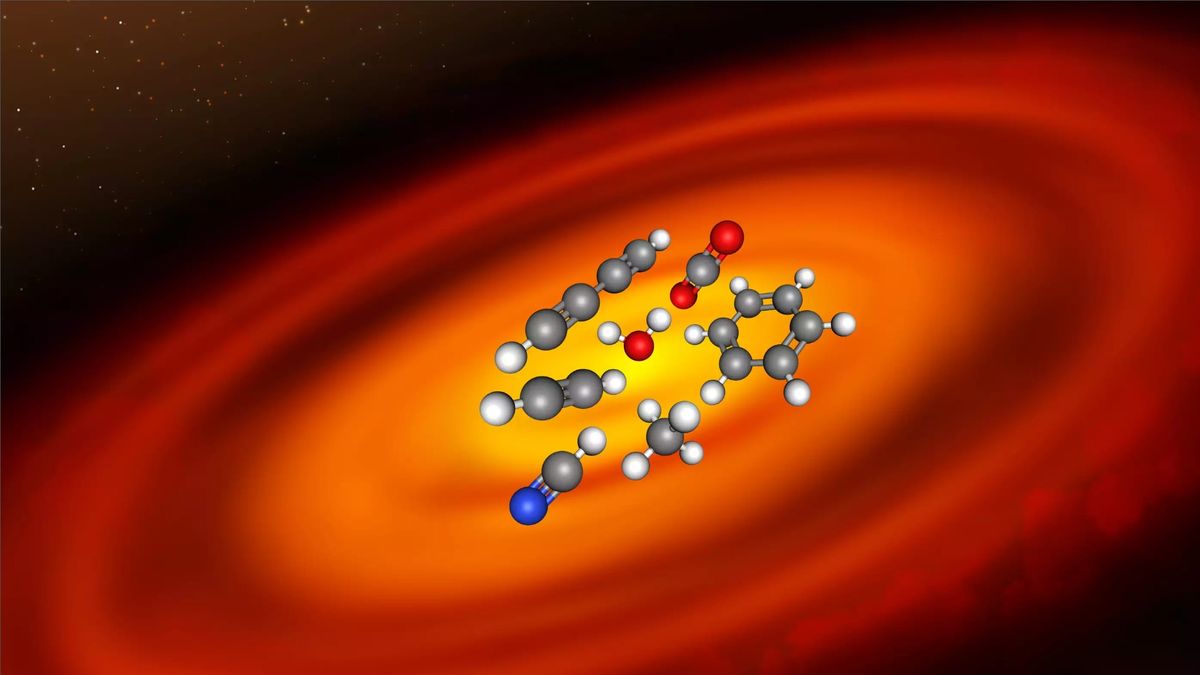
The James Webb Space Telescope has detected a variety of chemical compounds in the disks of gas and dust surrounding three low-mass stars, including organic molecules like carbon dioxide, carbon monoxide, acetylene, and the first detections of benzene, as well as water. The stars studied are only a few million years old, which means the chemicals spotted by the telescope will ultimately be inherited by planets and their atmospheres that will form in these cosmic nurseries. Webb's data allows astronomers to determine physical conditions like densities and temperatures across and inside those planet-forming disks, directly where the planets grow.