Tag

Astronomy And Astrophysics

All articles tagged with #astronomy and astrophysics

Unraveling the Enigma of Fullerenes in Space

Originally Published 1 year ago — by Phys.org

Featured image for Unraveling the Enigma of Fullerenes in Space
Source: Phys.org

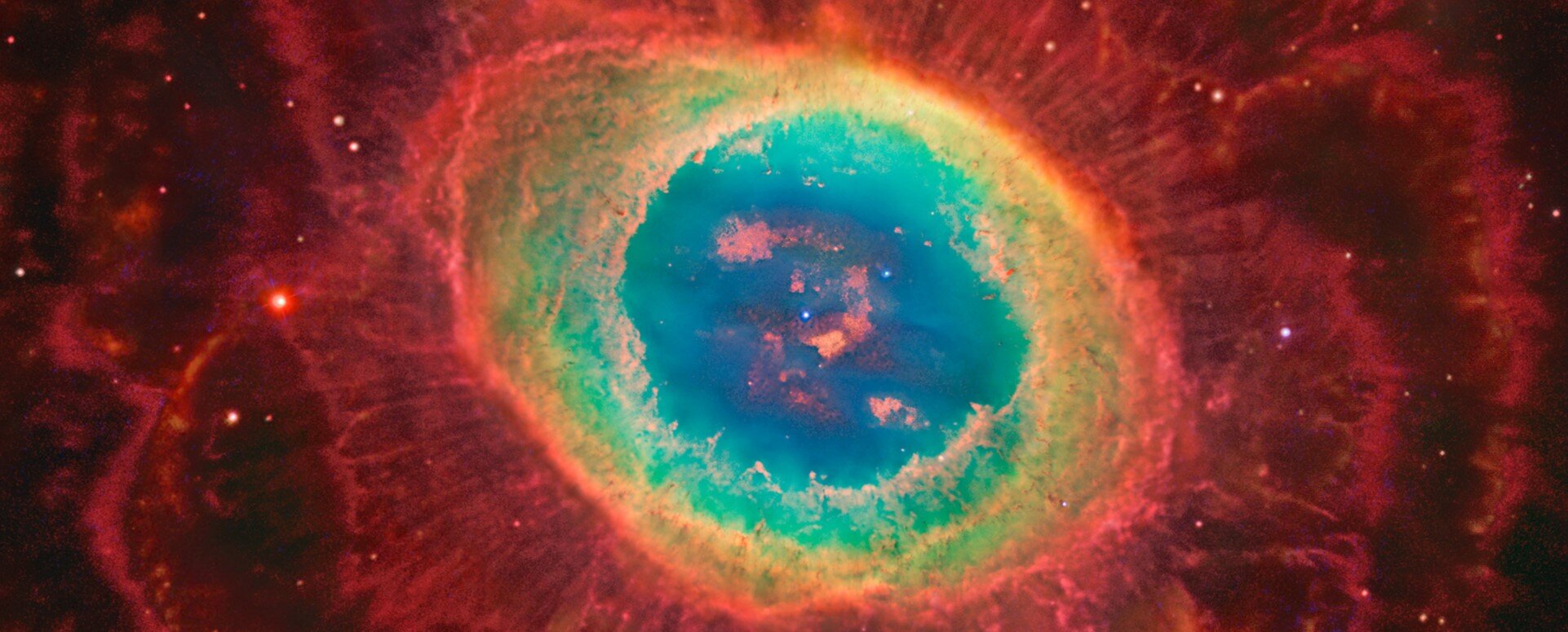
A study from the Instituto de Astrofísica de Canarias has shown that hydrogenated amorphous carbon (HAC) grains can participate in the formation of fullerenes, complex carbon molecules crucial for life development in the universe and potential nanotechnology applications. Spectroscopic analysis of the planetary nebula Tc1 revealed the presence of HAC, suggesting that fullerenes may have formed during the destruction of dust grains by energetic ultraviolet radiation. This interdisciplinary research opens the door for future collaborations between laboratory chemistry and astrophysics to advance our understanding of astrophysical and astrochemical processes.
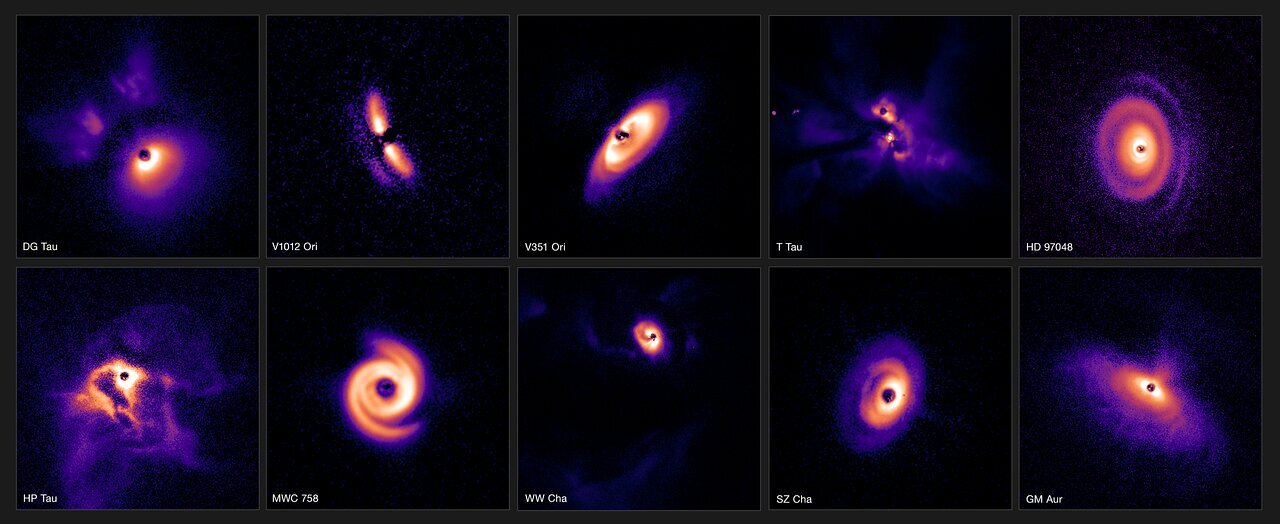
"Unveiling the Mysteries of Planet Formation Around Young Stars"

Originally Published 1 year ago — by Phys.org

Featured image for "Unveiling the Mysteries of Planet Formation Around Young Stars"
Source: Phys.org

A groundbreaking survey using ESO's VLT has provided new insights into planet formation by capturing images of over 80 young stars with potential planet-forming disks. The research, presented in three papers, reveals the diversity of planet-forming disks and their intricate features, such as spiral arms and large cavities carved out by forming planets. The observations, gathered from three different star-forming regions, offer valuable data for understanding the processes that lead to planet formation and could inspire future scientific exploration.

"Flat Protoplanets: A Surprising Twist in Gas Giant Formation"

Originally Published 1 year ago — by Hackaday

Featured image for "Flat Protoplanets: A Surprising Twist in Gas Giant Formation"
Source: Hackaday

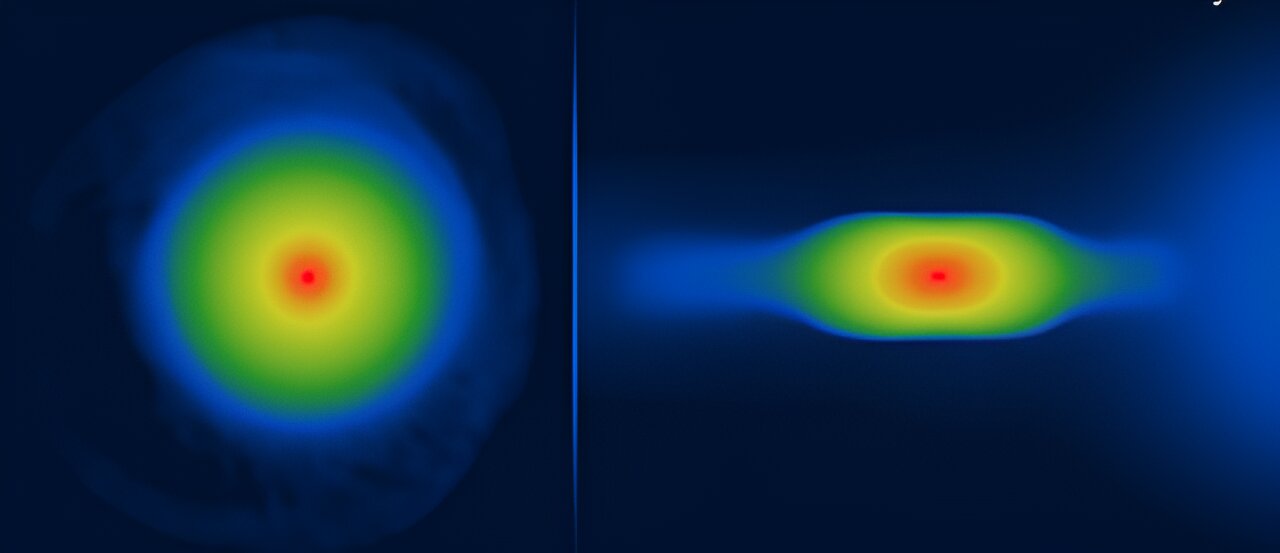
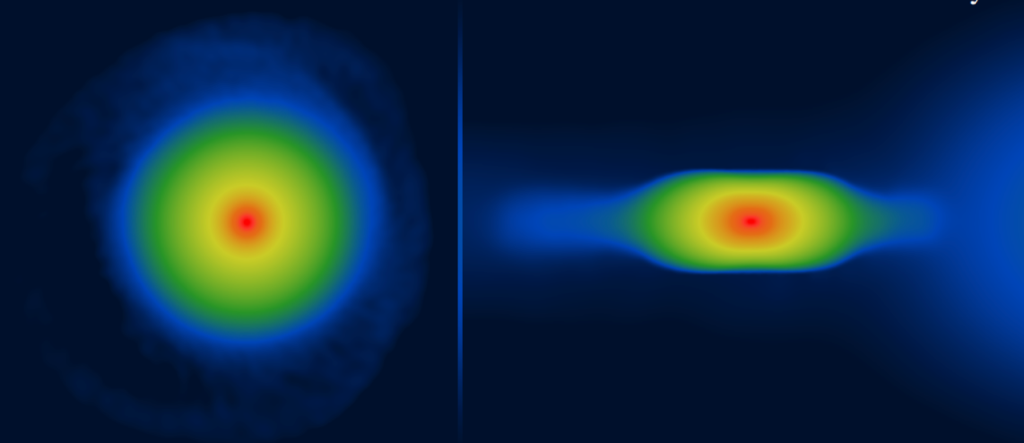
New modelling suggests that protoplanets formed within fragmentary protostar accretion discs may take on a strongly oblate spheroid shape rather than a spherical one, based on simulations run by researchers at the University of Central Lancashire. This research not only enhances our understanding of our own solar system's formation, including Earth's oblate spheroid shape, but also aids in interpreting observations from telescopes like Hubble and James Webb as we study actively forming star regions like the Orion Nebula, potentially refining simulations and reevaluating previous observational interpretations.

"Planetary Origins: Young Planets Resemble Flattened Smarties, Not Spheres"

Originally Published 1 year ago — by Phys.org

Featured image for "Planetary Origins: Young Planets Resemble Flattened Smarties, Not Spheres"
Source: Phys.org

Astrophysicists from the University of Central Lancashire have discovered that young planets have flattened shapes like oblate spheroids rather than being spherical, challenging previous assumptions. Using computer simulations, the researchers found that protoplanets form as flattened structures called oblate spheroids, similar to smarties, and grow predominantly from their poles rather than their equators. This finding has important implications for understanding planet formation mechanisms and suggests that observations of young planets through telescopes may depend on the viewing angle. The researchers are now working on improved computational models to further examine the shape and chemical composition of these young planets.

"eROSITA Unveils Largest X-ray Sky Survey Catalog with 900,000 High-Energy Cosmic Sources"

Originally Published 1 year ago — by Phys.org

Featured image for "eROSITA Unveils Largest X-ray Sky Survey Catalog with 900,000 High-Energy Cosmic Sources"
Source: Phys.org

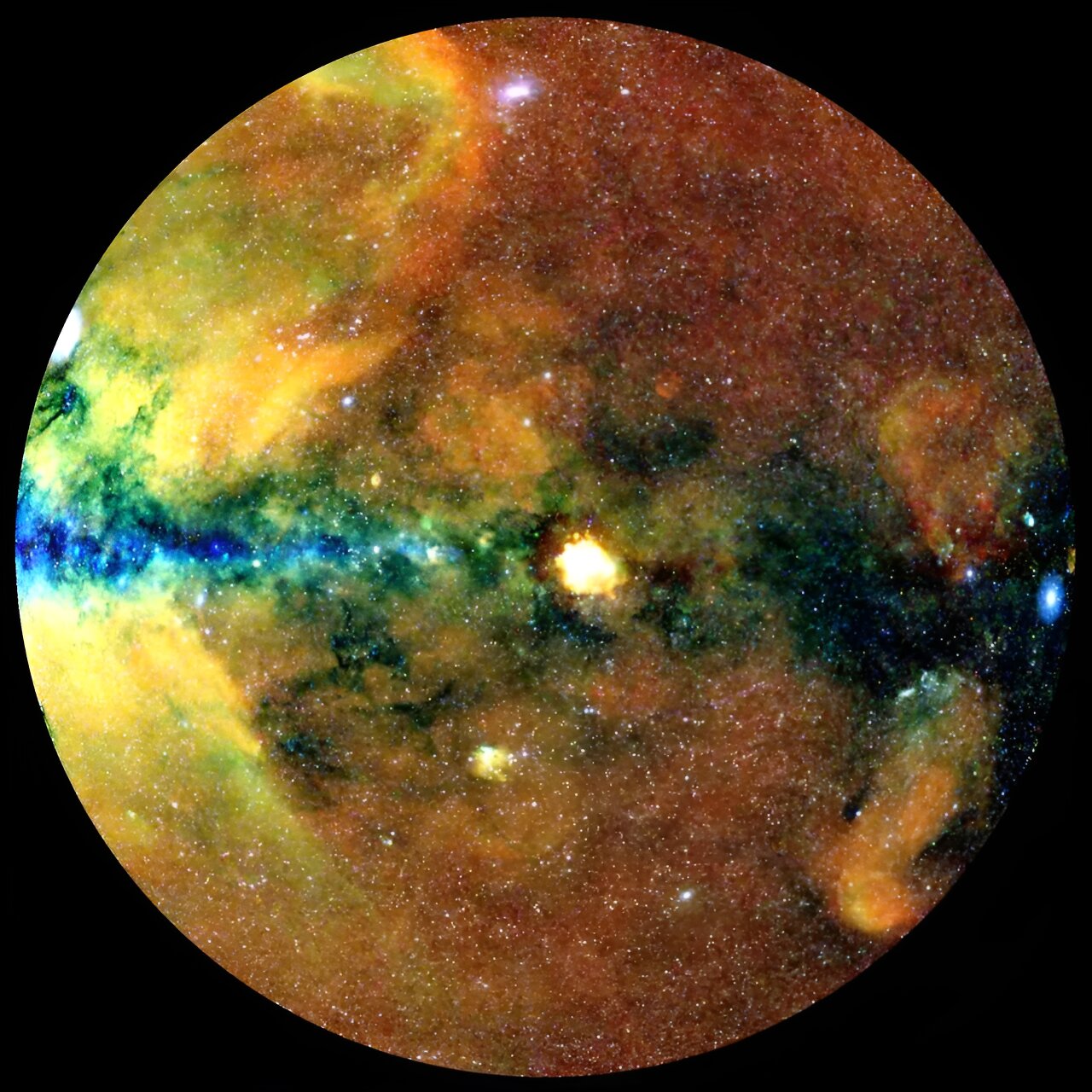
The German eROSITA consortium has released the largest X-ray catalog ever published, containing about 900,000 distinct sources from the first eROSITA All-Sky Survey (eRASS1). The data, which includes scientific papers describing new results, will revolutionize our knowledge of the universe at high energies. The catalog covers half the X-ray sky and includes supermassive black holes, X-ray-emitting stars, clusters of galaxies, and other exotic sources. The release also provides images of the X-ray sky, individual photon lists, and software for data analysis, with cosmology results expected in approximately two weeks.

"Unbalanced Galaxies Illuminate Dark Matter's Velocity"

Originally Published 1 year ago — by Phys.org

Featured image for "Unbalanced Galaxies Illuminate Dark Matter's Velocity"
Source: Phys.org

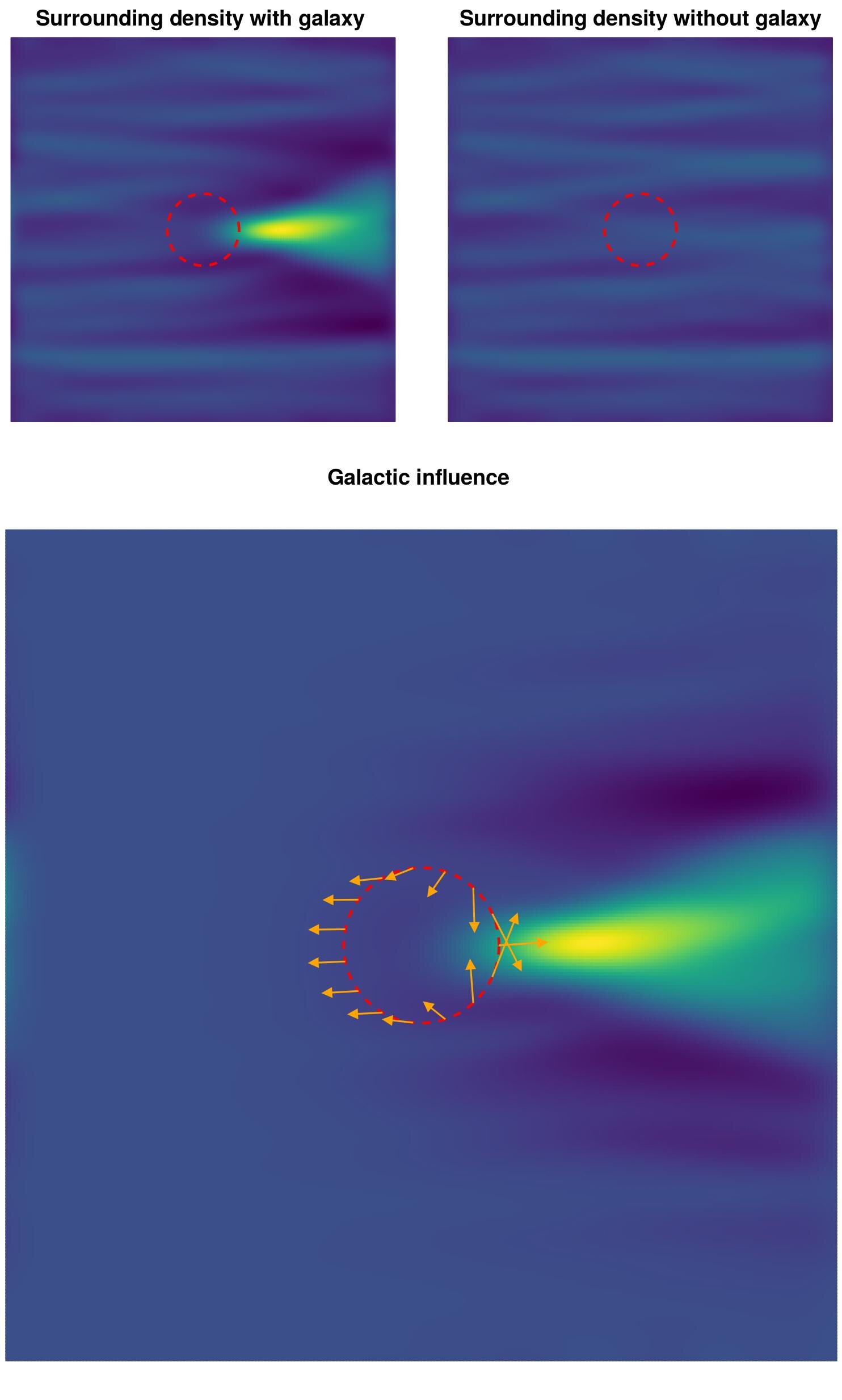
Researchers have developed a method to calculate the forces affecting galaxies in tidal cycles, aiming to find lopsided galaxies in the universe to study the velocity of dark matter relative to the galaxies. The speed of dark matter can be measured by observing how galaxies affect the trajectory of dark matter particles as they pass by, causing a phenomenon called dynamical friction. Identifying lopsided galaxies isolated from other influences is crucial for accurately measuring the velocities of dark matter, which could provide valuable insights for testing new dark matter models and understanding the nature of dark matter.