Tag

Pink Moon

All articles tagged with #pink moon

skywatching2 years ago

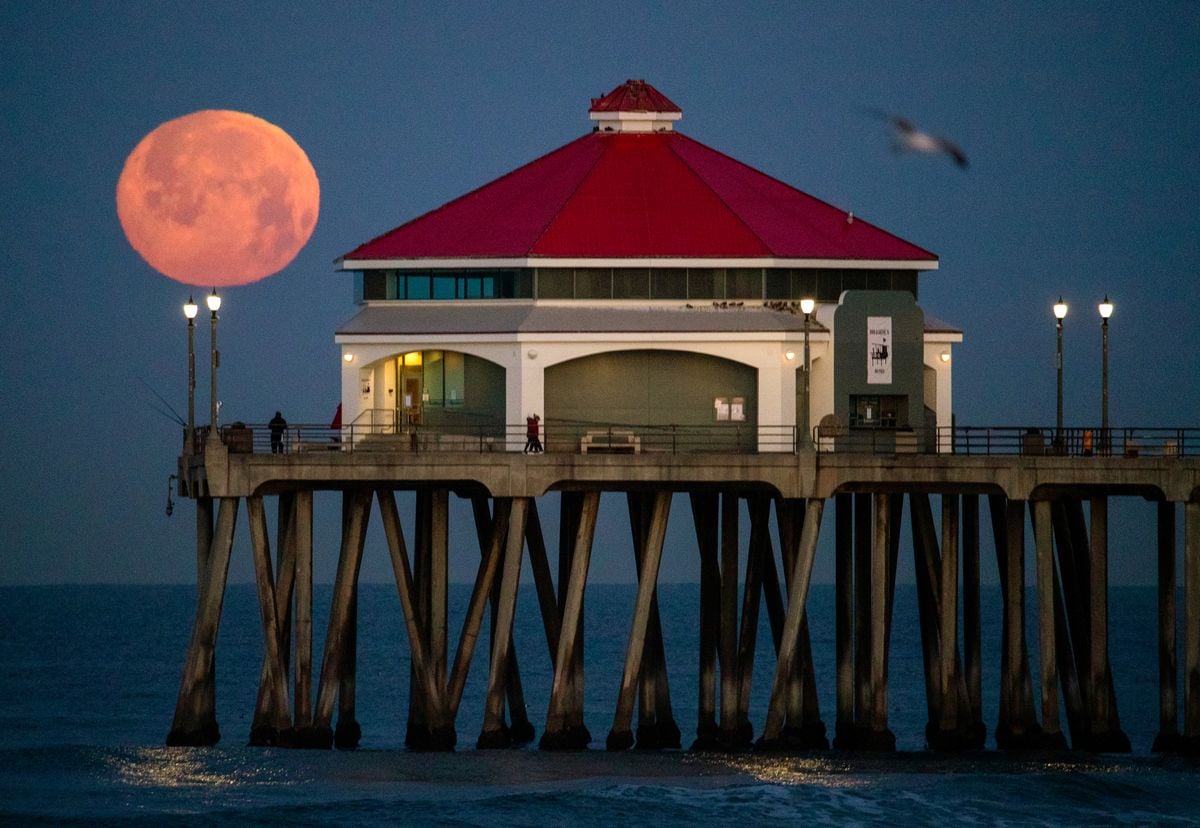
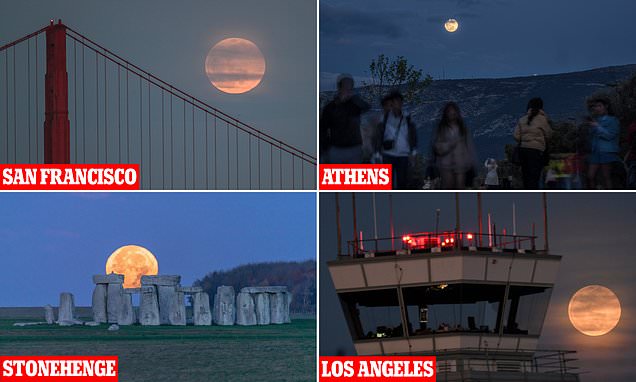
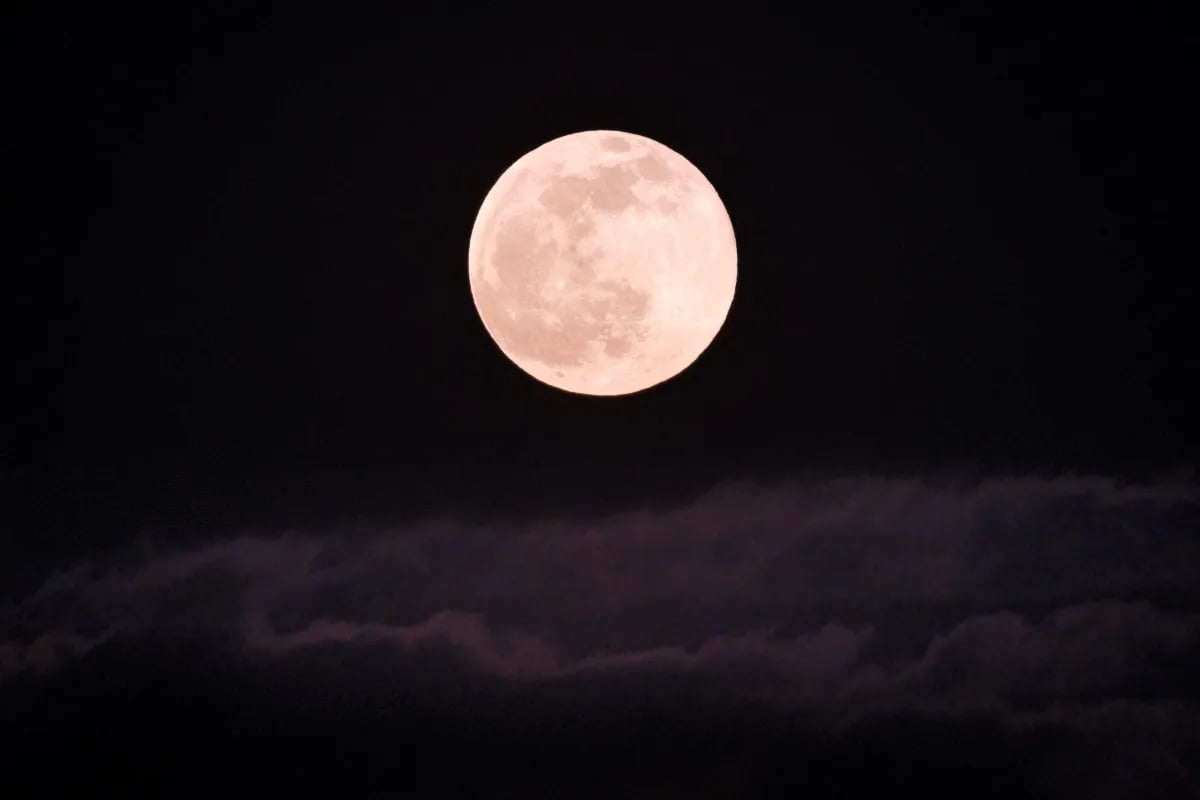
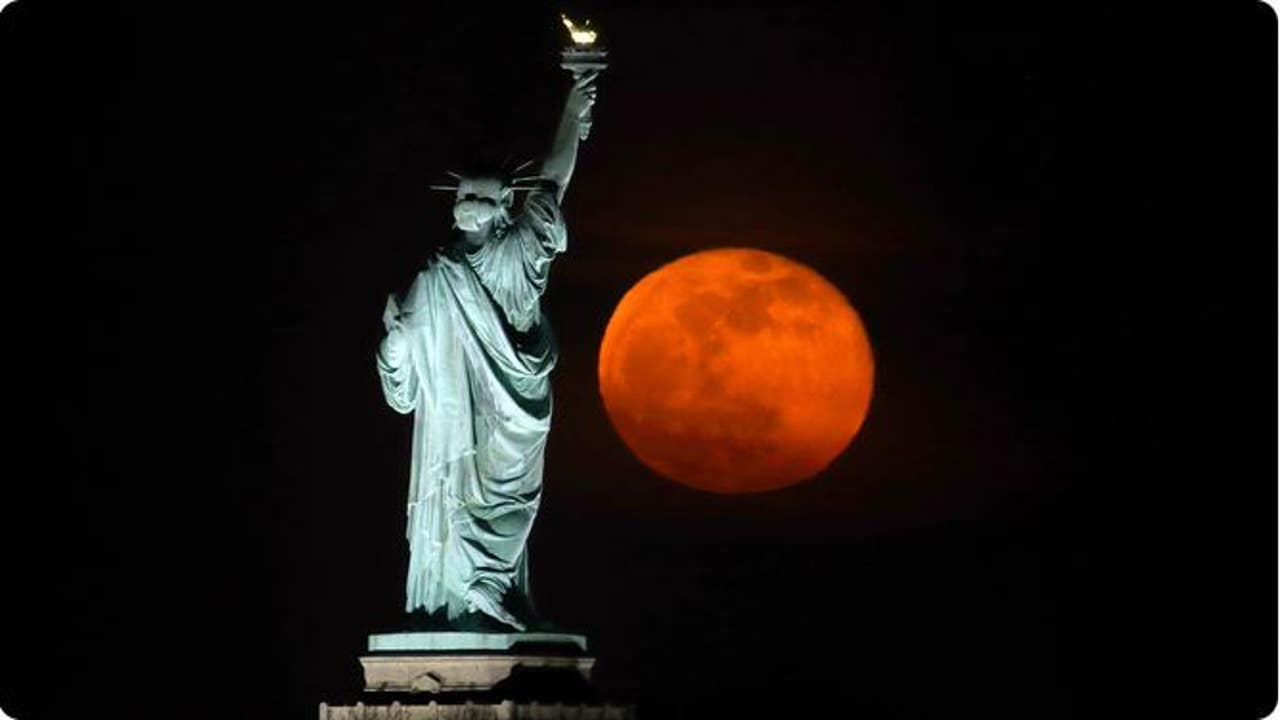
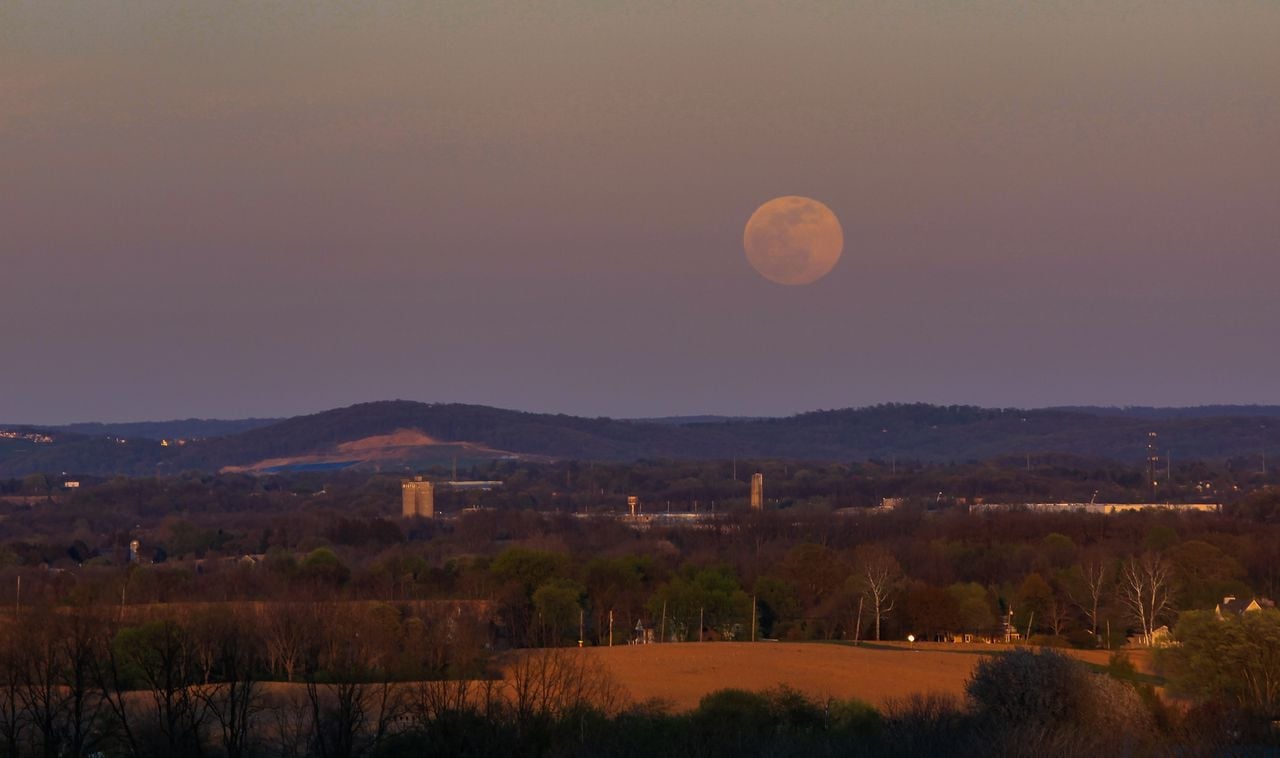
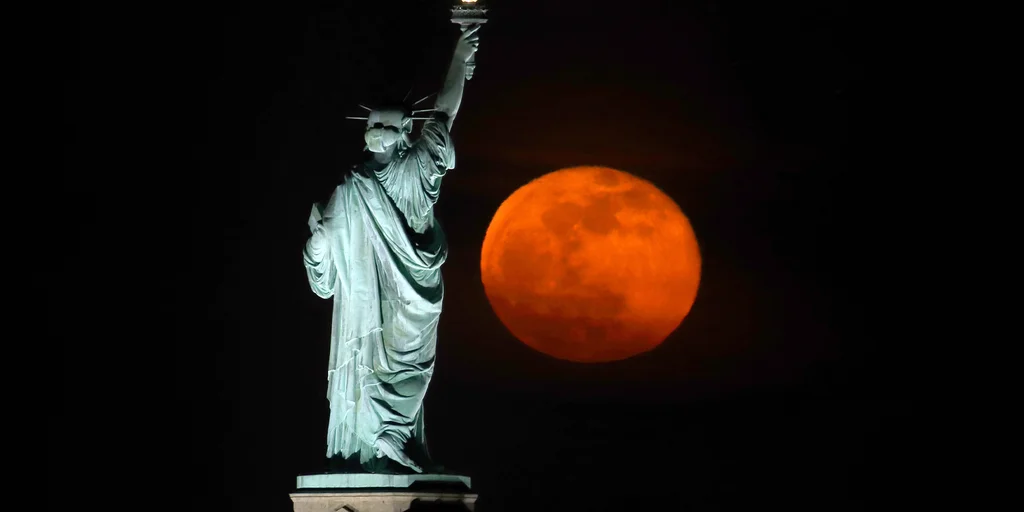
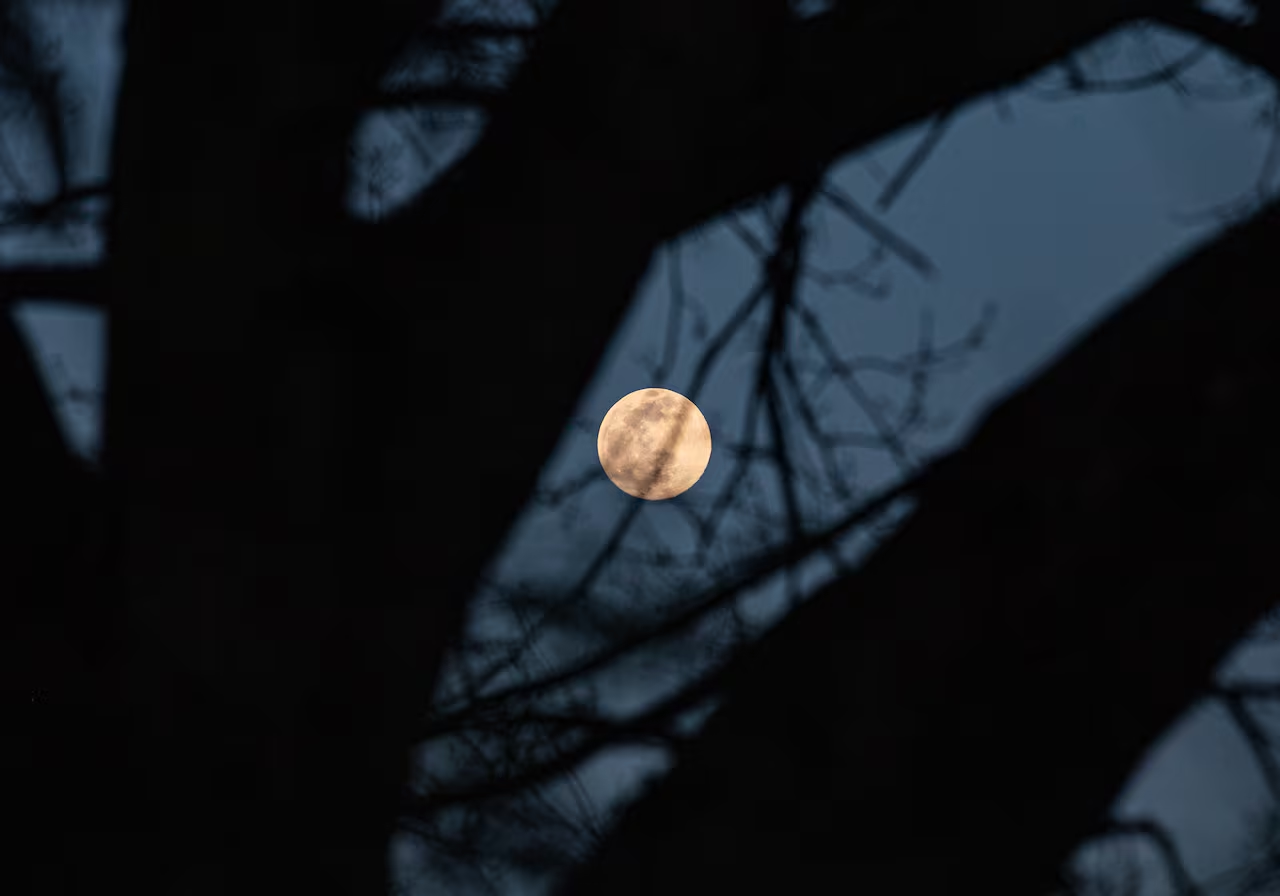
Stunning Photos of Pink Moon During April Full Moon 2023.

Skywatchers around the world captured stunning images and footage of the Pink Moon, April 2023's full moon, which is named after the annual bloom of Phlox subulata, a pink wildflower native to North America. Despite its name, the Pink Moon doesn't actually look very pink. Other Native American traditions refer to the blossoming of plant life during the onset of spring. The next full moon, which rises on May 5, is called the Full Moon of Flowers. Astrophotography enthusiasts can check out Space.com's guide on how to photograph the moon.

astronomy2 years ago

Global Spectacle: Full Pink Moon Captured in Stunning Photos and Videos

The Pink Moon, the full moon in April, was captured in stunning images around the world. The name Pink Moon does not refer to the moon's color, but rather to a wildflower called moss pink that blooms around the same time. While the Pink Moon reached 100% illumination on April 6, it will still be visible as a big round orb tonight. A supermoon, which appears larger and brighter than a normal full moon, will occur on August 31 this year.

astronomy2 years ago

Don't Miss the Pink Moon: Tips for Viewing April's Full Moon

The Pink Moon, also known as April's full moon, will rise tonight and be visible throughout the night. The name "Pink Moon" is figurative and refers to the springtime bloom of a pink wildflower called Phlox subulata. The moon won't actually be pink. Following the Pink Moon, the moon will undergo changes as it moves through its lunar cycle, leading to the next new moon phase on April 20. The Pink Moon takes its name from Native American culture, which has various seasonal associations with the full moon. Skywatchers can use telescopes and binoculars to observe the moon, and can also learn more about it through guides and observing tours.

science2 years ago

Don't Miss the Pink Moon: April's Full Moon Rises Tonight!

The first full moon of spring, known as the "pink" moon, will rise on Wednesday evening and Thursday evening. Despite its name, the moon won't appear pink to the naked eye. The name comes from the herb moss pink, also known as creeping phlox, which is one of the earliest widespread flowers of spring. The full moon in April is also known as the Paschal full moon, which determines the date of Easter.

astronomy2 years ago

Don't Miss the Pink Full Moon This Wednesday Night!

April's full moon, also known as the Pink Moon, will peak early Thursday morning and is the first full moon of spring. The Pink Moon gets its name from a hot pink wildflower that blooms during this time of year. Moon observers can see the lunar event starting Wednesday night, and for optimal viewing, NASA recommends finding a spot with minimal light pollution and with a clear view of the sky. There are nine more full moons this year to keep an eye out for, with two in August that are supermoons. Additionally, there will be four eclipses and several meteor showers throughout the year.

astronomy2 years ago

When and Where to Spot April's Pink Full Moon

The first full moon of spring, known as the pink moon, will reach its peak illumination at 12:34 a.m. EDT on April 6. Despite its name, the moon will not appear pink, but could appear yellow or orange due to the angle of the light and its interaction with Earth's atmosphere. Those living in the central and southeastern U.S. will have the best chances to see the full pink moon early Thursday, while cloud cover in the Northeast will limit chances for skygazers.

science2 years ago

"Spot the Pink Moon: When and Where to See April's Full Moon and Meteor Shower"

The first full moon of spring, known as the pink moon, will appear on April 6. The Lyrid meteor shower, which produces 10 to 20 meteors an hour, is expected to peak on April 22-23, and will not have to contend with moonlight. The eta Aquariids meteor shower will begin on April 15 and peak on May 5-6, but will have to deal with the light of a full moon.

astronomy2 years ago

Mark Your Calendars: April's Pink Full Moon is Coming Soon!

The first full moon of spring, known as the pink moon, will reach its peak illumination at 12:34 a.m. EDT on April 6. Despite its name, the moon won't appear pink, but could instead appear yellow or orange due to the angle of the light and its interaction with Earth's atmosphere. Those living in the central and southeastern U.S. will have the best chances to see the full pink moon early Thursday, while cloud cover in the Northeast will limit chances for skygazers.

astronomy2 years ago

April 2023 Skywatching Spectacular: Pink Moon, Planets, Solar Eclipse, and Meteor Shower.

The Pink Moon, the first full moon of spring, will be visible in the night sky on April 5 and 6. Three bright planets, Venus, Mercury, and Mars, will also be visible in the sky on the evening of April 5. The Pink Moon gets its name from the blooming of pink flowers and trees during this time of year. Other traditional names for the April full moon include the Breaking Ice Moon and the Frog Moon. To view the Pink Moon, check your local moonrise time and find a place with a wide-open view of the horizon.

astronomy2 years ago

April's Sky: Pink Moon, Lyrid Meteor Shower, and More!

April is Global Astronomy Month and sky gazers can look forward to several celestial events including the Full Pink Moon on April 5-6, the 364P/PANSTARRS comet flyby on April 7, a total solar eclipse on April 20, and the Lyrid meteor shower on April 21-23. The Pink Moon will be visible on April 5 in Western time zones, while the comet will be visible to both hemispheres. The solar eclipse will produce a brief ring of fire over the Indian Ocean, and the Lyrids will peak on April 23 despite the new moon.

astronomy2 years ago

April 2023 Stargazing: Witness the Pink Full Moon Kiss the Crescent Moon.

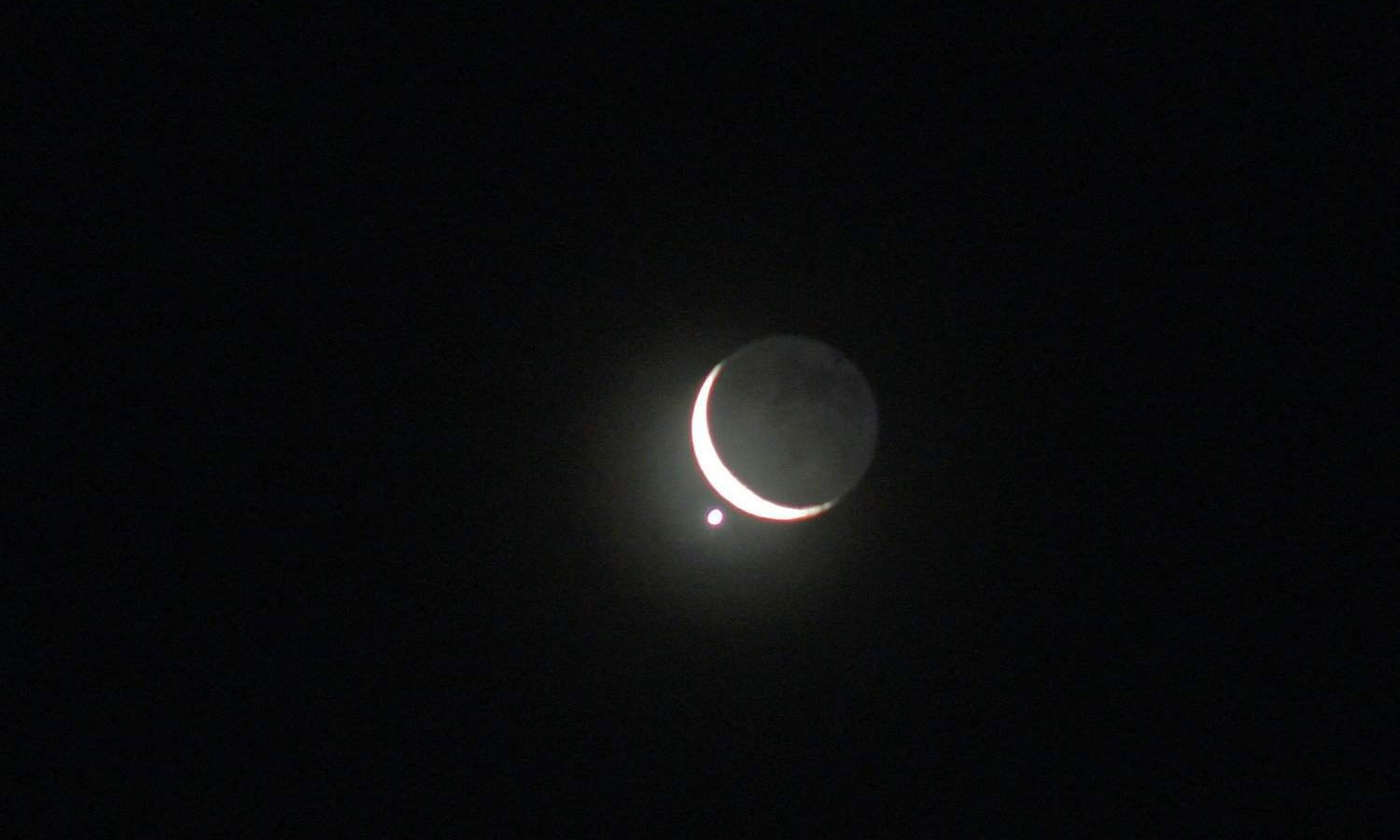
April offers several stargazing opportunities, including the Pink Moon on April 5th, Saturn coming close to the Moon on April 15th, a hybrid solar eclipse on April 20th, the Lyrid Meteor Shower on April 23rd, and the waning crescent moon pairing with Mars on April 25th. The Pink Moon is named after early springtime blooms, while the Lyrids offer around 20 shooting stars per hour. The waning crescent moon and Mars can be seen without binoculars or a telescope.