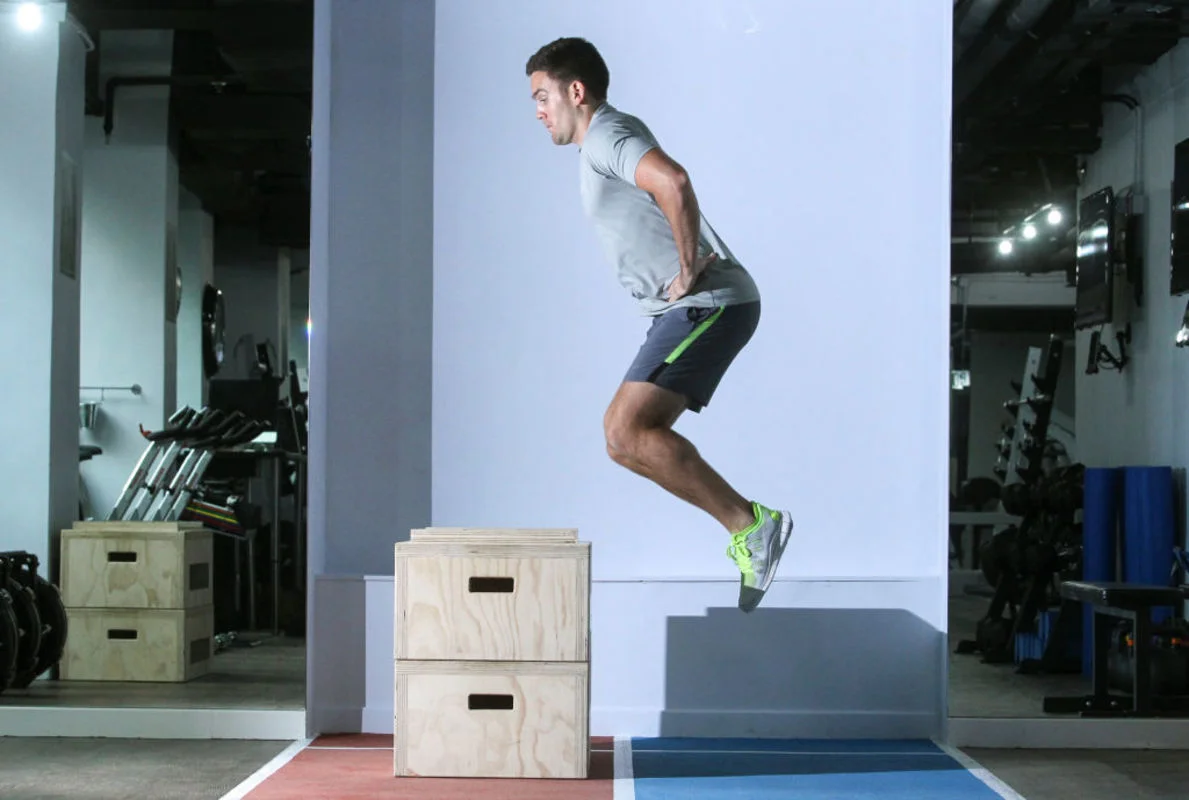
A 50-year Swedish study reveals that our bodies start to decline in strength, endurance, and fitness as early as age 35, but staying active can slow this deterioration, emphasizing the importance of regular movement for healthy aging.
A study shows that swearing can enhance physical performance by helping individuals break psychological barriers, increase confidence, and improve focus during exercise, suggesting that using profanity might be a simple, cost-free way to boost workout effectiveness.
A study by the Universities of Birmingham and Extremadura reveals that Brain Endurance Training (BET), which combines cognitive tasks with physical exercise, significantly enhances both cognitive and physical performance in older adults. BET, originally developed for athletes, outperforms traditional exercise programs by improving attention, executive function, and physical endurance, thereby reducing risks like falls. The study involved 24 sedentary women aged 65-78, showing BET's potential as an effective intervention for healthy aging.
Coffee can increase metabolism through its high caffeine content, which stimulates the central nervous system to produce adrenaline, leading to the breakdown of stored fats for fuel. It also temporarily increases thermogenesis, enhances physical performance during exercise, acts as an appetite suppressant, regulates metabolic hormones, and has beneficial effects on gut health. However, moderation is key to avoid potential negative effects such as increased heart rate and disrupted sleep patterns.
The distinction between "exercise" and "training" is crucial for achieving fitness goals. Exercise involves general physical activity for overall health, while training is a systematic and intentional approach to improving specific aspects of physical performance. Choosing between the two depends on individual goals and priorities, with exercise being suitable for maintaining overall health and well-being, and training being necessary for achieving specific goals such as strength building or improving athletic performance.
Mental fatigue resulting from mentally demanding tasks can lead to an increased sense of exertion during physical exercise, according to a study by the University of Birmingham. The researchers recommend coaches reduce athletes’ exposure to mentally challenging tasks, such as smartphone use, before and during training and competitions. Longer term, they should consider ‘brain endurance training’ to increase resilience to mental fatigue. The study suggests that taking the effects of mental fatigue into account during training may help athletes perform better.