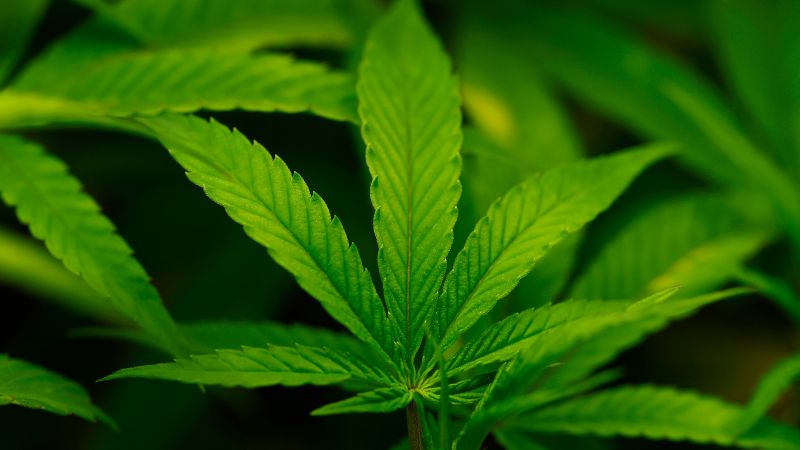
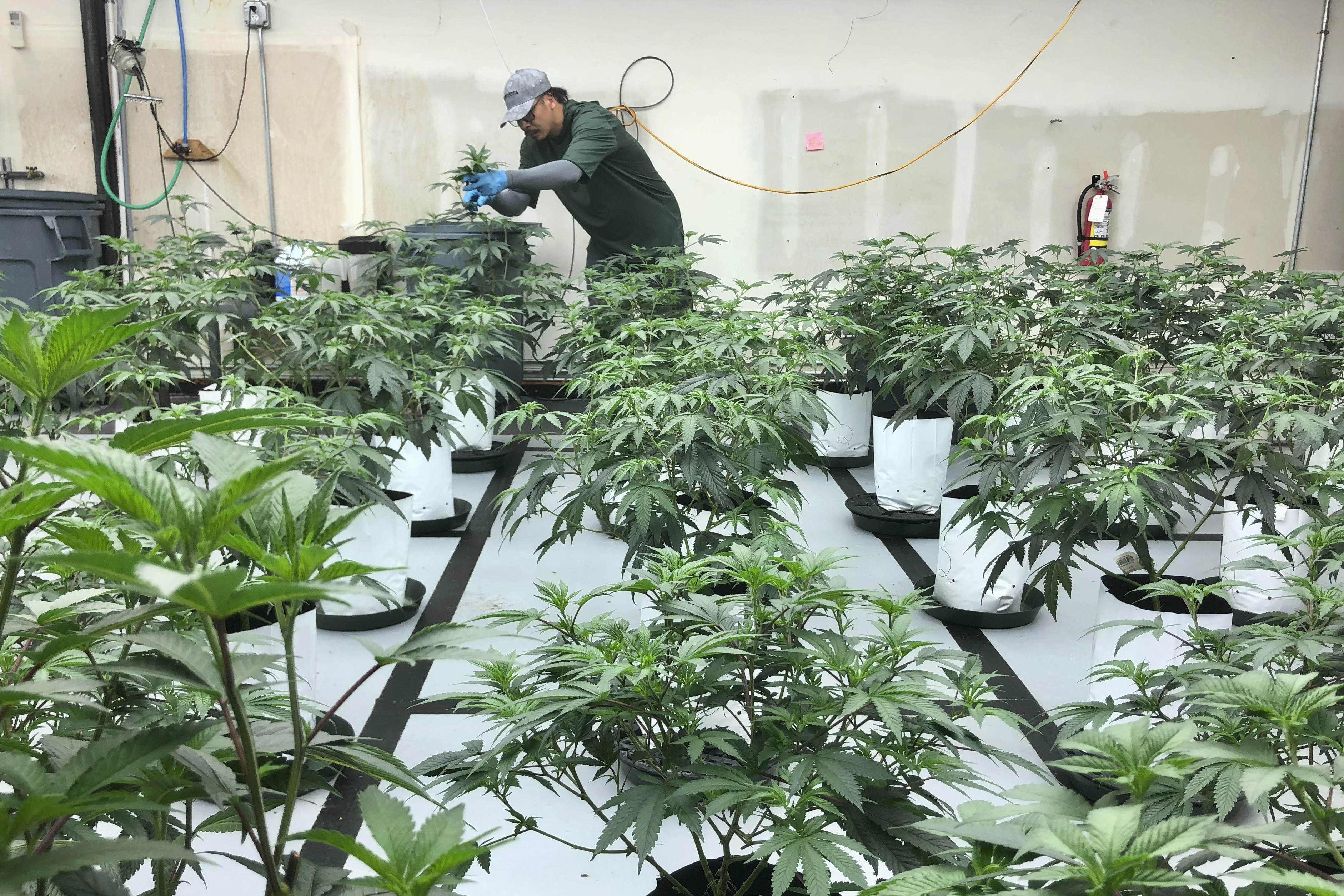
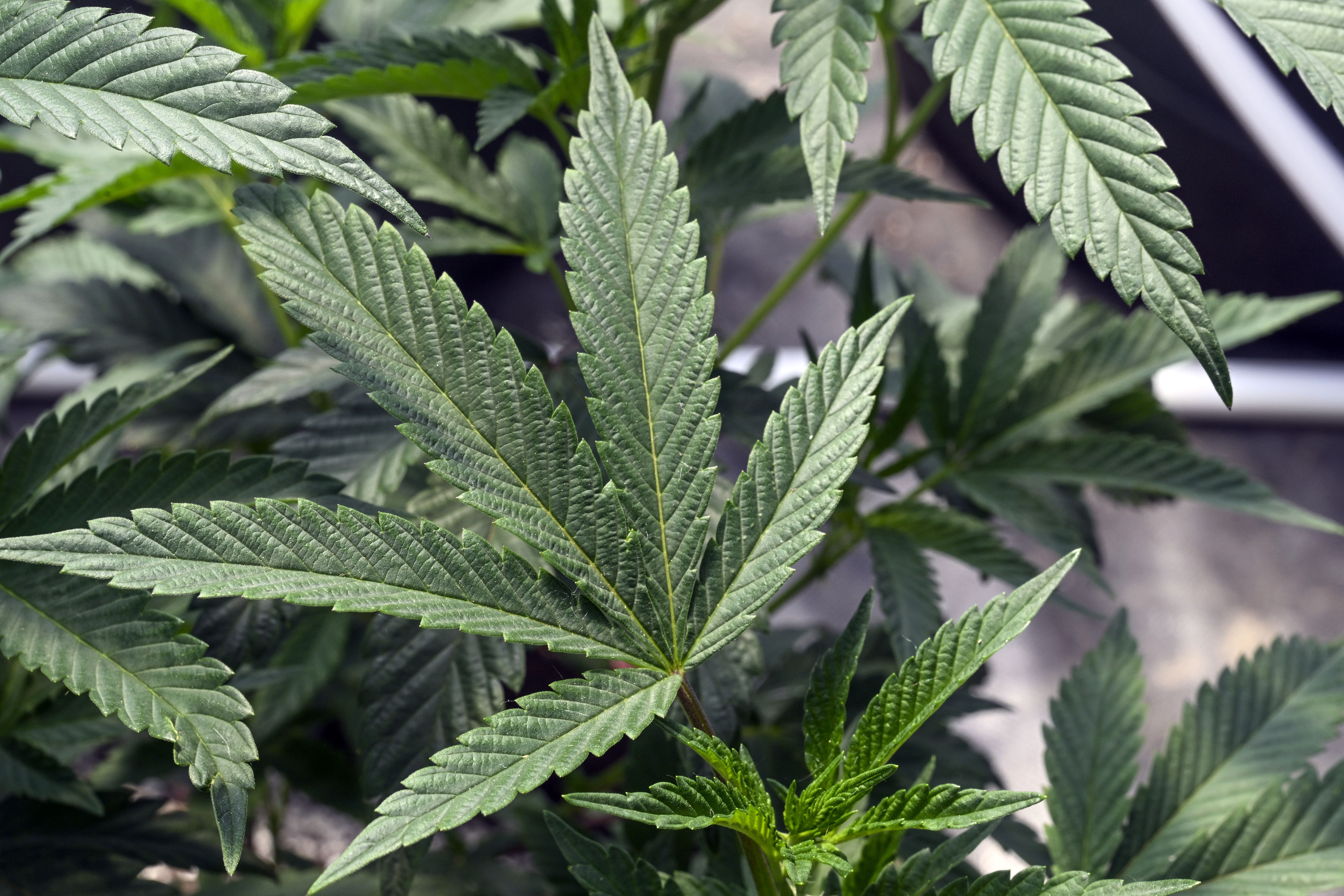
President Trump is expected to sign an executive order to reclassify marijuana from Schedule I to Schedule III, easing federal restrictions and potentially boosting research and medical use, though full legalization is not implied.
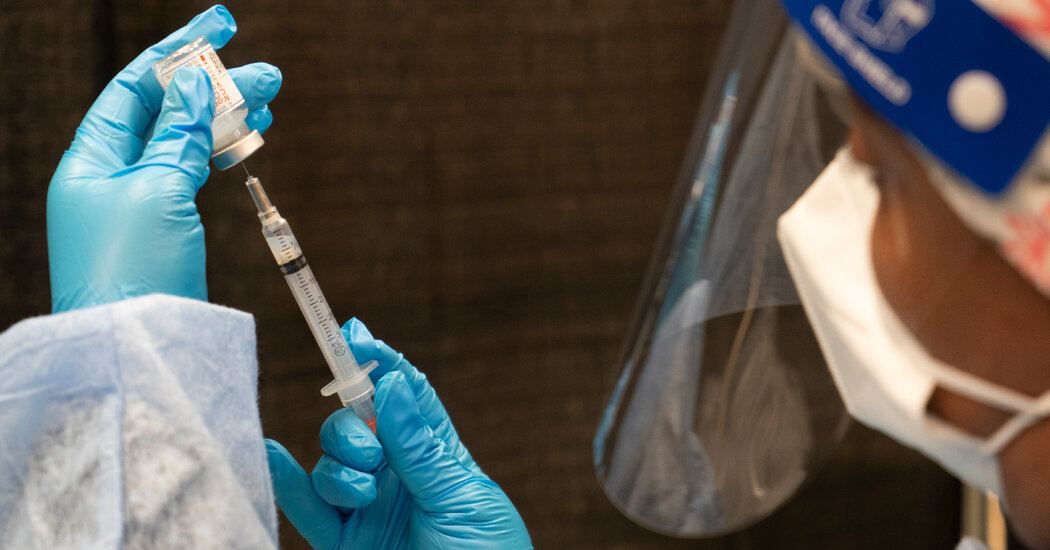
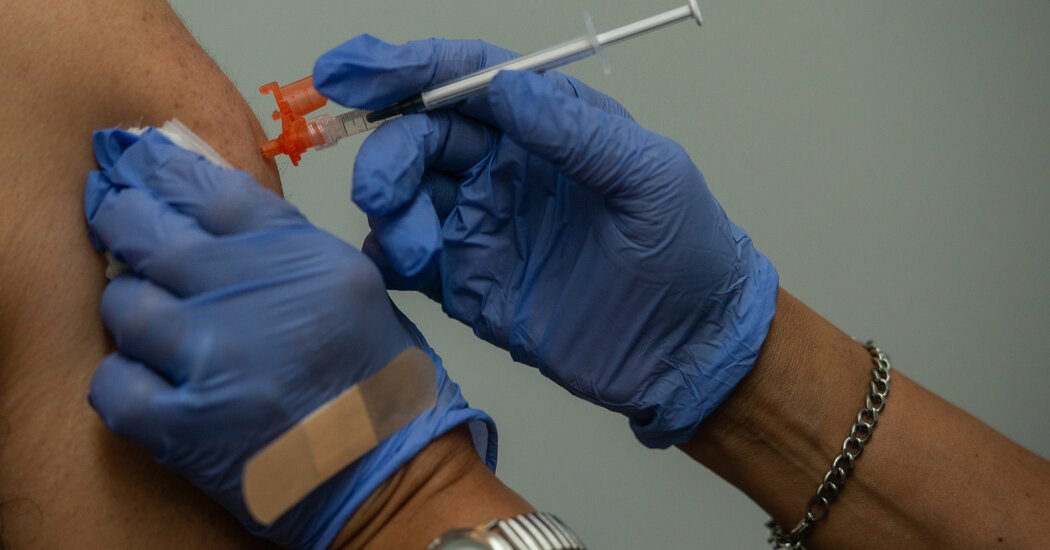
New Jersey has expanded access to the latest Covid vaccines, allowing anyone over 3 years old to receive them, despite federal restrictions limiting eligibility to certain groups. The state's order follows similar moves by New York and other states to make the vaccines more widely available to the public.
New York Governor Kathy Hochul plans to sign an executive order allowing pharmacists to provide Covid vaccines to almost anyone without a prescription, bypassing federal restrictions that limit vaccine access to certain groups, in an effort to increase vaccination rates amid political and regulatory challenges.
New Yorkers face difficulties accessing COVID-19 boosters due to new federal restrictions limiting eligibility and pharmacy appointment policies, with state officials planning to expand access.
The Department of Health and Human Services released a 252-page review recommending the loosening of federal restrictions on marijuana, citing credible evidence of its medical benefits and lower potential for abuse compared to other scheduled drugs. This marks a significant departure from the federal government's longstanding classification of cannabis as a Schedule I drug. The review, conducted at the request of President Joe Biden, recommends moving marijuana to Schedule III, with the final decision resting with the Drug Enforcement Administration. The review also found that marijuana has a lower public health risk and potential for abuse than other scheduled drugs, based on scientific criteria and analysis of various medical conditions.
The Biden administration's Department of Health and Human Services (HHS) has recommended that the Drug Enforcement Agency (DEA) loosen federal restrictions on marijuana by moving it from Schedule I to Schedule III under the Controlled Substances Act (CSA). This recommendation, based on a review conducted by the Food and Drug Administration (FDA), could be the biggest change in federal drug policy in decades. However, the HHS stopped short of advising complete removal of marijuana from the CSA. The DEA has the final authority to schedule or reschedule a drug, and it will now initiate its review. Rescheduling cannabis to Schedule III could have significant implications for the cannabis industry, including lower federal taxes and easier access to banking services. It could also facilitate research on cannabis and the development of cannabis-based pharmaceuticals. However, advocates argue that rescheduling alone does not address the issue of criminalization.