The US is experiencing a record number of drug shortages, with 323 active shortages in the first quarter of the year, including critical medications like chemotherapy drugs and emergency hospital medications. The shortages are driven by economic factors and extreme price competition among generic manufacturers. The American Society of Health-System Pharmacists is advocating for federal legislation to address the root causes of the issue, while the Department of Health and Human Services has published a white paper recommending ways Congress can assist with the problem.
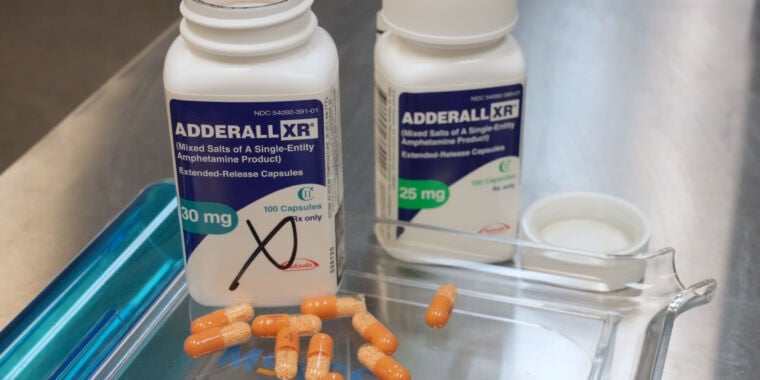
The US is facing a record high of 323 active and ongoing drug shortages, affecting a wide range of medications including generic cancer drugs and ADHD medication. The shortages are attributed to various factors such as manufacturing delays, increased demand, and regulatory constraints. The American Society of Health-System Pharmacists (ASHP) is advocating for federal and regulatory changes to address the root causes of these shortages and improve supply chains.
The United States is experiencing a record high of 323 active medication shortages, affecting various drug classes including generic sterile injectable medications, cancer chemotherapy drugs, and ADHD medications. This has led to devastating effects on patients, with some hospitals and clinics reporting complete depletion of certain medications. The American Society of Health-System Pharmacists (ASHP) is working with the federal government to address the root causes of these shortages and advocate for solutions to alleviate the crisis.
The U.S. is experiencing a record number of drug shortages, with 323 active shortages in the first quarter of the year, including life-saving chemotherapy drugs and emergency medications. The shortages are driven by economic factors and extreme price competition among generic manufacturers, leading to challenges in manufacturing capacity, quality, and supply chain reliability. The American Society of Health-System Pharmacists is calling for federal action to address the root cause of the issue, while the Department of Health and Human Services has published a white paper recommending ways Congress can assist with the problem.
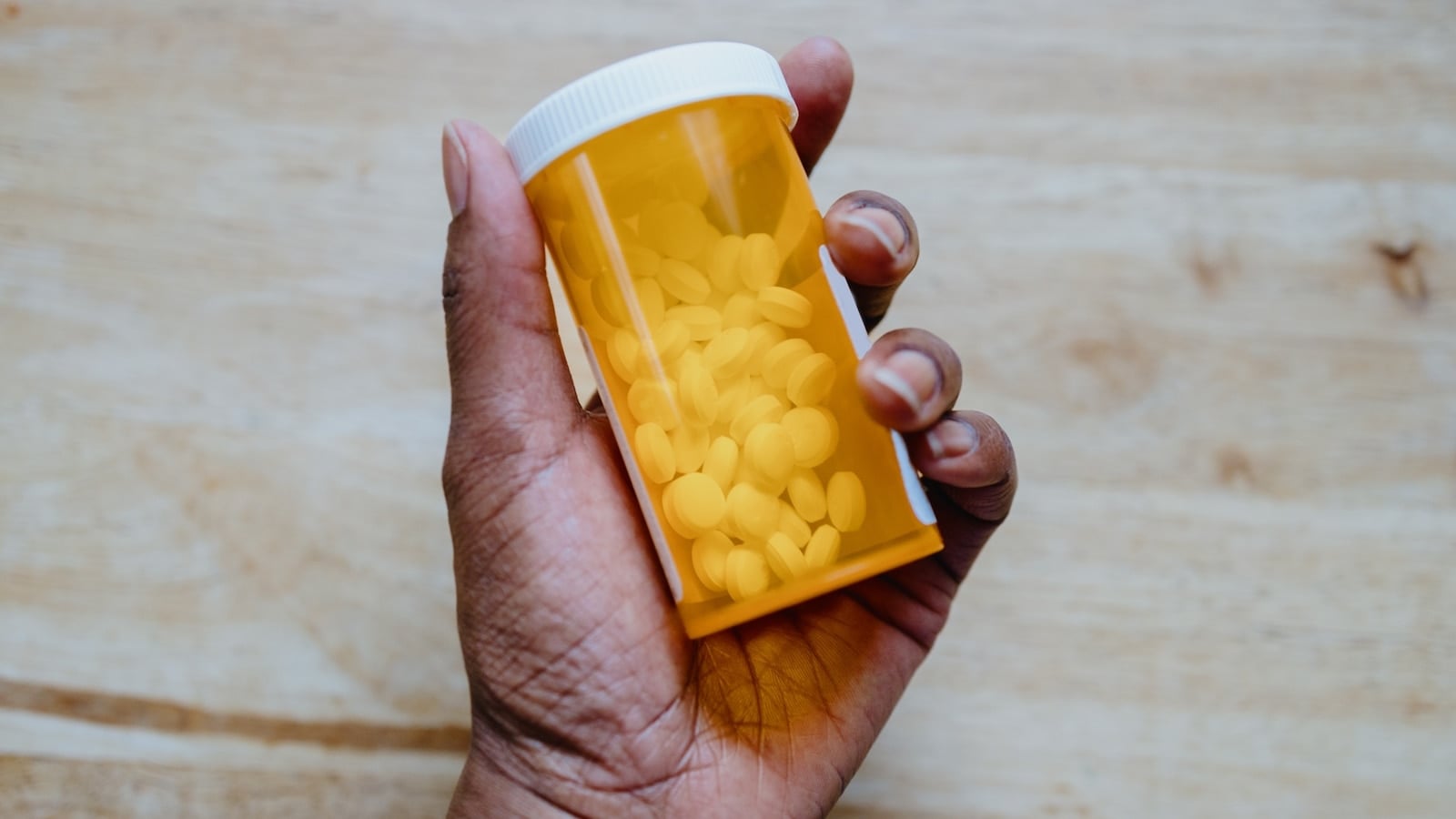
Pharmacists warn of a growing number of drug shortages in the U.S., with 323 active medication shortages in the first three months of 2024, the highest since 2014. Shortages affect all drug classes, with particular concern for generic sterile injectable medications, including cancer chemotherapy drugs and emergency medications. Adderall, used for ADHD, remains in short supply despite efforts to increase production, with factors including increased demand during the pandemic and manufacturing constraints. Experts attribute shortages to demand outstripping supplies, manufacturing constraints, and disruptions in supply lines for raw materials.
Pharmacists warn of a growing number of drug shortages in the U.S., with 323 active medication shortages in the first three months of 2023, the highest since tracking began in 2001. Shortages affect all drug classes, with particular concern for generic sterile injectable medications, cancer chemotherapy drugs, and emergency medications. Adderall, used for ADHD, is among the hardest medications to find, with factors including increased pandemic prescriptions, production delays, and supply chain disruptions contributing to the shortage.