A study suggests that owning dogs or cats may help preserve brain functions and slow cognitive decline in older adults, with dogs linked to better memory and cats to improved verbal fluency, potentially offering a fun and meaningful way to promote healthy aging.
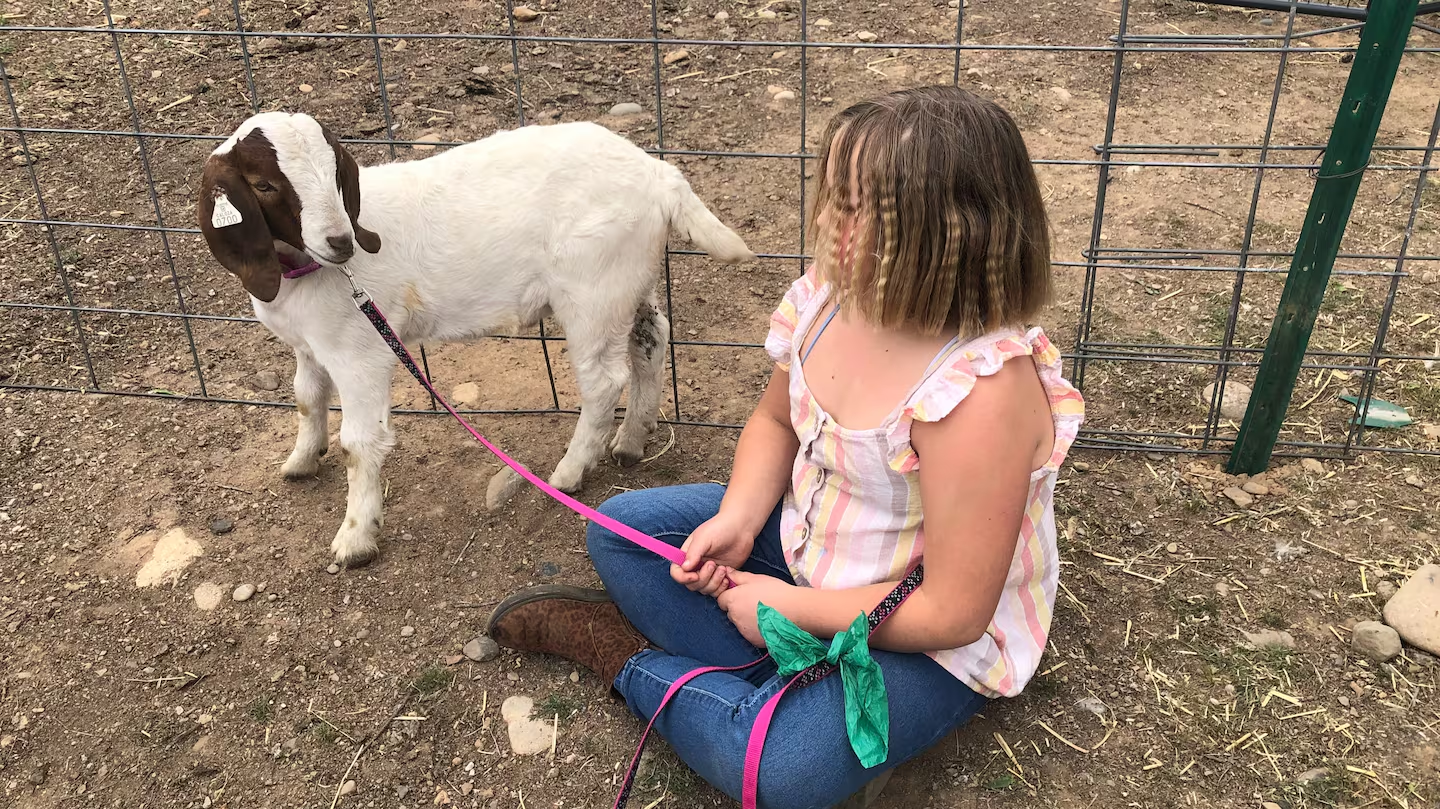
A girl received a $300,000 settlement after her pet goat, Cedar, was seized and slaughtered by sheriff's deputies in Northern California. The goat was taken to Shasta County fair officials, who claimed ownership, leading to a legal dispute over the animal's seizure and subsequent death.
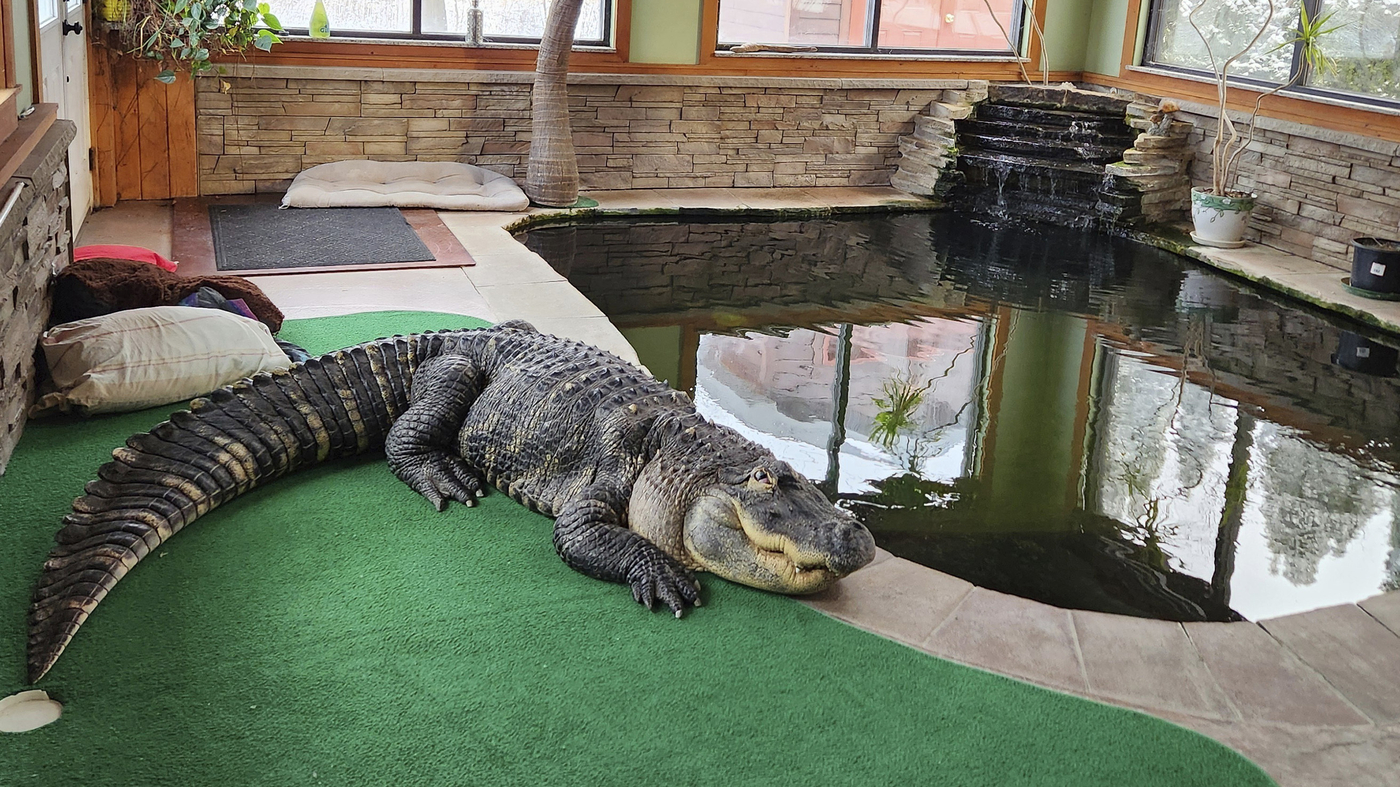
Tony Cavallaro, a New York man, is fighting to get his 34-year-old pet alligator, Albert, back after it was seized by conservation officers for an expired license and allowing others to interact with the reptile. Cavallaro, who considers Albert an "emotional support animal," has hired a lawyer and garnered support through an online petition and social media. He disputes claims of Albert's health issues and is seeking clarification on renewing his license, while the Department of Environmental Conservation has placed Albert with a licensed caretaker pending permanent care.
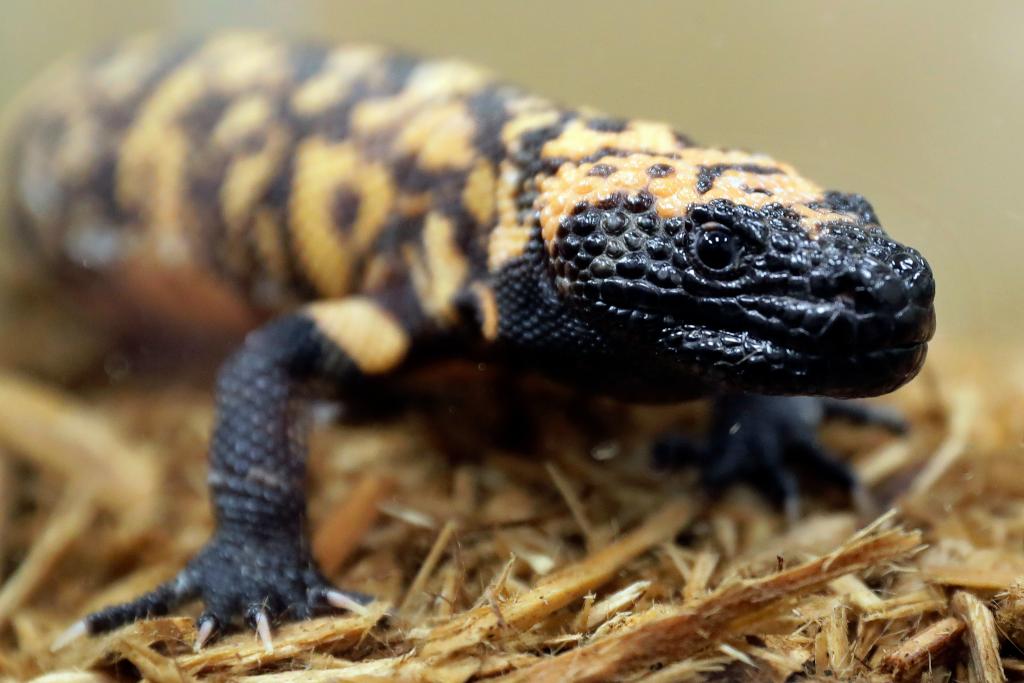
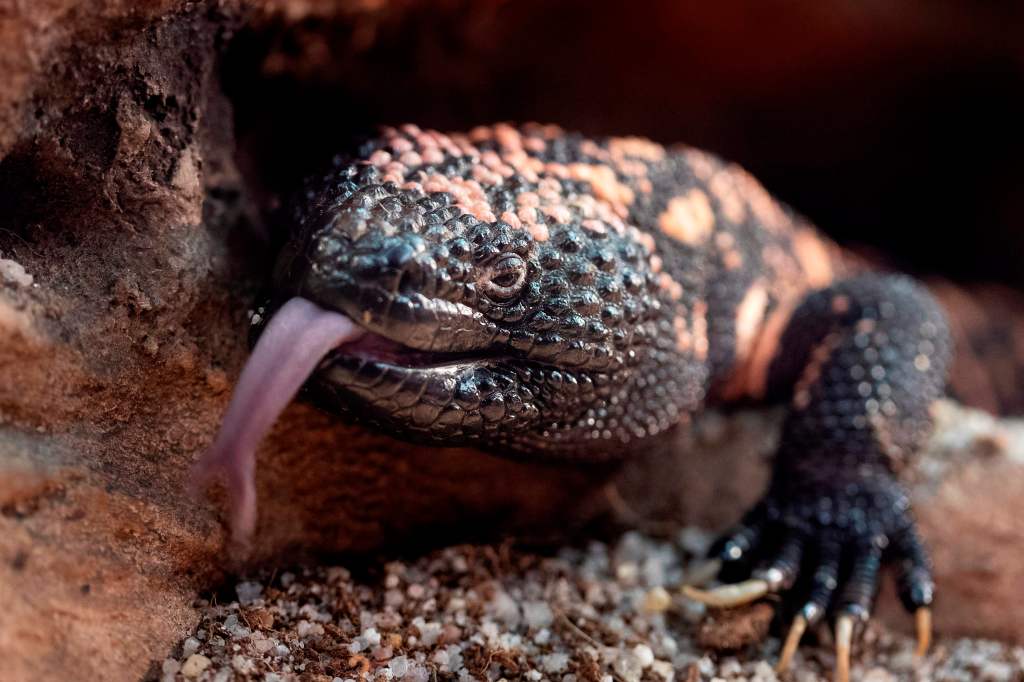
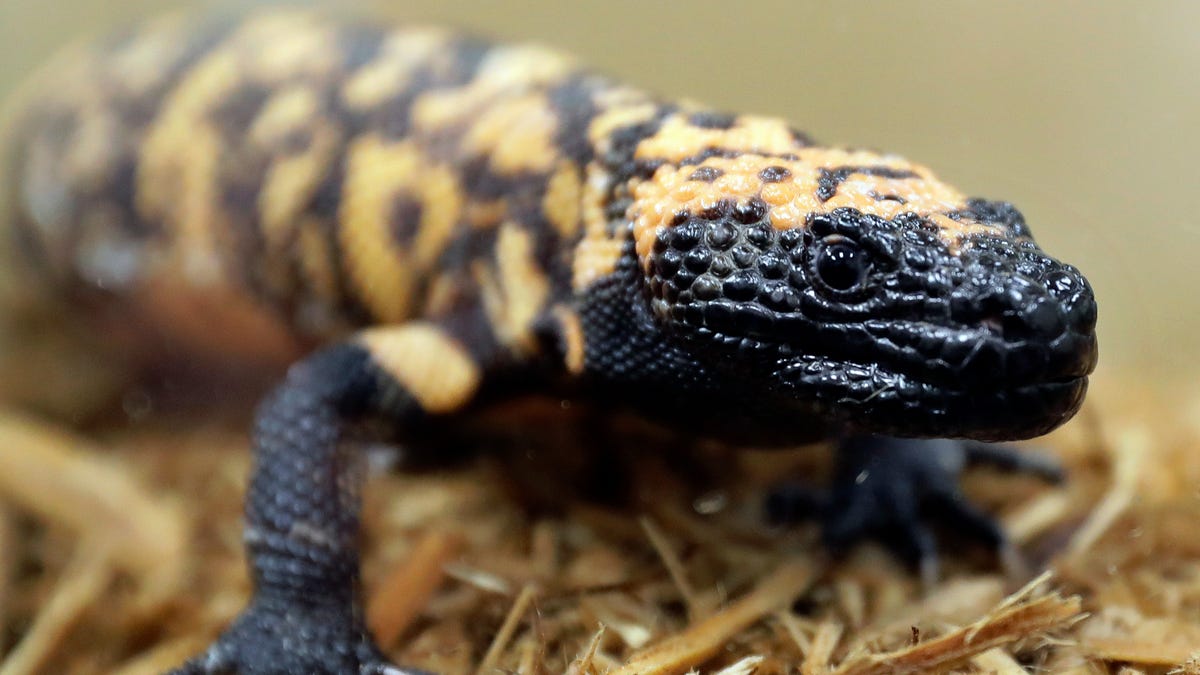
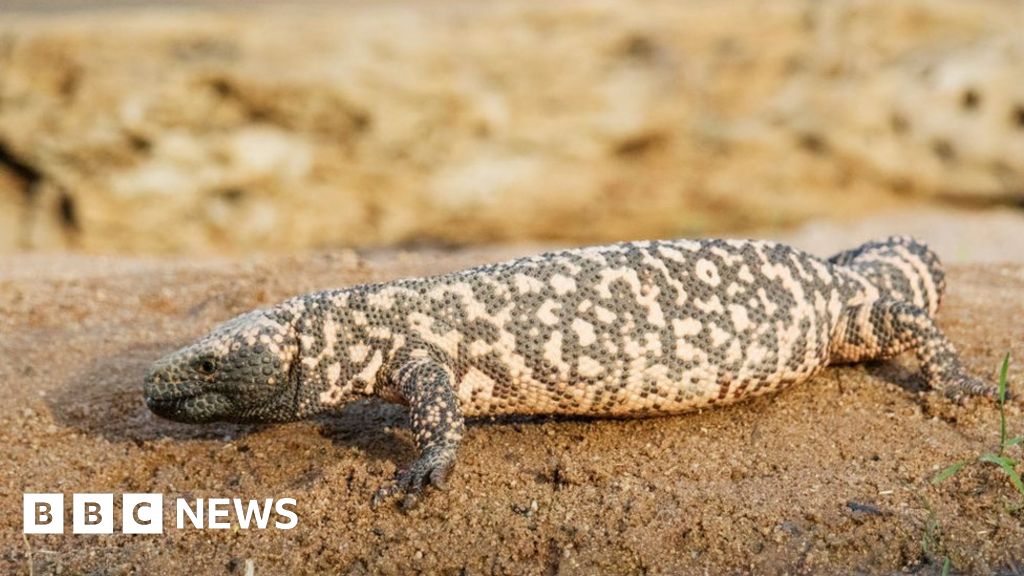
A Colorado man died after being bitten by his pet Gila monster named Winston, with the venomous lizard latching onto his hand and causing him to exhibit severe symptoms before being declared brain-dead. The man's girlfriend turned over the illegal pets to animal control, and the venomous reptiles were sent to a sanctuary in South Dakota, while the spiders found in their home were rehomed at an animal shelter. If tests confirm the cause of death as the lizard's bite, it would be a rare fatality caused by a member of the lizard species.
A Colorado man died after being bitten by one of his pet Gila monsters, with officials investigating whether the creature's venom was the cause. Christopher Ward, 34, was taken to the hospital after the incident and placed on life support before passing away. His girlfriend handed over the lizards to animal control, and the creatures were sent to a sanctuary in South Dakota. Gila monsters are venomous but their bites are not typically deadly, making this incident rare.
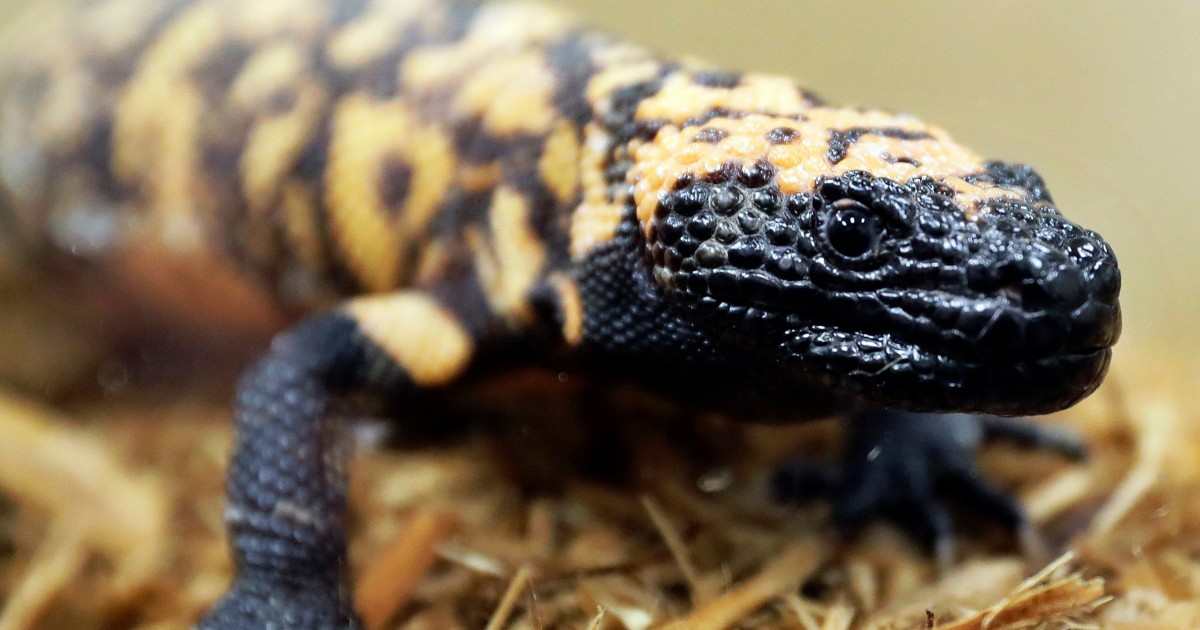
A Colorado man died after being bitten by his pet Gila monster, which is illegal to own in Lakewood. The man quickly showed symptoms, was taken to the hospital, and later died. The venomous lizard was removed from the home and will be relocated to Reptile Gardens in South Dakota. Gila monsters, the largest lizards in the U.S., have venom as toxic as a rattlesnake's, and while their bites are not usually deadly, there is no antidote for their venom.
A 34-year-old man in Colorado died after being bitten by one of his pet Gila monsters, prompting an investigation into the rare incident. Gila monsters are venomous reptiles native to the southwestern U.S. and Mexico, and while their bites are typically not fatal for humans, this case has raised questions. The exact cause of the man's death is still unknown, but toxicology testing is underway. The last known fatal case involving a Gila monster bite was in 1930, making this incident exceptionally rare.
A 34-year-old Colorado man died after being bitten by one of his pet Gila monsters, a venomous reptile native to the southwestern United States. While Gila monster bites are not typically fatal to humans, an expert suggested that the victim may have suffered an allergic reaction. It is illegal to own Gila monsters in Colorado without a license, and the man also owned tarantulas. Authorities are conducting toxicology testing to determine the precise cause of death, and the Gila monsters will be removed from the home and taken to a wildlife rehab facility.
A mother-in-law seems to favor her step-grandchild over her biological grandchild, causing distress for the child's parents. Another reader seeks advice on supporting her autistic brother in his decision to live with a female friend. A woman in a poly relationship contemplates parenthood but faces various obstacles. Additionally, a mother seeks guidance on her daughter's desire for a chinchilla despite being afraid of animals.
A study of over 584,000 dogs in the UK has revealed that canines with squished faces and small noses tend to have shorter life expectancies compared to those with longer faces and larger snouts. French Bulldogs, known for their smushed-in face and small nose, have one of the lowest life expectancies at 9.8 years, while breeds with longer faces like miniature dachshunds and Italian greyhounds live for an average of 14 years. The study suggests that the physical features of flat-faced dogs may lead to breathing issues and other health defects, urging potential dog owners to consider a breed with better chances of a long and healthy life.
A UK study of nearly 8,000 people suggests that owning a pet can help slow cognitive decline in older adults living alone, potentially offsetting the effects of loneliness and reducing the risk of dementia. The research found that pet ownership was associated with slower rates of cognitive decline in areas such as verbal cognition, memory, and fluency for those living alone. While the study provides valuable insights, further research is needed to explore the impact of pet ownership on other aspects of cognitive function and to determine if the benefits extend to individuals of different ethnicities.
A new study from the Dog Aging Project suggests that larger dogs tend to have a higher risk of various health problems and shorter lifespans, while smaller dog breeds have their own unique health risks. The study, which looked at data from over 27,000 dogs, found that larger dogs were more likely to have issues such as cancer, neurological conditions, and gastrointestinal problems, while smaller dogs were more prone to eye, cardiac, and liver problems. The research aims to provide insights into disease categories that may contribute to reduced lifespan in larger dogs and suggests avenues for further exploration to help keep dogs healthy and living longer lives.
A new study from the University of Queensland suggests that owning a pet cat may double the risk of developing schizophrenia. The researchers conducted a meta-analysis of 17 studies and found that individuals exposed to cats before the age of 25 had approximately twice the odds of developing schizophrenia. The link is believed to be due to a parasite called Toxoplasma gondii, which can enter the body through a cat bite and affect neurotransmitters in the brain. However, other experts have called for better-quality studies to account for potential confounding factors.
A longitudinal study of older adults found that pet owners, particularly dog owners who walked their dogs, experienced slower cognitive decline compared to non-owners. The study analyzed data from the Baltimore Longitudinal Study of Aging and included measures of pet ownership, cognitive function tests, and assessments of cognitive impairment. Results showed that pet owners had a decelerated decline in cognitive function, particularly in memory, executive function, language function, psychomotor speed, and processing speed. Dog owners who walked their dogs also had slower cognitive decline. However, the study design does not establish a cause-and-effect relationship, and the sample consisted of individuals with better socio-economic status and cognitive functioning.
Spain has implemented its first animal welfare law, which prohibits the use of animals for recreational activities that cause them pain and suffering, but controversially exempts bullfights and hunting with dogs. The law aims to crack down on animal mistreatment, particularly of domestic animals, and introduces fines for offenders. It also bans the sale of pets in stores or online, promotes adoption from registered breeders, allows pets in most establishments, and prohibits the use of wild animals in circuses. However, certain requirements and legal aspects have been delayed due to the absence of a sitting government following inconclusive elections.