Tag

Personality Disorders

All articles tagged with #personality disorders

health27 days ago

Research Uncovers Unique Language Patterns in People with Personality Disorders

Research shows that language use in everyday communication, including online posts and conversations, can reveal underlying personality dysfunctions, with patterns such as negative emotion words, self-focus, and rigid thinking indicating potential personality issues. Recognizing these linguistic cues can help identify early signs of distress or personality disorders, aiding in better understanding and support.
health1 year ago

Study Suggests Psychedelics May Pose Risks for Those with Personality Disorders

A study from Imperial College London suggests that psychedelics may pose risks for individuals with personality disorders, as these substances can deeply influence mental states and potentially worsen symptoms unique to these conditions. The study, which collected self-reported data from 807 psychedelic users, found that a significant portion of negative experiences were reported by individuals with a history of personality disorders. However, the study has limitations, including reliance on self-reported data and a lack of a control group for comparison. The findings stress the need for careful screening for personality disorders and a personalized approach to using psychedelics safely and effectively, highlighting the importance of refining psychedelic therapy for all individuals.

mental-health-research1 year ago

"Loneliness Linked to Personality Disorder Traits"

A systematic review published in BMC Psychiatry by Sarah Ikhtabi and colleagues found a significant correlation between personality disorders, particularly Emotionally Unstable Personality Disorder and Avoidant Personality Disorder traits, and increased levels of loneliness and deficits in perceived social support. The research also highlighted a complex association between narcissistic personality traits and loneliness/perceived social support deficits. However, the review noted a lack of longitudinal studies to definitively understand the causality of these relationships, acknowledging the low certainty of the current evidence base due to methodological limitations.

health2 years ago

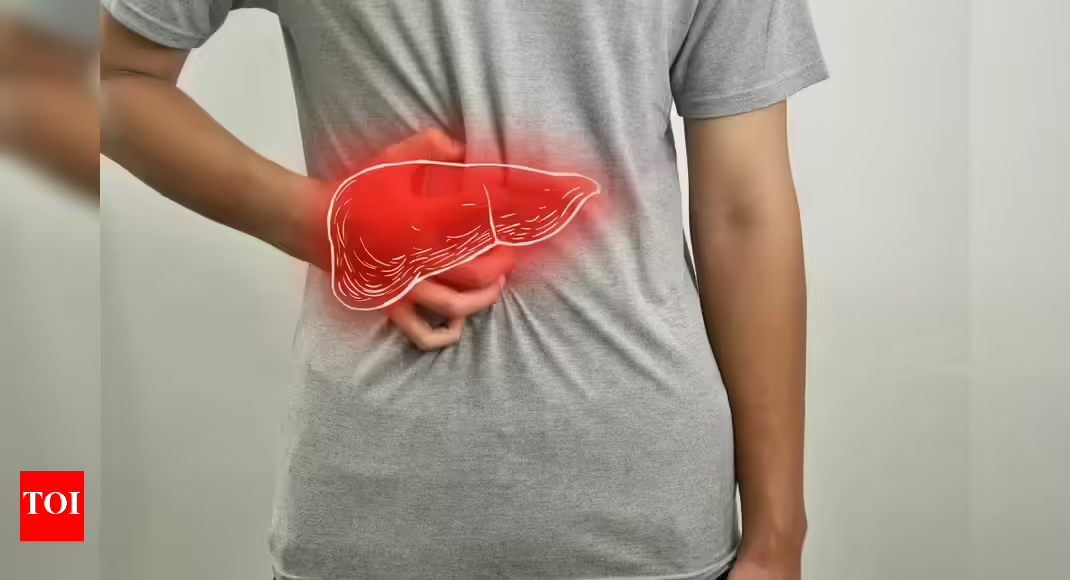
The Connection Between Personality Disorders and Fatty Liver Disease

Non-alcoholic fatty liver disease (NAFLD) is strongly associated with personality disorders, with NAFLD patients being three times more likely to have a personality disorder compared to those without the disease. This link is not observed in other liver diseases or common mental health issues like anxiety and depression. The study highlights the importance of addressing attitudes towards diet and exercise in NAFLD management, as patients often struggle with uncontrolled eating behaviors and a lack of motivation. Effective treatment and lifestyle change management are crucial for NAFLD patients, including those who have undergone liver transplantation.

mental-health2 years ago

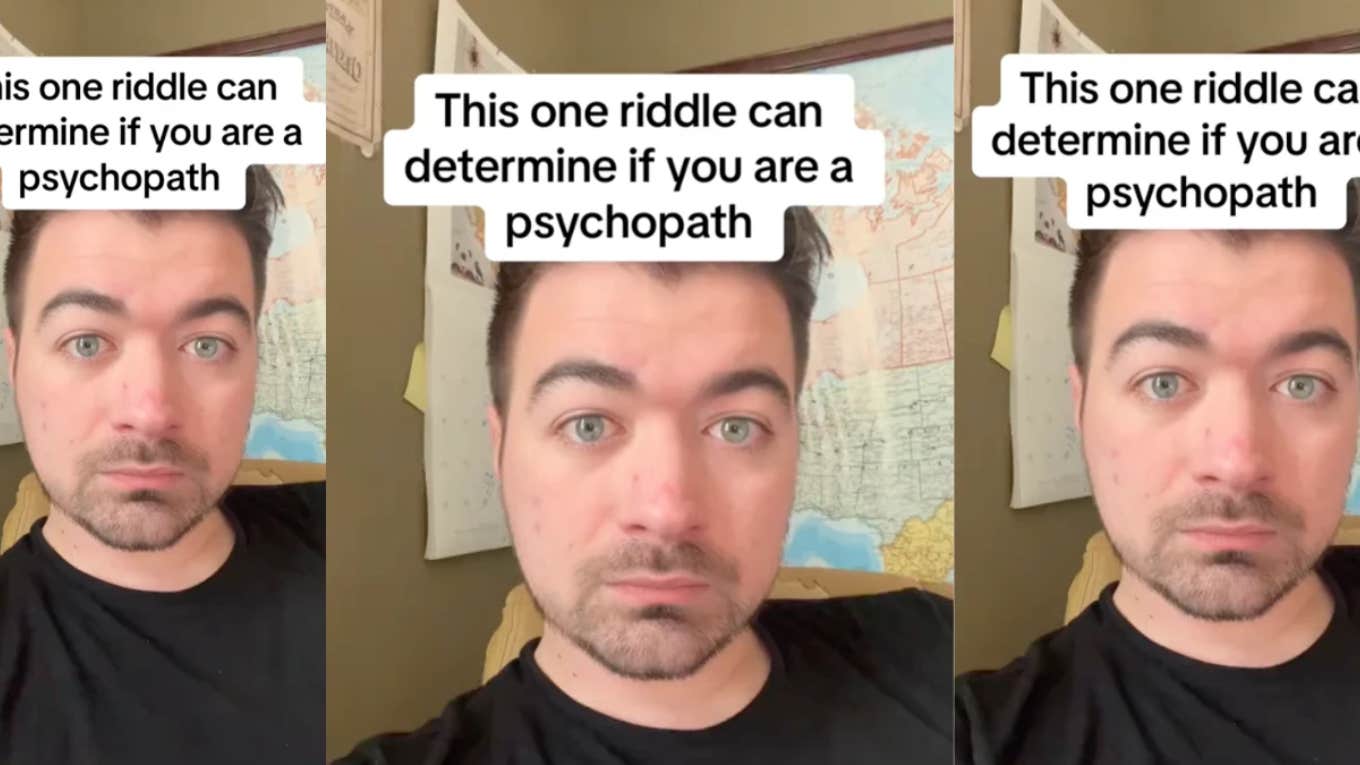
"Can You Solve the Riddle that Exposes Psychopathy?"

A diagnosed narcissist on TikTok shared a riddle that he claims can determine if someone is a psychopath. The riddle involves a woman meeting a man at her mother's funeral and later murdering her sister. The answer, according to the narcissist, is that she killed her sister in hopes that the man would attend her funeral. While the riddle is more of a thought experiment than a clinical tool, it sparked discussions about empathy and psychopathy. Psychopathy is not a diagnostic category in the DSM, but is often associated with low empathy, grandiosity, impulsivity, and aggressive behavior. The understanding of psychopathy is still limited, and there are social stigmas and underfunding surrounding the topic.

psychology2 years ago

Unveiling the Link Between Psychopathy and Targeted Aggression

New research suggests that different aspects of psychopathy are associated with specific forms of aggression. The study found that the impulsive facet of psychopathy was linked to physical, verbal, and indirect aggression, while the affective facet, which involves a lack of empathy, was primarily associated with physical and verbal aggression. The interpersonal facet, which includes manipulative tendencies, was related to all forms of aggression but had stronger connections with indirect aggression. Additionally, the study revealed that desiring power was generally positively related to aggression, while feeling powerful itself was not strongly associated with aggression. The findings provide insights into the complex relationships between psychopathy, power, and aggression.

relationships2 years ago

"Warning Signs: Love and Personality Disorders Unveiled"

This article discusses 16 signs that may indicate a person you love has a personality disorder, such as psychopathy or narcissistic personality disorder. These signs include believing they are superior to you, expressing hatred towards you, never accepting responsibility, grooming new partners, having a history of multiple romantic partners, being hypersensitive towards themselves and insensitive towards others, always needing to be the winner, making you feel like you're losing your mind, enjoying degrading others, being deceptive and manipulative, having questionable morals, displaying shallow emotions, playing the victim, using triangulation, lacking basic social skills, and constantly criticizing your actions.

relationships2 years ago

The Unsettling Reality of Falling for a Psychopath

Falling in love with a psychopath can happen unintentionally, as many individuals are unaware of the signs and behaviors associated with psychopathy. Psychopaths often present themselves as charming and attractive, making it difficult for their partners to recognize the dark traits that emerge later in the relationship. Society's perception of psychopathy can also cloud judgment, as psychopaths can have successful careers and appear socially adept. Detecting psychopathy in a partner can be challenging, but it is important to focus on how one feels in the relationship rather than labeling the symptoms. Trusting, empathic, and forgiving individuals tend to fare worse in these connections and may experience abuse and trauma.

science2 years ago

Personality Disorders Skew Psychology Study Results

Participants in psychological studies may be more likely to have personality disorders, depression, or anxiety, according to a study by researchers at Maria Grzegorzewska University in Warsaw, Poland. The study suggests that self-selection by participants could be skewing results, as those with more personality pathologies may be more drawn to studies where they can express their trauma. This raises concerns about study bias and the generalizability of research findings. Researchers need to be more careful in their recruitment strategies and ensure that their findings have relevance beyond the population they are testing.