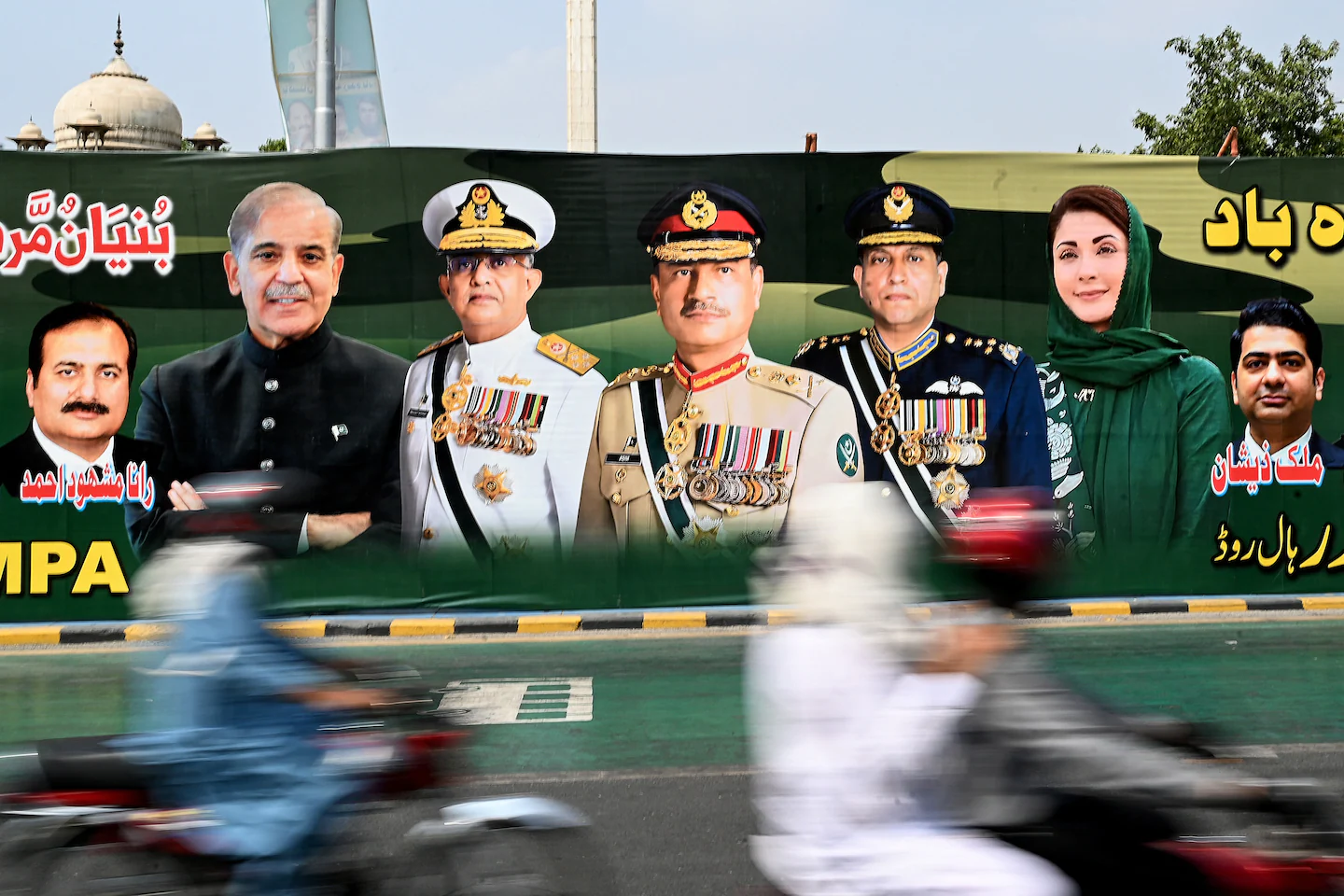
Pakistan's military chief Asim Munir has consolidated unprecedented power through a new position as the chief of all defense forces, centralizing military authority more than any since Musharraf's era, amid sweeping legal changes that strengthen military influence in the country.
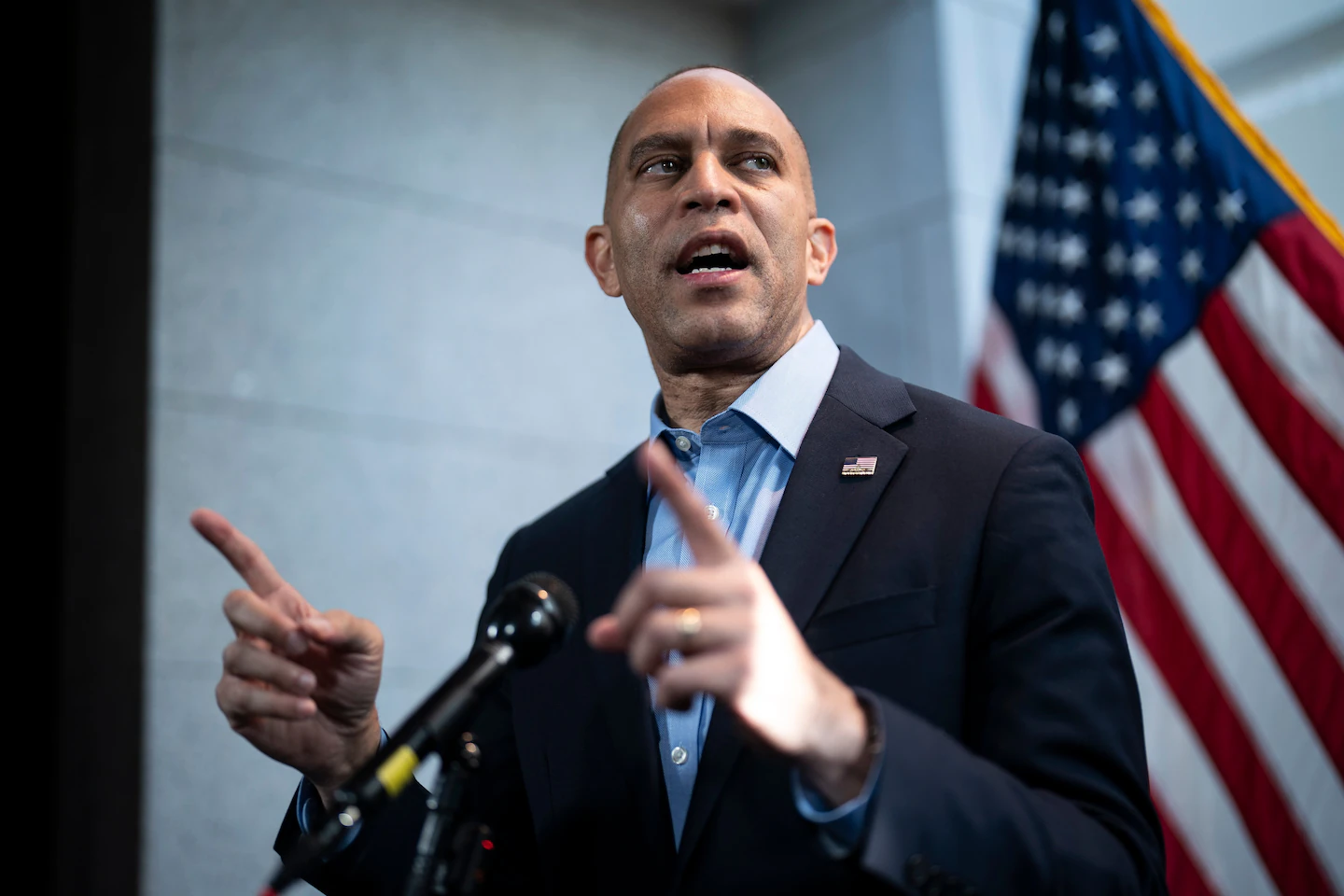
Democrats are adopting a 'ruthlessly pragmatic' approach to counter Trump, exemplified by their firm stance on the shutdown amid his efforts to consolidate power.
The article praises Nancy Pelosi's effective leadership and strategic prowess in the Democratic Party, highlighting her accomplishments and influence, and criticizes the current lack of strong leadership and clear direction within the party after her departure.
The article examines how Dick Cheney's aggressive pursuit of presidential power and his disdain for constitutional checks helped shape the modern presidency, ultimately paving the way for Donald Trump's rise and approach to governance, despite Cheney's later opposition to Trump.
The article advocates for Democrats to restore the White House to its pre-Trump state as a fundamental act of self-governance and highlights the significance of the October 18 protests, which demonstrated substantial peaceful public power against Trump-era changes and potential future attempts to extend Trump's presidency.
Dr. Vonda Wright's book emphasizes that women can age with power by focusing on mindset, hormone health, proper nutrition, strength training, and mental resilience, challenging the anti-aging narrative and promoting a proactive approach to living longer and better.
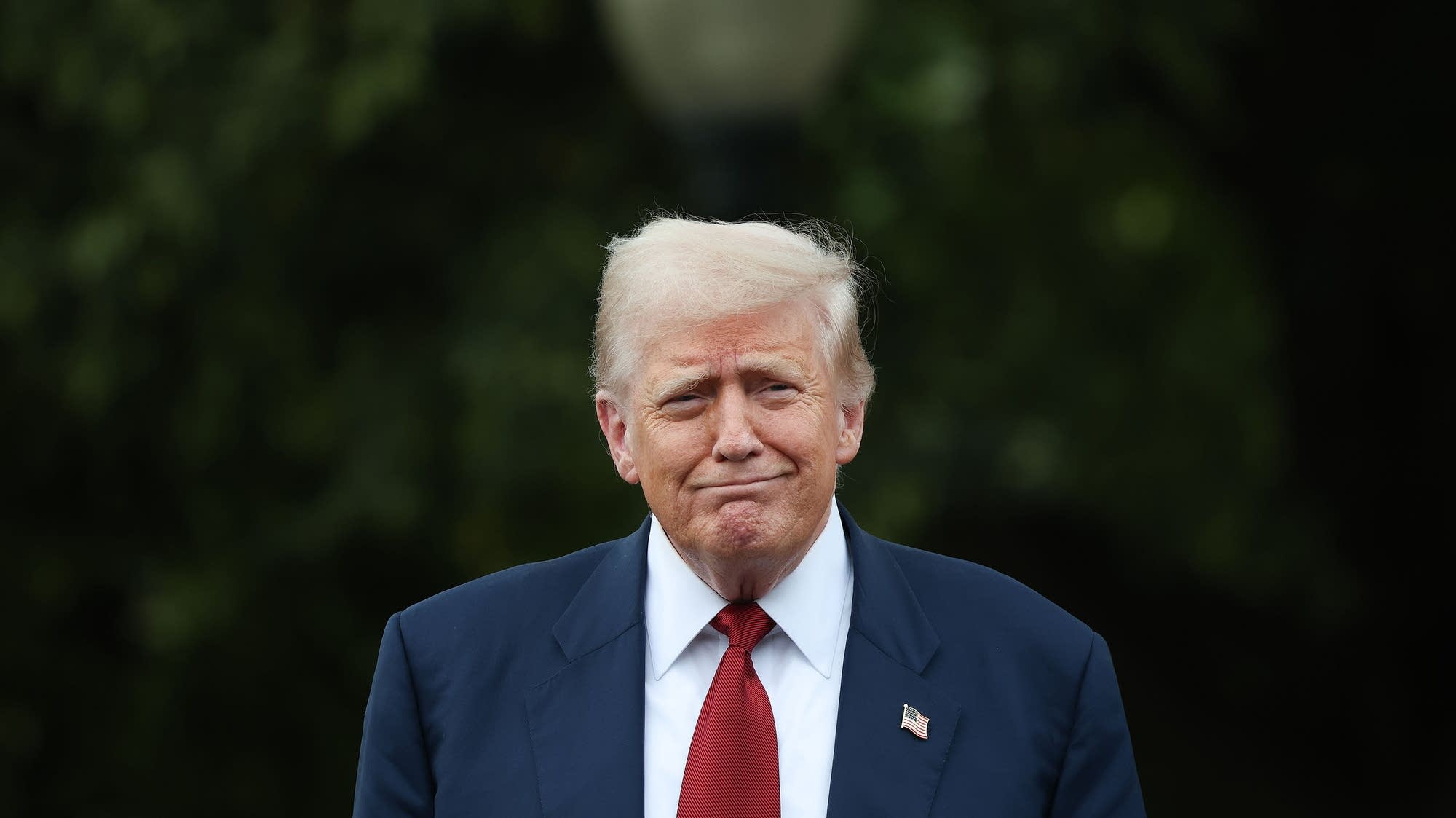
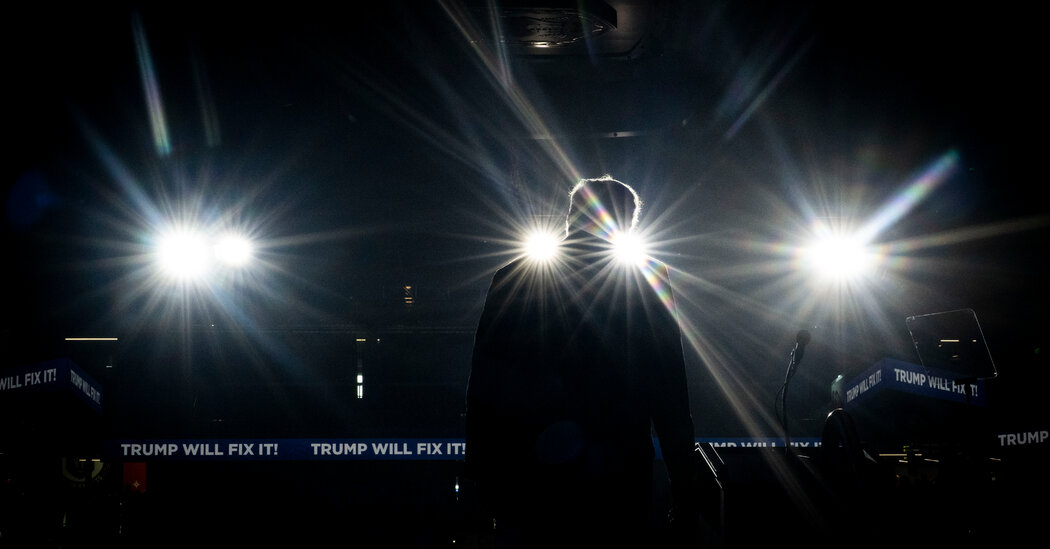
The article discusses how former President Donald Trump is fulfilling his campaign promise of using government powers for revenge against his critics and opponents, including investigations, legal actions, military deployments, and targeting institutions, raising concerns about unprecedented abuse of power in American history.
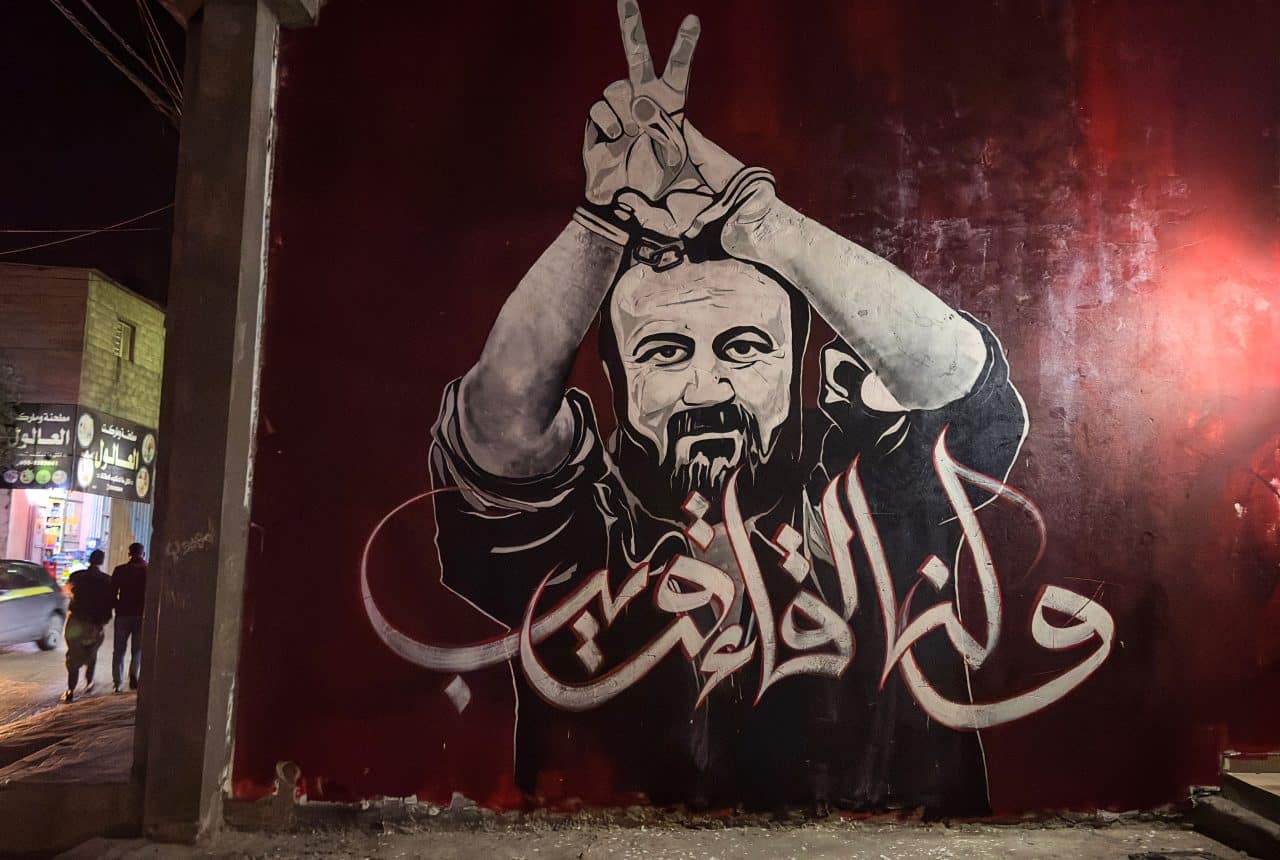
The article analyzes Israeli National Security Minister Itamar Ben-Gvir's staged act of humiliation against Palestinian leader Marwan Barghouti, framing it as part of a broader pattern of political spectacle and psychological domination rooted in a need for affirmation and control. It discusses how such acts serve to reinforce Israeli power, reflect settler colonial psychology, and are supported by global indifference, while also exploring Palestinian responses of resilience and resistance amidst ongoing violence and degradation.
The article discusses how the GOP is likely to benefit from the midterm map fight, which could help them maintain power, despite Democrats' efforts to counter Trump's push for more red seats.
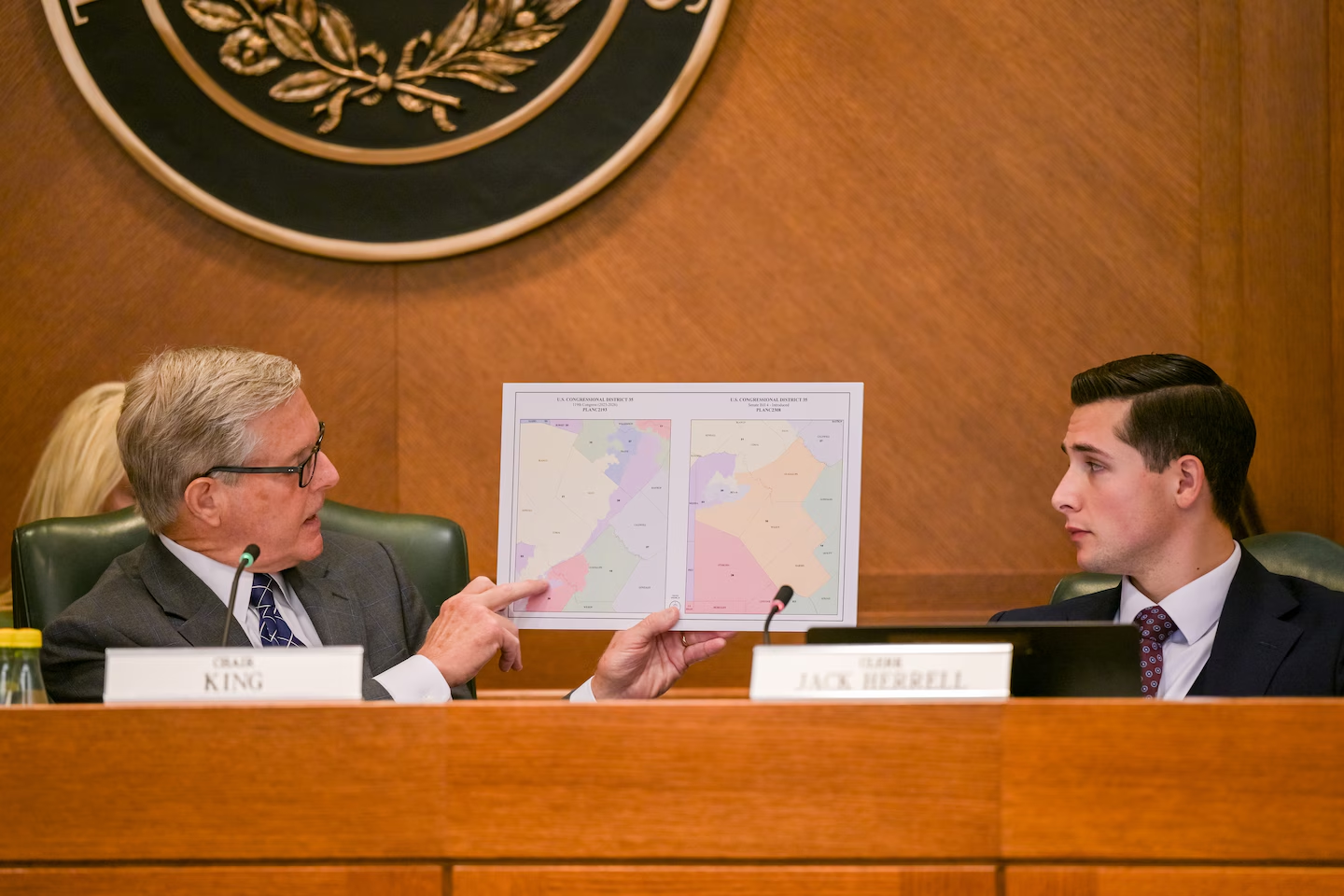
The Texas GOP has significantly increased its power, using legal and political strategies to suppress Democratic opposition, including efforts to remove Democratic lawmakers and redraw districts to favor Republicans, reflecting a deepening polarization and the influence of Trump-era politics in the state.
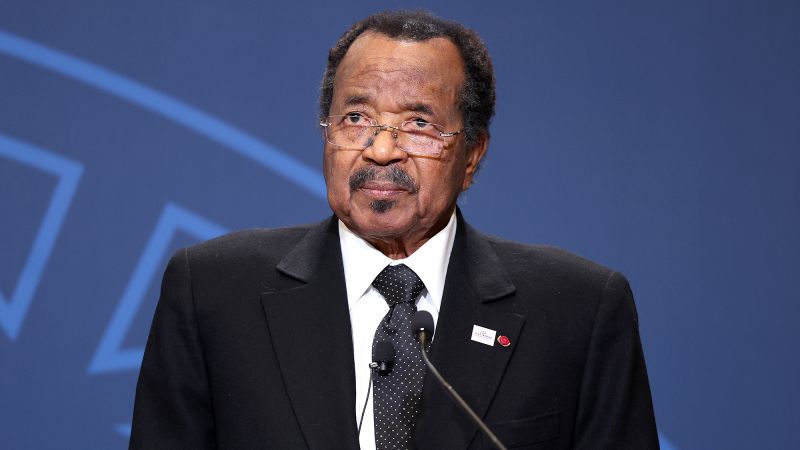
Cameroon's 92-year-old President Paul Biya, in power for nearly 43 years, has announced a bid for re-election in October, potentially extending his rule until nearly his 100th birthday despite concerns about his health and questions about the opposition's ability to challenge him. His long tenure has been marked by allegations of human rights violations and a tightly controlled political landscape.
During a Detroit IndyCar practice, Will Power repeatedly rammed Kyle Kirkwood's car in a bizarre and controversial incident, causing damage and raising safety concerns, with Power offering a non-apologetic explanation and no official action taken yet.
The article discusses the potential influence of financial markets on Donald Trump's political power, examining how economic policies and market reactions could impact his administration's decisions and authority.
The "100 Most Powerful People in Business" list highlights influential leaders across 40 industries, emphasizing that power is not solely defined by revenue or seniority. It includes CEOs, founders, disrupters, and innovators whose actions and words significantly impact others. The list excludes inactive billionaires, politicians, and second-in-command figures, focusing instead on those actively shaping the business landscape.
The article discusses former President Donald Trump's efforts to integrate Christian values and influence into various aspects of American life and government. It highlights his ambition to strengthen the role of Christianity in public policy and governance, reflecting a broader trend of religious influence in U.S. politics.