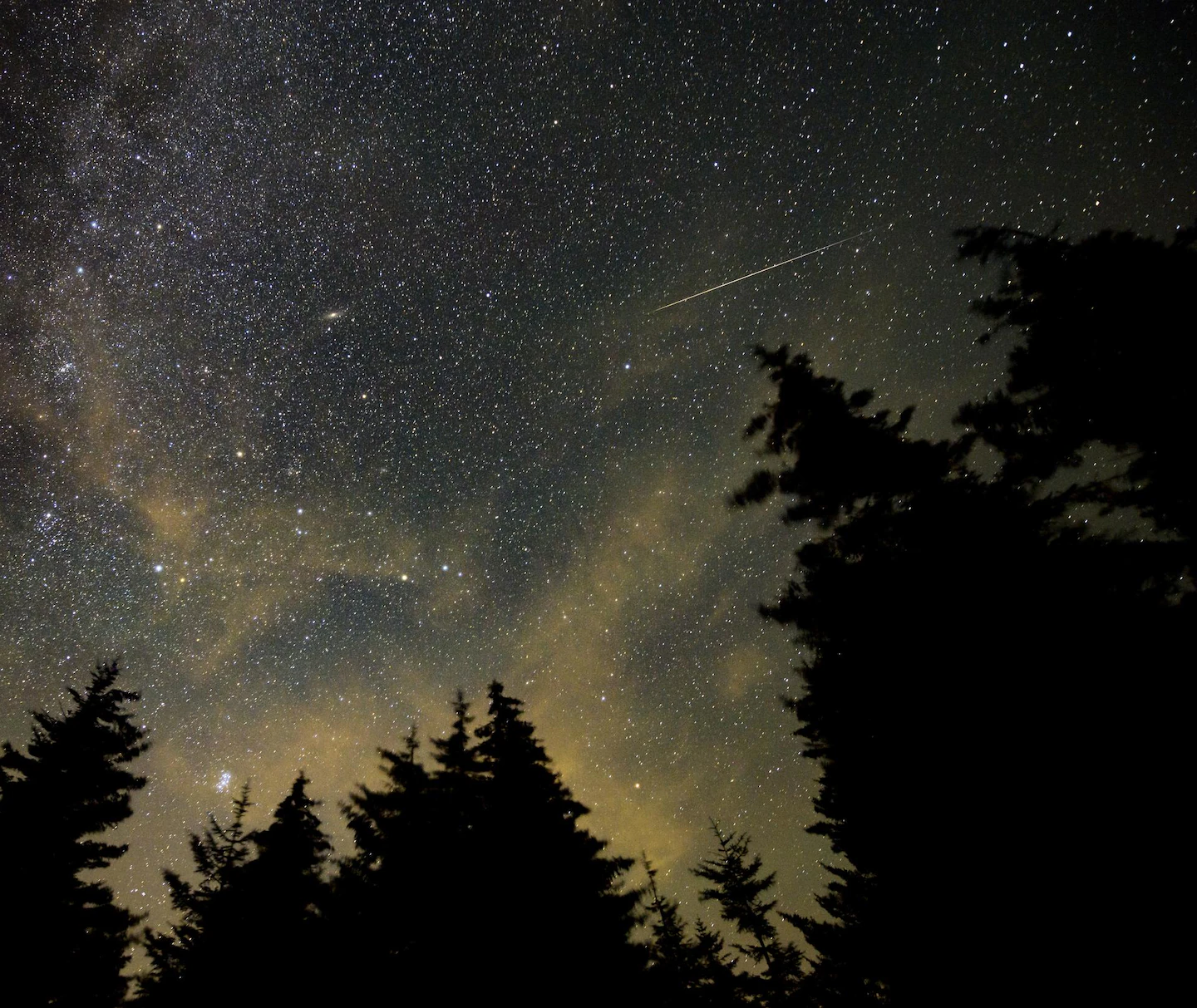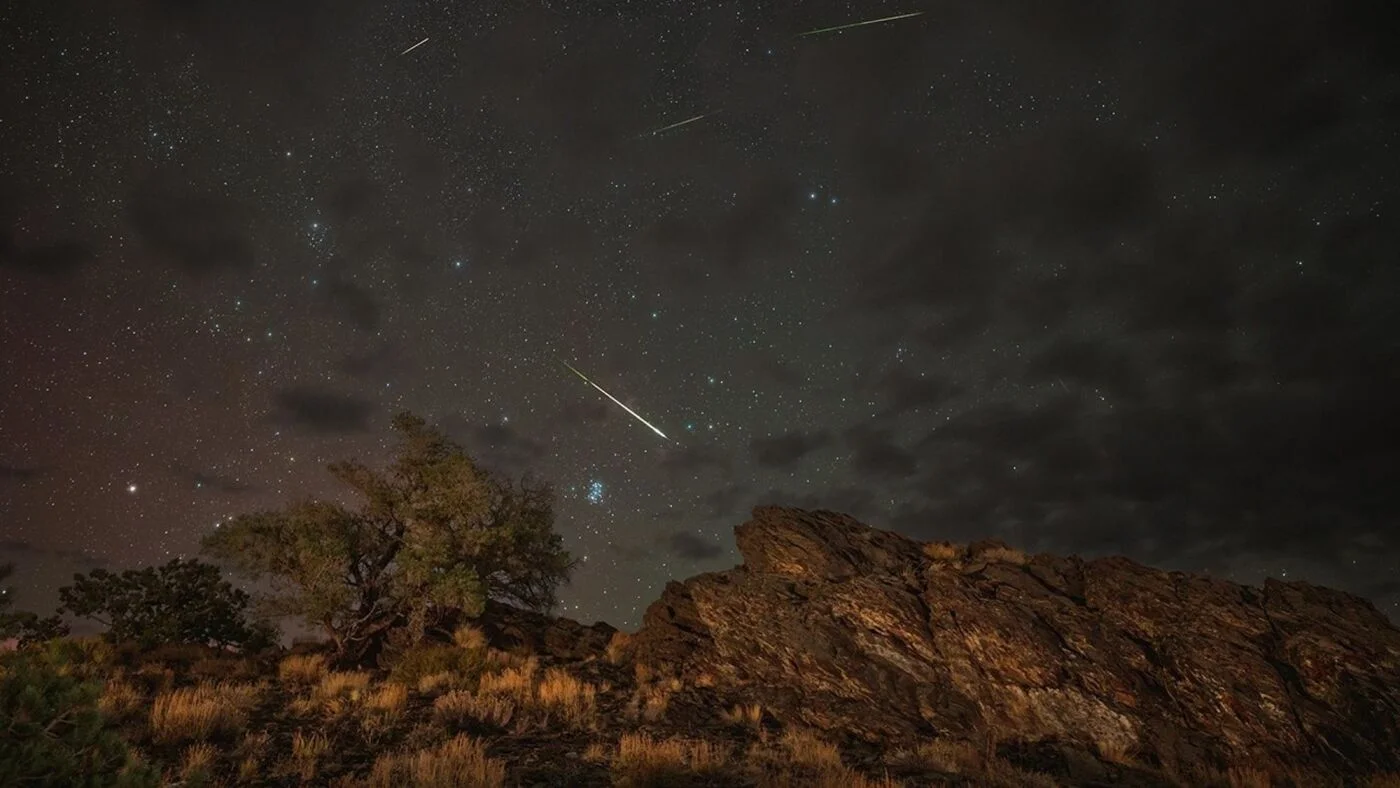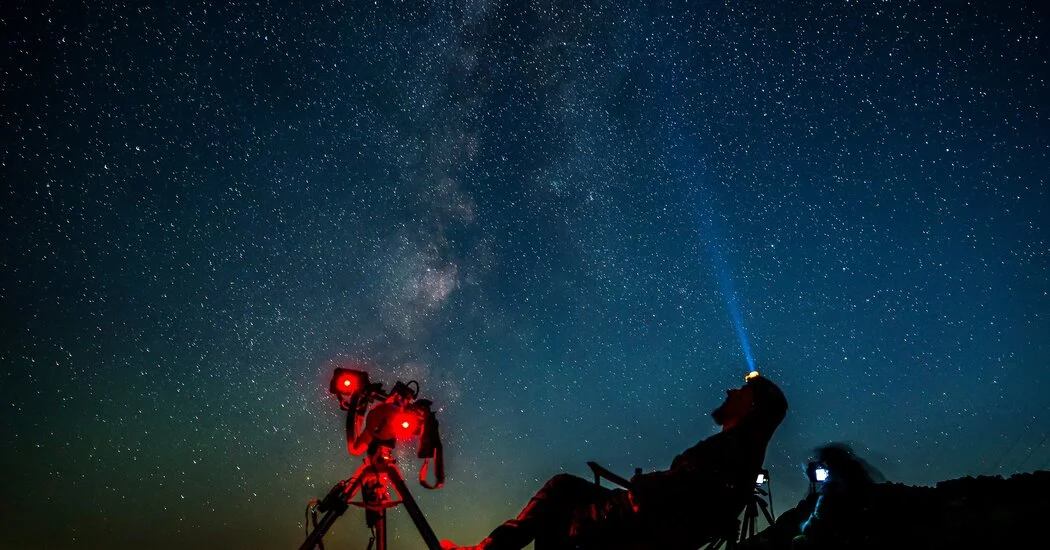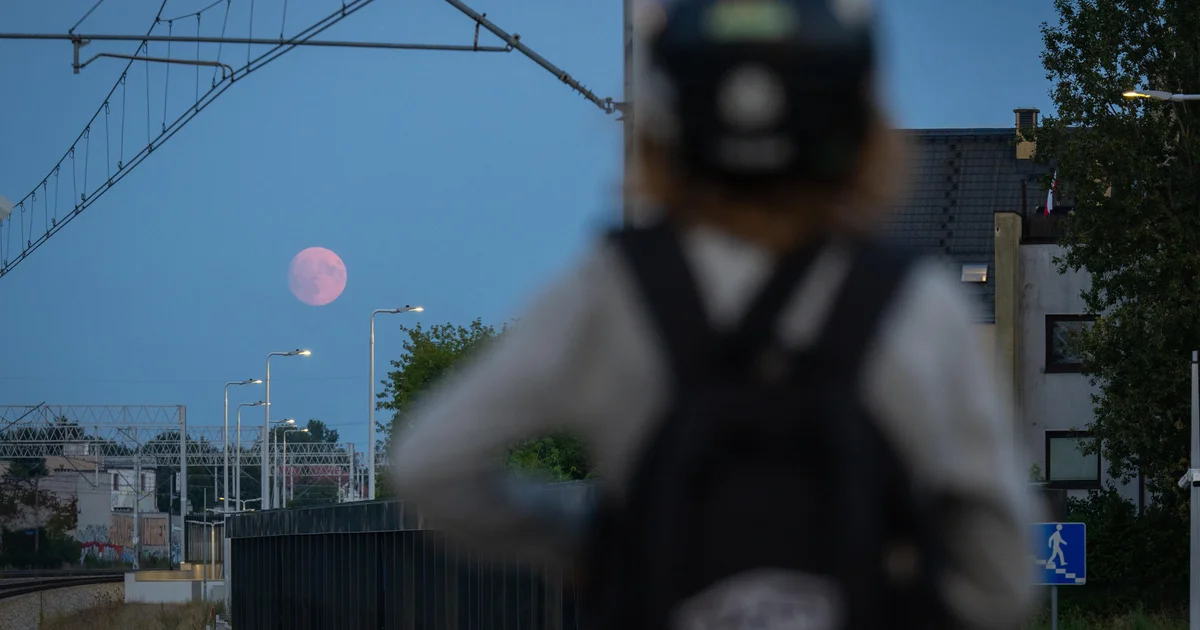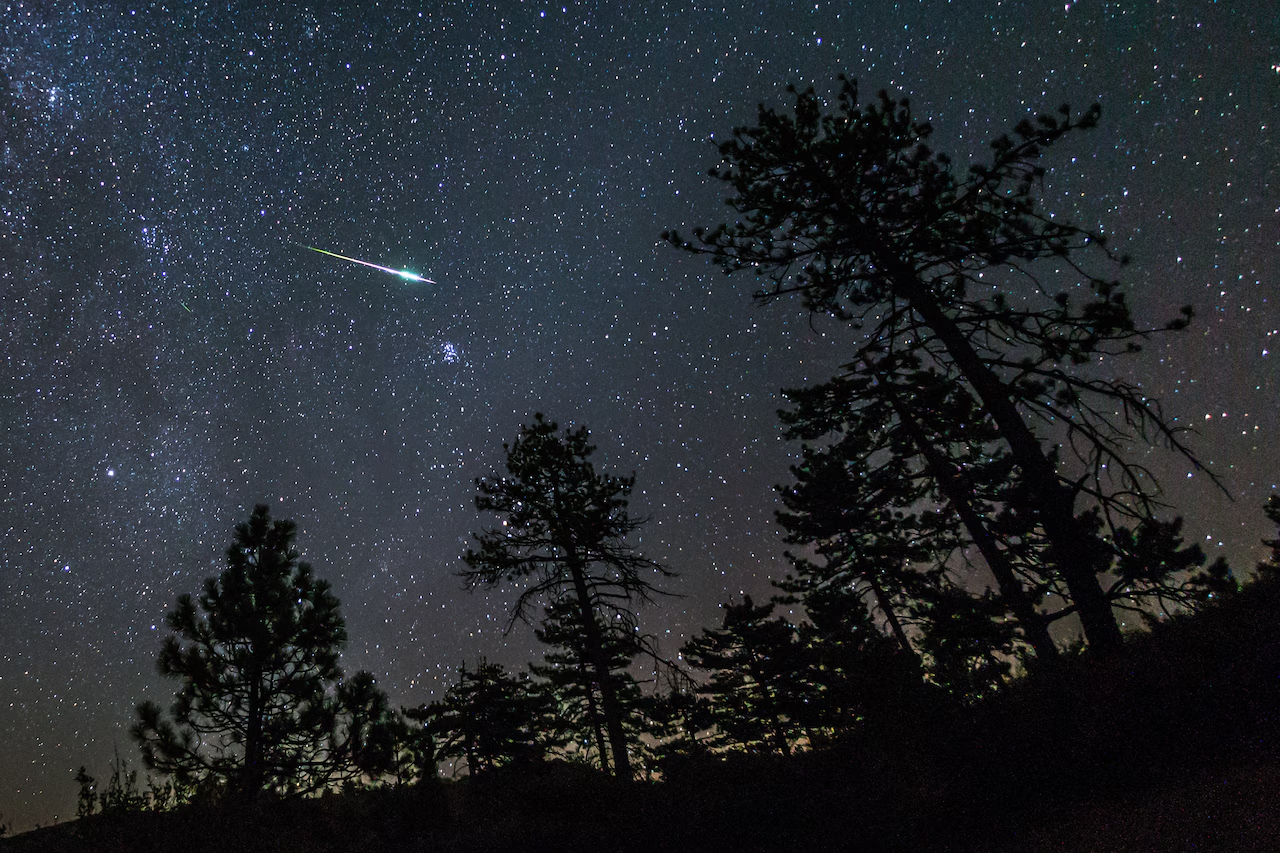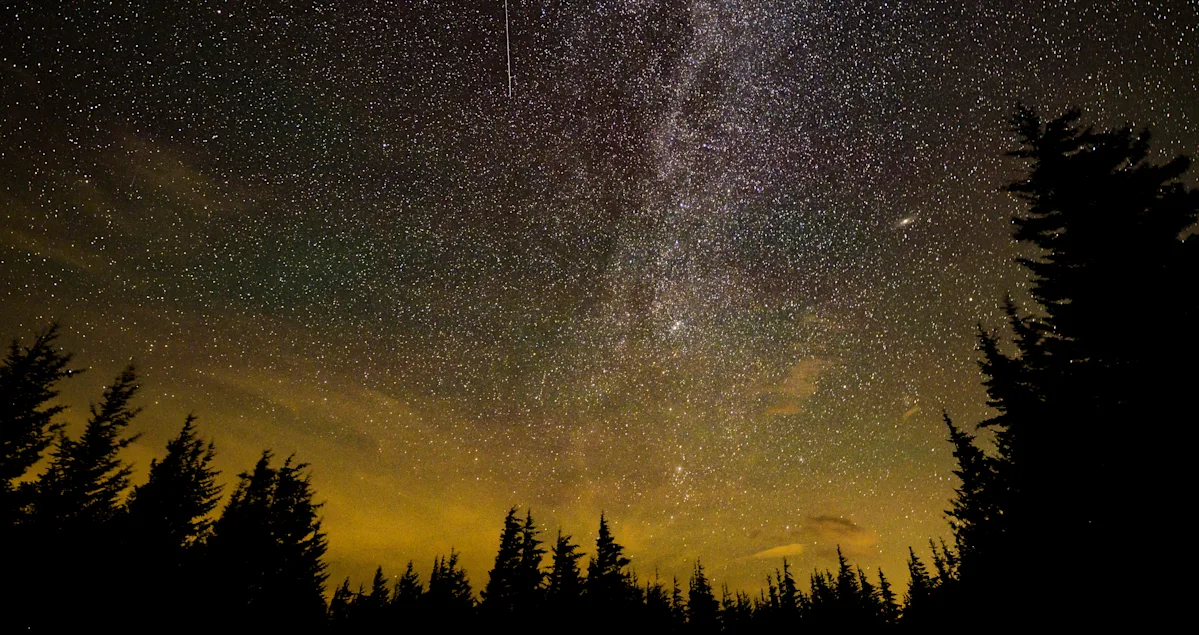
The Perseids meteor shower, considered the best of the year, peaks tonight into Wednesday morning with up to 100 meteors per hour visible in dark skies, despite moonlight interference, offering a spectacular celestial display for viewers in the Northern Hemisphere.
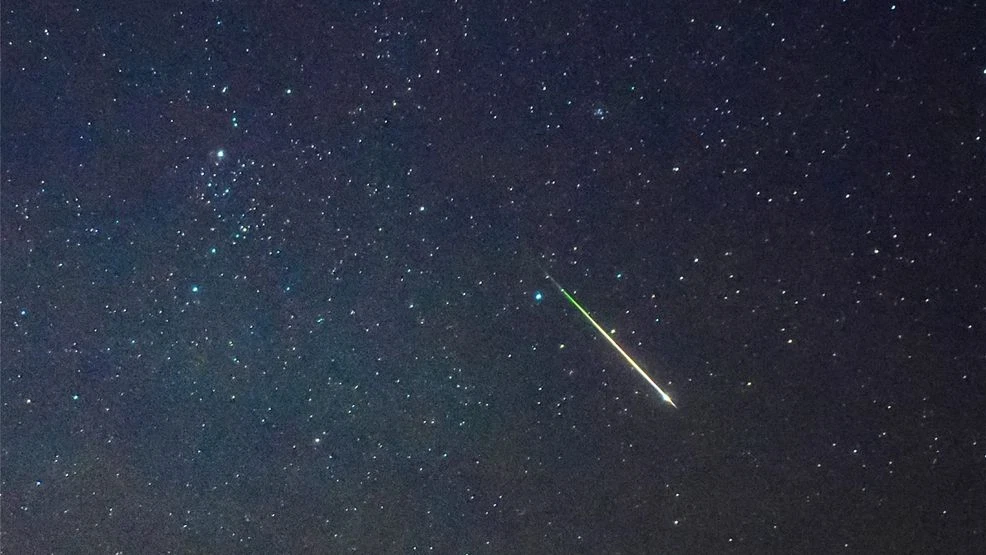
The Perseids meteor shower peaks early Wednesday, offering a spectacular display of 10-20 meteors per hour due to a bright moon, with Venus and Jupiter appearing close in the sky; best viewing is a week later when the moon's brightness diminishes.
The Perseids, considered the year's best meteor shower, will peak from late Tuesday night into Wednesday dawn, offering a spectacular display of bright, multicolored meteors despite the full moon's brightness, with optimal viewing in the western U.S. and other favorable regions, and the event is caused by debris from Comet Swift-Tuttle.
The Perseids meteor shower will peak next week but will be less visible due to a full moon, which may wash out the view. Best viewing is before dawn, especially in the Northern Hemisphere, but patience and proper positioning are recommended. The meteors originate from the Swift-Tuttle comet and are most popular in summer because of the favorable weather conditions.
The Perseids, the strongest summer meteor shower, peaks on August 12-13, offering up to 100 streaks per hour, best viewed from dark skies in the Northern Hemisphere between midnight and sunrise, despite moonlight interference. Observers should use their naked eyes, find dark areas away from light pollution, and dress warmly for optimal viewing.
The Perseids meteor shower will peak on August 12-13, 2025, but a bright 84% full moon is expected to significantly reduce visibility, allowing viewers to see only the brightest meteors and decreasing the expected activity from about 50 to 10-20 meteors per hour. Viewing is best in dark, rural areas before dawn, and the shower has been ongoing since mid-July, continuing until August 23.
The Perseid meteor shower, known for bright fireballs and long-lasting meteors, is currently active and reaching its peak around August 12-13, offering a spectacular skywatching opportunity until August 23, with the best viewing before dawn.
The Perseids meteor shower, active from July 17 to August 23 and peaking on August 12-13, offers a spectacular display of bright meteors and fireballs, especially for those away from city lights. Originating from the Swift-Tuttle comet, the shower can produce up to 100 meteors per hour at its peak, though moonlight may reduce visibility. Best viewed by looking east towards Perseus, the event is a highlight of the summer sky-watching calendar.
August offers excellent stargazing opportunities in NYC, highlighted by the Perseids meteor shower peaking on August 12, along with visible constellations like the Summer Triangle and bright stars such as Antares, with the Milky Way visible overhead on clear nights.
The 2025 Perseids meteor shower, occurring from July 17 to August 24 with peak activity on the night of August 12/13, offers a spectacular display of up to 100 meteors per hour under ideal conditions. Best viewed from dark, open areas away from light pollution, the shower's visibility can be enhanced by dark adaptation and avoiding moonlight interference, as the Moon will be nearly full during the peak. Observers are encouraged to look straight up, find the constellation Perseus, and enjoy the show with proper preparation.
Late July offers a spectacular opportunity for stargazers to observe three meteor showers—the Alpha Capricornids, Southern Delta Aquariids, and Perseids—especially with the moon setting early, providing dark skies for optimal viewing, with peak activity around July 30 for the first two and mid-August for the Perseids.
Three active meteor showers—Southern Delta Aquariids, Alpha Capricornids, and Perseids—are lighting up the sky in late July, offering excellent opportunities for summer skywatching, especially around their peak nights on July 29-30 and August 12-13, with the Perseids being the most prominent.
The Perseids meteor shower, known for bright fireballs and high activity, peaks on August 12-13 with up to 100 meteors per hour, best viewed from dark, rural areas away from city lights, despite the moon's brightness potentially reducing visibility.
The Perseids meteor shower, active from July 17 to August 23 and peaking around August 12-13, offers a spectacular display of bright, swift meteors and fireballs, originating from comet 109P/Swift-Tuttle, with optimal viewing conditions around the new moon on July 24.
The Perseid meteor shower, known for its bright fireballs and high meteor count, is set to peak on August 12-13, offering a spectacular summer sky viewing opportunity without telescopes, originating from debris of Comet Swift-Tuttle.