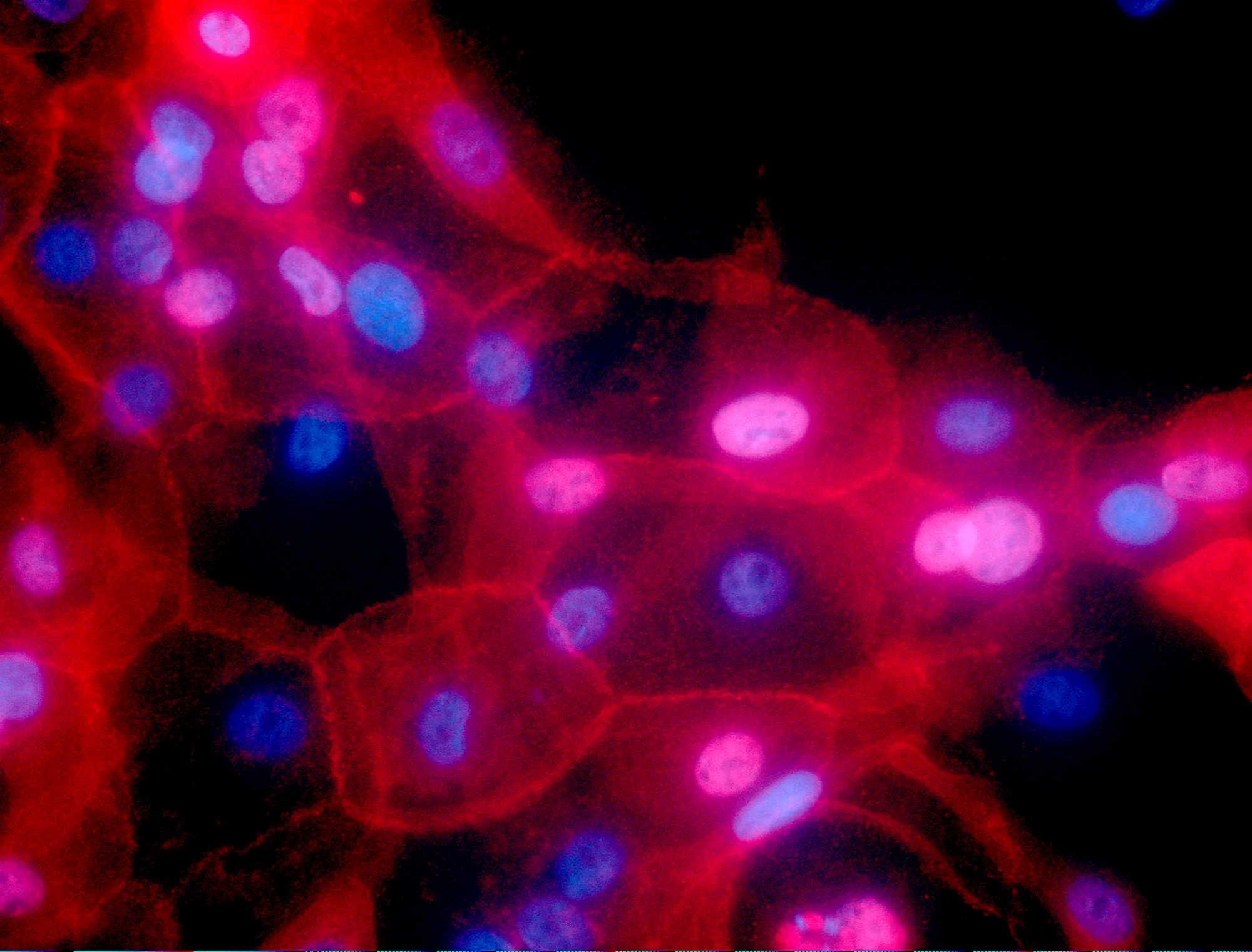
Researchers at the University of Pennsylvania are developing a clinical trial to target dormant 'sleeper cells' in breast cancer patients, aiming to prevent cancer recurrence. The trial has shown promising results, with most patients not experiencing a return of cancer after seven years, offering hope for improved treatment strategies.
Researchers at Penn Medicine have developed a test to detect and eliminate dormant breast cancer cells, potentially preventing cancer recurrence. The strategy involves using existing drugs to target these 'sleeper' cells before they become active, with ongoing clinical trials showing promising results, including reduced relapse rates and decreased patient anxiety.
A Swiss man, Luka Kriszanac, who lost his hands and legs at age 12 due to sepsis, successfully received a double hand transplant at Penn Medicine after a 17-year wait, demonstrating a significant medical breakthrough in vascularized composite allotransplantation and highlighting the lifelong relationship between patients and their medical teams.
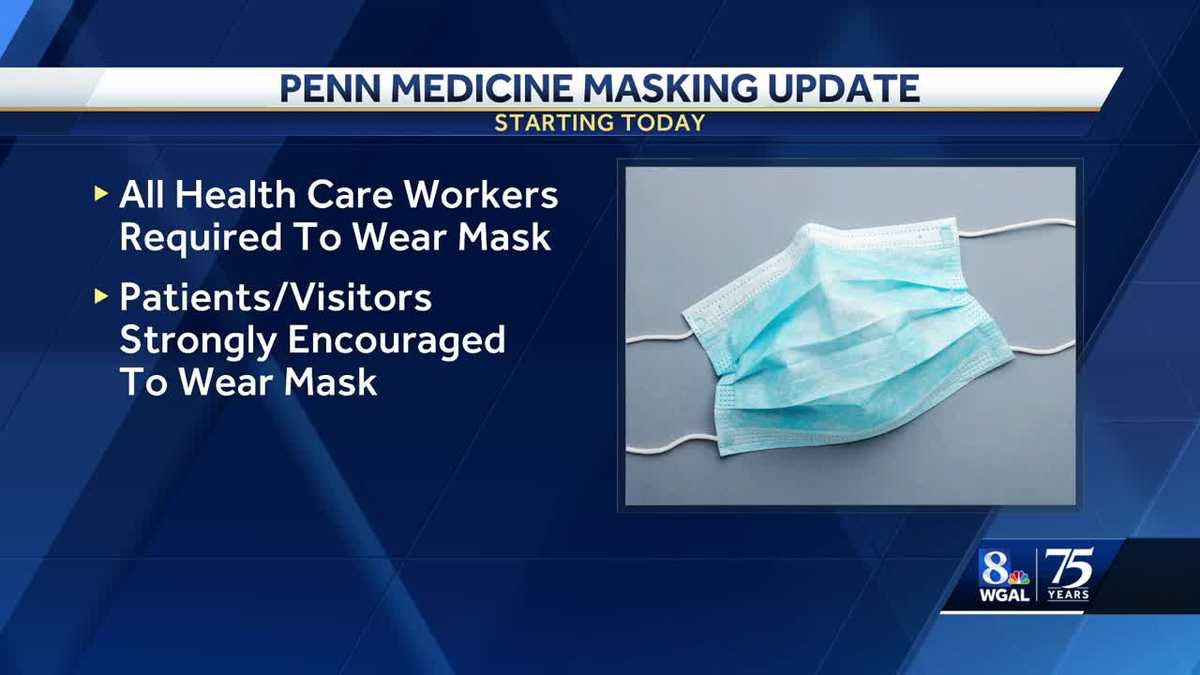
Penn Medicine in Lancaster County has implemented new masking guidelines due to a surge in COVID-19 and flu cases. All healthcare workers are required to wear masks, while patients and visitors are strongly encouraged to do so. Exceptions are made for those who have tested positive for COVID-19 or have symptoms, and masking is mandatory for patients and visitors over the age of two in specific areas. The increase in flu and COVID-19 cases has prompted this policy change, with the state expecting updated case counts soon.
Penn Medicine is updating its masking guidelines in response to the increasing cases of COVID-19, RSV, and flu, requiring everyone two and older to wear a mask in certain departments and prohibiting visitors who have tested positive for COVID-19 or have symptoms from entering any facility, even with a mask. Other health systems in the region, such as Main Line Health and Cooper University Health Care, have also revised their mask policies due to the surge in cases.
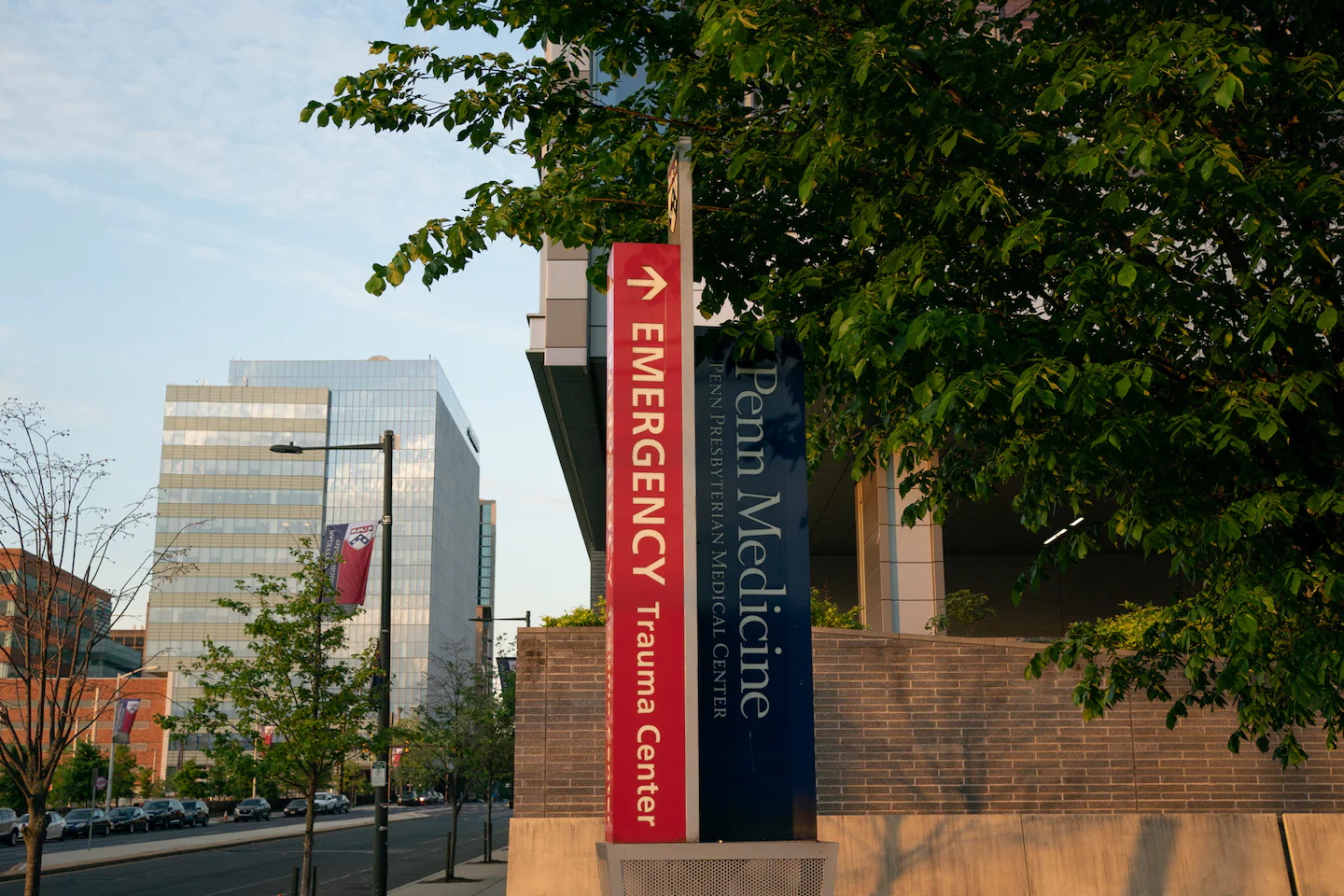
The University of Pennsylvania Health System, part of Penn Medicine, has announced that it will no longer participate in the U.S. News & World Report’s annual ranking of hospitals. The decision follows a growing revolt against the lists by prominent schools, including Yale and Harvard law schools and many top medical schools. Penn Medicine officials criticized the ranking’s emphasis on inpatient care of people on Medicare, and the health system will create a public dashboard with more comprehensive data than U.S. News collects.