CNN's Christiane Amanpour announced she is battling a rare form of ovarian cancer for the second time, now in remission thanks to immunotherapy, and emphasized the importance of early detection and listening to one's body.
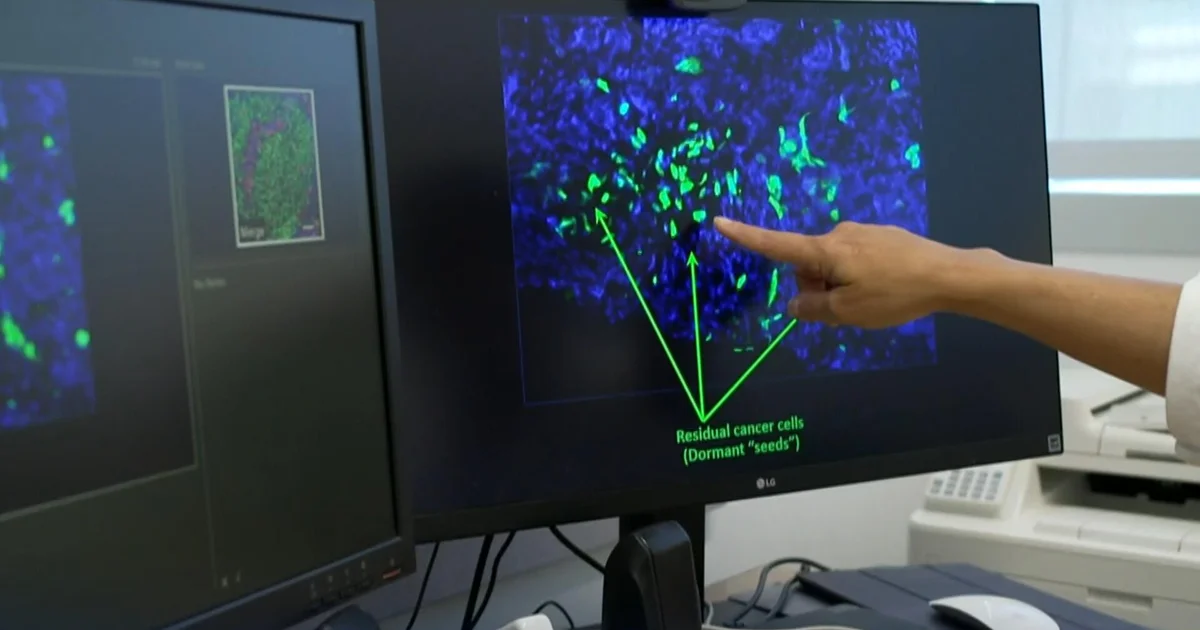
Researchers at the University of Pennsylvania are developing a clinical trial to target dormant 'sleeper cells' in breast cancer patients, aiming to prevent cancer recurrence. The trial has shown promising results, with most patients not experiencing a return of cancer after seven years, offering hope for improved treatment strategies.
A low dose of aspirin daily may significantly reduce the risk of colorectal cancer returning in patients with specific genetic mutations, according to a new clinical trial, offering a cheap and accessible potential treatment option.
A clinical trial by the Karolinska Institute found that daily aspirin reduces the risk of colon cancer recurrence by over 50% in patients with a specific genetic mutation, highlighting its potential as a cost-effective, personalized treatment option.
A recent study published in the New England Journal of Medicine shows that structured exercise programs for cancer patients can significantly reduce the risk of cancer recurrence and death, highlighting the importance of incorporating physical activity into cancer treatment and survivorship plans.
A study published in the New England Journal of Medicine found that structured exercise programs for cancer patients significantly reduce the risk of cancer recurrence and death, suggesting that exercise should be integrated into cancer treatment plans to improve outcomes and survival rates.
Tennis legend Chris Evert has announced that her ovarian cancer has returned, two years after her initial diagnosis. Evert underwent robotic surgery after a PET scan revealed cancer cells in her pelvic region, and she will now undergo chemotherapy. She will miss broadcasting the upcoming Australian Open but plans to be ready for the rest of the Grand Slam season. Evert encourages early detection and knowing one's family history, as ovarian cancer is a significant health concern for women.
A 57-year-old man, who had previously overcome non-Hodgkin's lymphoma, experienced fever, rash, and weakness after returning from a trip to Paraguay. Concerned about a possible recurrence, he sought medical attention. Doctors initially suspected an infection, possibly chikungunya fever or dengue, both spread by mosquitoes. However, test results were negative for these diseases. Eventually, a repeat test confirmed that the man had chikungunya fever, which caused lingering aches and fatigue. Despite the infection and his history of cancer, he is now considered healthy.
A study from the University of California Los Angeles suggests that using PSA level recurrence as an indicator of overall survival in prostate cancer patients may not be reliable. While PSA levels are useful in detecting prostate cancer and evaluating risk, the study found that there is a lack of evidence to support the correlation between biochemical recurrence and long-term survivability. The researchers recommend focusing on metastasis-free survival as an endpoint for therapy trials. PSA surveillance remains an important tool, but further research is needed to better understand its utilization and impact on patient outcomes.
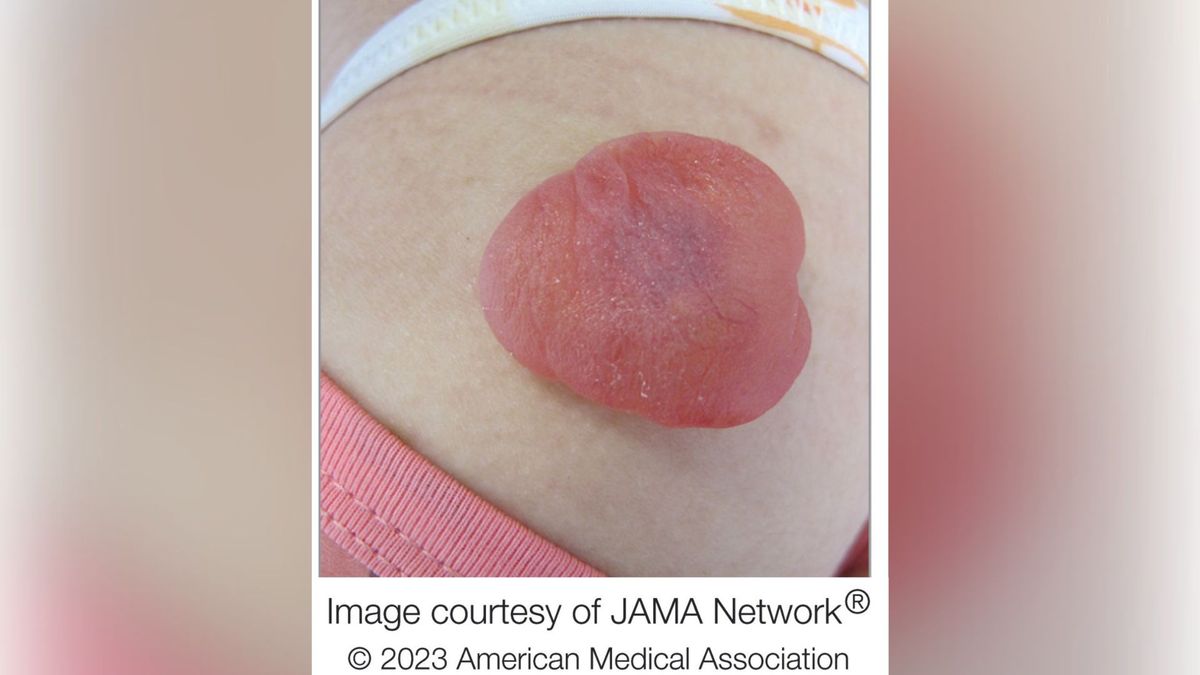
A 16-year-old girl developed a rare type of pilomatricoma, a benign tumor that typically grows on the head or neck, on her shoulder. The tumor, known as a "bullous pilomatricoma," appeared as a red lump and grew to cover an area of about 5.5 square inches. It oozed a jellylike substance when punctured. The cause of this type of tumor is unknown, but two theories suggest that lymph buildup or the release of enzymes near the tumor may contribute to its bulbous appearance. The tumor was surgically removed, and there has been no recurrence after one year of follow-up.
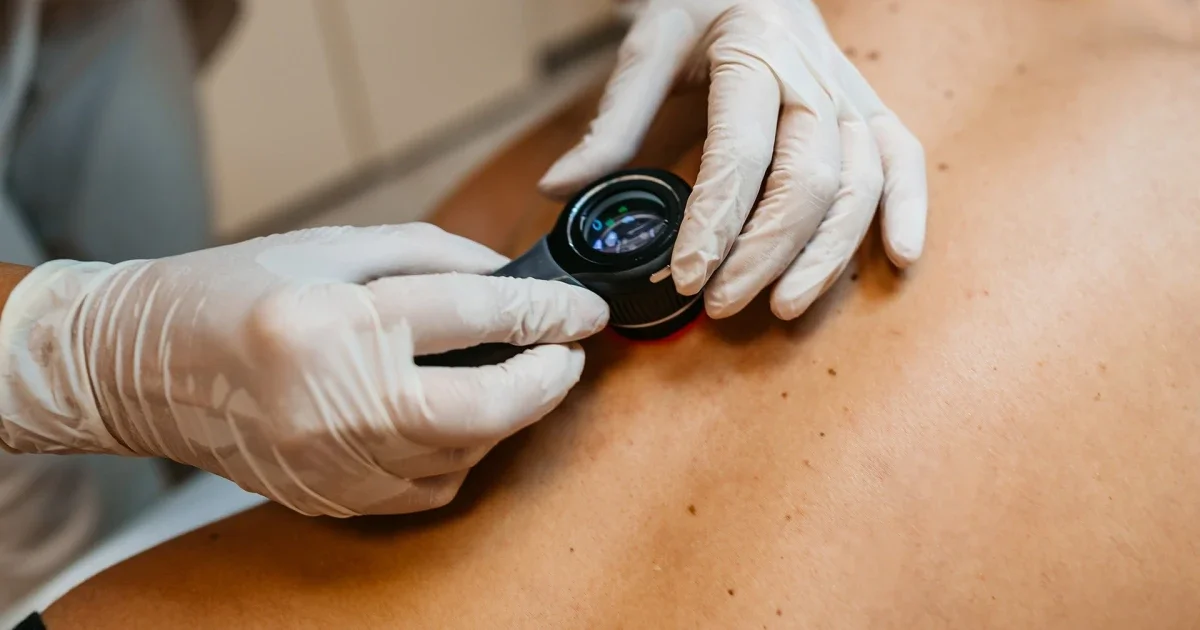
A vaccine trial for melanoma appears to reduce the recurrence of skin cancer, according to a study published in the journal Nature Medicine. The vaccine, which uses immunotherapy to stimulate the immune system to attack cancer cells, was tested on 120 patients who had undergone surgery to remove melanoma. The trial found that the vaccine reduced the risk of recurrence by 30% compared to a control group. The researchers hope that the vaccine could eventually be used to prevent the spread of melanoma to other parts of the body.