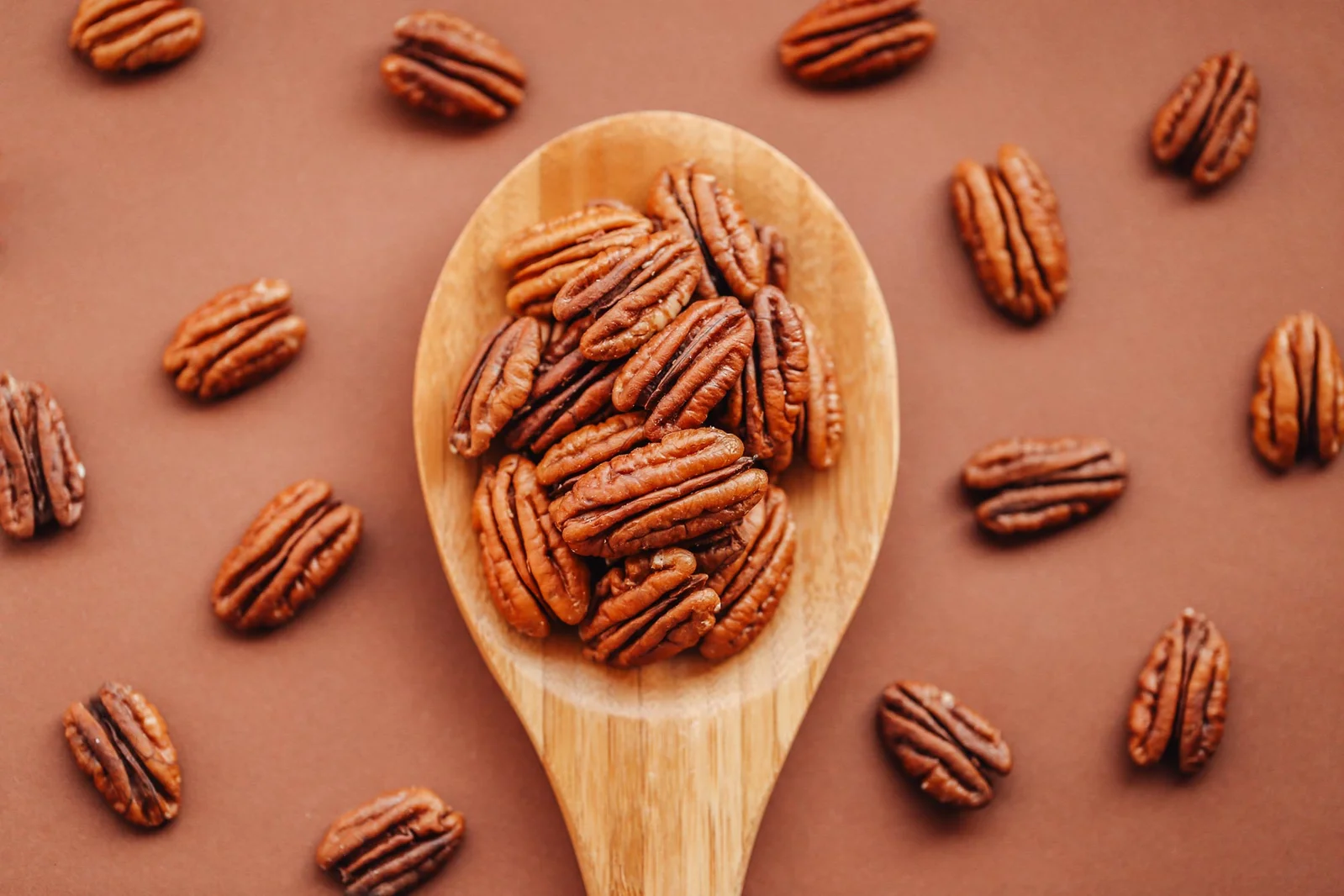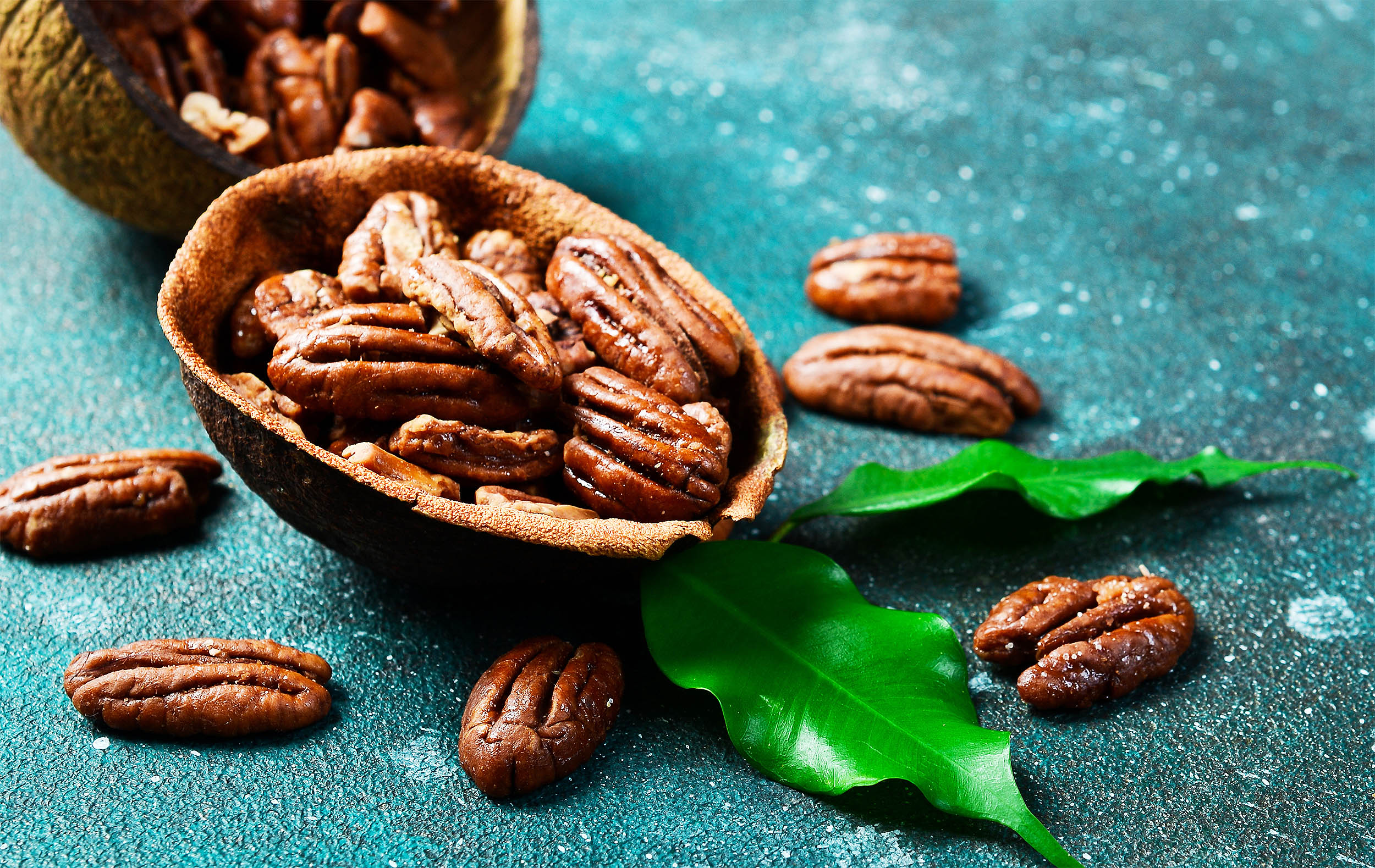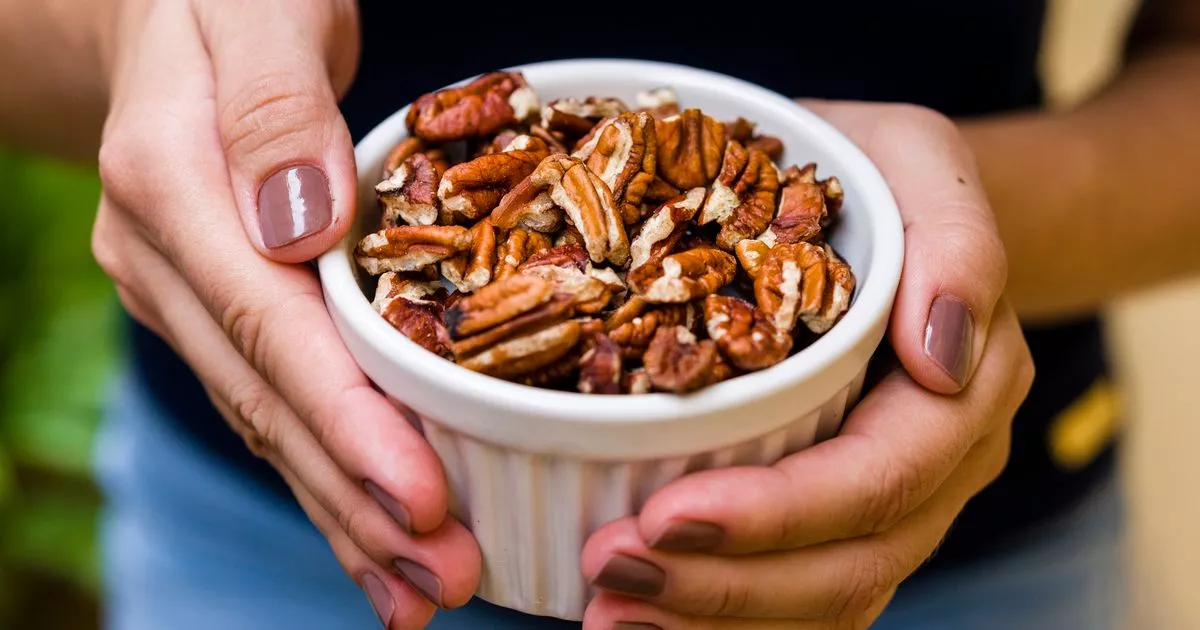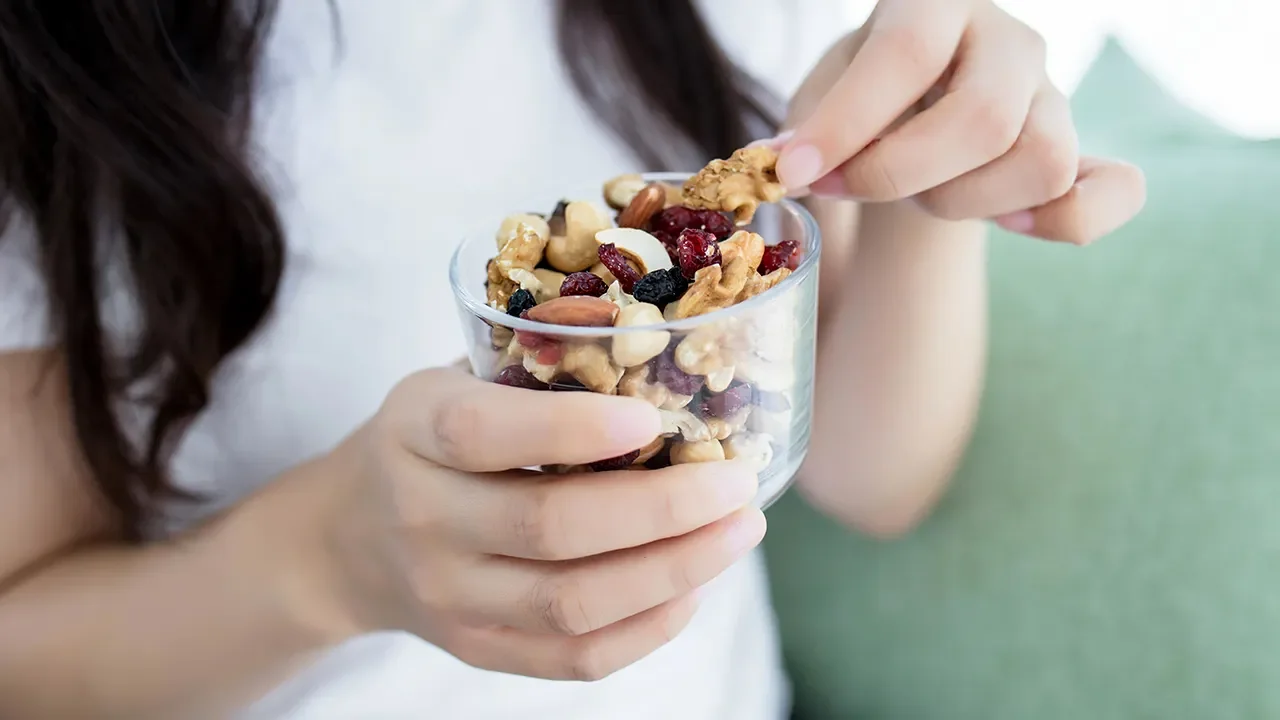
Eating pecans as a snack can lower cholesterol levels and improve overall diet quality, potentially reducing heart disease risk, according to a study from Penn State. Participants who replaced their usual snacks with pecans showed better cholesterol measurements and diet adherence, highlighting the benefits of polyphenol-rich foods like nuts, fruits, and vegetables for cardiovascular health.
A clinical trial found that eating two ounces of pecans daily for twelve weeks can modestly lower total cholesterol and LDL levels, potentially reducing cardiovascular risk. Pecans are rich in monounsaturated fats, polyphenols, and magnesium, which contribute to improved lipid profiles and overall heart health. Incorporating pecans as a snack replacement can be a simple, tasty way to support a heart-healthy diet, though portion control is important for weight management.
Eating around 57g of pecans daily for 12 weeks can help lower total cholesterol and 'bad' LDL cholesterol levels, supporting heart health. The study also notes that pecans are rich in healthy fats, fiber, vitamins, and minerals, making them a beneficial snack for managing cholesterol when consumed in moderation, despite potential weight gain concerns.
A new mouse study suggests that consuming pecans may help prevent obesity, diabetes, and inflammation. Mice fed a high-fat diet with pecans gained less weight and showed fewer markers for diabetes compared to those without pecans. The study also found additional benefits such as lower cholesterol, insulin resistance, and inflammation, as well as improved gut health. Pecans are rich in polyunsaturated fats, dietary fiber, and polyphenols, which have antioxidant and anti-inflammatory properties. However, experts caution against overconsumption and emphasize the importance of balanced nutrition.
Regular consumption of pecans has been found to curb obesity and reduce inflammation, according to a recent study. Researchers discovered that pecans increase energy expenditure, reduce dysbiosis, and possess anti-inflammatory properties that combat chronic diseases. The study suggests that pecans could be considered a superfood and utilized in functional foods and dietary supplements. This research provides scientific evidence supporting the nutritional benefits of pecans and highlights their potential in promoting human health.
Pecans are not just a Thanksgiving pie ingredient but a year-round healthy addition to your diet. They are packed with heart-healthy monounsaturated fats, fiber, manganese, copper, and phytonutrients that support gut, metabolic, and immune health. Pecans are also a great source of protein and energy. They can be added to smoothies, oatmeal, salads, glazes, marinades, protein breading, crackers, chicken salad, breads, dips, and baked goods. Pecans are readily available at grocery stores and should be stored in the fridge or freezer for the longest shelf life.
Pecans are not just a Thanksgiving pie ingredient, but a nutrient-dense nut that can be a healthy addition to your diet all year round. Pecans are rich in heart-healthy monounsaturated fats, fiber, manganese, copper, and flavonoids, which can help lower cholesterol levels, reduce inflammation, maintain healthy blood pressure levels, boost gut health, support metabolic health, and maintain a healthy immune system. Pecans can be added to a variety of dishes, including smoothies, salads, glazes, marinades, protein breading, crackers, chicken salad, breads, dips, and baked goods.
Alabama's official state cookie, the Yellowhammer Cookie, was created by a fourth-grader named Mary Claire Cook. The recipe includes pecans, peanut butter, and honey. The idea for a state cookie came from students at Trinity Presbyterian School in Montgomery during their lesson on Alabama history. The bill for the creation of a state cookie passed earlier this month, and on Friday, Cook brought a batch of her cookies to Governor Kay Ivey, who taste-tested them before signing the bill.
Governor Kay Ivey signed House Bill 421 designating the "Yellowhammer Cookie" as the official state cookie of Alabama. The cookie contains pecans and peanuts, both recognized as crops of historical and agricultural significance in Alabama. The recipe was submitted by Mary Claire Cook, a fourth-grader from Montgomery, who collaborated with her grandmother to create the recipe. The bill passed unanimously in both the State House and Senate.