Dr. Roach discusses the effectiveness of PCSK9 inhibitors as alternatives to statins for cholesterol management, especially in those who cannot tolerate statins, and provides insights on treatments for long-term COVID-19 related loss of smell and prurigo nodularis, emphasizing various therapeutic options.
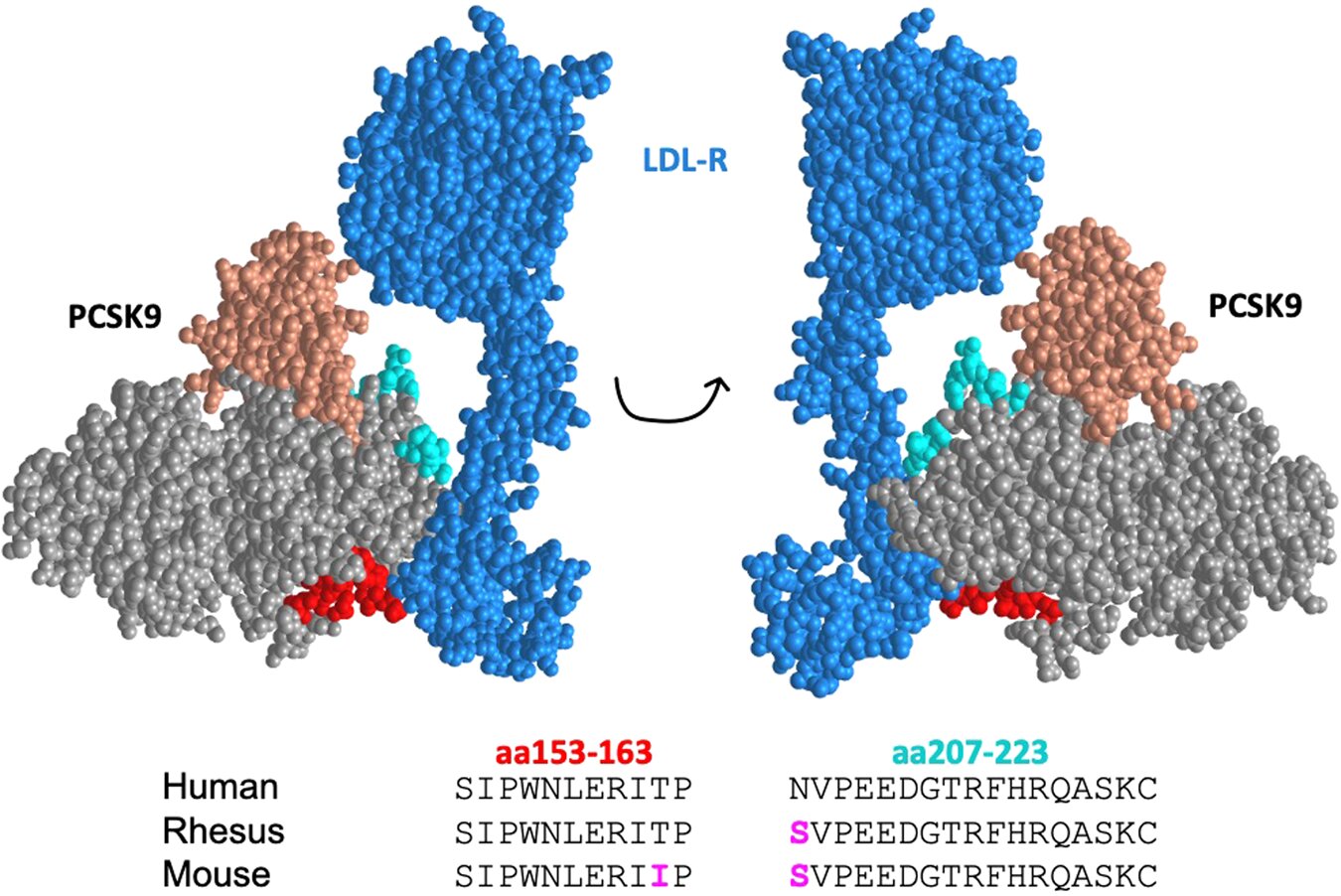
Researchers at The University of New Mexico School of Medicine have developed a vaccine that could lower "bad" LDL cholesterol, which can lead to heart disease and stroke. The vaccine, which targets the PCSK9 protein, has been shown to reduce cholesterol levels by up to 30% in animal studies. The researchers hope to move into vaccine manufacturing and clinical trials with humans in the next few years, with the goal of creating a pure, safe, and affordable vaccine that could have a global impact on heart disease.
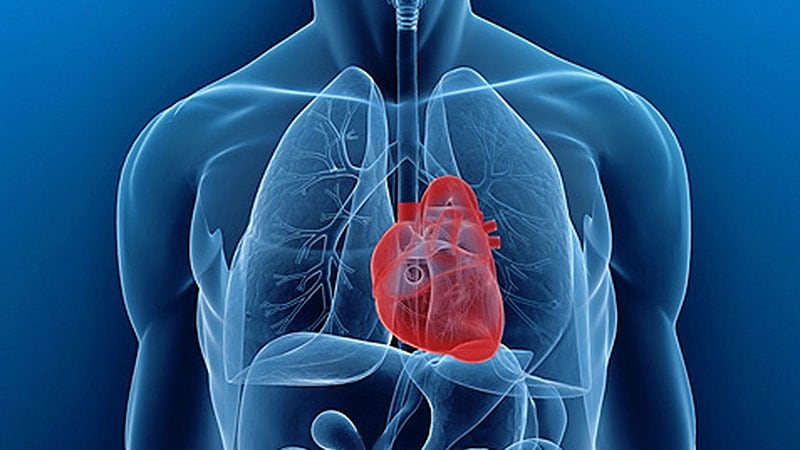
A groundbreaking global study analyzing genetic data from 340,000 UK Biobank participants has found that PCSK9 inhibitors, a new class of cholesterol-lowering drugs, could potentially impair lung function. The study also revealed correlations between statins and higher BMI, body fat, and reduced testosterone, while unexpectedly noting an increase in hippocampus brain volume that may lower dementia and depression risks. Further research is needed to understand the long-term effects of these medications and to assess their safety and potential benefits.
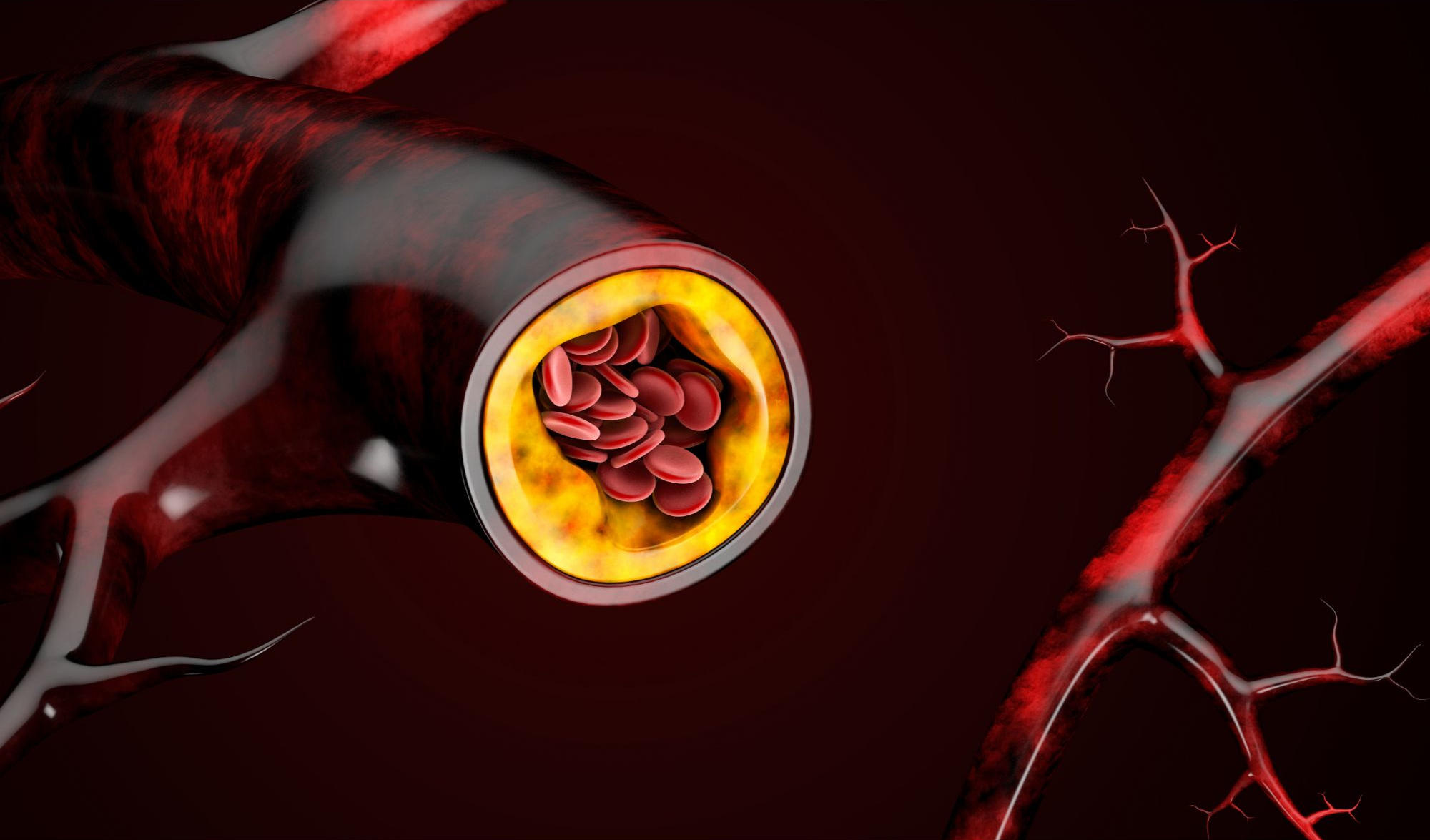
Patients with cardiovascular diseases often have much higher LDL cholesterol levels than recommended in the guidelines, and only a minority of patients receive combination therapy, and PCSK9 inhibitors are rarely prescribed. The recent SANTORINI study once again highlights the need for the intensive application of lipid-lowering drugs. The DA-VINCI study showed a massive discrepancy between the target levels of LDL cholesterol stipulated in the European Society of Cardiology/European Atherosclerosis Society (ESC/EAS) guidelines and the levels achieved in clinical practice.