Tag

Paxlovid

All articles tagged with #paxlovid

health-medicine1 year ago

"Paxlovid's Limited Impact on Vaccinated COVID-19 Patients Revealed in Study"

A study in the New England Journal of Medicine found that the antiviral drug Paxlovid did not significantly reduce symptom duration for fully vaccinated individuals with at least one risk factor for severe COVID-19. The trial included 1,296 participants and showed no significant difference in symptom alleviation between those who took Paxlovid and those who took a placebo. Experts caution that the findings might not apply to older, high-risk populations and suggest that longer-term studies on Paxlovid are needed to assess its potential benefits, particularly for those at highest risk for disease progression.

health-medicine1 year ago

"Paxlovid's Limited Efficacy in Shortening Covid Symptoms for Vaccinated Adults Revealed"

Full trial results published in the New England Journal of Medicine confirm that Pfizer's antiviral drug Paxlovid did not shorten Covid-19 symptoms in vaccinated adults and those at low risk for severe symptoms, despite being marketed as a treatment for the virus. The pill was granted full approval last May to treat mild-to-moderate Covid-19 in adults at high risk for developing severe symptoms.

health-covid-191 year ago

"Paxlovid's Underuse Despite Ability to Reduce Severe COVID-19 Cases"

Paxlovid, an antiviral treatment for COVID-19, is proven to reduce the risk of severe illness and hospitalization, but it is underused due to high cost, doctors' hesitation to prescribe, and concerns about drug interactions. The drug was initially free but now has a list price of $1,390, making it inaccessible for many. Additionally, reimbursement rates and insurance coverage issues are hindering its availability. A study found that Paxlovid was disproportionately given to lower-risk patients, potentially preventing thousands of COVID-19 deaths if properly utilized.

health1 year ago

"Improving Access to Antiviral Drugs for COVID: What You Need to Know"

Access to the COVID-19 antiviral drug Paxlovid should be easier, as it is widely available and affordable. However, some healthcare providers are still reluctant to prescribe it, citing concerns such as "Paxlovid rebound," which studies have shown to be unfounded. Officials urge healthcare providers to prescribe antivirals to eligible patients, especially those at high risk for severe COVID-19. Patients who are declined Paxlovid can seek other healthcare providers or utilize free telehealth services for treatment.

health1 year ago

"Challenges and Disparities in Accessing COVID Antiviral Drugs"

Despite the widespread availability and effectiveness of Paxlovid, many doctors are still reluctant to prescribe it due to outdated concerns about "Paxlovid rebound" and potential side effects. However, officials at both federal and state levels are urging healthcare providers to properly prescribe Paxlovid and other antivirals, especially for high-risk COVID-19 patients, as studies show that early antiviral treatment can reduce the risk of hospitalization and death. Patients who are declined a Paxlovid prescription can seek out other healthcare providers or utilize free telehealth services for access to treatment.

health2 years ago

"Understanding the Controversy: Paxlovid and COVID Treatment"

Pfizer's antiviral medication Paxlovid gained full FDA approval for treating mild to moderate COVID-19 symptoms, with a registered nurse advising that it should be taken within five days of diagnosis or at the onset of symptoms. Patients with certain risk factors, such as organ damage or specific medications, should avoid Paxlovid, and potential side effects include hives, trouble breathing, and increased blood pressure. While vaccination remains crucial, Paxlovid is now commercially available, and Pfizer offers programs for affordable access.

health2 years ago

"Identifying 7 Common COVID Rebound Symptoms for Risk Assessment"

COVID rebound is the recurrence of COVID symptoms after initial improvement or a new positive test after a negative one. It's not exactly clear why it happens, but it's thought to occur three to seven days after an infection resolves. While there's debate about the cause, it's suggested that taking Paxlovid may increase the risk. Symptoms are usually mild, and the illness lasts less than a week. Rebound rates vary, and it's recommended to re-isolate and wear a mask if experiencing rebound symptoms. Despite the risk of rebound, it's still recommended for high-risk individuals to take Paxlovid due to its substantial benefits in preventing severe illness from COVID.

health2 years ago

"Paxlovid: Overcoming Hesitations in COVID Prevention"

Paxlovid, a combination of nirmatrelvir and ritonavir, can reduce the risk of severe COVID-19 symptoms and hospitalizations, but only 15% of eligible individuals have taken it. It should be started within the first five days of symptoms and is for high-risk patients aged 12 and older. Some doctors may not prescribe it due to shortages, unfamiliarity, and concerns about drug interactions. Side effects include temporary nausea and altered taste, and there's conflicting evidence on its effect on long COVID. It's important to consult a healthcare provider if considering Paxlovid and to continue preventive measures such as handwashing and vaccination.

health2 years ago

"Paxlovid: Understanding the Covid Treatment Option"

Paxlovid, an antiviral medication, has been found to significantly reduce the risk of death in high-risk Covid-19 patients. It consists of two medications that work together to stop the virus from replicating in the body. Anyone 12 or older who is considered high-risk, which includes a broad range of conditions, is a good candidate for Paxlovid. Despite its effectiveness, few people are taking the medication, possibly due to lack of awareness or concerns about potential rebound cases of Covid-19.

health2 years ago

"Rising Concerns: JN.1 Variant Impact and COVID-19 Resurgence"

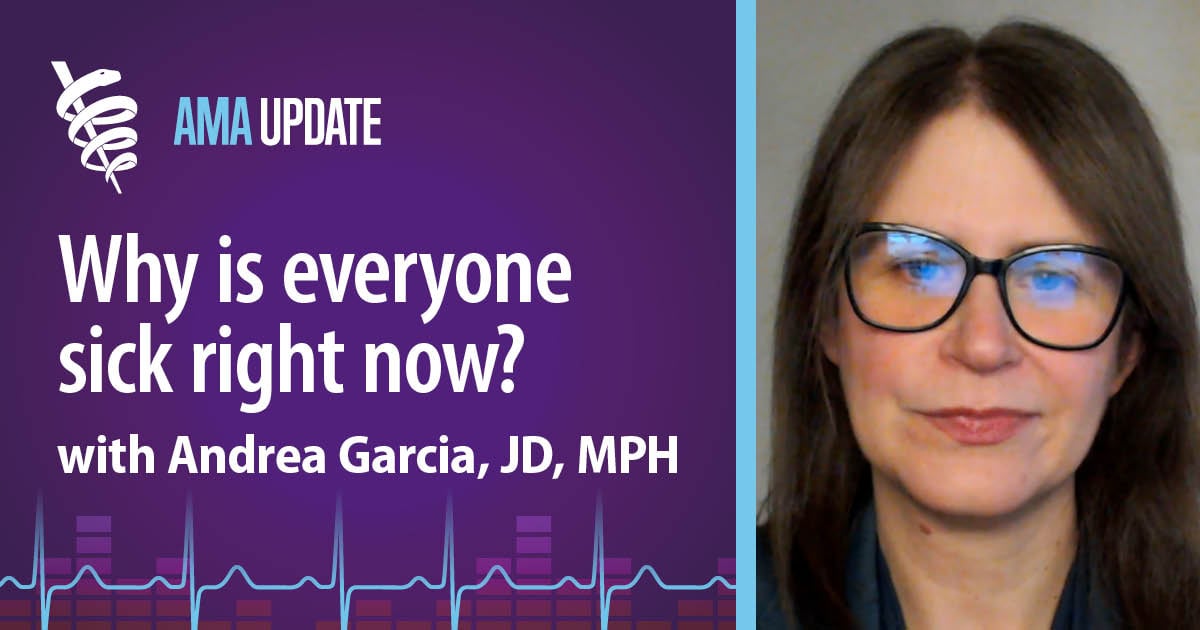
Andrea Garcia, Vice President of Science, Medicine and Public Health at the American Medical Association, discusses the surge in respiratory viruses, including flu, RSV, and COVID, with flu cases expected to peak by the end of the month. The JN.1 COVID variant is responsible for 61% of cases in the U.S., leading to increased hospitalizations and deaths. Low uptake of Paxlovid, despite its effectiveness in preventing deaths and hospitalizations, is a concern, while a study suggests that hydroxychloroquine may have caused nearly 17,000 deaths during the first wave of the pandemic.

health2 years ago

"Understanding Paxlovid: The Antiviral Pill for Preventing COVID Deaths"

Despite its effectiveness in reducing hospitalizations and deaths among high-risk COVID-19 patients, the antiviral drug Paxlovid has seen slow uptake due to concerns about interactions with other medications, minor side effects, and affordability. The medication, a combination of ritonavir and nirmatrelvir, is given in a five-day course and is available by prescription for those aged 12 and older at high risk for severe disease. While the federal government initially provided the drug for free, Pfizer now distributes it at a cost, raising concerns about access for some patients. Despite its potential to prevent hospitalizations and deaths, Paxlovid's slow adoption represents a missed opportunity in the fight against COVID-19.

health2 years ago

"Paxlovid: What Every Age Group Should Know"

Paxlovid, an antiviral drug, has been found to significantly reduce symptoms of COVID-19 and lower the risk of severe illness or death, yet only about 15 percent of eligible people are taking it. Some individuals are hesitant due to concerns about side effects or the risk of "rebound" COVID-19. Experts emphasize the importance of considering Paxlovid, especially for those at higher risk, and address concerns about its use, side effects, and the potential for rebound COVID-19.