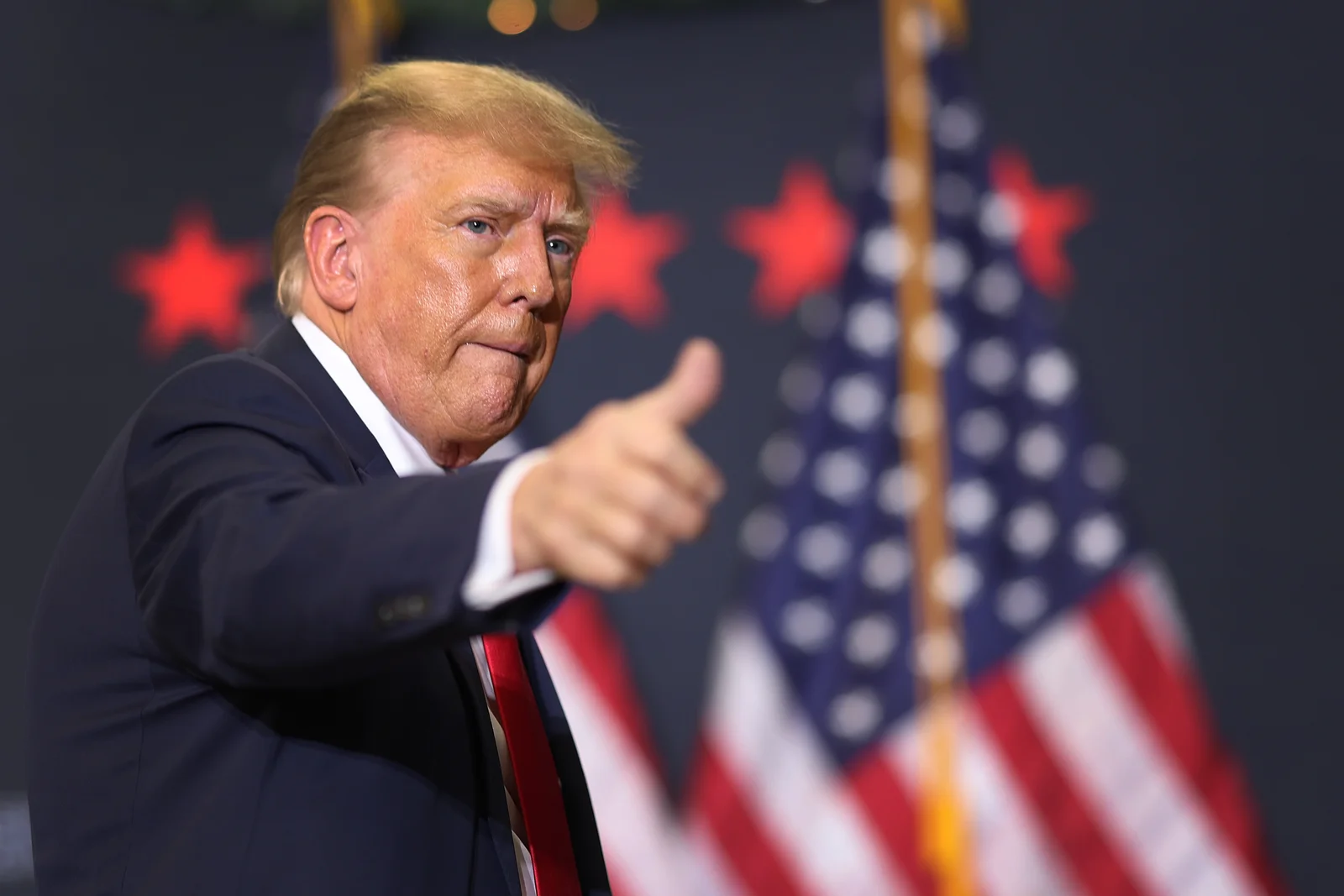
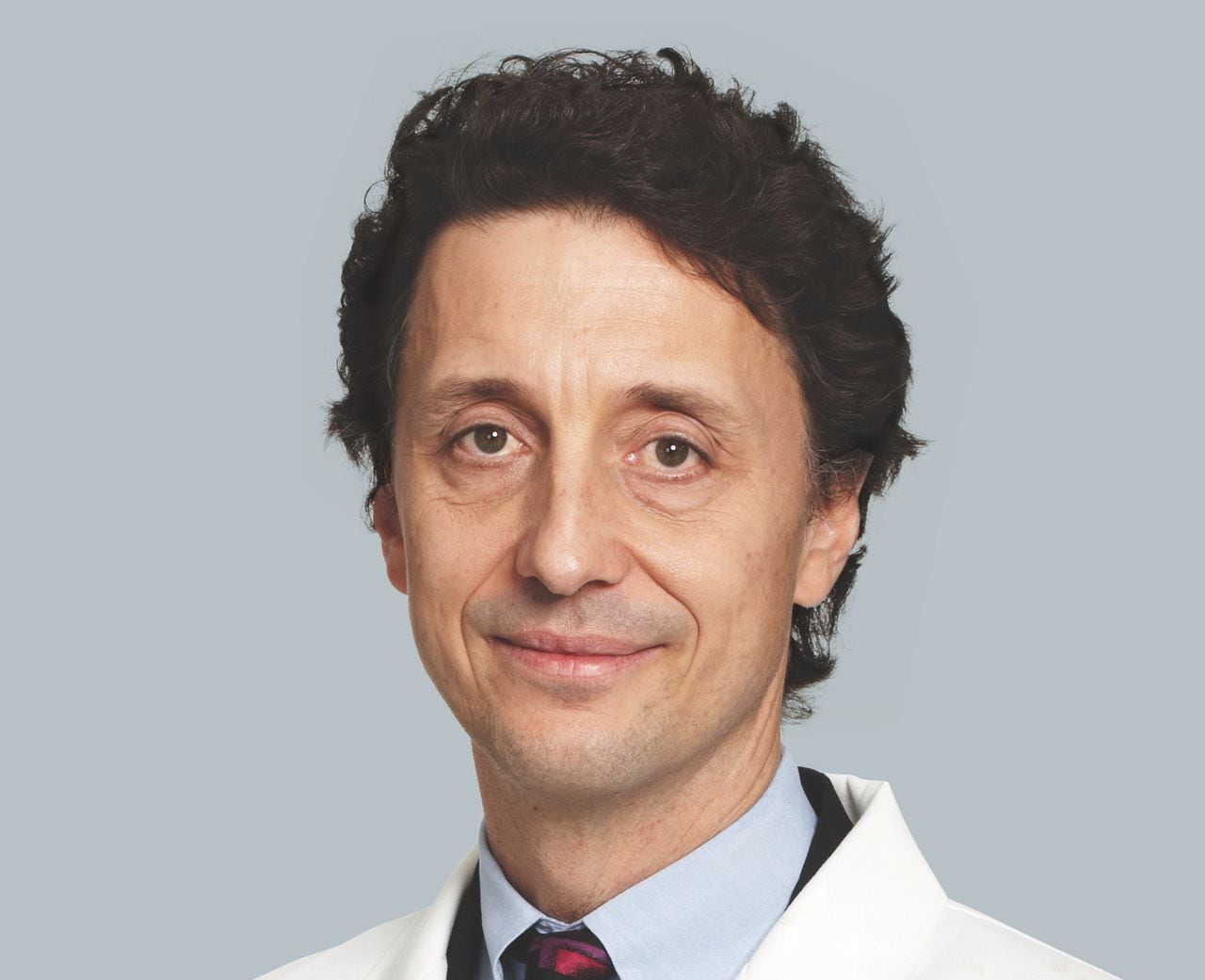
President Trump has appointed Yale epidemiologist Harvey Risch, known for his cancer research and controversial promotion of hydroxychloroquine during the COVID-19 pandemic, to lead the U.S. Cancer Panel.
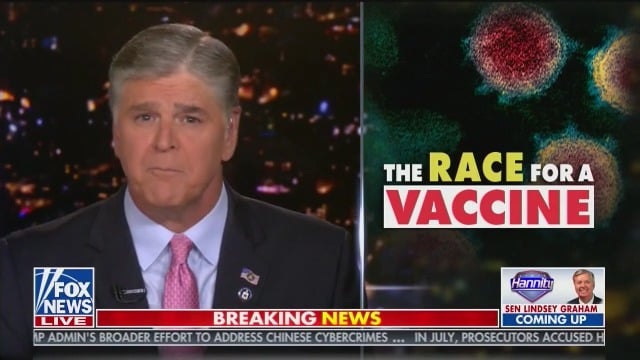
Sean Hannity discusses skepticism around COVID-19 vaccines, highlighting Dr. Robert Malone's concerns about mRNA technology and emphasizing early treatment options like hydroxychloroquine and ivermectin, while criticizing the efficacy and approval process of annual flu shots and COVID boosters.
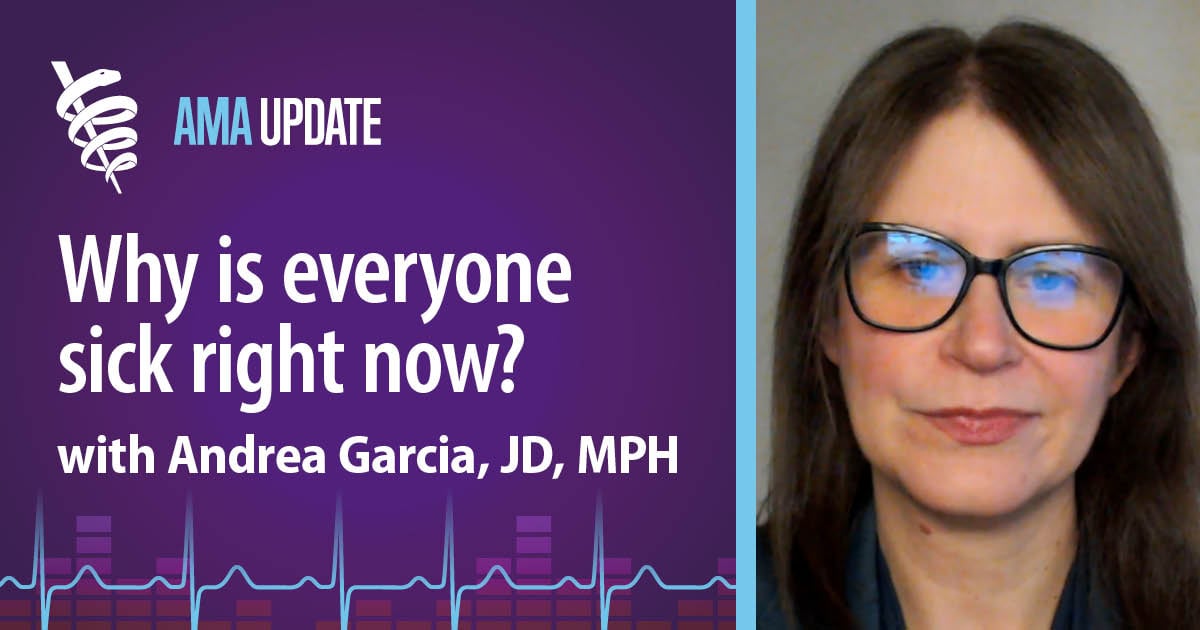
Andrea Garcia, Vice President of Science, Medicine and Public Health at the American Medical Association, discusses the surge in respiratory viruses, including flu, RSV, and COVID, with flu cases expected to peak by the end of the month. The JN.1 COVID variant is responsible for 61% of cases in the U.S., leading to increased hospitalizations and deaths. Low uptake of Paxlovid, despite its effectiveness in preventing deaths and hospitalizations, is a concern, while a study suggests that hydroxychloroquine may have caused nearly 17,000 deaths during the first wave of the pandemic.
A new study suggests that the anti-malaria drug hydroxychloroquine, which was promoted by then-President Donald Trump as a COVID-19 treatment, may be linked to nearly 17,000 deaths during the pandemic's first wave. Despite initial small studies hinting at potential benefits, larger research found no positive impact on COVID-19 and an increased risk of death, leading to the FDA revoking its emergency use authorization. The majority of the deaths occurred in the United States, with the drug's cardiac side effects contributing to its toxicity. Researchers caution that the actual number of deaths could vary, and the global death toll could be higher if more data were available.
A study by French researchers published in Biomedicine & Pharmacotherapy suggests that hydroxychloroquine, an anti-malaria drug used during the first wave of COVID-19, may be linked to approximately 17,000 deaths in six countries. The drug, which was prescribed without solid evidence of its effectiveness against COVID-19, is associated with an 11 percent increase in mortality due to potential side effects like heart rhythm disorders. The actual number of deaths could be higher, as the study only covers a limited period and countries. Hydroxychloroquine was notably promoted by French virologist Didier Raoult and former U.S. President Donald Trump.
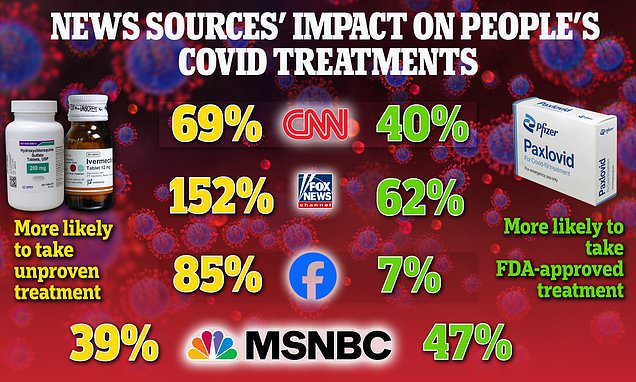
Approximately 6% of Americans turned to unproven treatments like ivermectin and hydroxychloroquine to treat their COVID-19 infections, despite the lack of evidence supporting their effectiveness. A survey found that individuals who relied on Facebook, CNN, Fox News, and MSNBC for information were more likely to use non-evidence-based treatments. Conservatives, those who trusted social media, scored higher on the American Conspiracy Thinking Scale, and trusted former President Trump were also more likely to endorse these unfounded medications. The study highlights the influence of misinformation and mistrust in healthcare institutions on treatment choices.
A nationwide survey in the United States found that approximately 6% of adults who had previously contracted COVID-19 reported using either ivermectin or hydroxychloroquine as treatments, despite the lack of evidence supporting their effectiveness against the virus. The study also revealed that individuals who endorsed vaccine misinformation, trusted social media, scored higher on the American Conspiracy Thinking Scale, or trusted former President Trump were more likely to turn to unproven treatments. Additionally, those who received information from cable news sources or Facebook were more likely to use non-evidence-based treatments. Political affiliation was not the sole indicator, as factors such as vaccine misinformation and conspiratorial thinking also contributed to the likelihood of using these drugs.
A study published in the JAMA Health Forum found that 1 in 20 Americans who contracted COVID-19 used non-evidence-based treatments, such as ivermectin and hydroxychloroquine, due to beliefs in vaccine-related misinformation. The study surveyed nearly 13,450 adults in the U.S. and focused on those who endorsed COVID-19 vaccine-related misinformation, distrusted hospitals, medical professionals, and scientists, and exhibited a greater belief in conspiracy theories. Despite the FDA's denouncement of these medications for COVID-19 treatment, prescriptions for them increased during the first year of the pandemic. The study also found that trust in social media and Donald Trump was associated with higher usage of these drugs, while trust in physicians and hospitals was associated with lower usage.
A Florida resident with rheumatoid arthritis asks if hydroxychloroquine provides protection against malaria transmitted by mosquitos. The physician explains that public health measures, such as aerial and truck spraying for mosquitos, draining stagnant water, using screens, and applying mosquito repellent, are more effective in preventing malaria. While hydroxychloroquine is an effective treatment and preventive agent for malaria, its use may be limited due to resistant parasites. The reader is advised to implement other protective measures since the medication is not guaranteed protection. In another question, a person who used oxygen with a CPAP machine for sleep apnea and atrial fibrillation (AFib) asks if they can discontinue oxygen. The physician suggests discussing this with their doctor, as they may no longer need oxygen since their AFib has been resolved.