A retired surgeon shares a detailed and personal account of being misdiagnosed, forcibly medicated, and subjected to ECT in psychiatric care, highlighting issues of patient rights, treatment abuses, and the impact of psychiatric practices on his life and family.
Shaquille Edwards, an epileptic patient, plans to take legal action against Arima Hospital after suffering a severe wrist injury due to alleged medical negligence during a seizure, highlighting systemic issues in healthcare and inadequate patient care.
Major health insurers have pledged to reform the controversial practice of prior authorization, aiming to speed up decision-making, reduce delays, and improve transparency for patients and doctors, amid mounting criticism and regulatory pressure.
The article explores the complex ethical, legal, and social issues surrounding Canada's expanded access to medically assisted death (MAID) for patients without terminal illnesses, highlighting cases like Paula's to illustrate the debates over autonomy, suffering, and societal responsibility.
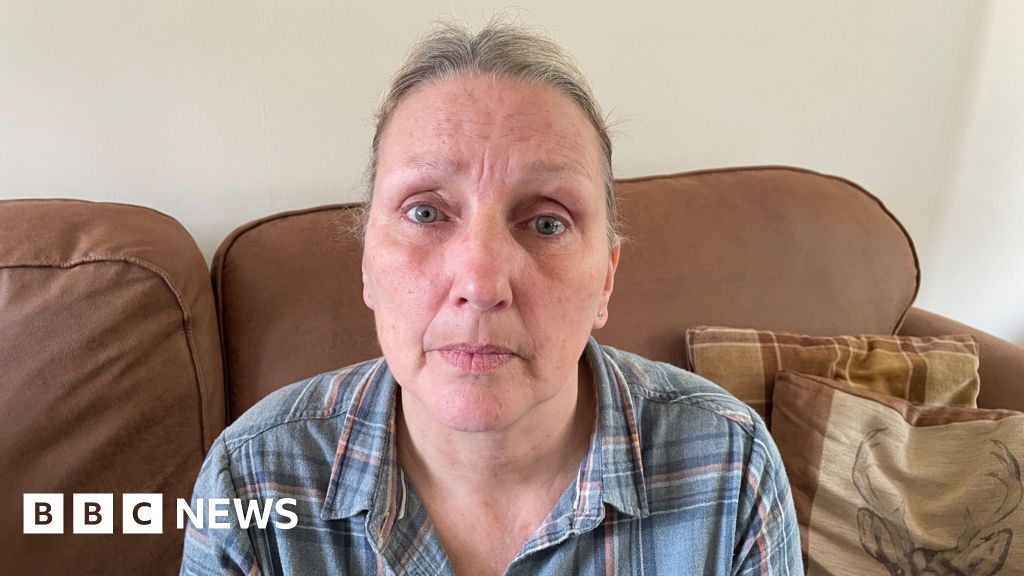
An NHS worker at the Becklin Centre in Leeds secretly filmed and shared videos of patient Julie Trafford's mental health crisis on WhatsApp, leaving her feeling violated and distrustful of the facility. Despite the breach, the staff member remains employed, prompting outrage from Trafford and her husband. The Care Quality Commission upheld complaints against the trust, recommending a review of the staff member's role. The incident has raised concerns about patient privacy and trust in mental health services, with calls for accountability and proper investigation.
The UK Parliament has moved closer to legalizing assisted dying for terminally ill patients with a life expectancy of six months or less, following a supportive vote by MPs. The bill, which requires approval from two doctors and a judge, aims to provide a choice for those suffering from severe pain, like Elise Burns, who supports the bill. However, opponents like Nik Ward express concerns about its implications for vulnerable individuals and the need for improved palliative care. The bill still requires further votes before becoming law.
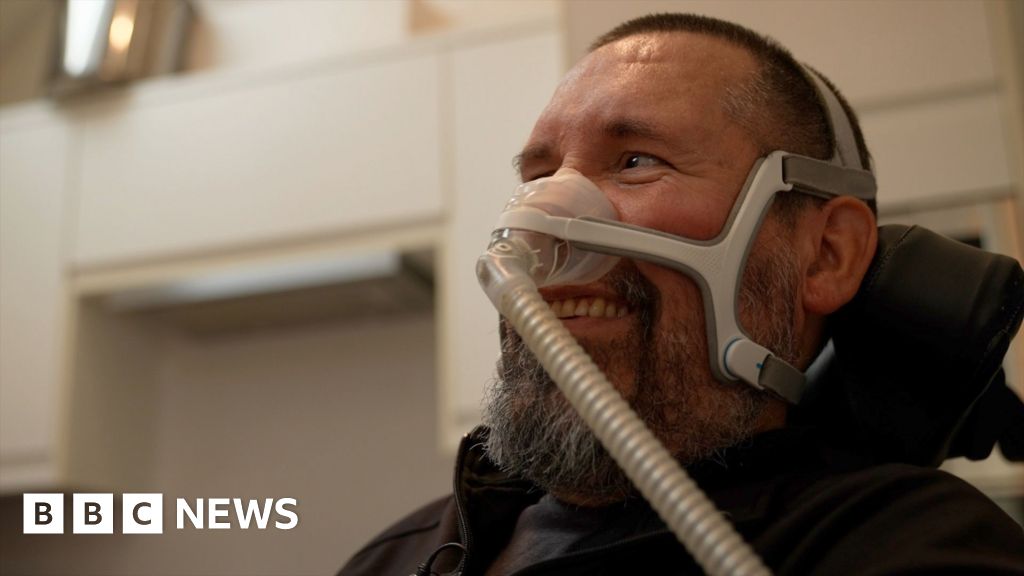
The UK Parliament is debating a proposed law to legalize assisted dying for terminally-ill patients expected to die within six months, provided their decision is approved by doctors. The bill has sparked a divisive debate, with supporters like Elise Burns, who suffers from terminal cancer, advocating for the right to avoid a painful death, while opponents like Nik Ward, who has motor neurone disease, express concerns about potential coercion and the loss of life's remaining joys. The bill includes safeguards requiring approval from two doctors and a judge, but critics question their effectiveness.
A Warren County woman, Jamie Sweeney, learned she had cancer through an email notification from her electronic medical portal, MyChart, rather than from a doctor. This situation, resulting from the 21st Century Cures Act, has sparked concerns about the emotional impact of receiving serious medical news without professional interpretation. While some patients appreciate immediate access to their medical records, others, like Sweeney, feel distressed and unsupported. The debate continues on how best to balance timely information access with compassionate care delivery.
Patients with obesity often face mistreatment and stigma in the healthcare system, leading to avoidance of medical care. A new "Obesity Bill of Rights" is being introduced by advocacy, aging, and health organizations to demand better treatment for individuals meeting the clinical definition for obesity. While some see it as a step towards more equitable healthcare, others are suspicious of the involvement of organizations backed by drug companies and the focus on obesity treatments. The bill aims to raise awareness and empower medical providers to offer unbiased, educated, and compassionate care to patients with obesity.
A Carbon Health customer posted a viral TikTok video claiming that her doctor refused to release the results of her flu test. The customer had visited Carbon Health for a same-day appointment due to flu-like symptoms but was told by the doctor that she had COVID-19. Despite requesting a flu test, the doctor only performed a COVID-19 test and later discarded it, leaving the customer without a diagnosis. The customer expressed frustration with the lack of communication and patient care at Carbon Health, urging others not to go there. Similar experiences were shared by viewers in the comments section.
Health insurers across the country, including Priority Health in Michigan, are flouting state laws that require coverage for critical medical care, according to an investigation by ProPublica. Despite laws mandating coverage for expensive treatments like CAR-T cell therapy, insurers are finding ways to deny coverage, often citing high costs. Thinly staffed state agencies that oversee insurers typically don't investigate unless patients file complaints, allowing insurers to get away with violating the law. Priority Health executives, for example, argued that CAR-T therapy was a gene therapy, not a drug, and excluded it from coverage. Patients like Forrest VanPatten, who was denied CAR-T therapy for his lymphoma, are left to fight for their lives while insurers prioritize cost savings over patient needs.
A woman in New Zealand had a surgical tool the size of a dinner plate, called an Alexis retractor, left inside her abdomen for 18 months after giving birth via cesarean section. The tool was discovered and removed after the woman experienced months of chronic pain and underwent an abdominal CT scan. The Health and Disability Commissioner found the Auckland District Health Board in breach of patient rights and recommended policy revisions. The case has been referred for further action. The health board apologized for the error and assured the public that such incidents are rare.
A surgical tool the size of a dinner plate, known as an Alexis retractor, was discovered inside a woman's abdomen 18 months after her cesarean birth. The woman experienced chronic pain for months before the device was found on an abdominal CT scan and immediately removed. New Zealand's Health and Disability Commissioner found the Auckland District Health Board in breach of patient rights and recommended policy revisions. The health board initially blamed a nurse for the error. The case has been referred for further action, and the health board apologized for the incident, stating that such incidents are rare.
A New Zealand woman who suffered chronic pain for 18 months after a caesarean section discovered a surgical instrument the size of a dinner plate inside her abdomen. The Alexis retractor, or AWR, was left inside her after the operation. The Health and Disability Commissioner found the hospital in breach of patient rights, stating that leaving a foreign object inside a patient is a "never" event. The instrument was eventually removed 18 months later. The case highlights the need for clearer surgical count policies and improved healthcare systems to prevent similar incidents.
Eloise Reynolds, a widow, paid her late husband's hospital bill after his death from colon cancer. However, a year later, she received a new bill charging her an additional $1,093.16. Confused by the unexpected charges, Reynolds contacted the hospital and her insurance company but did not receive a satisfactory explanation. After media intervention, the hospital claimed it was a "clerical error" and cleared her balance. Medical billing experts emphasize the need for standardized terms and clearer itemized breakdowns on bills and insurance statements to help patients navigate the complex healthcare billing system.