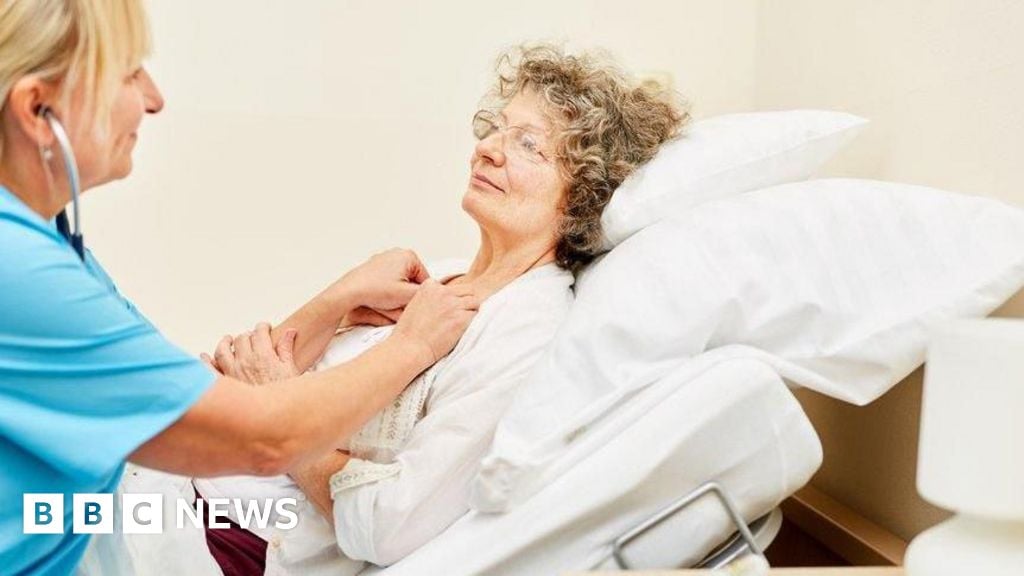
A crisis in end-of-life care is emerging in Sussex hospitals due to increasing numbers of patients needing palliative care, leading to overcrowded hospitals, difficult decisions for staff, and strained community and hospice services, with concerns that this situation could worsen during winter.
End-of-life workers highlight common misconceptions about death, emphasizing that the physical process is often misunderstood, that family fears about starvation and medication are usually unfounded, and that planning and open conversations about death can improve the experience. They stress that death is a natural part of life, not something to be controlled or feared, and that understanding these realities can help us process grief and approach mortality with more acceptance.
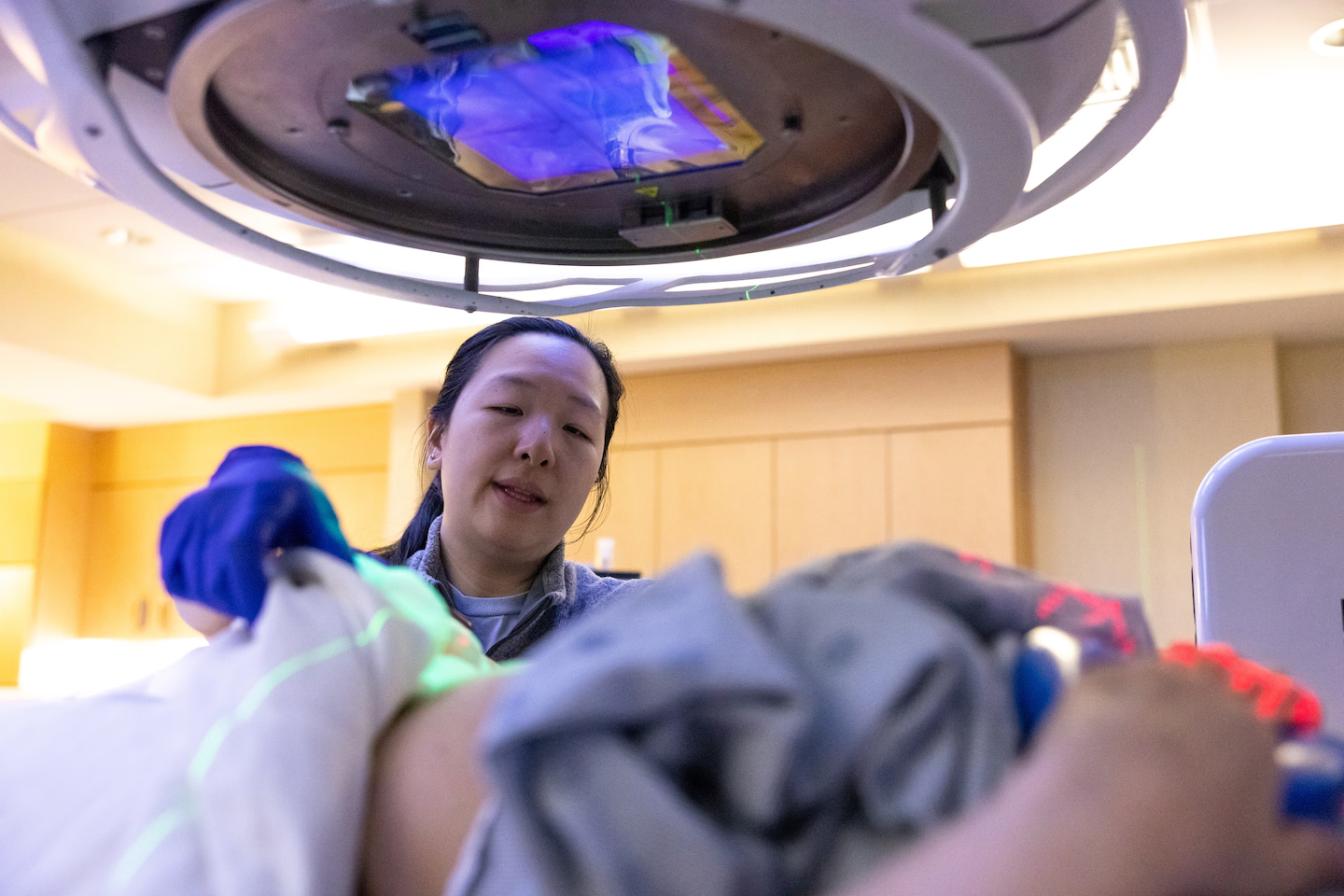
The article provides a personal account of undergoing radiation therapy for metastatic Ewing’s sarcoma, highlighting the process, the supportive team at Sibley Memorial Hospital, and the importance of small interactions in patient care, emphasizing that radiation can be an effective and less taxing treatment option for pain relief and disease management.
The article explains that death is a natural bodily process with stages like transition, active dying, and terminal secretions, emphasizing that understanding these stages can reduce fear and improve end-of-life experiences. It highlights the importance of 'death literacy'—knowing what to expect—to help people face death with less anxiety and more acceptance.
Senior doctors in the UK are urging the government to prioritize fixing the palliative care system before advancing legislation on assisted dying, which recently passed its first parliamentary hurdle. Concerns have been raised that funding for assisted dying could detract from palliative care resources, which are already insufficient. The debate highlights the need for improved end-of-life care, with calls for a government-led commission to address the issue. While some MPs believe assisted dying could enhance palliative care, others worry about potential neglect of vulnerable patients.
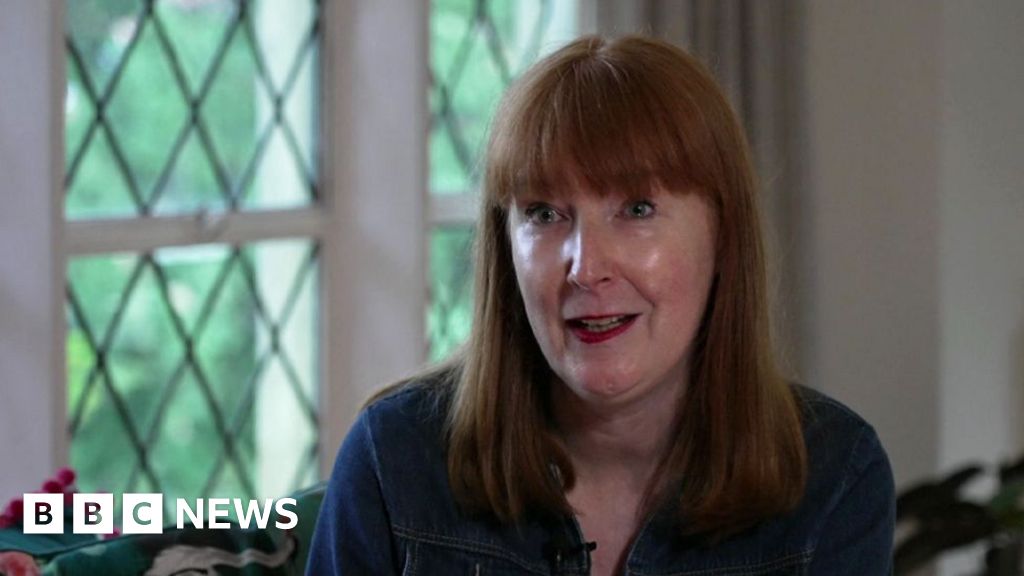
The UK Parliament has moved closer to legalizing assisted dying for terminally ill patients with a life expectancy of six months or less, following a supportive vote by MPs. The bill, which requires approval from two doctors and a judge, aims to provide a choice for those suffering from severe pain, like Elise Burns, who supports the bill. However, opponents like Nik Ward express concerns about its implications for vulnerable individuals and the need for improved palliative care. The bill still requires further votes before becoming law.
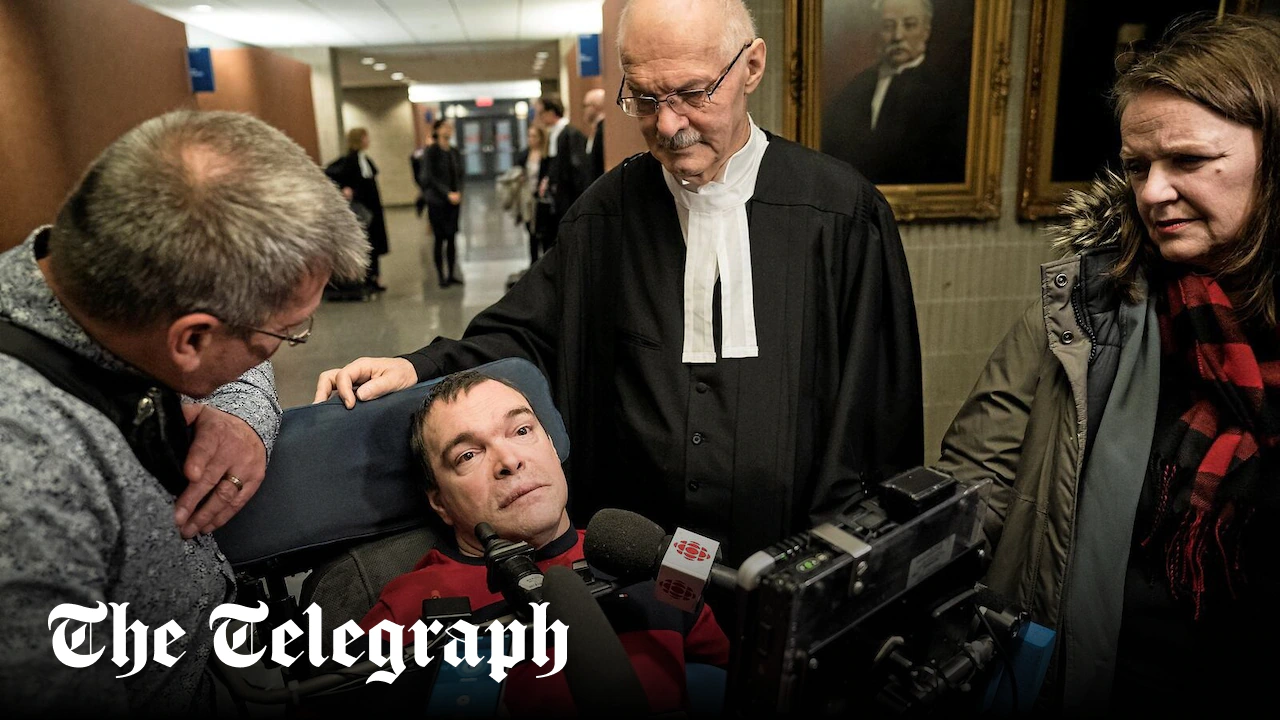
Jean Truchon, a key figure in Canada's assisted dying laws, revealed he might have chosen to live if he had received adequate home care, raising concerns about the country's approach to medical assistance in dying (MAiD). The case has sparked debate over whether patients are opting for assisted death due to insufficient care options, with experts warning of a "dangerous precedent." The situation also resonates in the UK, where similar issues in palliative care are influencing discussions on legalizing assisted dying.
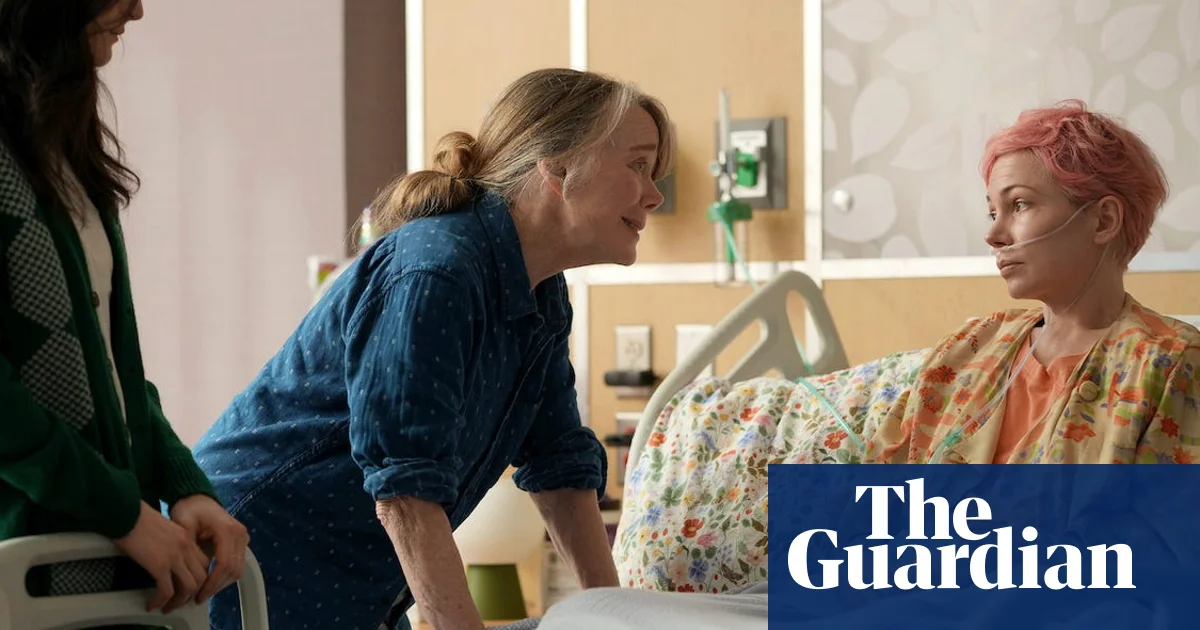
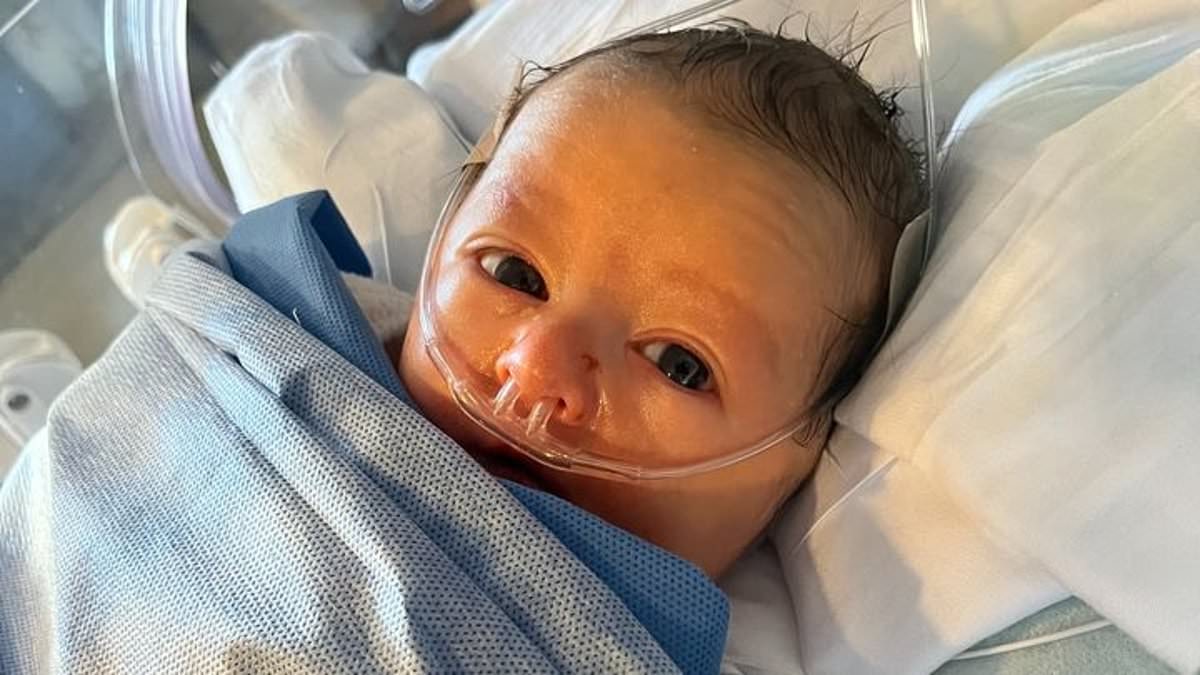
A Boston mother, Erin Jean, shares her heartbreak after losing her two-month-old son, Felix, to epidermolysis bullosa (EB), a rare genetic condition causing painful skin blisters and peeling. Despite efforts to manage his condition, Felix's parents decided on palliative care due to his deteriorating quality of life. Felix passed away at home, surrounded by family. Erin and her husband, Travis, are now focused on keeping Felix's memory alive for their other children and credit non-profit Debra and Mass General medics for their support.
The American Society of Clinical Oncology recommends early palliative care for all patients with advanced cancer to manage symptoms, improve quality of life, and potentially prolong survival. Palliative care supports patients and caregivers, helps maintain treatment adherence, and is covered by most insurance. It is essential for anyone with serious illnesses, not just cancer.
Many people do not receive the end-of-life care they desire due to a lack of communication and understanding about available options like palliative care and hospice. Karen Lutfey Spencer, PhD, shares lessons from her personal experience and research, emphasizing the importance of trusting one's own observations, proactively discussing end-of-life care early, and educating oneself about care options to ensure quality of life and alignment with personal priorities.
Oncologists often face the dilemma of whether to continue offering chemotherapy to cancer patients, even when the chances of success are slim. Data shows that a significant percentage of patients receive chemotherapy close to the end of life, despite potential negative impacts on quality and duration of life. While optimism and the desire to help patients may drive this practice, it raises ethical questions about the benefits and harms of such treatments. Balancing hope with realistic expectations, open communication, and consideration of palliative care are crucial in guiding patients and their families through these difficult decisions.
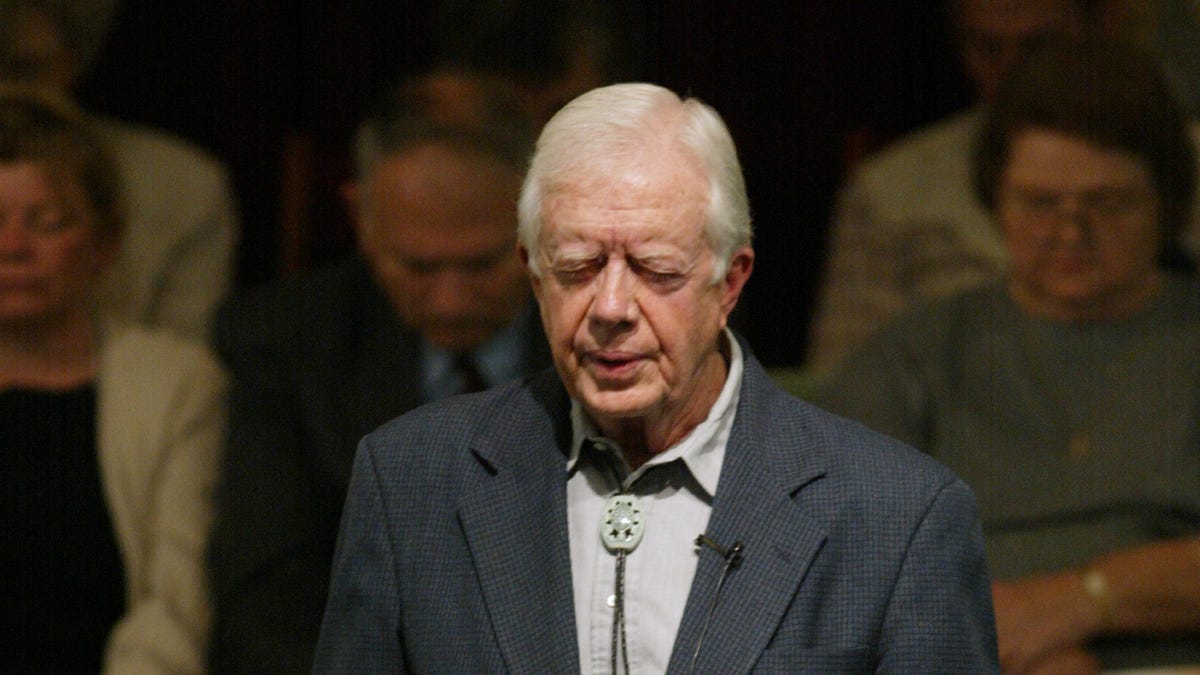
Former President Jimmy Carter has been in hospice care for a year, choosing to spend his remaining time at home with family. Despite his situation, experts note that his decision is not unusual and that earlier referrals for hospice care can lead to better outcomes for patients. Carter, who turned 99 in October, continues to spend time with family and watch baseball games. His wife, Rosalynn Carter, passed away in November after being diagnosed with dementia.
The European Union has granted €6.5 million to fund a multi-site study, called PsyPal, to investigate the use of psilocybin therapy in addressing psychological and existential distress in patients with progressive illnesses such as multiple sclerosis, chronic obstructive pulmonary disorder, atypical Parkinsonism, and amyotrophic lateral sclerosis. The study, which is the first of its kind in Europe, aims to enroll 100 patients across four clinical sites and will explore the safety, efficacy, and cost-effectiveness of psilocybin therapy in non-oncology palliative care. The project involves a consortium of 19 European organizations and is expected to commence in 2025, with results anticipated in 2027.
An in-depth look at the debate surrounding the use of palliative care for anorexia patients who no longer wish to continue treatment, with some psychologists advocating for a shift towards relieving suffering rather than pursuing treatment against the patient's will. The article explores the case of a patient named Naomi and the arguments for and against this approach, including concerns about medical futility, patient autonomy, and the potential impact on diagnoses and recovery.
Dr. Sarah Wells, a palliative care doctor who has looked after 2,000 terminally ill patients, shares her insights on death and dying. She believes that people's final hours are "special" and "beautiful" rather than something to fear. Dr. Wells has gained a new appreciation for life and a strengthened belief in an afterlife through her work. She reassures patients that dying is generally a peaceful process and often witnesses signs that indicate their time is near, such as seeing deceased loved ones. Her experiences have taught her to value every day, prioritize her health, and surround herself with loved ones.