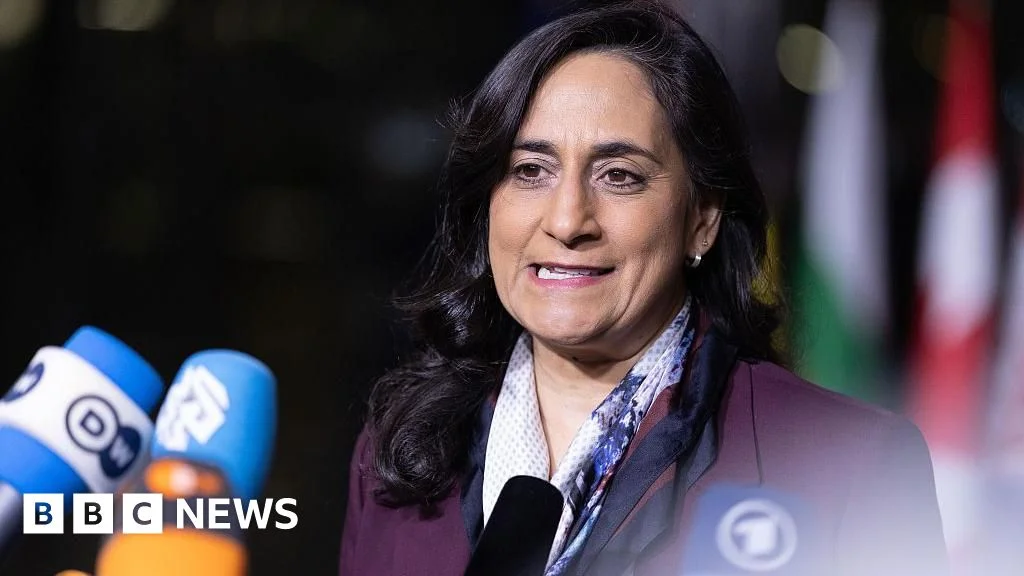
Six Canadian MPs and a delegation were denied entry by Israel to the West Bank, citing security concerns linked to their organization's alleged ties to a proscribed group, prompting Canada's objections and raising tensions amid recent diplomatic disputes.
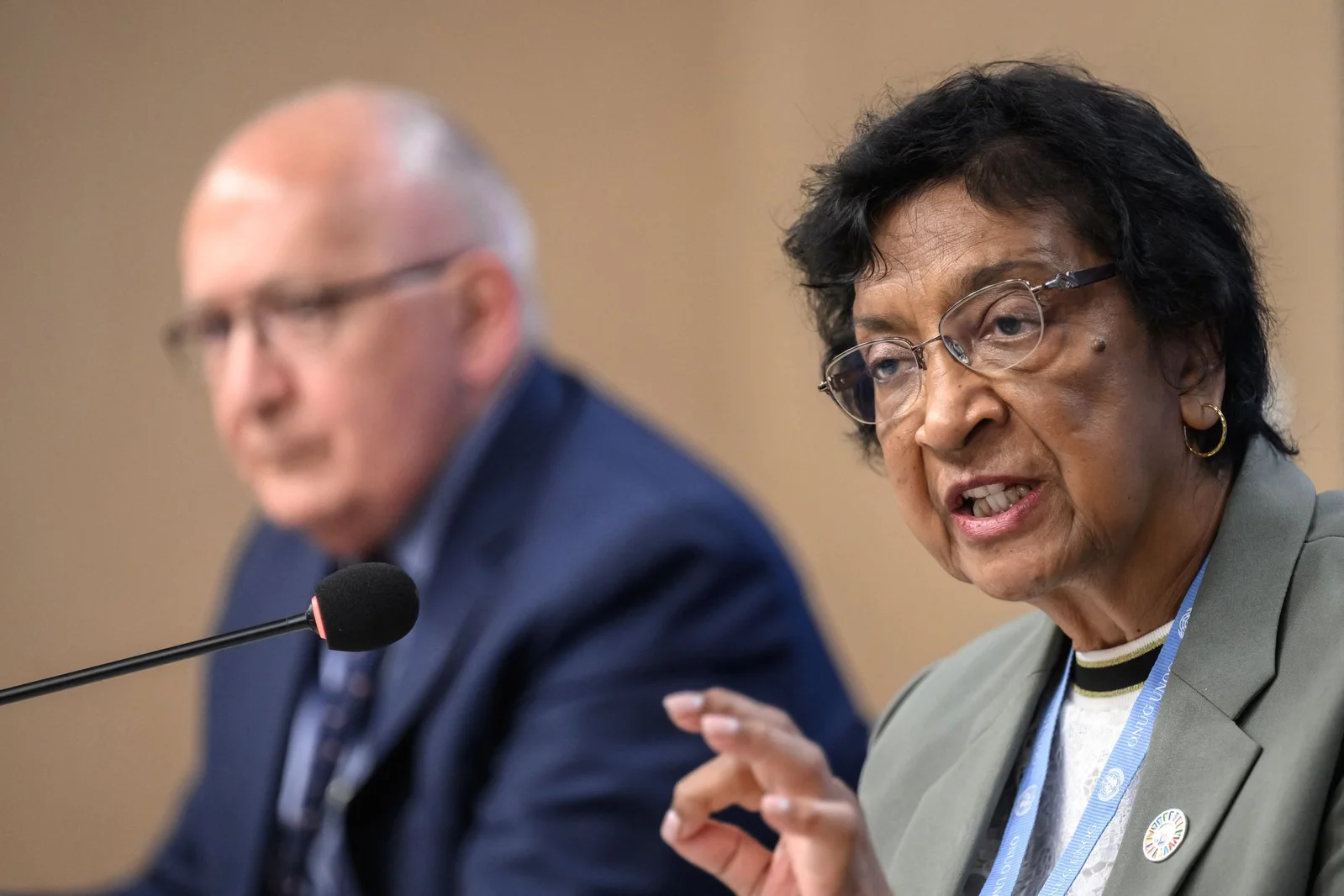
Members of the UN commission investigating Israel resigned, citing bias and prejudice against Israel, with critics claiming the inquiry was unfairly targeted and ignoring other groups like Hamas and Hezbollah.
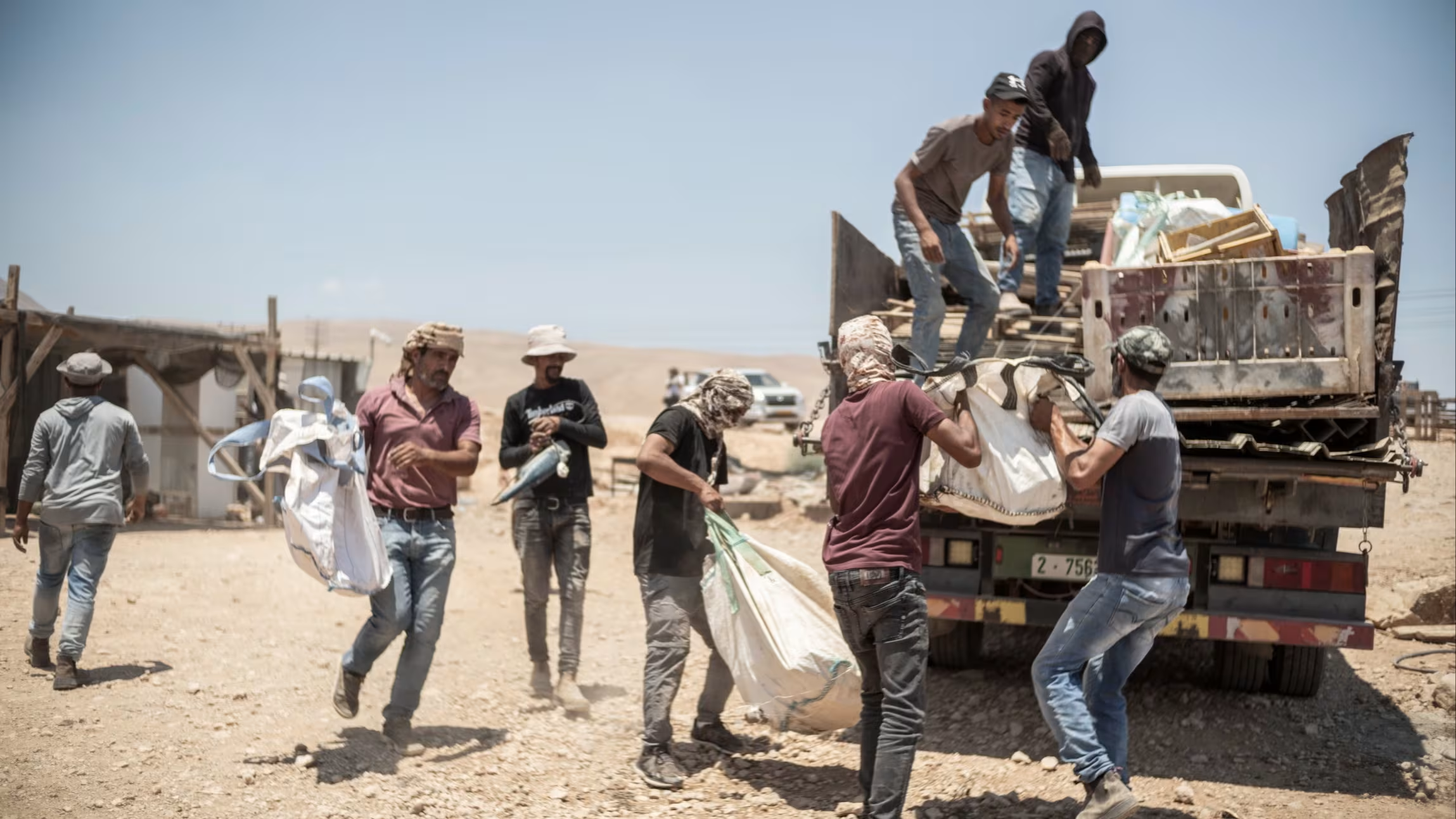
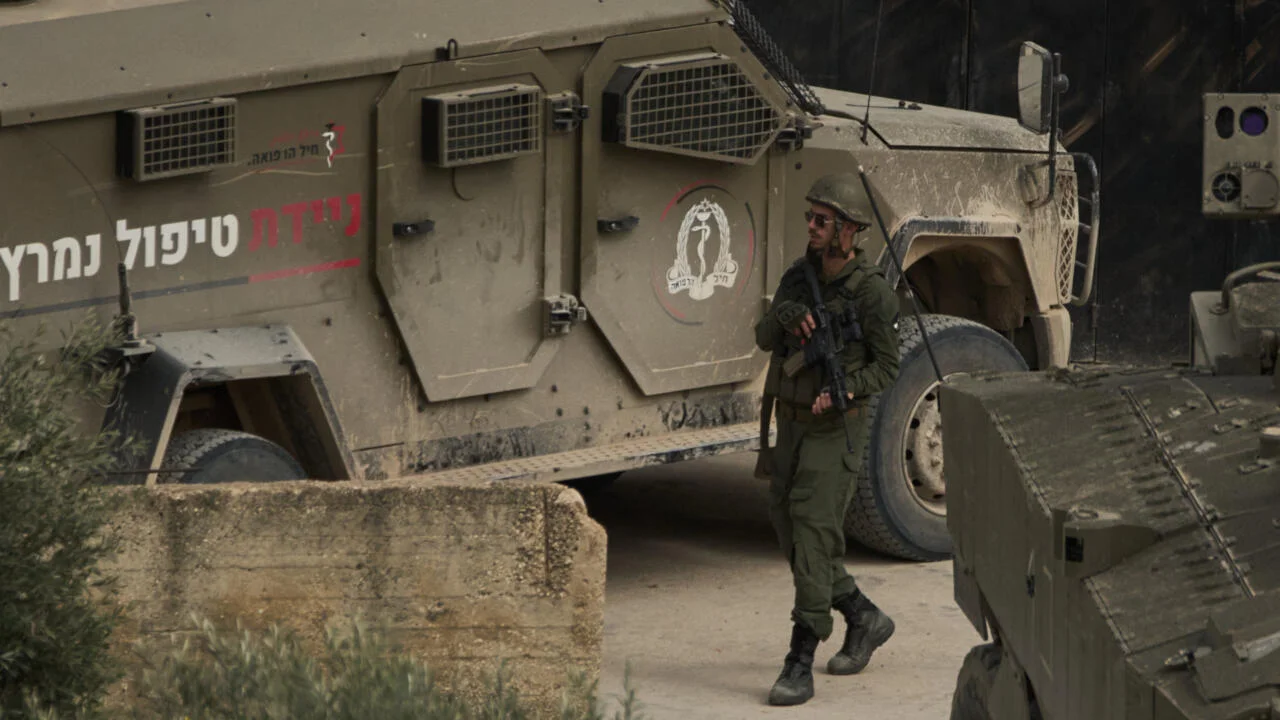
The article discusses Israel's covert military activities in the West Bank, highlighting a quiet but ongoing conflict in the region, with a focus on the strategic and political implications of these operations.
Support for Hamas as a political party has dropped to 34% among Palestinians in Gaza and the West Bank, while satisfaction with its war performance remains high at 70%. The war has led to significant shifts in Palestinian views on armed struggle and diplomatic solutions, with support for a two-state solution jumping by 27 points to 62%. Despite the war's brutality, face-to-face polling in Gaza revealed the diverging opinions on Hamas as a governing body and as a symbol of Palestinian resistance against Israeli occupation. Satisfaction with the United States' handling of the war is nearly nonexistent at 1%, while Yemen garnered the highest approval ratings due to the Houthis' actions in solidarity with the Palestinian cause.
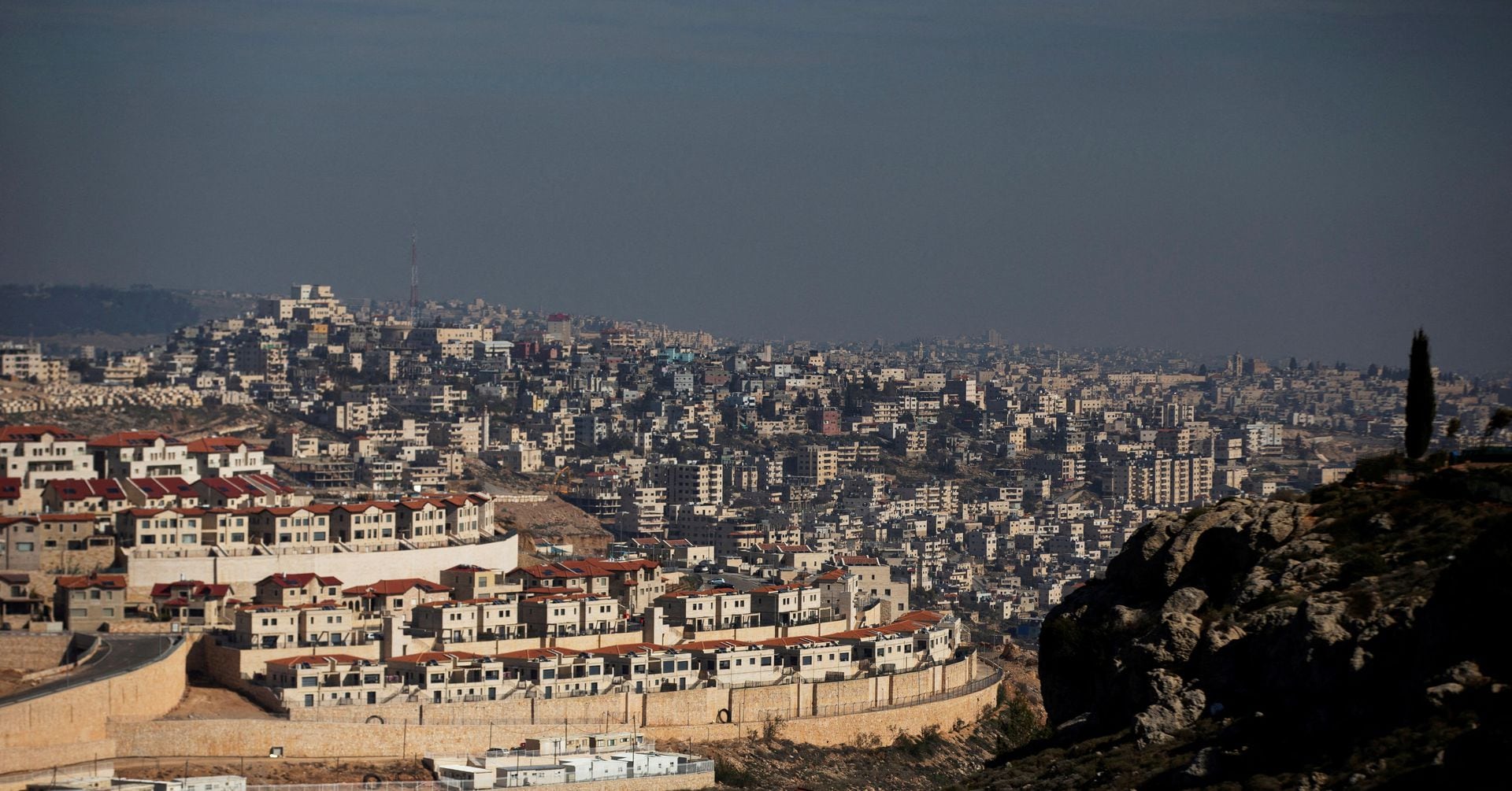
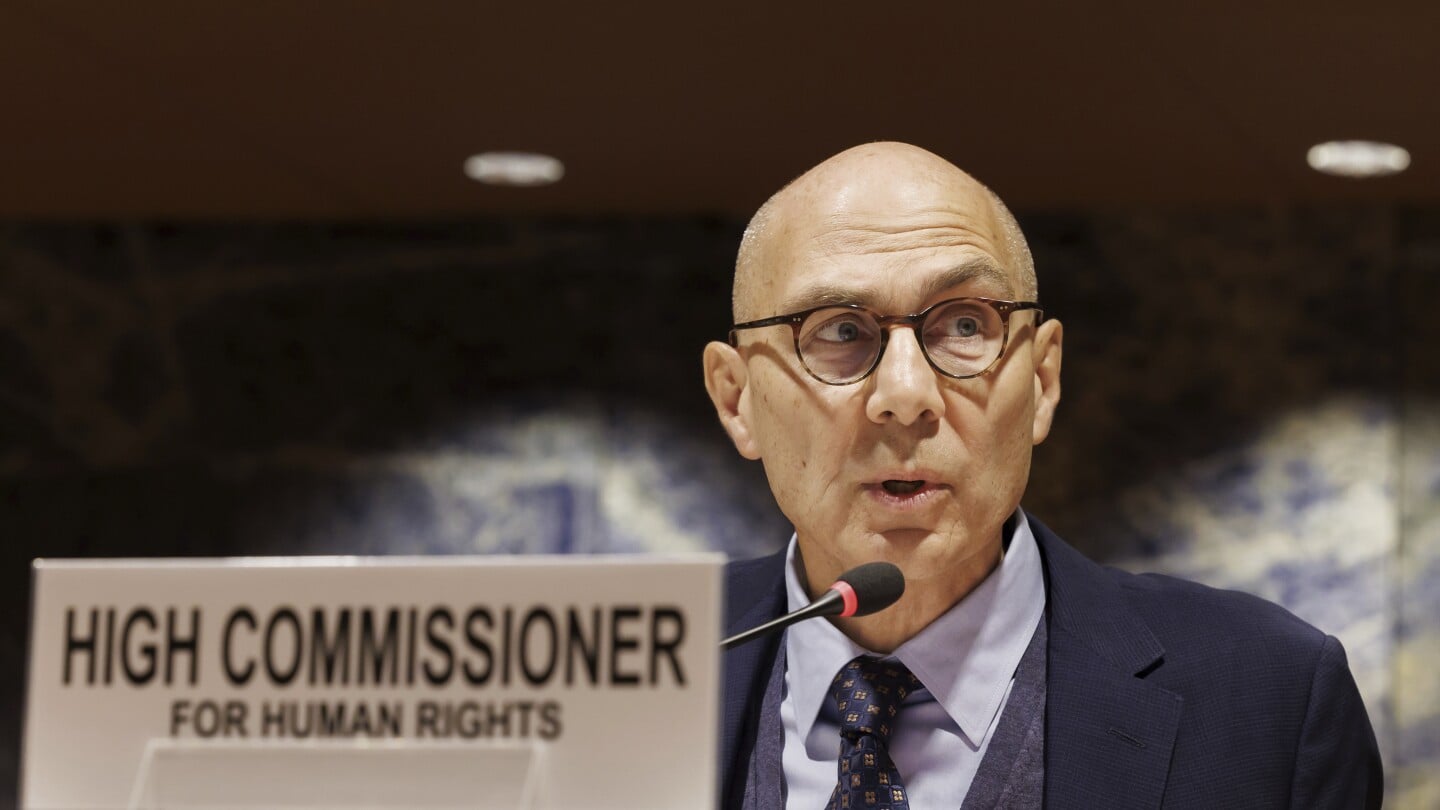
The U.N. human rights chief reported a record expansion of Israeli settlements in the occupied Palestinian territories, warning that it could eliminate the possibility of a viable Palestinian state. The report documented a surge in Israeli housing units and a rise in violence against Palestinians, with over 400 Palestinians killed since deadly Hamas attacks in October. The U.S. Biden administration has deemed the settlements "inconsistent" with international law, while Israel asserts a biblical birthright to the land. The report will be presented to the Human Rights Council in late March.
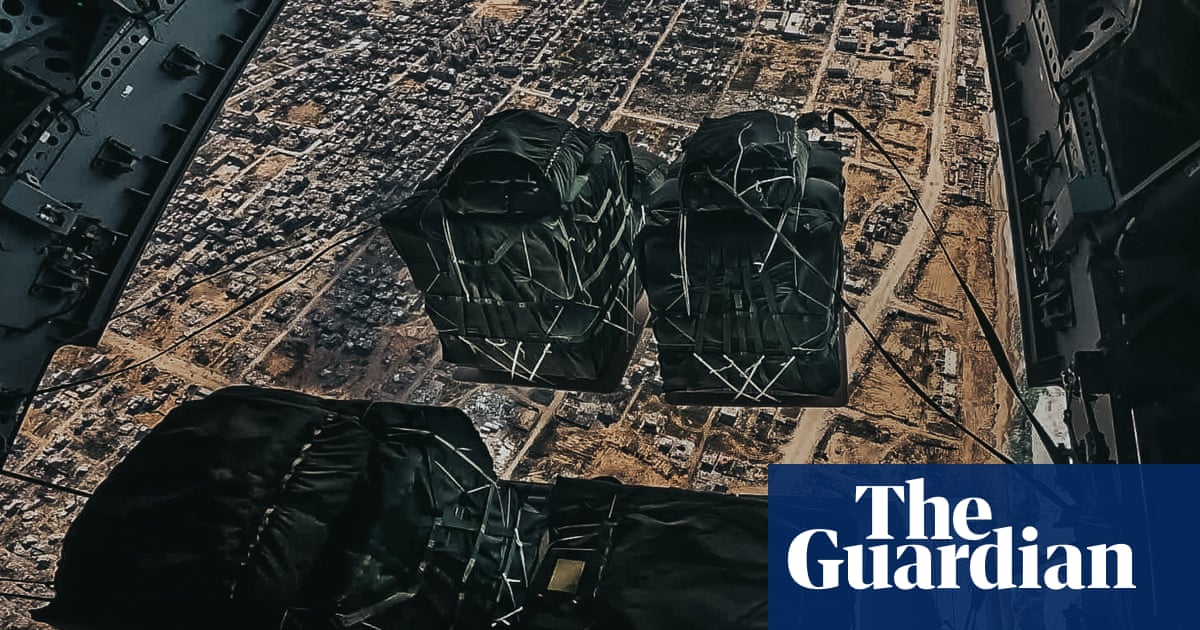
Five people were killed and 10 injured in Gaza when a pallet of aid, parachuted into the territory as part of a humanitarian airdrop, hit a group of people after the parachute failed to deploy properly. The casualties were taken to a hospital in Gaza City, and the government media office in Hamas-run Gaza criticized airdrops as "futile". Aid agencies' efforts to deliver humanitarian aid have been severely hampered by logistic obstacles, a breakdown of public order, and lengthy bureaucracy imposed by Israel, prompting calls for unimpeded humanitarian land access and more border crossings for aid deliveries.
The U.N. human rights office has released a report stating that the establishment and expansion of Israeli settlements in the West Bank and east Jerusalem amount to a war crime under international law, with roughly 24,300 housing units in existing settlements advanced in the past year. The report deplores an increase in the building of new settlement homes and warns that settler violence and settlement-related violations are reaching shocking new levels, risking the practical possibility of establishing a viable Palestinian state. Israel's diplomatic mission in Geneva criticized the report for overlooking violence by Palestinian extremists against Israelis, while much of the international community considers the settlements to be illegal under international law.
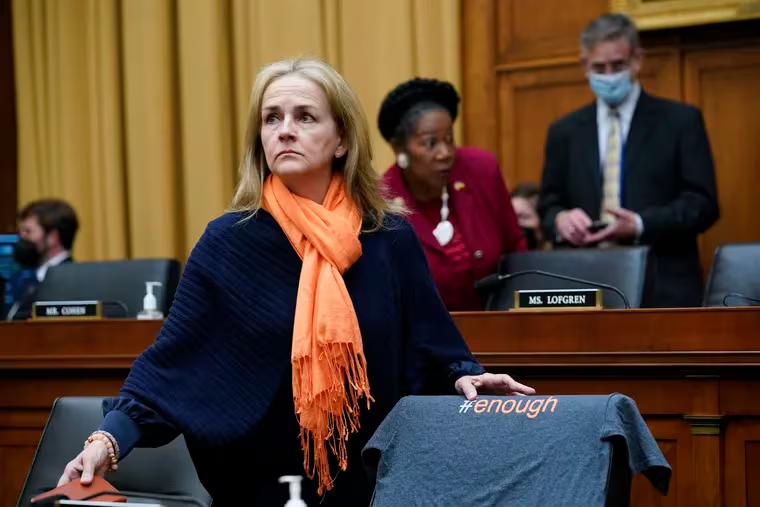
U.S. Rep. Madeleine Dean, after a recent trip to Israel and Palestinian territories, has called for a bilateral cease-fire in Gaza, expressing concerns over Israeli Prime Minister Benjamin Netanyahu's response to the conflict. Dean, a Democrat representing Montgomery County, emphasized the urgency of the situation ahead of Ramadan and urged her colleagues to join her in calling for peace, regardless of the terminology used. The issue has sparked varying opinions among Democrats, with some explicitly calling for a cease-fire and others advocating for humanitarian pauses or negotiated stops.
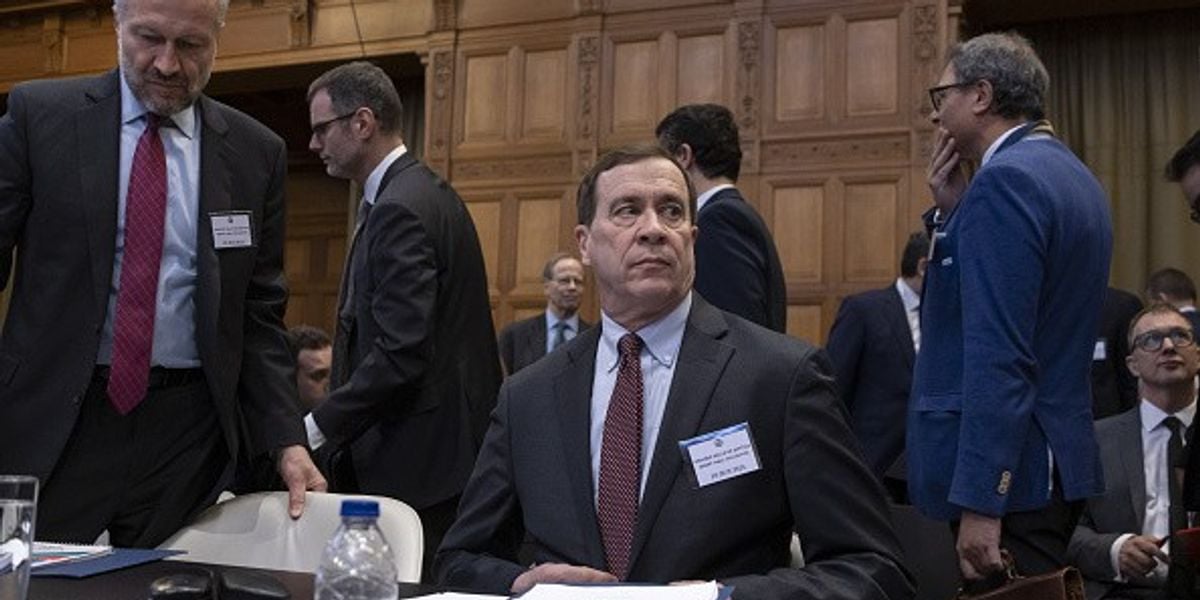
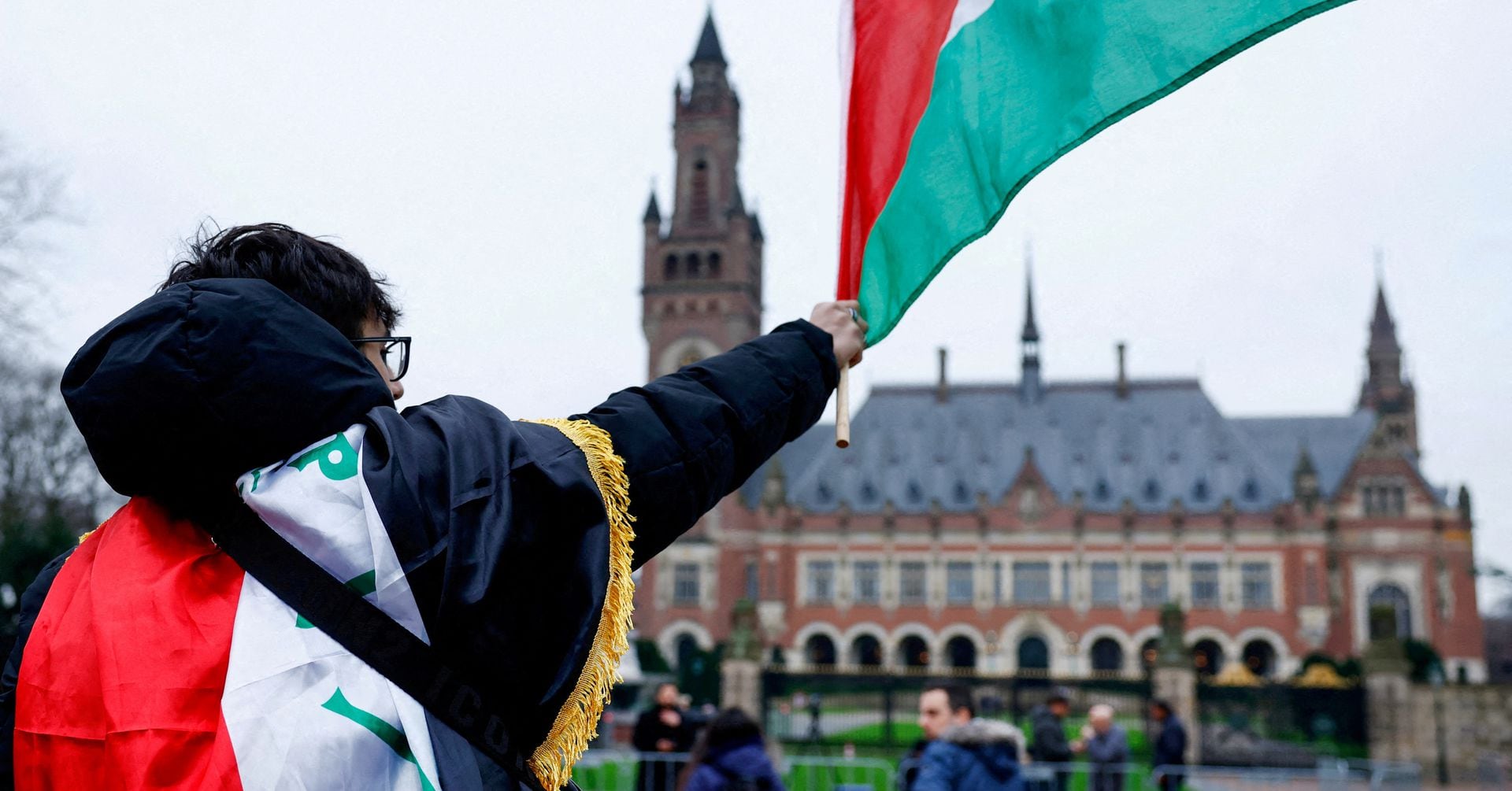
The International Court of Justice hearings on the Israeli occupation of Palestinian territories concluded with only the US, UK, Hungary, and Fiji defending Israel's practices, while 45 countries and three organizations testified against it. Legal experts and representatives from various nations presented evidence against the occupation, arguing that it is unlawful and must end, despite the US and UK's claims that it is merely a "dispute" between the two sides. The hearings took place amid Israel's ongoing bombardment of Gaza and plans to build new settlements in the West Bank, with the US framing compliance with international law as an impediment to the political process.
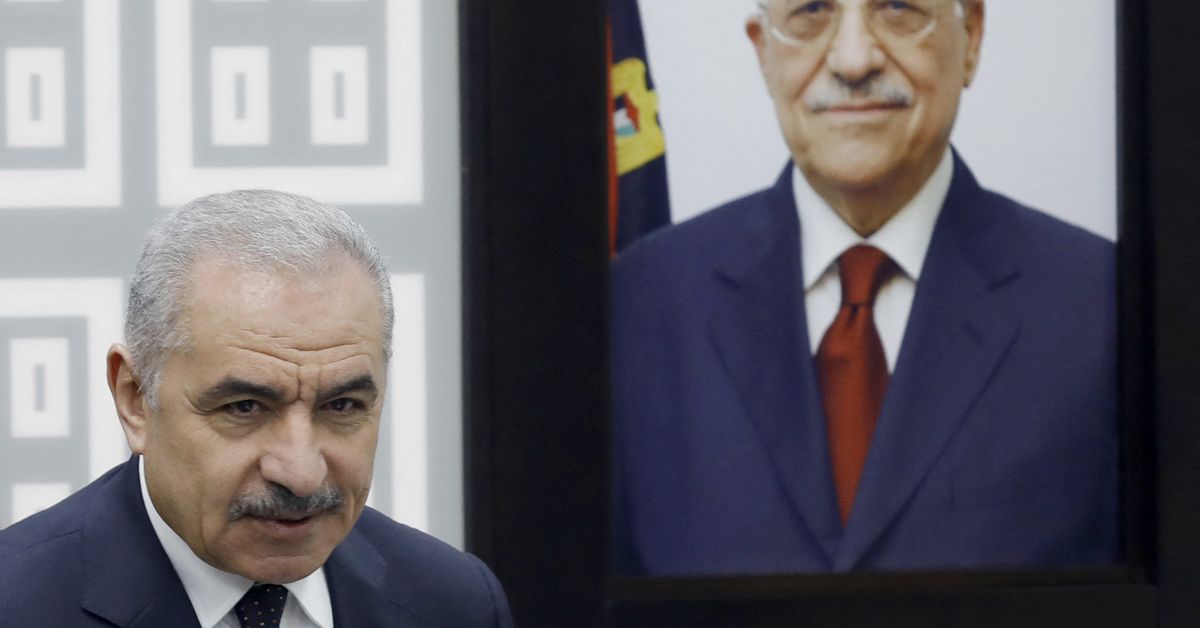
Palestinian Authority Prime Minister Mohammad Shtayyeh resigned and dissolved the PA government, signaling an acknowledgment of the need for change amid international and internal pressure. The move comes ahead of planned negotiations for a unity government between Fatah and Hamas and amidst ceasefire talks between Israel and Hamas. However, the resignation may not lead to immediate material change, as the PA's internal and external legitimacy is waning, and President Mahmoud Abbas remains in power with little internal support. The dissolution of the PA government faces significant hurdles, including Israel's opposition and the need for a clear path toward Palestinian statehood for Arab states to fund Gaza's reconstruction.
The International Court of Justice is hearing final arguments in a case challenging Israel's occupation of the Palestinian territories, initiated by a UN General Assembly resolution. The case questions the legal consequences of Israel's 56-year occupation, with the Palestinian Authority accusing Israel of colonialism and apartheid. The proceedings could have significant implications, potentially affecting trade and the legitimacy of Israel's position, and may serve as a catalyst for negotiations. The ICJ's opinion, if issued, could instruct UN bodies and nations to do nothing to support the current situation, potentially impacting countries' support for Israel.
Arab states and Turkey have urged the International Court of Justice to declare the Israeli occupation of Palestinian territories illegal, with Turkey describing it as the "real obstacle to peace." The court has been hearing arguments from over 50 states following a request by the U.N. General Assembly, and is expected to issue a non-binding opinion on the occupation. Israel, not participating in the hearings, has expressed concerns about the court's involvement, while the United States has urged the court to limit its advisory opinion. The court is expected to take roughly six months to issue its decision.
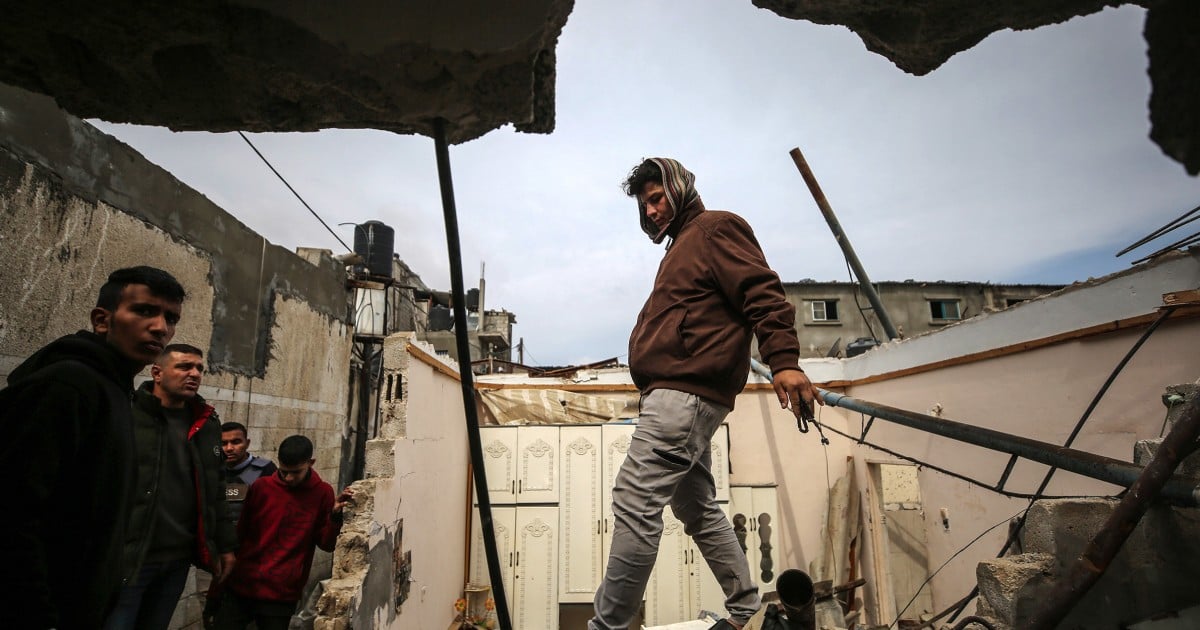
Israel announces an evacuation plan for Gaza's combat areas, reinforcing its intention to invade Rafah; Palestinian Authority's government tenders its resignation amid diplomatic efforts to take over Gaza's administration; the U.N.'s top court holds final day of hearings on Israel's occupation of Palestinian territories; a man dies after setting himself on fire outside the Israeli Embassy in Washington; Israeli military concludes its raid of a major hospital in Gaza, leaving it "not functional"; Israeli airstrikes in Lebanon hit deeper than in recent years, targeting Hezbollah air defenses in the Bekaa Valley.
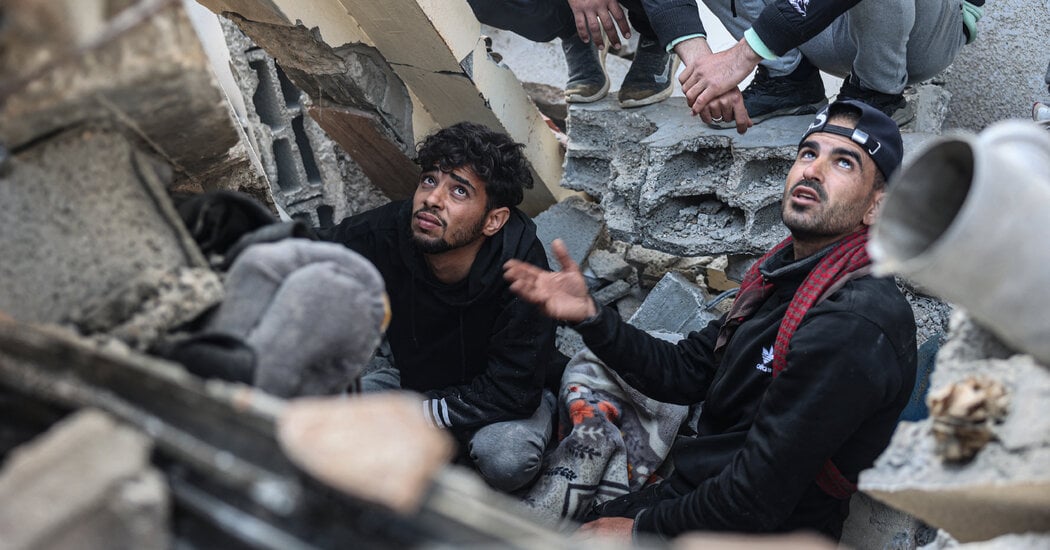
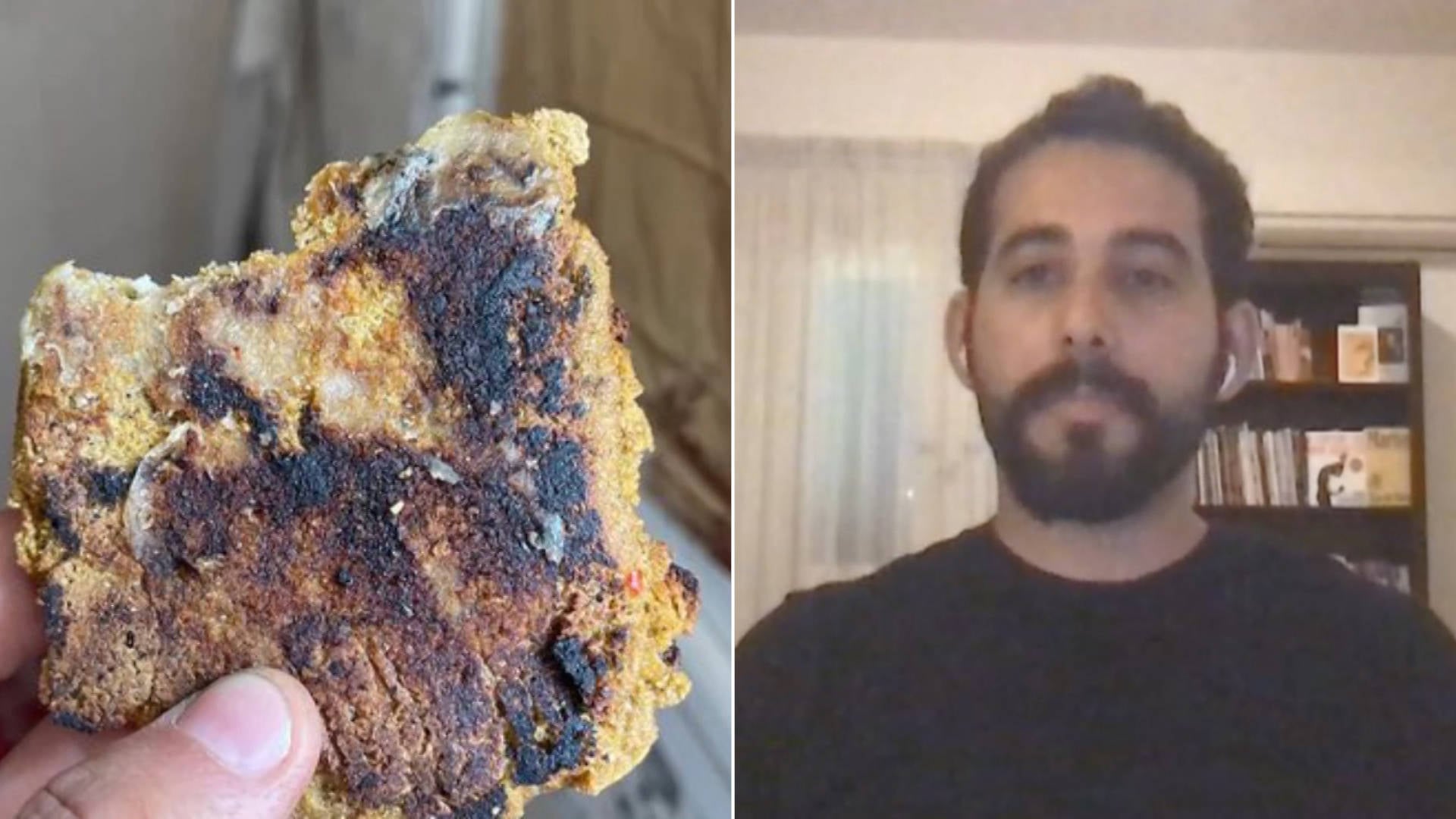
In Gaza, a famine is unfolding, with the majority of the population at risk of starving, leading to the death of a 2-month-old Palestinian boy and forcing families to eat animal feed. The UN warns of an explosion in child deaths due to lack of food and water, while aid programs remain insufficient. Mosab Abu Toha, a Palestinian poet and founder of the Edward Said Library in Gaza, shares the daily struggle of his family to find food, highlighting the dire situation and the impact of the ongoing Israeli occupation and siege on Gaza.
In the Jabalia refugee camp in Gaza, residents are resorting to desperate measures to feed their families, including slaughtering horses and scavenging for scraps and leaves. The ongoing conflict has exacerbated already dire living conditions, with food shortages, contaminated water, and power cuts. Aid agencies are struggling to reach the area, leaving over 2.2 million people on the brink of famine. The situation has led to alarming levels of malnutrition, particularly among young children, and has sparked protests against starvation and the blockade.