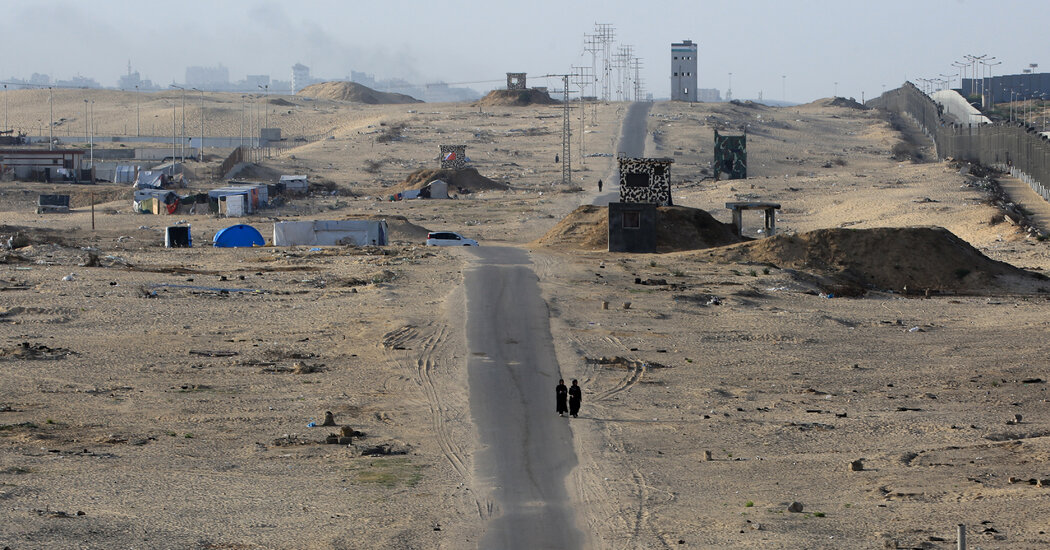
The International Court of Justice ruled that Israel has failed to meet its obligations as an occupying power in Gaza by not adequately providing aid to Palestinian civilians, emphasizing the need for Israeli cooperation with the UN to ensure essential supplies.
The ICJ issued a comprehensive advisory opinion affirming Israel's legal obligations as an occupying power and UN member, emphasizing the duty to facilitate humanitarian aid, respect U.N. privileges, and prohibit starvation and forcible transfers in Gaza, highlighting the legal basis for holding Israel accountable for its conduct.
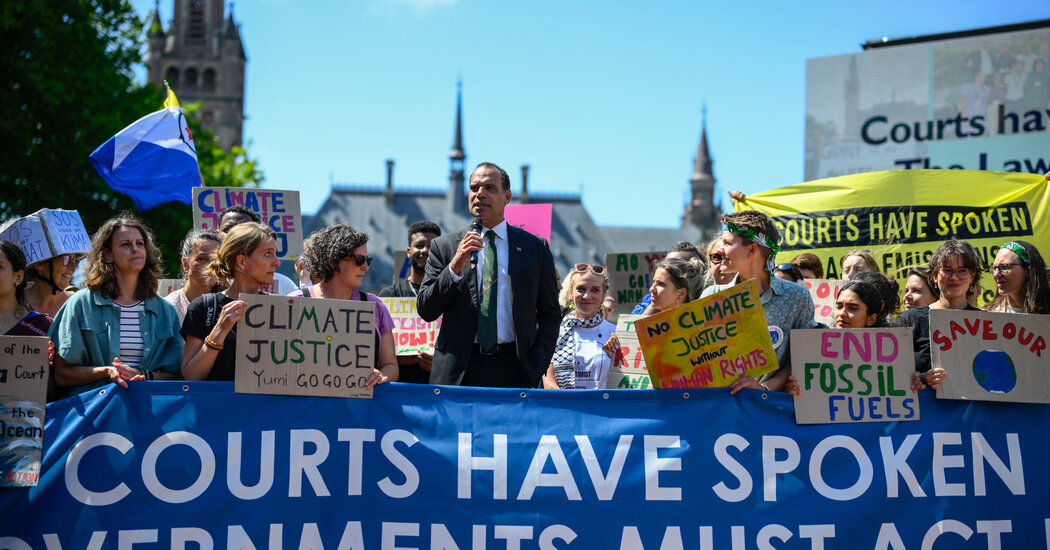
The International Court of Justice declared that countries must act to combat climate change, emphasizing that failure to do so may be considered an internationally wrongful act and highlighting the obligation to limit global warming to 1.5°C, which could influence future litigation and international policies.
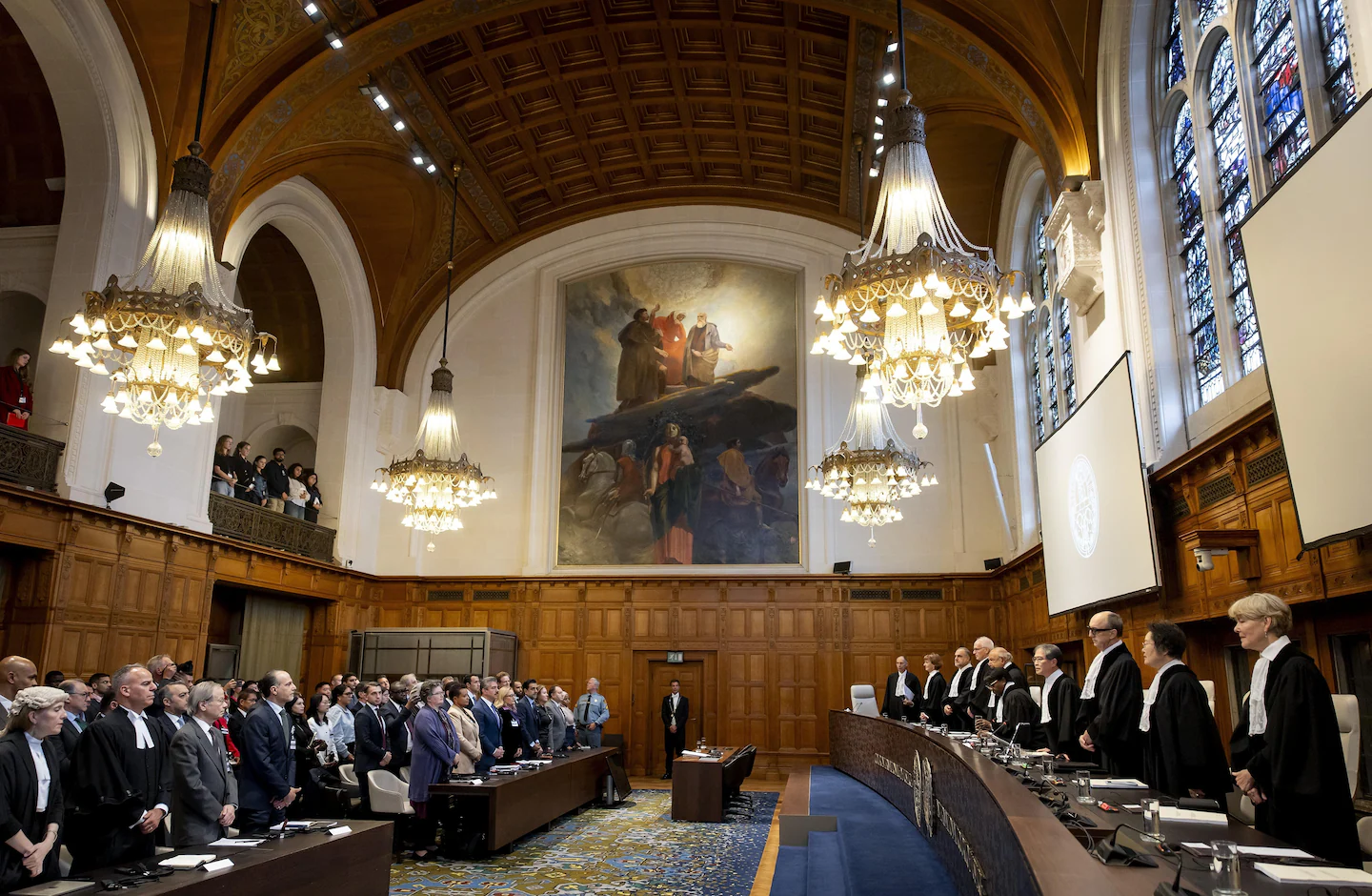
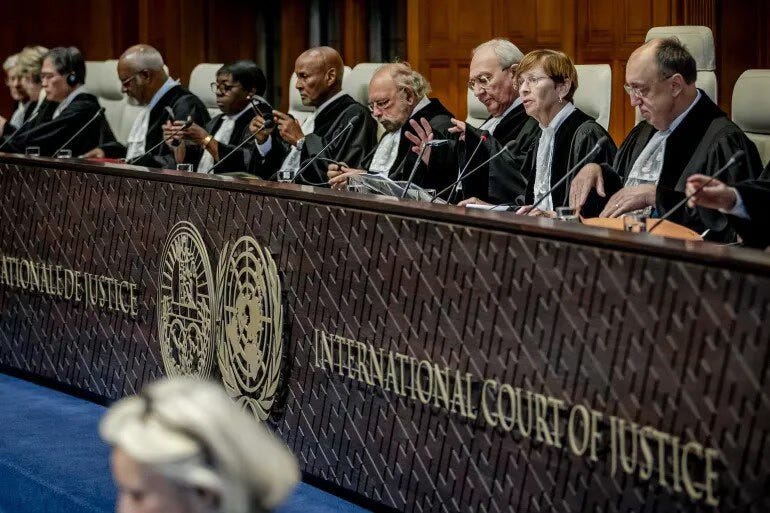
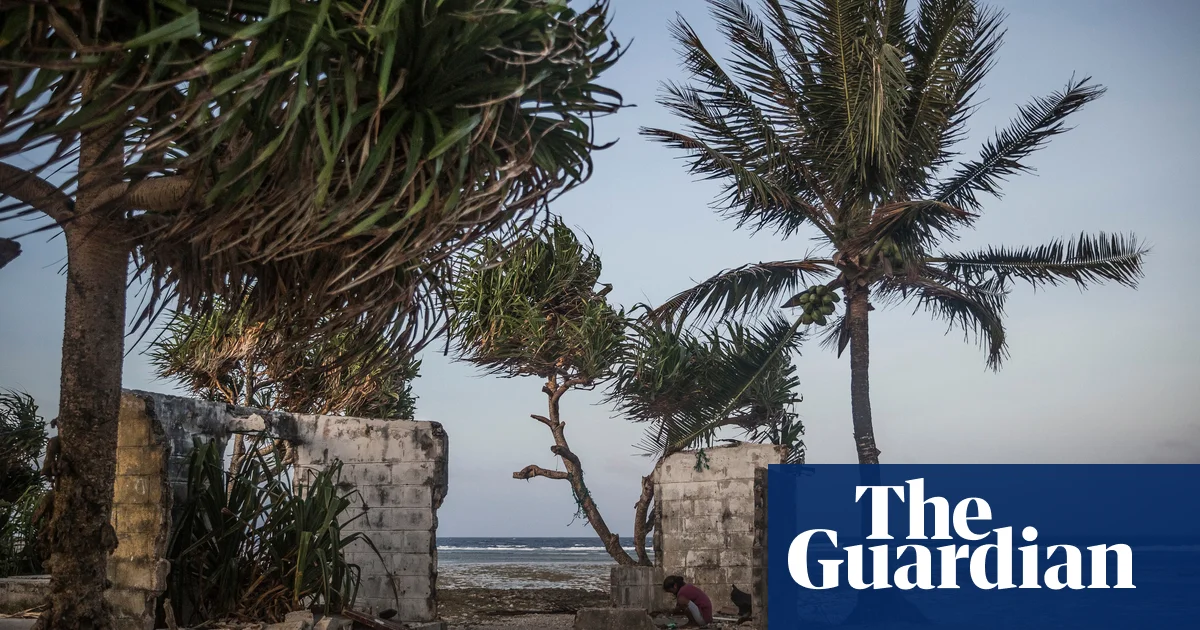
The International Court of Justice (ICJ) in The Hague is hearing a pivotal case involving nearly 100 countries, led by Vanuatu, to clarify the legal responsibilities of governments in combating climate change and addressing damages from rising temperatures. Although the court's decision will not be legally binding, it could influence global climate change lawsuits. The case, initiated by law students in Fiji and supported by Vanuatu, seeks to establish international legal obligations for climate action and could impact financial compensation claims by small island states against developed nations for historical emissions. The hearings will conclude in December, with a decision expected in 2025.
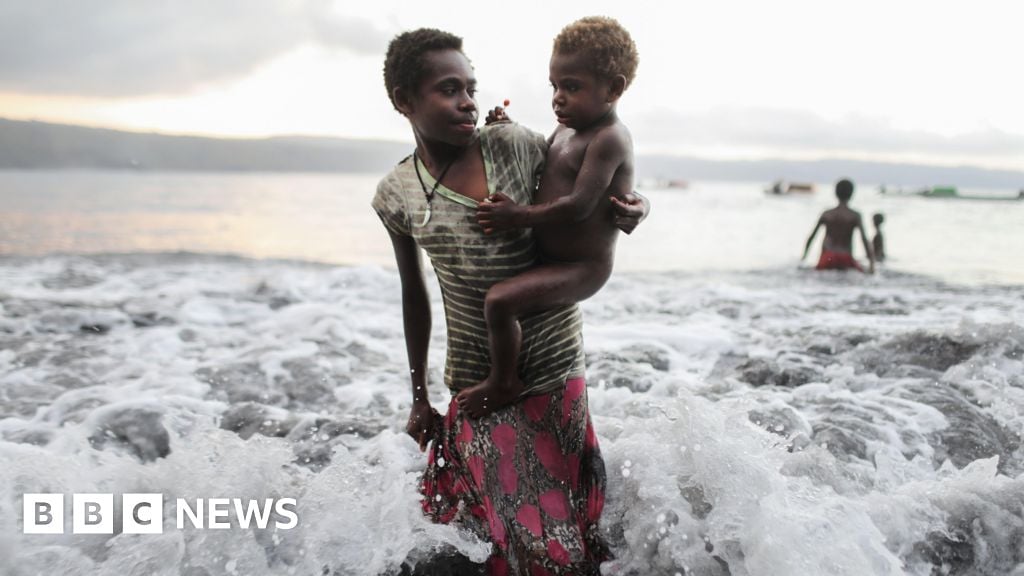
The International Court of Justice (ICJ) is set to begin hearings on a landmark climate change case, focusing on the legal obligations of countries to combat climate change and assist vulnerable nations. Initiated by island nations, the UN General Assembly requested the ICJ's advisory opinion on state responsibilities regarding climate change. Although non-binding, the opinion, expected in 2025, holds significant legal and political weight. The hearings follow criticism of inadequate climate finance agreements at the recent Cop29 summit, highlighting the urgent challenges faced by Pacific nations due to climate change.
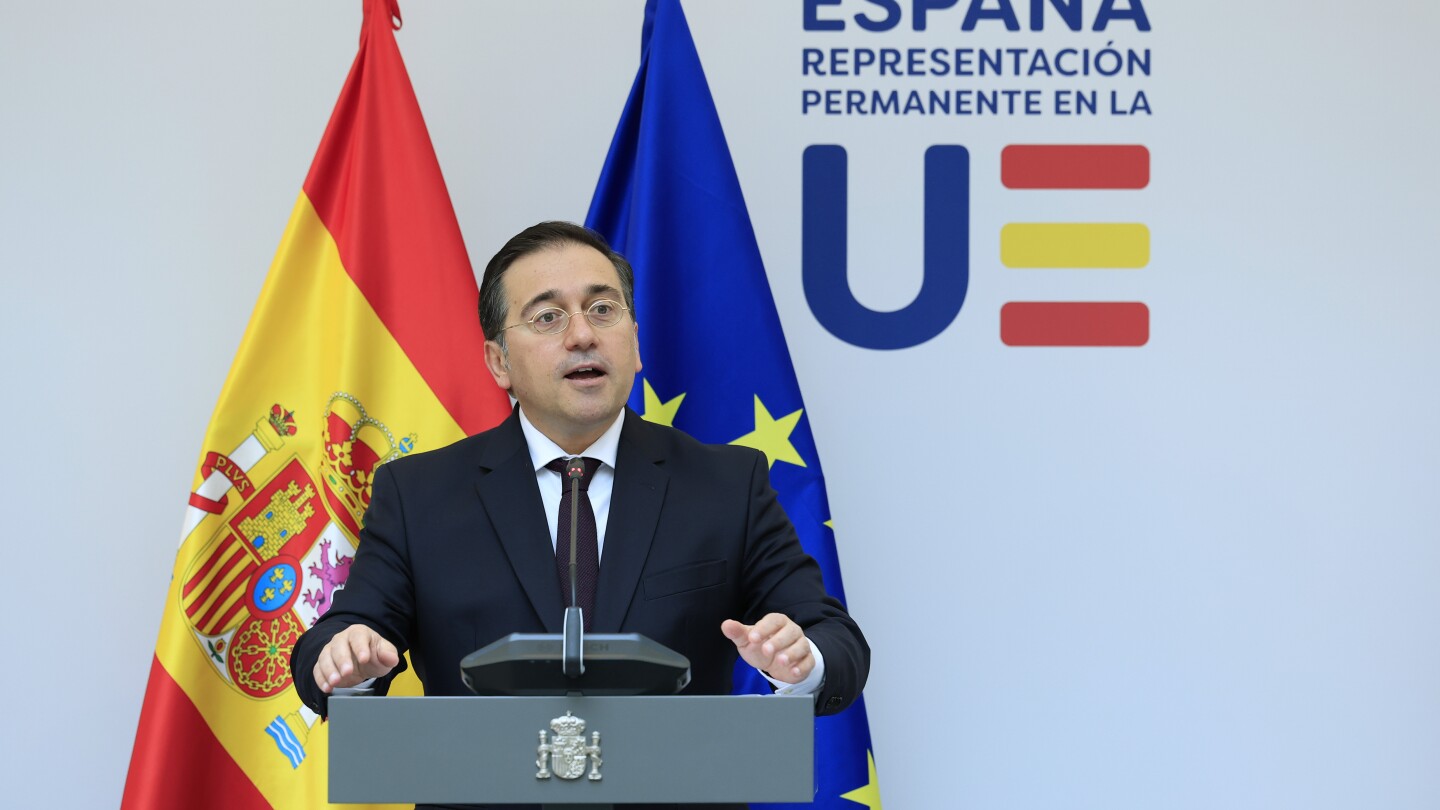
Spain has become the first European country to seek permission to join South Africa's case at the International Court of Justice, accusing Israel of genocide in Gaza. The case, filed last year, alleges Israel's military actions in Gaza violate the genocide convention. Spain's move aims to pressure Israel to comply with the court's interim measures to halt military operations in Rafah. Other countries, including Mexico and Libya, are also awaiting approval to join the case. The court's final decision is expected to take years.
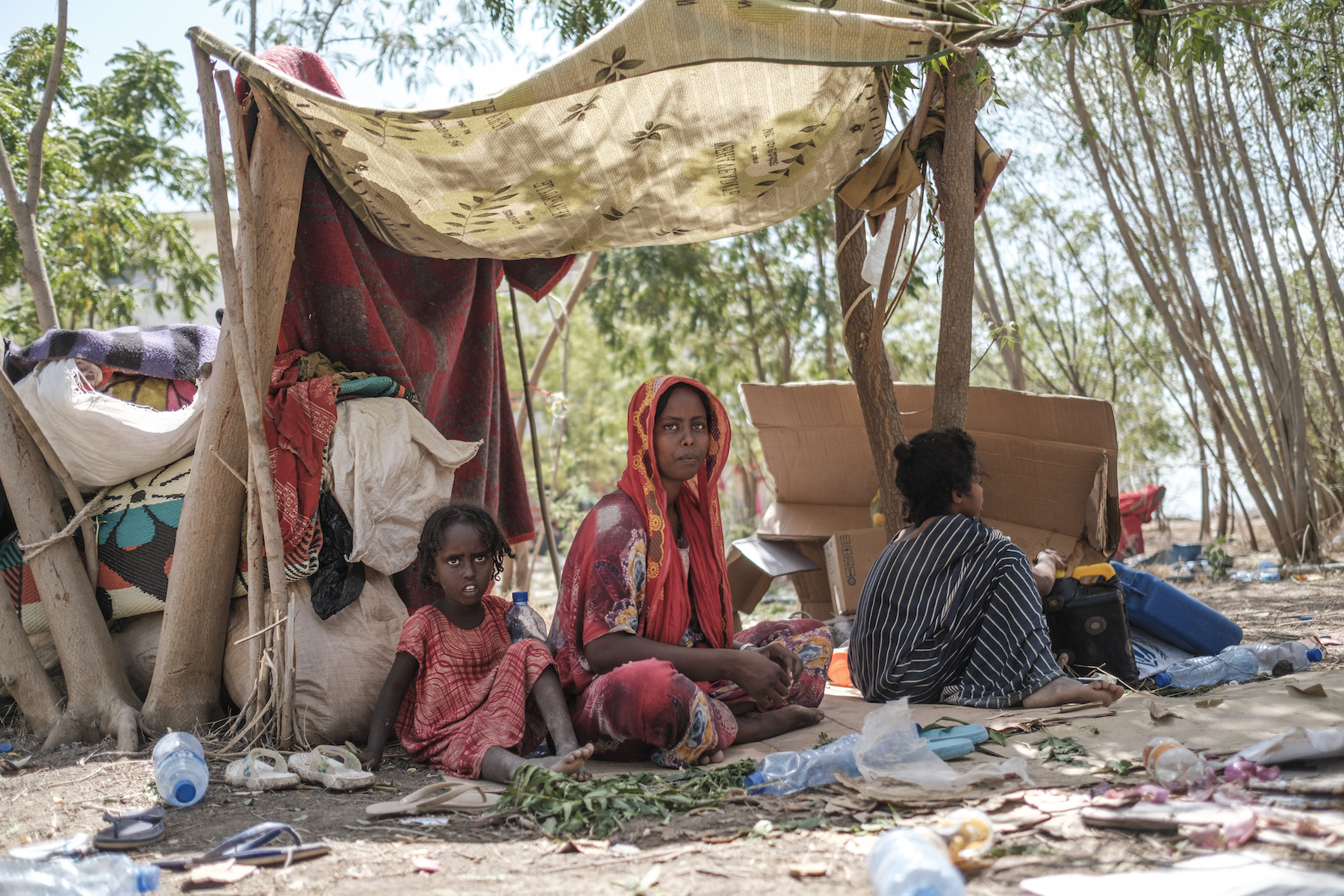
A report by the New Lines Institute provides strong evidence that Ethiopian forces committed genocidal acts during the Tigray war, targeting Tigrayans with mass killings and starvation. The report calls for Ethiopia to be prosecuted at the International Court of Justice, aligning with UN findings of ongoing war crimes and crimes against humanity.
Palestinian officials have applied to join South Africa's case at the International Court of Justice, accusing Israel of genocide in Gaza. The request alleges that Israel's military operations aim to systematically destroy Palestinian society and its institutions. Israel denies the genocide accusations, stating its actions are against Hamas. The court has issued preliminary orders for Israel to prevent deaths and increase humanitarian aid, but the offensive continues. The case could take years to resolve, and the U.S. opposes Palestinian statehood without direct negotiations with Israel.
Chile has joined a group of developing nations supporting a genocide case against Israel at the International Court of Justice, citing humanitarian devastation in Gaza. President Gabriel Boric condemned the Israeli army's actions as "indiscriminate and disproportional" and called for a firm international response. Israel rejects the claim, arguing its actions are in defense against Hamas militants. Chile has a significant Palestinian community and joins countries like Mexico, Brazil, and Indonesia in backing the case.
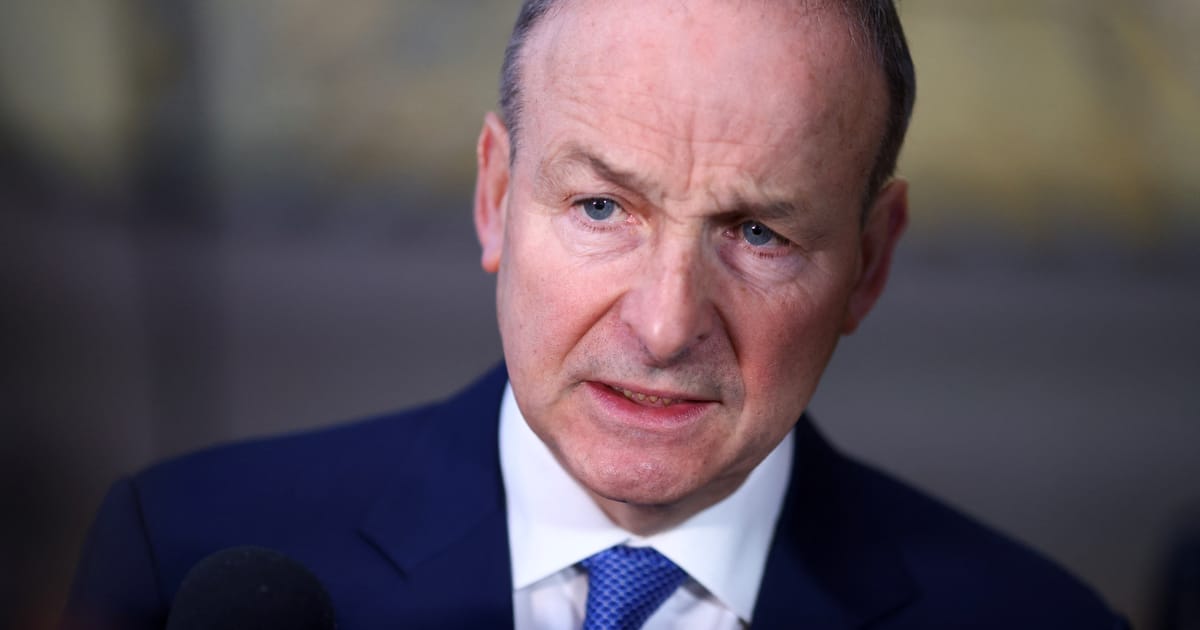
EU foreign ministers have engaged in significant discussions about potentially sanctioning Israel if it fails to comply with international humanitarian law, following the ICJ's ruling to halt its offensive in Rafah and open the border for humanitarian aid. Irish Foreign Minister Micheál Martin highlighted the consensus on upholding international legal institutions, though noted differing perspectives among member states. The discussions come in the wake of continued Israeli operations in Rafah, including a recent bombing that killed at least 45 Palestinians.
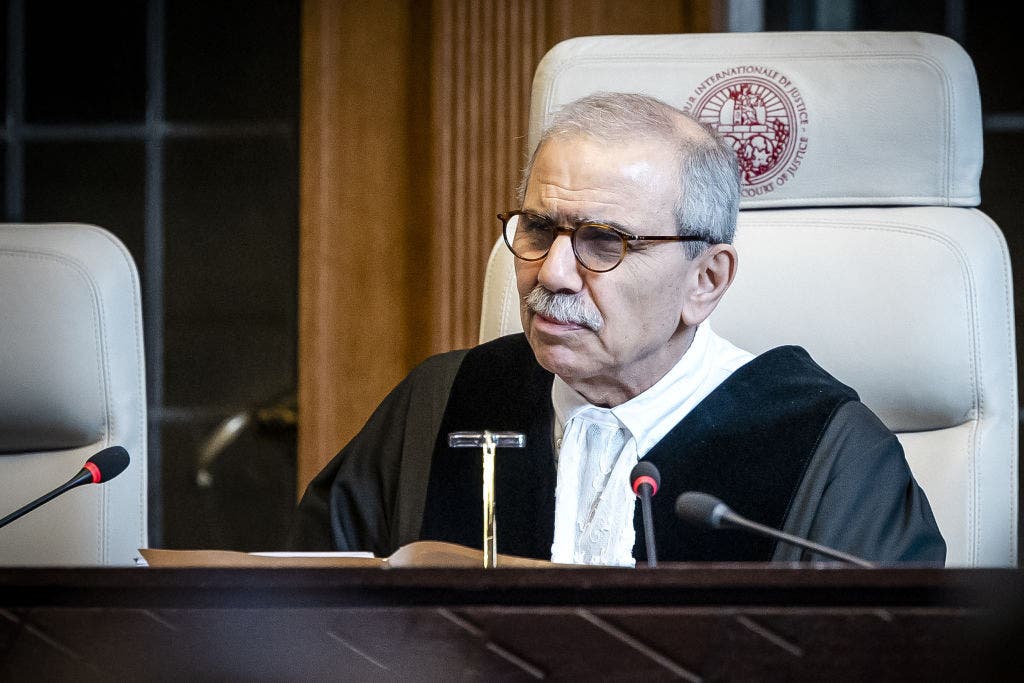
The International Court of Justice (ICJ) has ordered Israel to halt its military offensive in Rafah, citing potential violations of the Genocide Convention. The ruling has sparked controversy due to the perceived anti-Israel bias of ICJ President Nawaf Salam, a Lebanese national with a history of political activism against Israel. Critics argue that Salam's involvement represents a conflict of interest, while Israel has vowed to continue its operations against Hamas. Some ICJ judges and legal experts have also expressed dissenting opinions on the ruling.
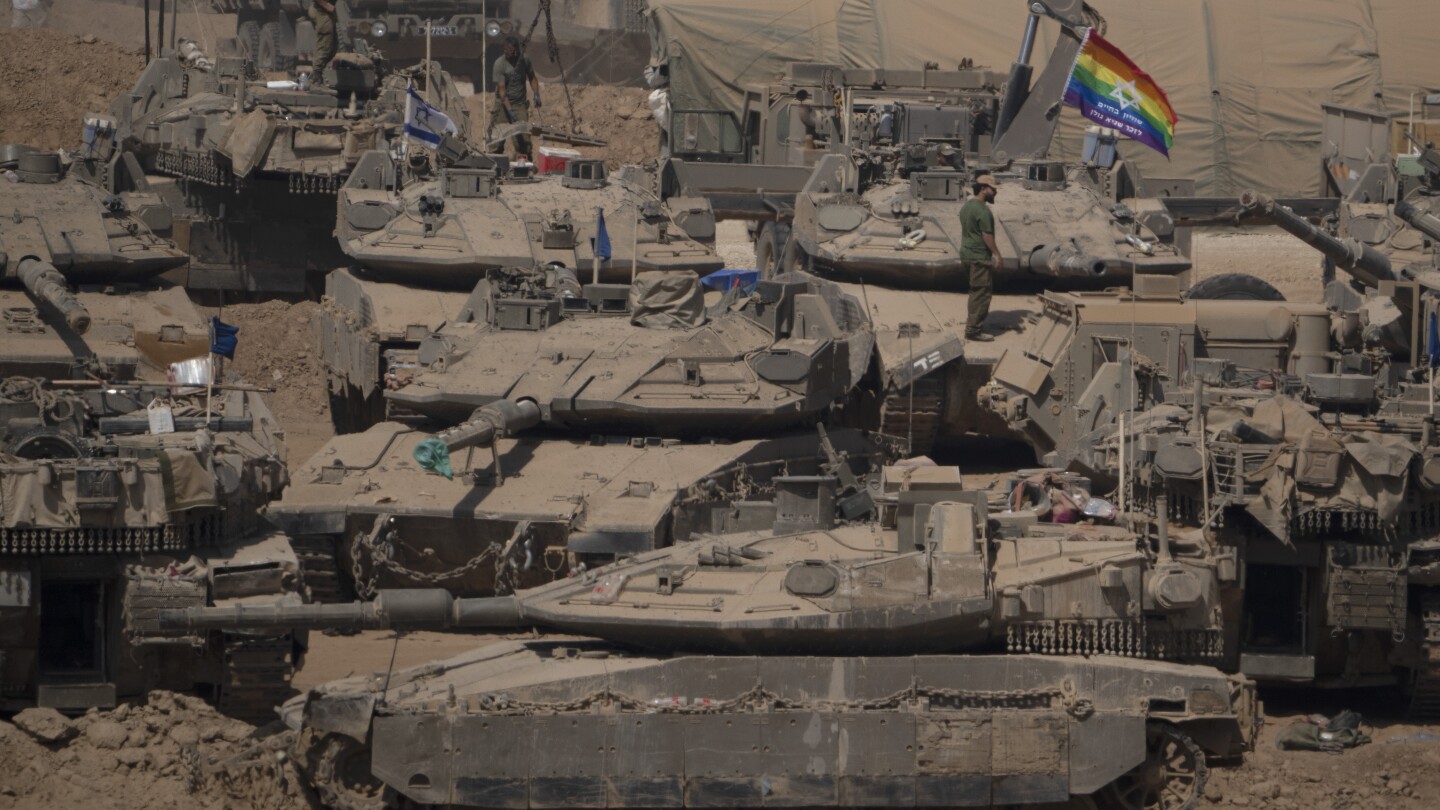
The Israeli military continues its operations in Rafah, Gaza, against Hamas despite an International Court of Justice ruling to halt activities to protect civilians, interpreting the ruling as allowing targeted strikes.
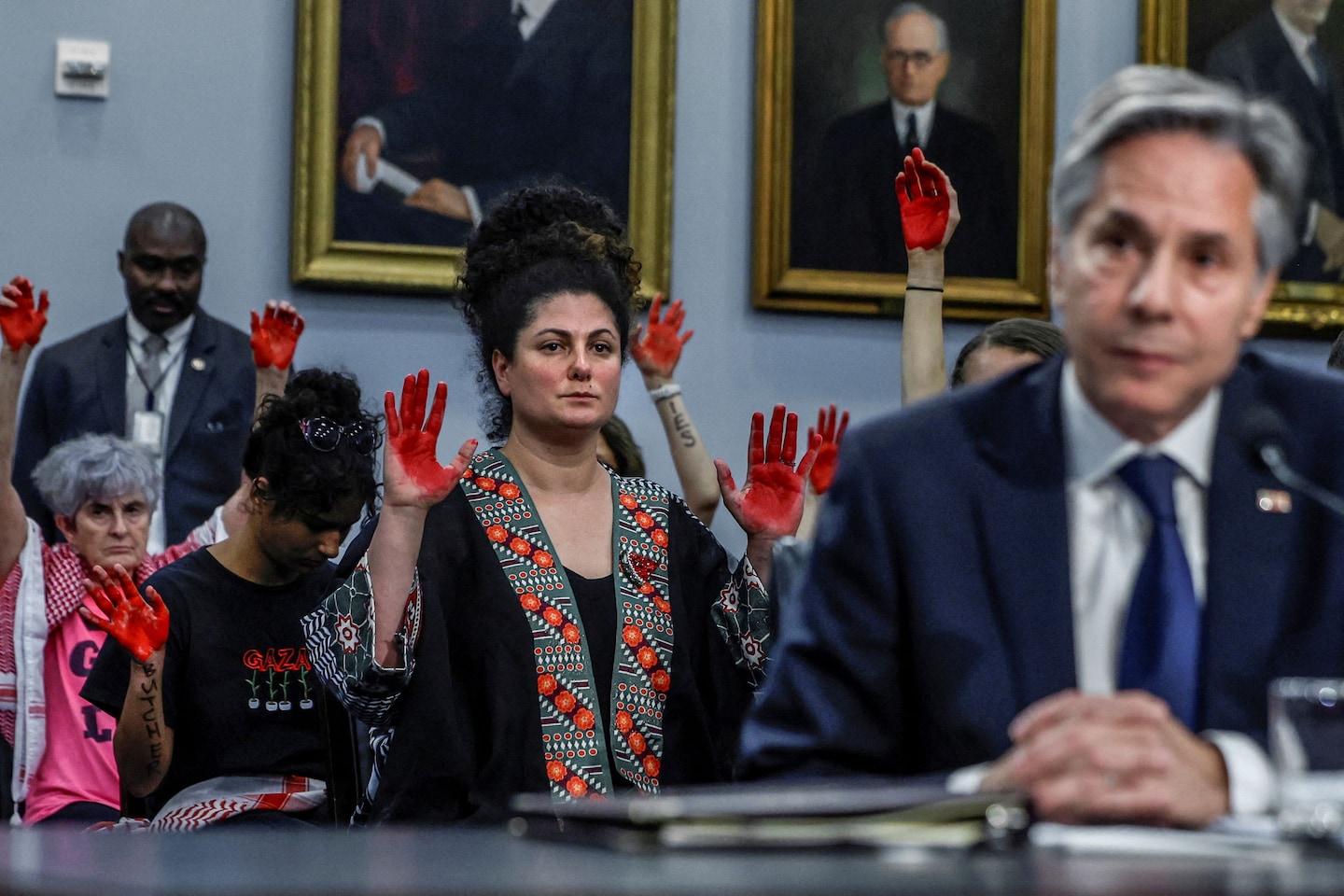
The U.S. has remained silent following the International Court of Justice's order for Israel to halt its offensive in Rafah, contrasting its vocal stance on Russia's invasion of Ukraine. The Biden administration maintains that Israel's actions are limited and aimed at combating Hamas, despite growing international condemnation and humanitarian concerns. The ICJ ruling, though not immediately enforceable, has intensified global criticism and isolated the U.S. and Israel diplomatically. Efforts for a temporary truce to facilitate humanitarian aid and hostage release continue amid the escalating crisis.
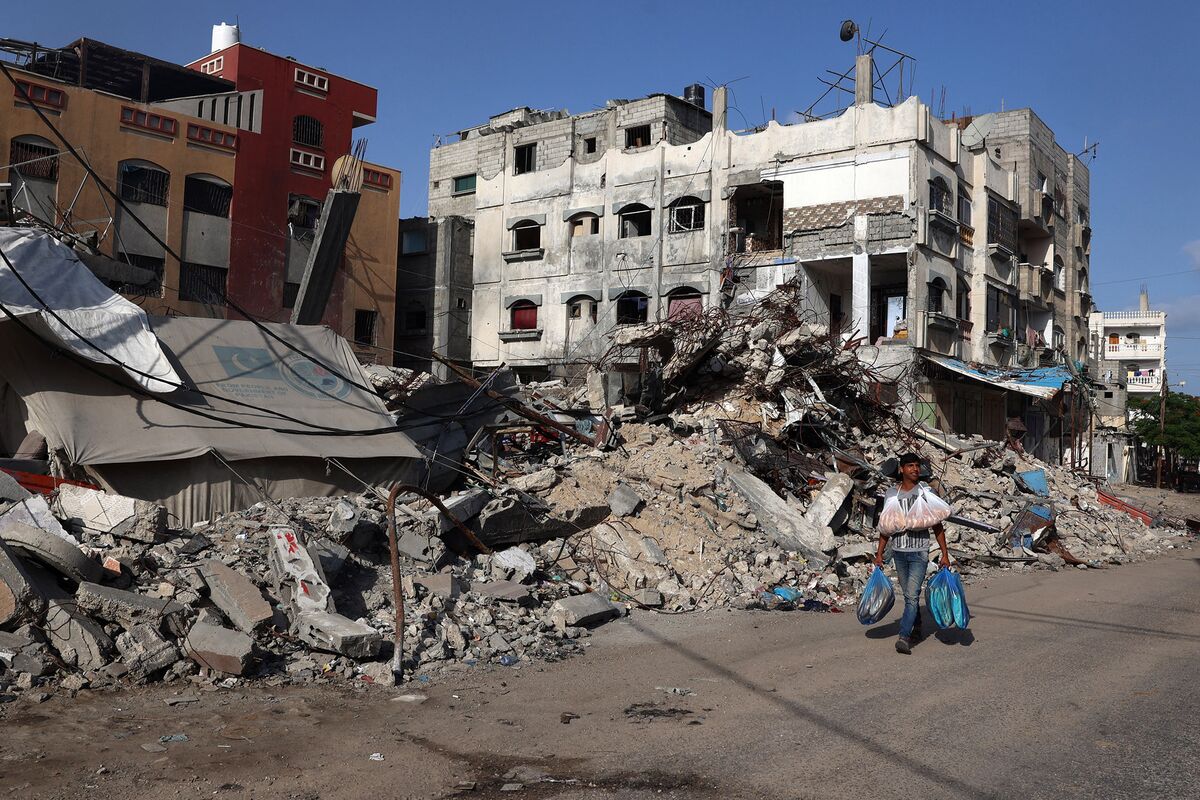
Despite international condemnation and an order from the International Court of Justice to halt its offensive in Rafah, Israel continues its military operation, citing the need to control the border with Egypt to prevent arms smuggling. The assault has led to significant civilian displacement and a humanitarian crisis, with critics questioning Israel's claims of restraint. Both Israel and the U.S. are framing the operation as "limited," allowing it to proceed more cautiously.
The International Court of Justice has ordered Israel to halt its military offensive in Rafah, Gaza, and ensure U.N. investigators have access to investigate genocide allegations. Despite the ruling, which is part of South Africa's case against Israel, enforcement is unlikely, and Israel has rejected the accusations and continues its operations against Hamas. The conflict has resulted in over 35,000 Palestinian deaths and a severe humanitarian crisis.