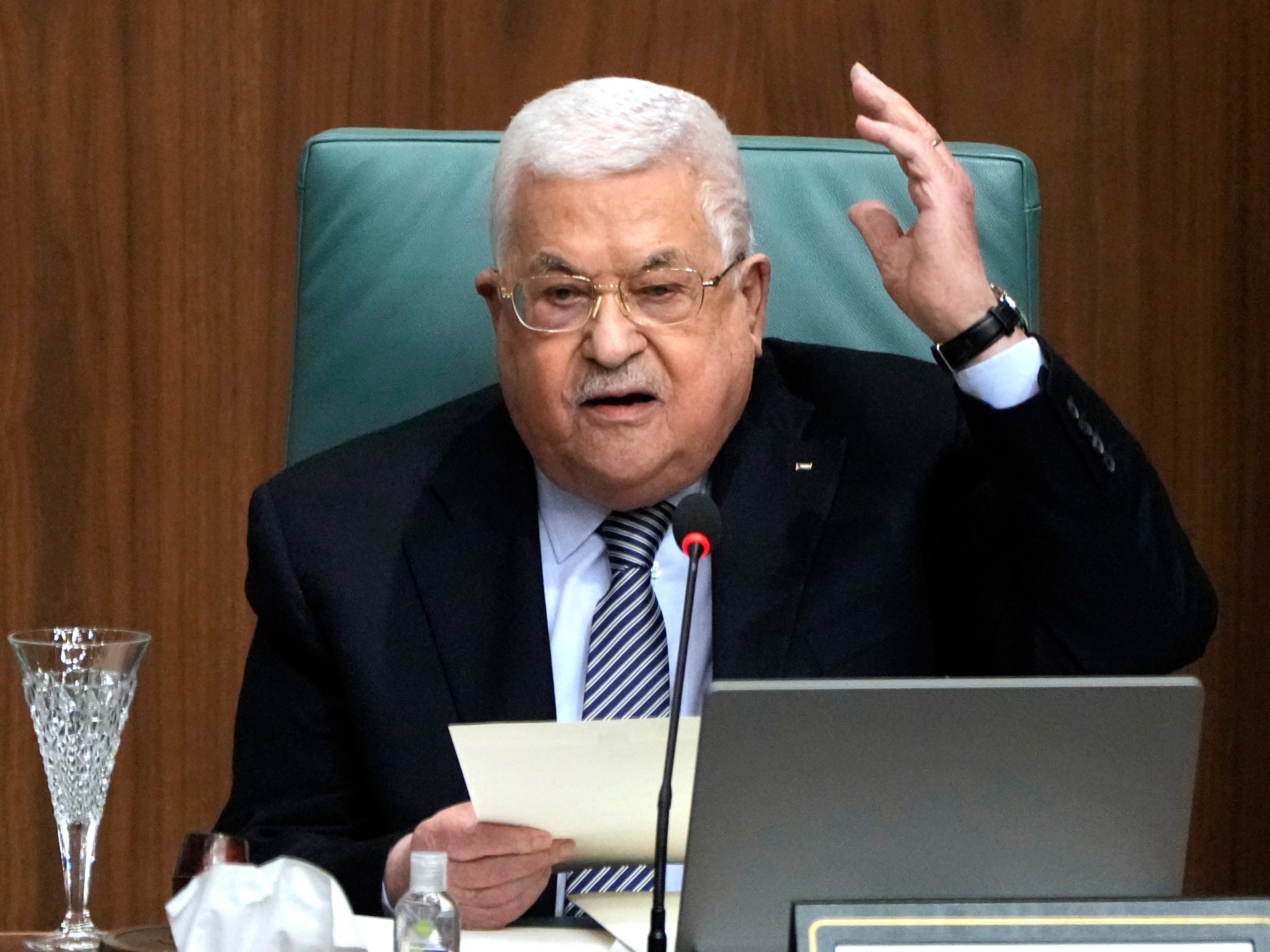
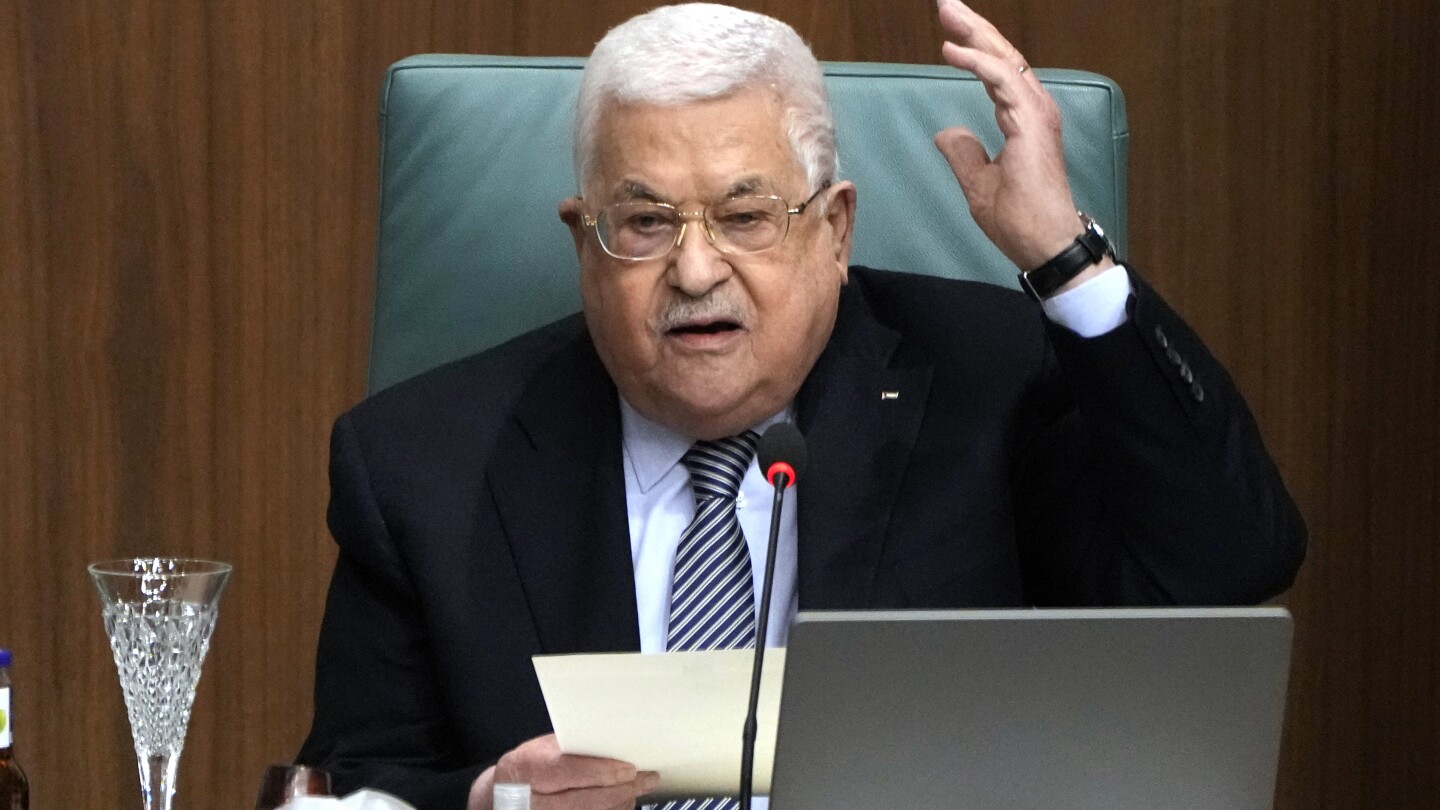
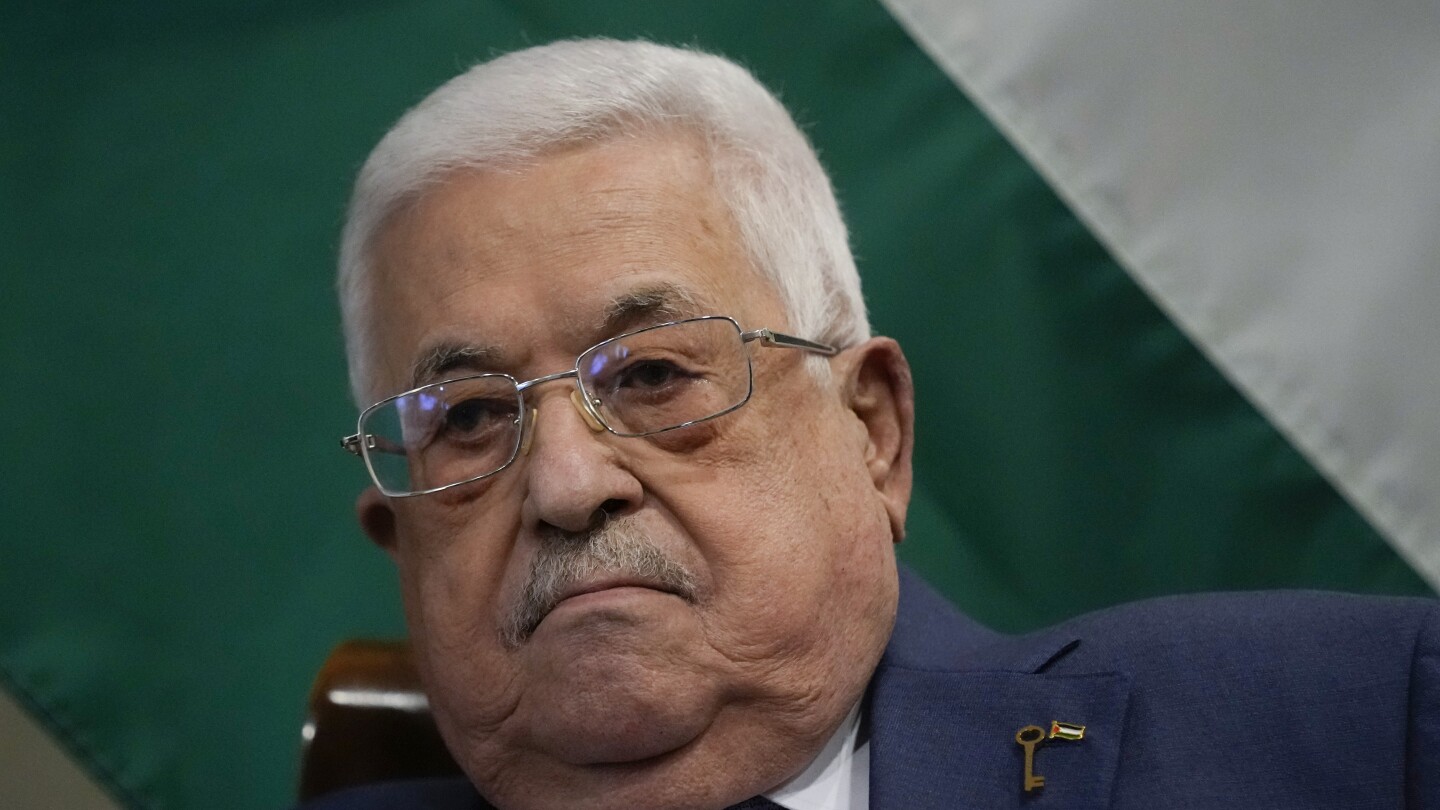
Palestinian Authority President Mahmoud Abbas, 90, was released from Istishari Arab Hospital in Ramallah after routine medical tests; WAFA said the results were reassuring and his health remains stable as he continues to oversee PA affairs.
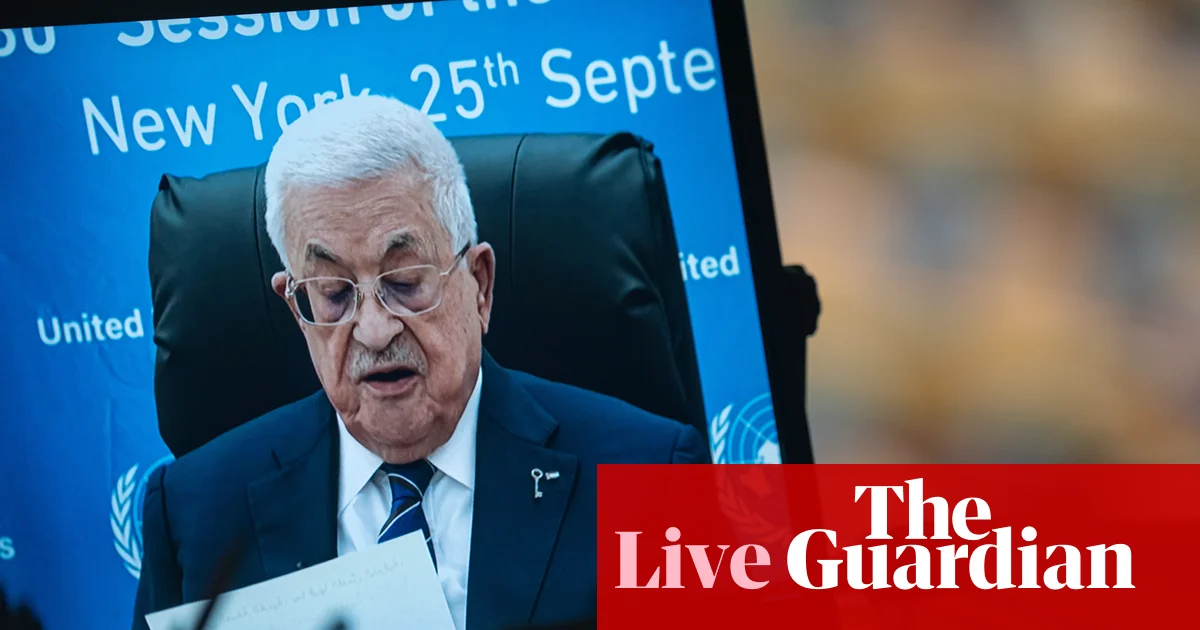
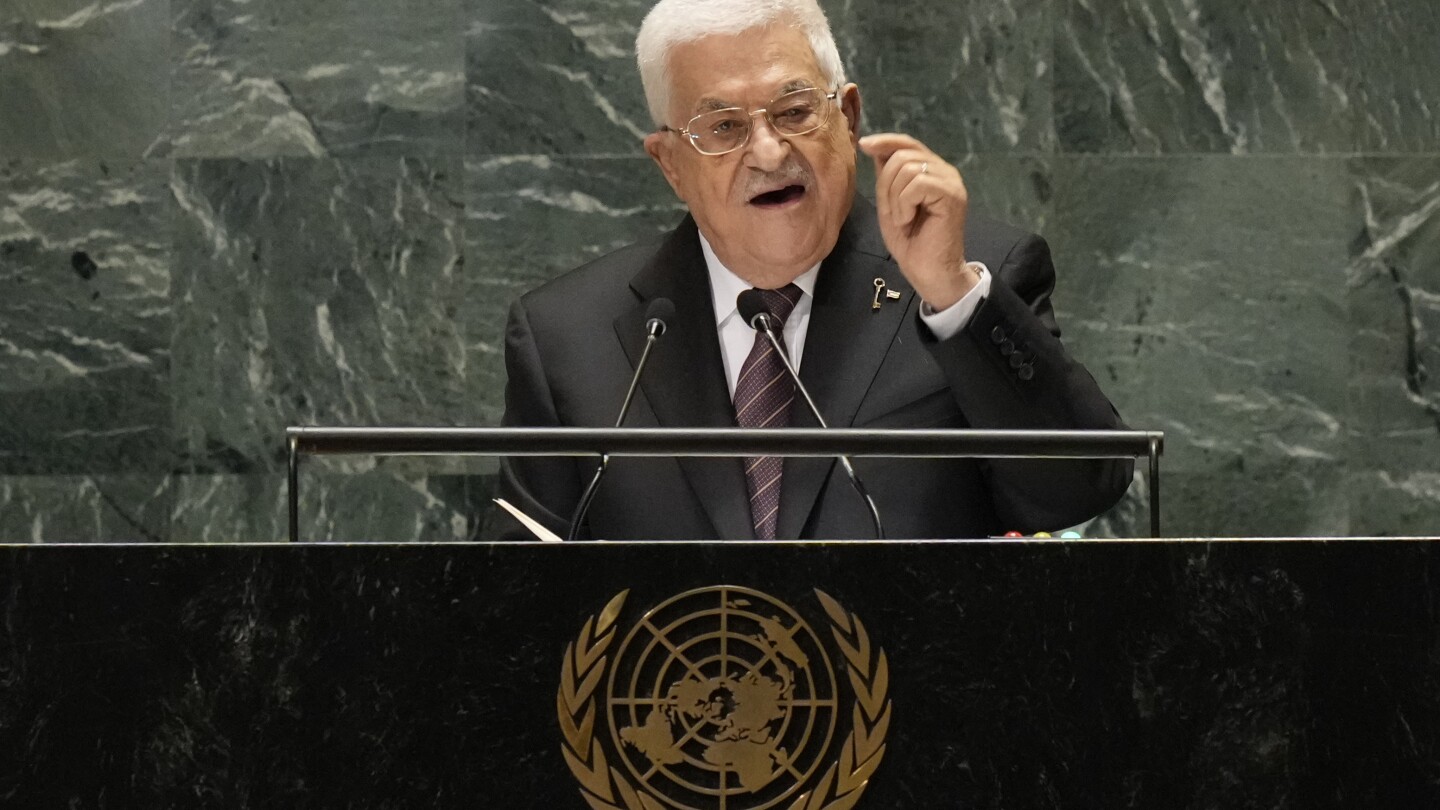
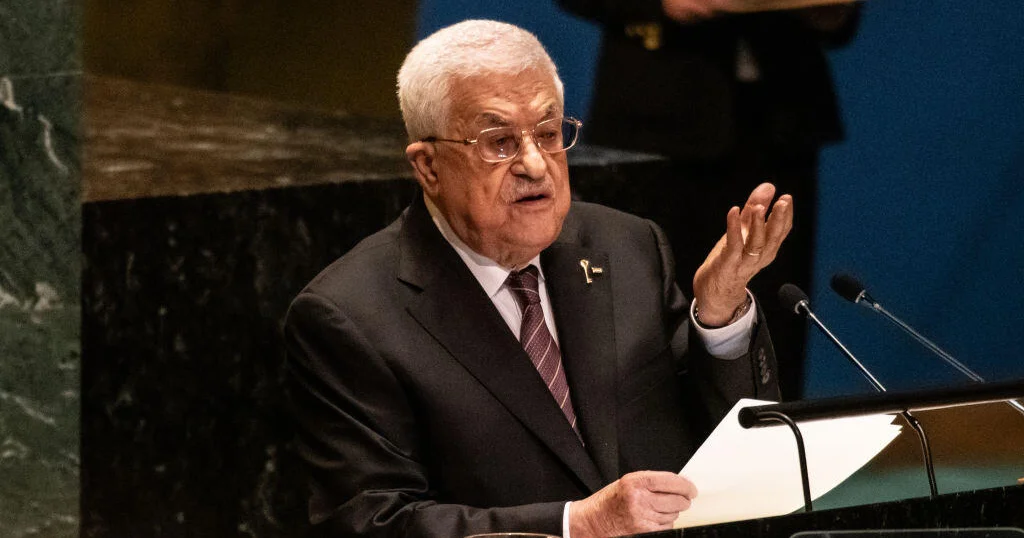
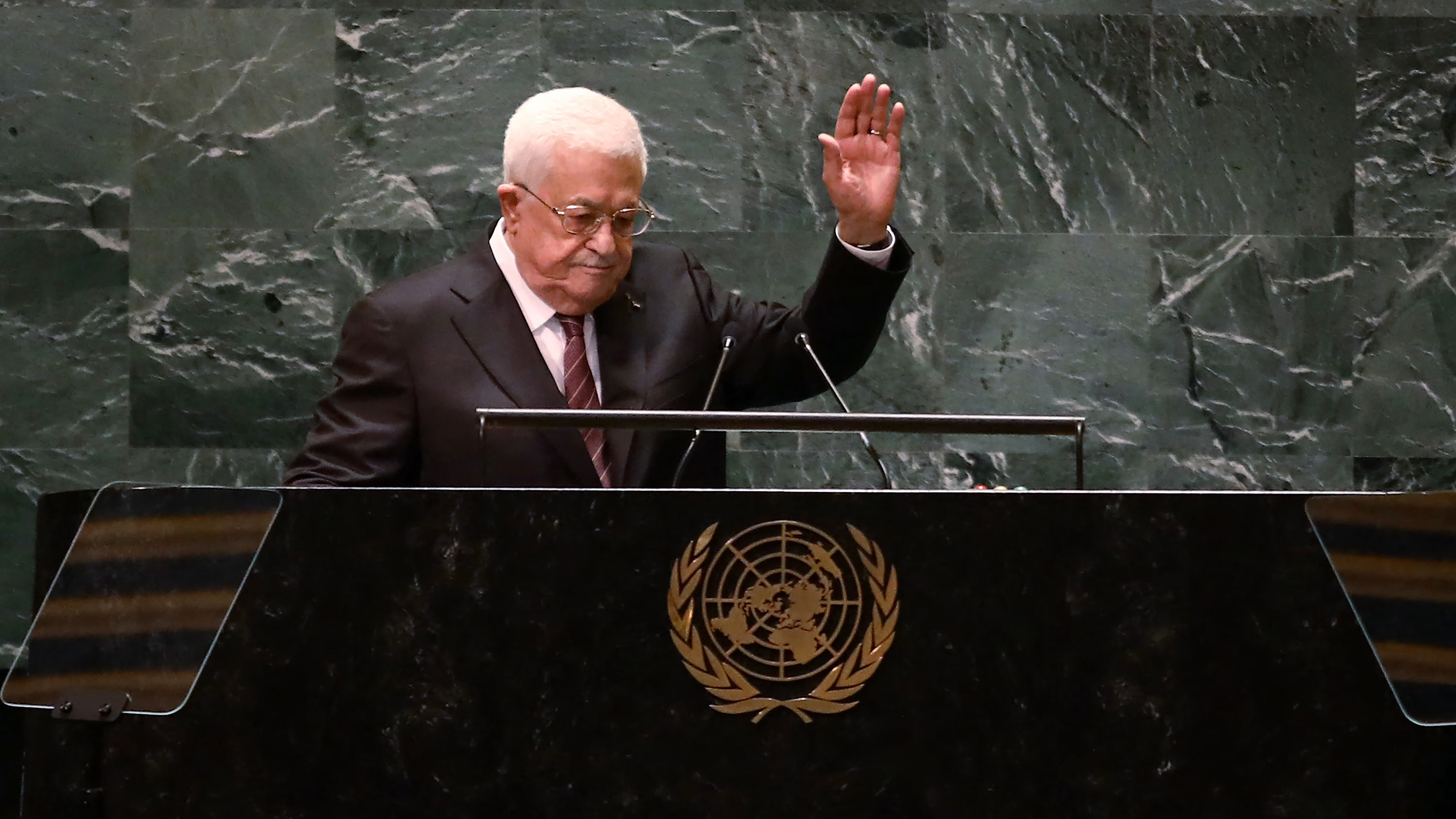
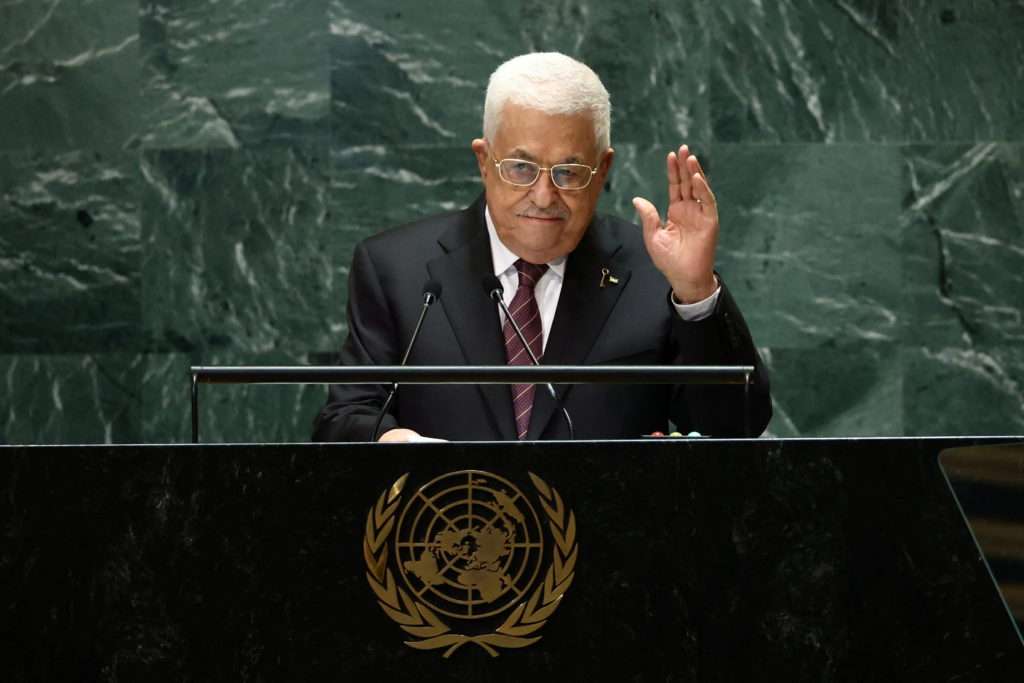
Palestinian President Mahmoud Abbas accused Israel of committing war crimes and crimes against humanity in Gaza, condemned settlement expansion, and rejected Hamas's role in future governance, while addressing the UN remotely after US visa revocation. The article also covers international reactions, military actions, and geopolitical developments related to the conflict.
The UN General Assembly approved Mahmoud Abbas to address the meeting via video after the US revoked his visa, amid ongoing tensions over Palestinian statehood efforts and US opposition to recognizing a Palestinian state, which has led to diplomatic disputes and stalled peace talks.
The US revoked the visa of Palestinian President Mahmoud Abbas ahead of the UN General Assembly, prompting protests from Palestine and European countries, amid ongoing tensions related to Gaza and US-Palestinian relations.
The U.S. has revoked the visas of Palestinian President Mahmoud Abbas and 80 other officials ahead of the UN General Assembly, citing national security concerns and non-compliance with commitments to combat terrorism, prompting protests from the Palestinian Authority and raising international legal questions.
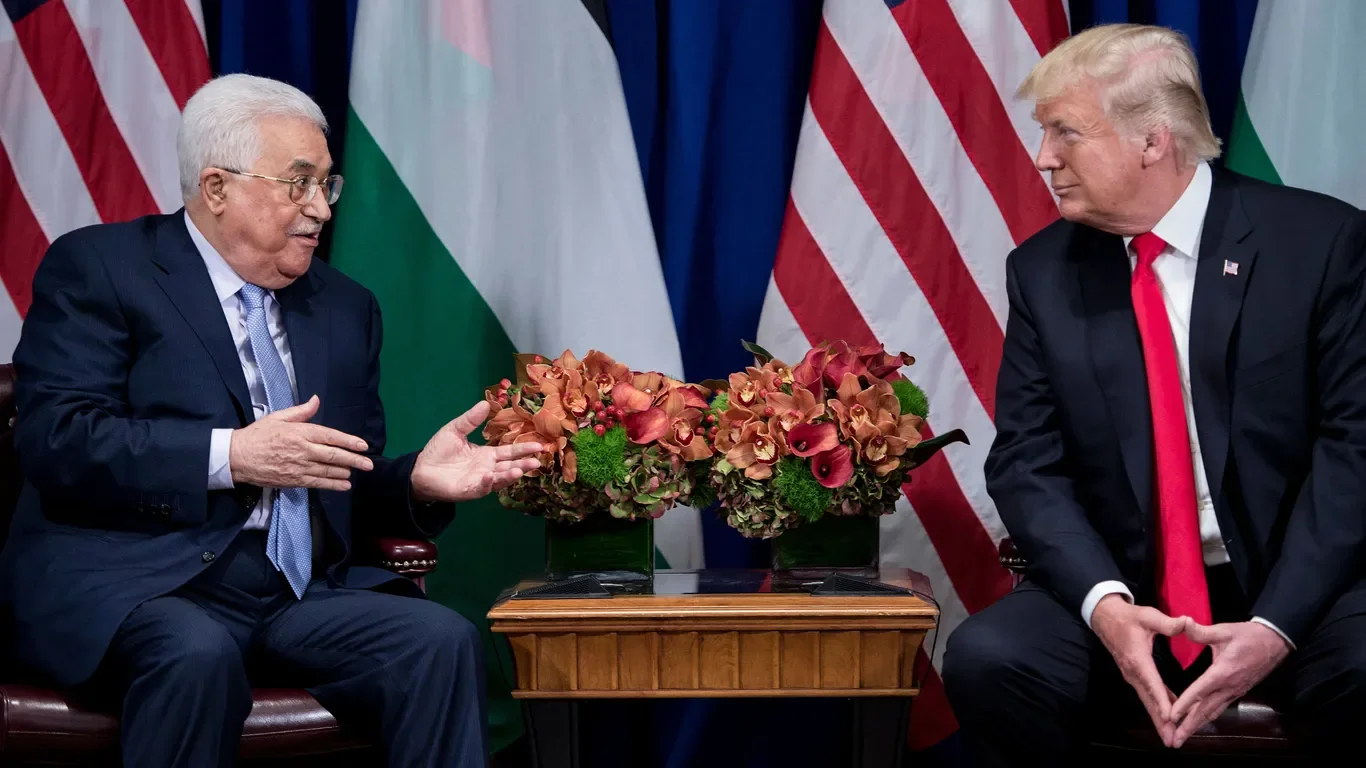
The US has announced it will deny visas to senior Palestinian officials attending the UN General Assembly, citing Palestinian actions and policies, which could prevent Palestinian President Mahmoud Abbas from attending. This move highlights ongoing tensions over Palestinian recognition and US-Israel relations, with the US seeking to deter Palestinian moves toward declaring independence.
The Palestinian presidency criticized Iran's Supreme Leader Ayatollah Ali Khamenei for praising Hamas' Oct. 7 attack on southern Israel, accusing Iran of exploiting the Palestinian struggle for its own interests. The Palestinian Authority emphasized that such actions do not serve their national goals of ending the occupation and establishing an independent state with East Jerusalem as its capital. Iran, a major backer of Hamas, has denied coordinating the attack, which led to a significant escalation in the Gaza conflict.
The Palestinian Authority has announced a new cabinet, aiming to present a technocratic government that can aid in the reconstruction of Gaza and combat corruption. The reshuffle, driven by U.S. and international pressure, comes amid hopes that the authority can overcome credibility issues and play a role in governing Gaza after Israel's military campaign. However, the announcement has been met with skepticism, with concerns about the government's capability and legitimacy, as well as calls for broader national unity.
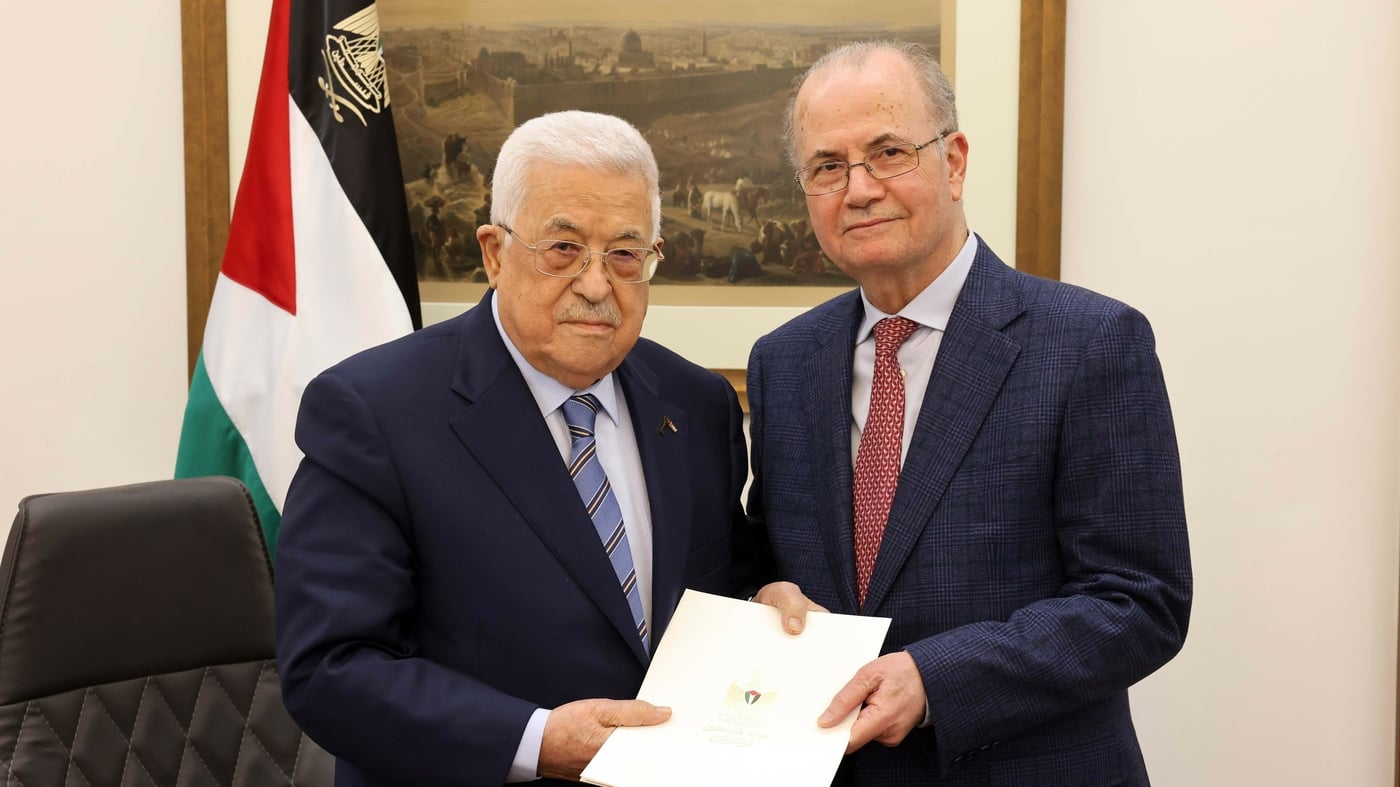
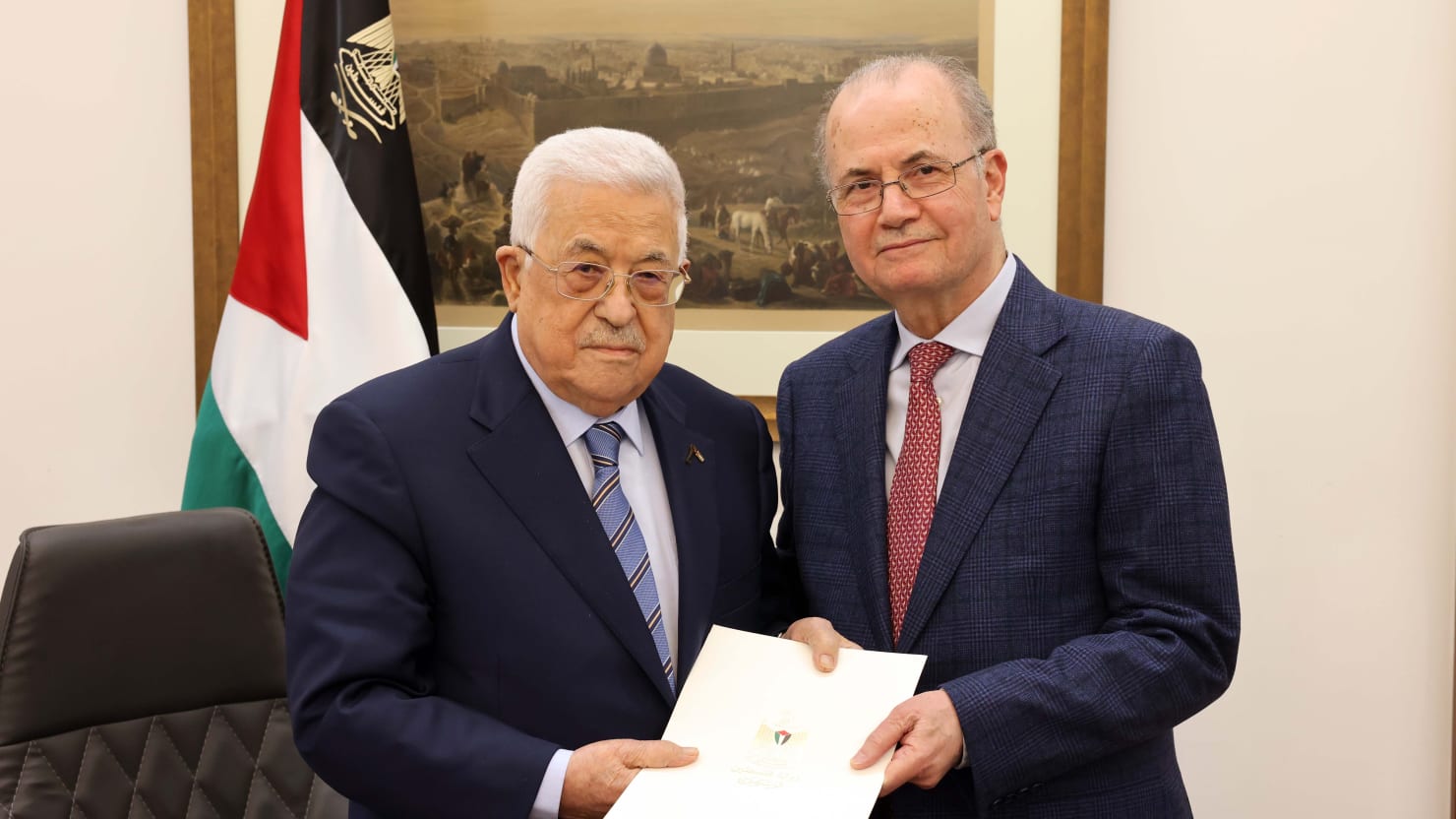
Palestinian Authority President Mahmoud Abbas has announced the formation of a new interim government amid international pressure for reform, appointing US-educated economist Mohammad Mustafa as prime minister. The new Cabinet aims to address the need for change amid Israel's assault on Gaza and escalating violence in the occupied West Bank. However, the PA faces challenges due to its strained relationship with Hamas, lack of popular support, and failure to hold elections in 18 years. The United States has called for a revitalized PA to administer Gaza after the Israeli war on the territory ends, but Hamas has rejected the new government as illegitimate, advocating for a power-sharing arrangement among all Palestinian factions.
The Palestinian Authority has announced a new Cabinet amid international pressure for reform, with President Mahmoud Abbas appointing Mohammad Mustafa as prime minister and foreign minister. The new government includes some ministers from Gaza, but its legitimacy is questioned due to the PA's lack of popular support and 18 years without elections. The United States has called for a revitalized PA to administer postwar Gaza, while Hamas rejects the new government and calls for a power-sharing arrangement among Palestinian factions ahead of national elections.
Palestinian President Mahmoud Abbas appointed Mohammad Mustafa, a longtime economic adviser, as the new prime minister of the Palestinian Authority in an attempt to appease U.S. demands for reform. However, the move is unlikely to satisfy Palestinians, who have long expressed discontent with the leadership. Mustafa, a 70-year-old with ties to the U.S., is seen as a loyalist to Abbas. The Palestinian Authority remains deeply unpopular, with a majority of Palestinians wanting it dissolved and Abbas to resign. Mustafa has been tasked with reuniting the administration of the West Bank and Gaza, reforming the government, and addressing corruption, but it's uncertain whether this will gain support from Israel's current government.
Palestinian President Mahmoud Abbas has appointed his longtime economic affairs adviser, Mohammad Mustafa, as the new prime minister of the Palestinian Authority following the resignation of his predecessor, Mohammed Shtayyeh. Mustafa's appointment comes amid international pressure to reform the Palestinian government, with a focus on national unity discussions and the evolving situation in Gaza. The move is seen as an attempt to address calls for change, although it remains uncertain if it will satisfy the U.S. Mustafa, an economist with experience at the World Bank and the Palestinian Investment Fund, will be responsible for forming a new government in the Israeli-occupied West Bank, with the goal of eventual reunification with postwar Gaza, a plan challenged by Israeli Prime Minister Benjamin Netanyahu's refusal to recognize Palestinian independence.
Palestinian President Mahmoud Abbas has appointed his longtime economic adviser, Mohammad Mustafa, as the next prime minister in the face of U.S. pressure to reform the Palestinian Authority. Mustafa, a U.S.-educated economist, will head a technocratic government in the Israeli-occupied West Bank, potentially administering Gaza ahead of eventual statehood. However, the appointment faces obstacles, including opposition from Israeli Prime Minister Benjamin Netanyahu and the ongoing Israel-Hamas war. The U.S. has welcomed the appointment but urged quick implementation of reforms, while Palestinians are calling for real political change and elections.
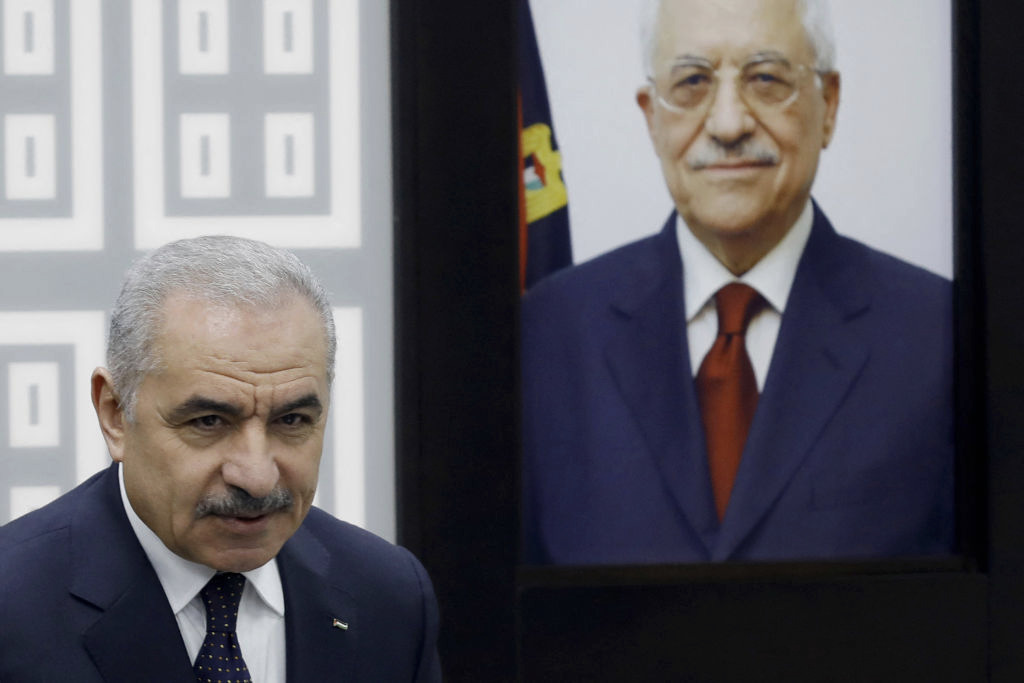
Palestinian Authority Prime Minister Mohammed Shtayyeh resigned under pressure from the US administration to revitalize the PA, paving the way for a new government. PA President Mahmoud Abbas is reportedly considering replacing Shtayyeh with Mohammed Mustafa, a senior PLO official. However, the potential change is seen as a cosmetic move, as both figures are closely associated with Abbas and the existing leadership. The article criticizes the lack of genuine political, economic, and administrative reforms and highlights the need to remove incompetent and corrupt leaders. It also questions Abbas's true intentions in reshuffling the government and emphasizes the challenges of rebuilding the Gaza Strip.