Supporters of Israeli sovereignty over the West Bank see an opportunity to declare full control, potentially abandoning the Oslo Accords, amid regional and international tensions, with debates over the extent of annexation and the future of Palestinian territories.
Norway, along with Ireland and Spain, has formally recognized Palestinian statehood based on pre-1967 borders, a move welcomed by Palestinian authorities but condemned by Israel, which withdrew its ambassadors from these countries. Norwegian Prime Minister Jonas Gahr Store stated that the decision supports moderate forces and aims to promote a two-state solution for lasting peace. Analysts view this as a symbolic move reflecting Norway's long-standing pro-Palestinian sentiment and its role as a mediator in global conflicts. The recognition also aligns with the Arab Peace Initiative and signals Norway's commitment to international law and humanitarian principles.
Amidst the escalating death toll in Gaza following clashes between Hamas and Israeli forces, veterans of past peace negotiations express cautious optimism about the potential for peace. Despite the current far-right Israeli government and Hamas' control over Gaza, the global attention on the conflict since October 7 has renewed discussions about a two-state solution. Former negotiators suggest that the crisis could present an opportunity for peace if the international community, led by the U.S. and Arab nations, takes a more active role in mediating the conflict. However, the path to peace is fraught with challenges, including security concerns, the status of Israeli settlements, governance in Gaza, and the future of Jerusalem.
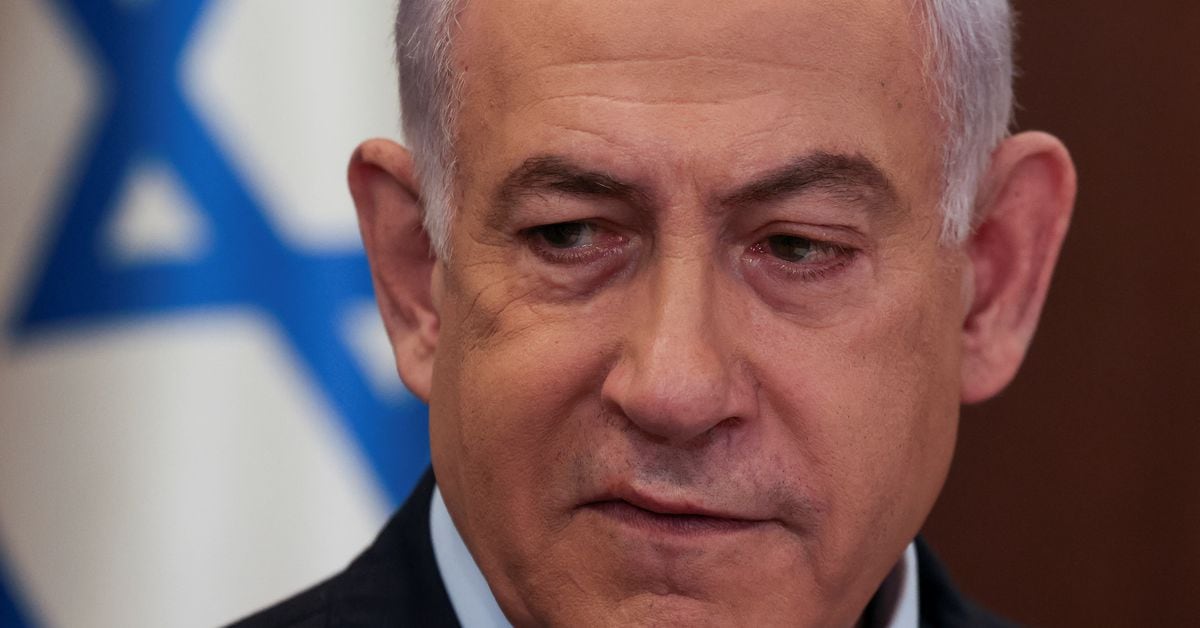
Israeli Prime Minister Benjamin Netanyahu proudly claimed to have prevented the creation of a Palestinian state, calling the Oslo Accords a "fateful mistake." He argued that the Israeli withdrawal from Gaza in 2005 demonstrated the dangers of Palestinian sovereignty in the West Bank. Several Israeli officials, including the right-wing ambassador to the UK, have also rejected the possibility of a two-state solution. Critics accuse Netanyahu of gaslighting and misrepresenting the historical record.
Israeli Prime Minister Benjamin Netanyahu stated that while Israel and the United States share common goals of destroying Hamas and recovering hostages, they differ on the future governance of Gaza after the war. Netanyahu reiterated his opposition to the return of the Western-backed Palestinian Authority under President Mahmoud Abbas, stating that Gaza will not be controlled by either Hamas or Fatah. He also mentioned not wanting to repeat the mistakes of the Oslo Accords, without specifying which mistake he was referring to. The Palestinian Liberation Organization criticized Netanyahu's statement, equating the Oslo Accords with the Israeli military's actions and accusing him of waging war against all Palestinians.
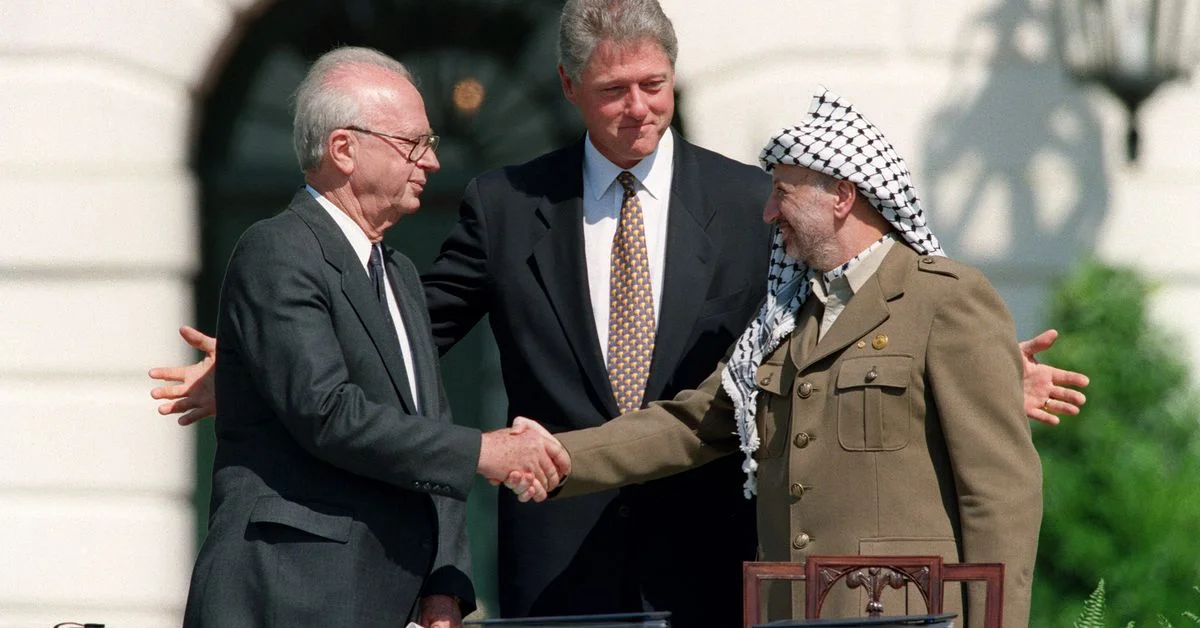
The history of Israeli-Palestinian peace talks is marked by numerous attempts and failures. The mainstream approach has been the two-state solution, which aims to establish a Palestinian state in exchange for an end to hostilities. However, political will, disagreements over borders, the right of return for Palestinian refugees, and security guarantees have hindered progress. Violence from both sides and Israel's expansion of illegal settlements have eroded trust. While some blame Palestinians for rejecting offers, Palestinians argue that the offers never went far enough. The Oslo Accords in 1993 marked a breakthrough, but subsequent agreements, including Oslo II, faced challenges and setbacks. Camp David in 2000 and Clinton's parameters failed to reach a final agreement. The path to peace remains elusive.
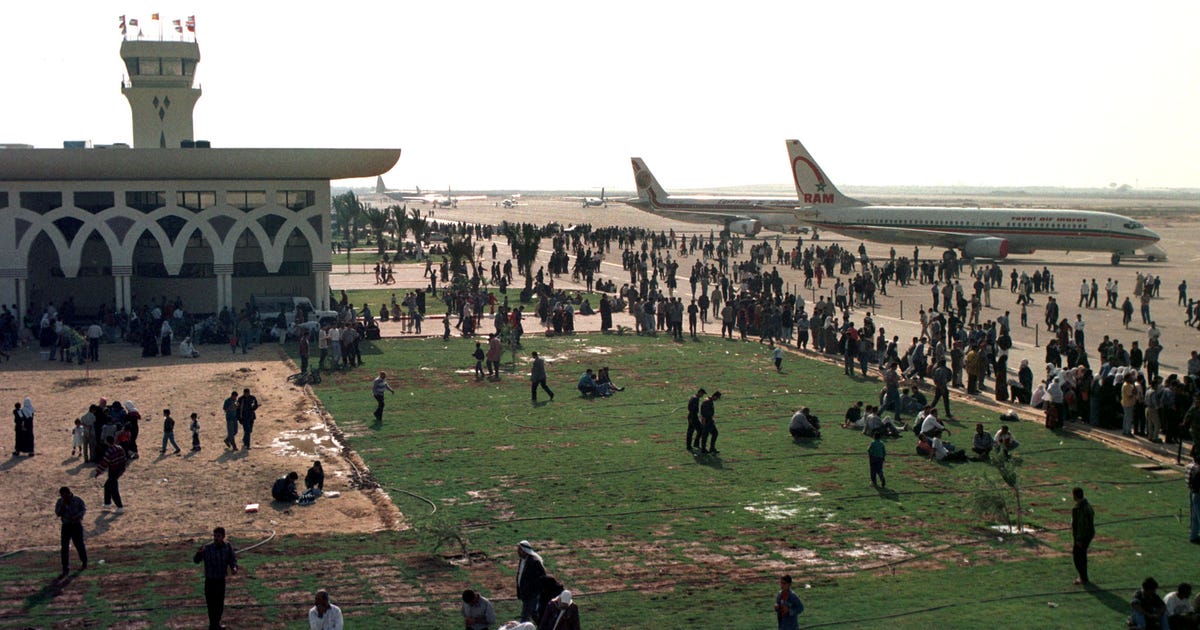
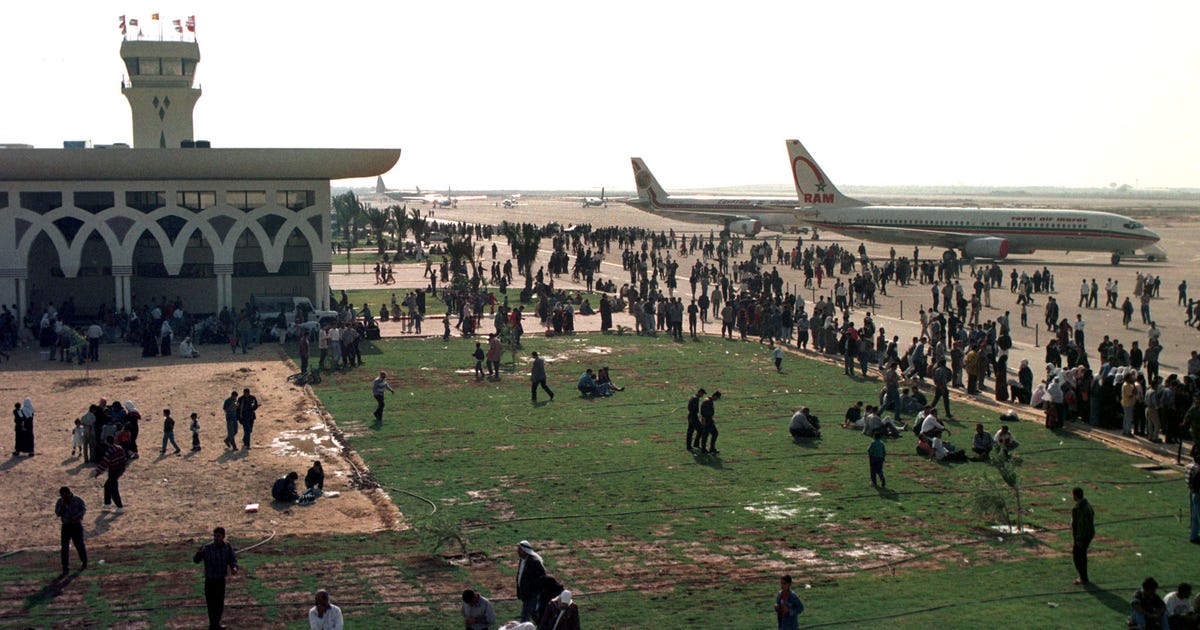
Exactly 25 years ago, on November 24, 1998, Gaza International Airport was inaugurated as part of the Oslo Accords, symbolizing a step towards Palestinian independence. However, after the outbreak of the Second Intifada in 2000, Israel shut down the airport, and it was later destroyed. Despite discussions about reopening the airport after the disengagement from Gaza in 2005, the Hamas takeover in 2007 ended any hopes of its revival. Today, the ruins of the airport serve as a silent reminder of a distant dream that has faded away.
Twenty-five years ago, Gaza International Airport opened with great hope and excitement, symbolizing the Palestinians' dream of independence. However, the airport was bombed during the Second Intifada, looted, and dismantled, leaving behind a symbol of shattered aspirations.
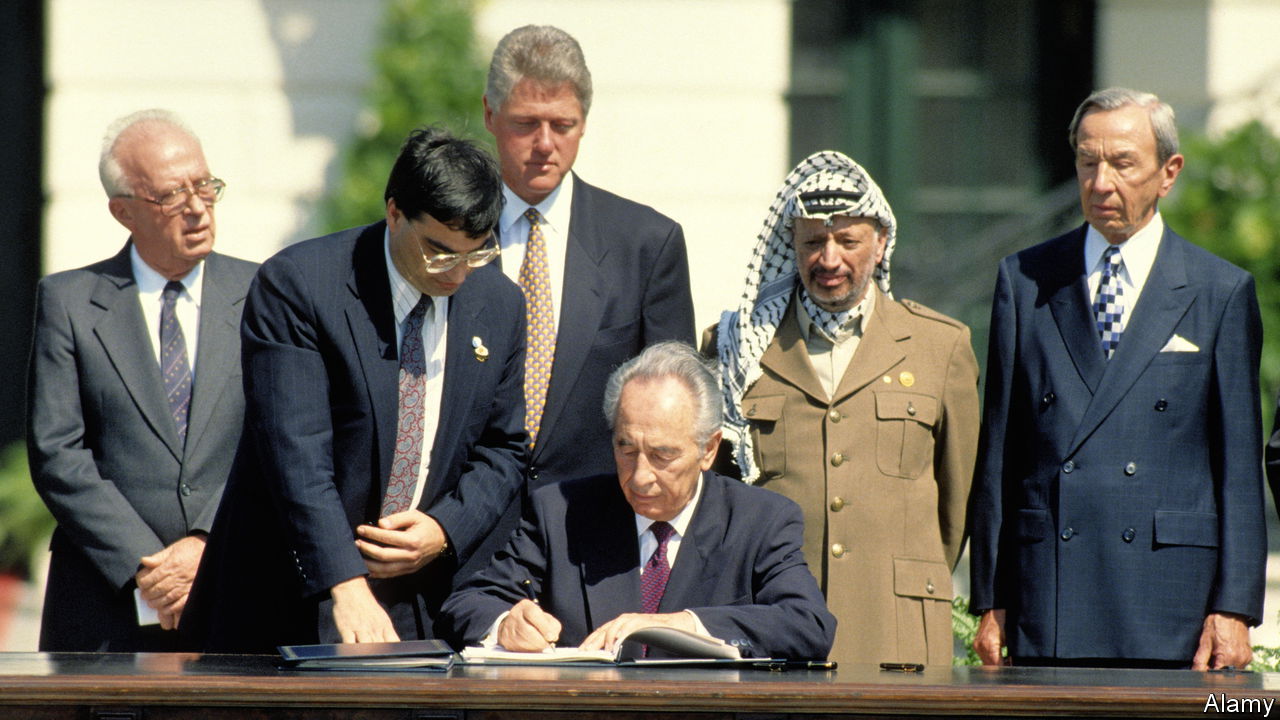
The 30th anniversary of the Oslo Accords passed without celebration, as the hopes for peace were shattered in the years following the signing ceremony. The Israeli right conveniently forgets the events that led to the accords and the missed opportunity for a lasting resolution.
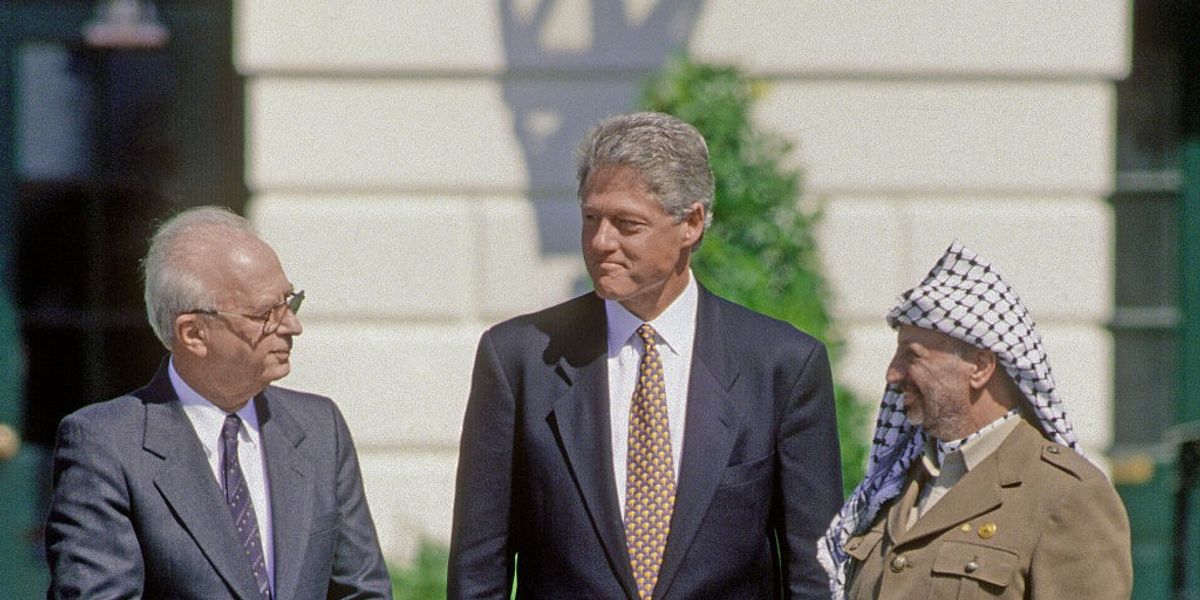
The Oslo Accords, signed by Israel and the Palestinians in 1993, were designed to be an interim agreement leading to a final two-state solution. However, the accords failed to address key issues such as the status of Jerusalem and the expansion of Israeli settlements, leading to a lack of trust and growing enmity between the two sides. Today, support for the two-state solution has declined among both Israelis and Palestinians, and the peace process remains stagnant. The Oslo Accords, while flawed, continue to be invoked as a symbol of hope, but a new approach will be needed for any progress to be made in the future.
Israeli Heritage Minister Amichai Eliyahu accused top security officials of "rebelling" against the current coalition government and preventing it from fulfilling its campaign promises on security issues. Eliyahu blamed the 1990s Oslo Accords with the Palestinians for bringing "destruction in a shiny wrapping of peace" in an anti-democratic fashion. Opposition leader Yair Lapid called for Eliyahu's removal from his post, while Yesh Atid MK Mickey Levy condemned the "inciting and scandalous statement against security establishment officials." The Mossad denied reports that senior officials encouraged protests against the government's judicial overhaul plans.