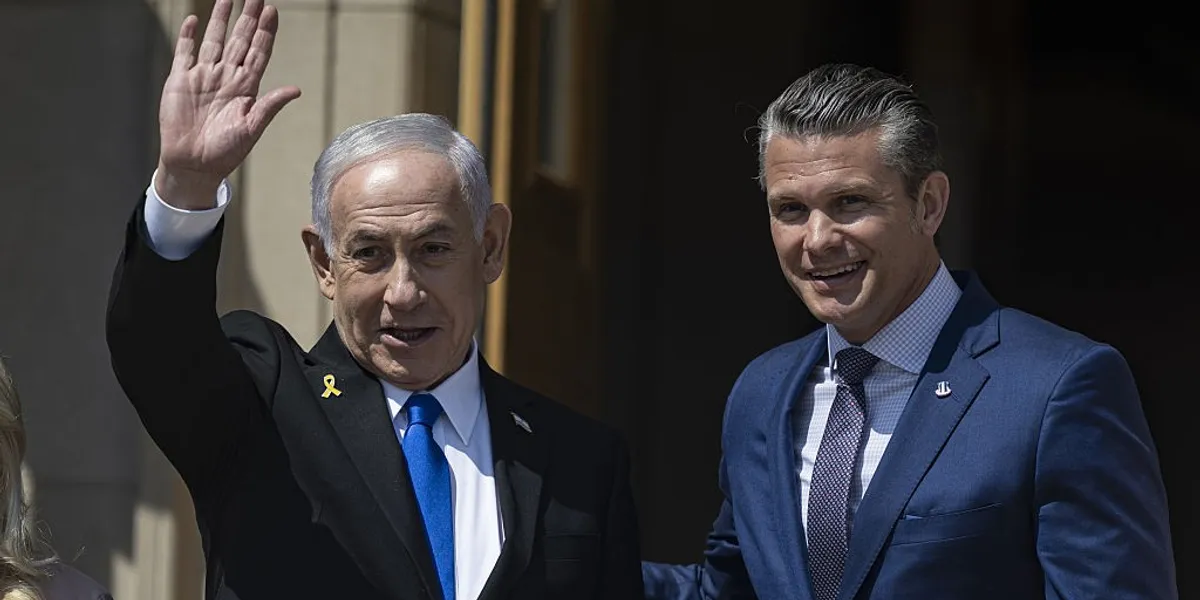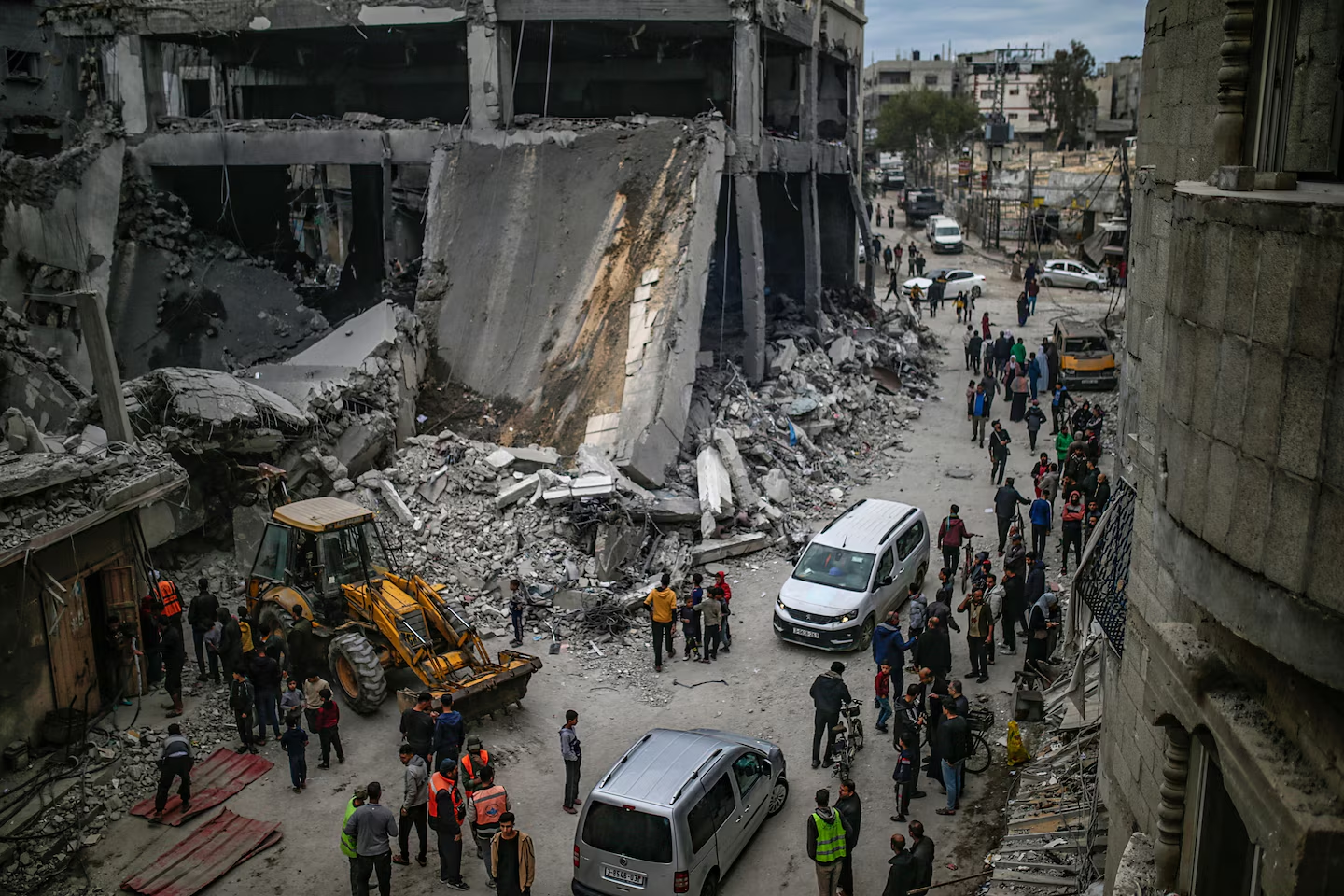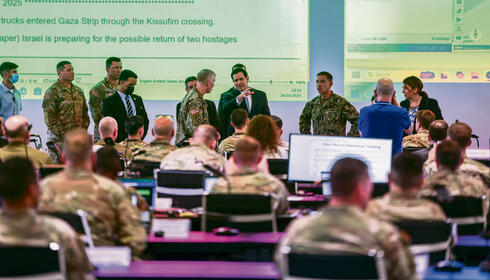
The US plans to build a $500 million military base near Gaza to house thousands of troops, signaling a significant escalation in US involvement in the Israeli-Palestinian conflict and potentially shifting control over Gaza's humanitarian and security operations.
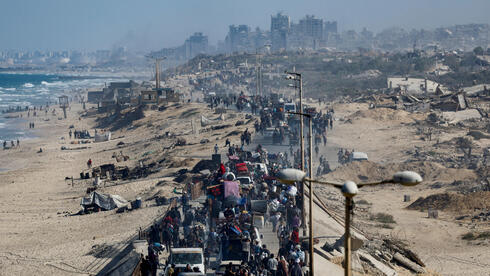
A senior Hamas official has stated that the group will not disarm as part of the ongoing prisoner exchange deal with Israel, which involves the release of 250 Palestinian prisoners and hostages. Despite disagreements over the prisoner list, both sides aim to keep the Trump-brokered cease-fire on track, with preparations underway for the release of hostages and recovery of remains. The situation remains tense, with potential delays and internal disputes, but efforts continue to implement the agreement.
Thailand and Cambodia have agreed to a cease-fire after intense border clashes over centuries-old temples, but deep-seated mistrust, map disagreements, and nationalist sentiments threaten the longevity of peace, with officials planning further talks and international monitoring to maintain stability.
Despite claims of a cease-fire by President Trump, fighting resumed between Thai and Cambodian troops along their disputed border, with casualties and ongoing territorial tensions highlighting the difficulty of resolving the long-standing conflict.
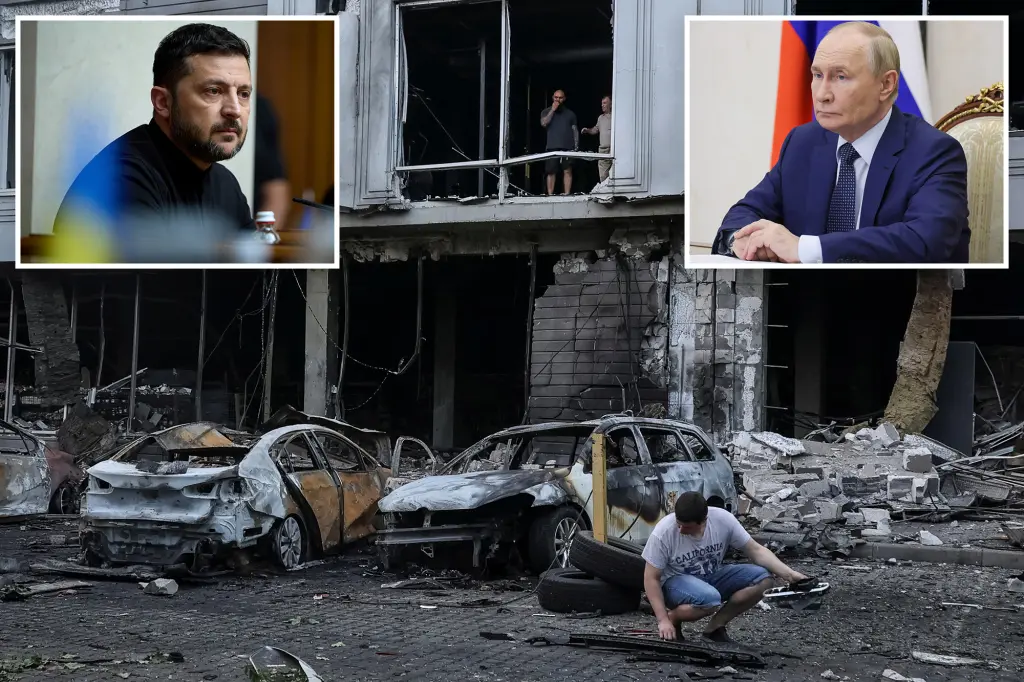
Ukrainian and Russian officials concluded their third peace negotiation in Istanbul in under an hour, agreeing only on a prisoner swap and not on a cease-fire, amid ongoing tensions and international pressure, including threats of sanctions from Trump.
A New York Times report alleges that Israeli Prime Minister Benjamin Netanyahu prolonged the Gaza war to maintain power and avoid criminal prosecution, influenced by coalition pressures and political considerations, resulting in significant Palestinian civilian casualties and international criticism.
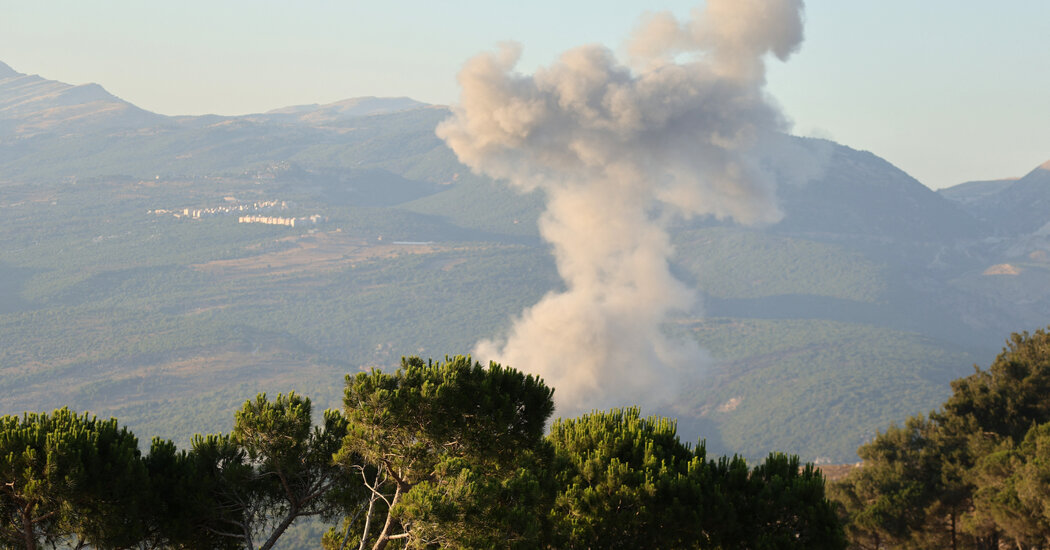
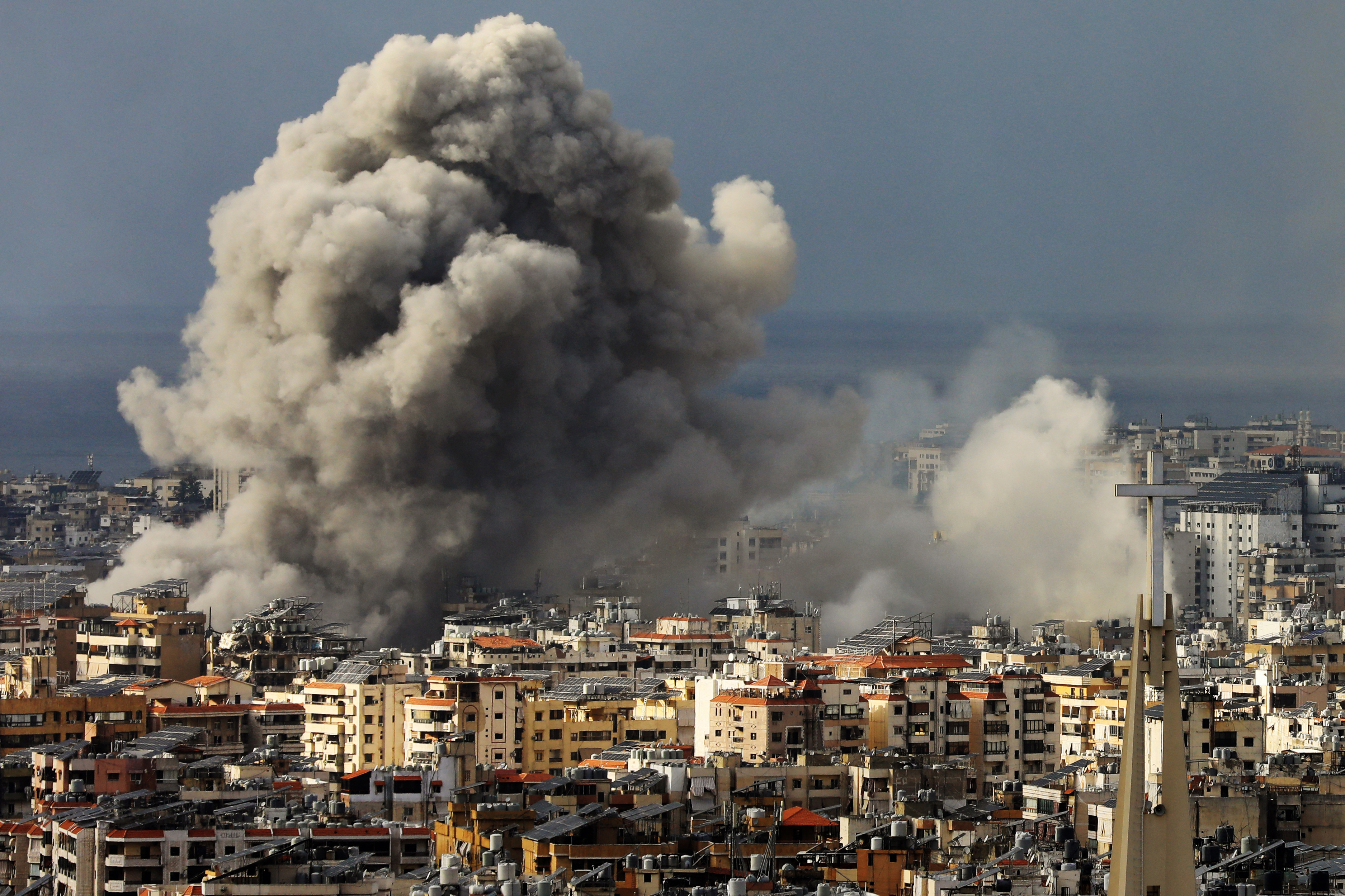
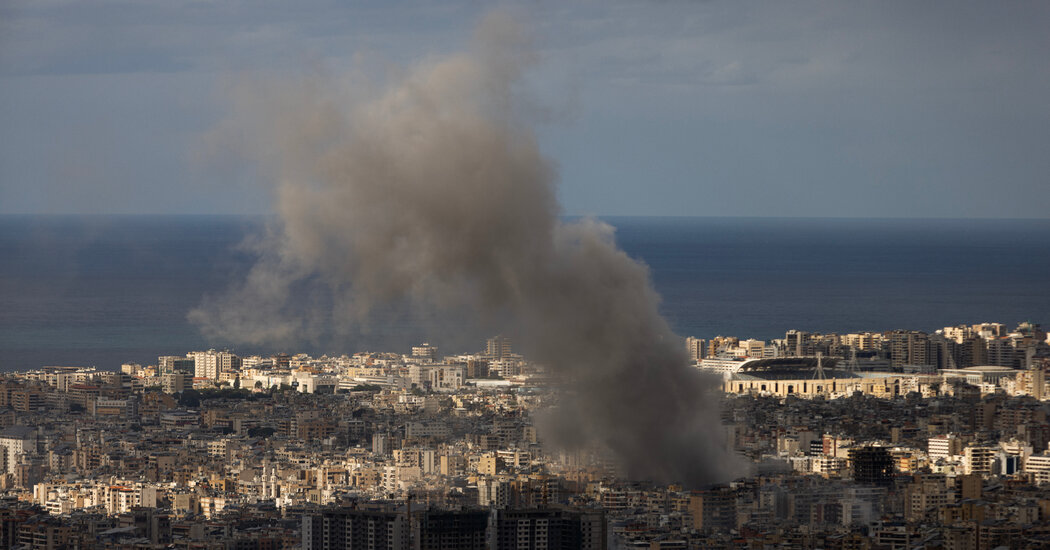
Israel has launched new ground incursions into southern Lebanon, targeting Hezbollah infrastructure amid ongoing tensions and fears of renewed conflict, despite a fragile cease-fire and diplomatic efforts for disarmament.
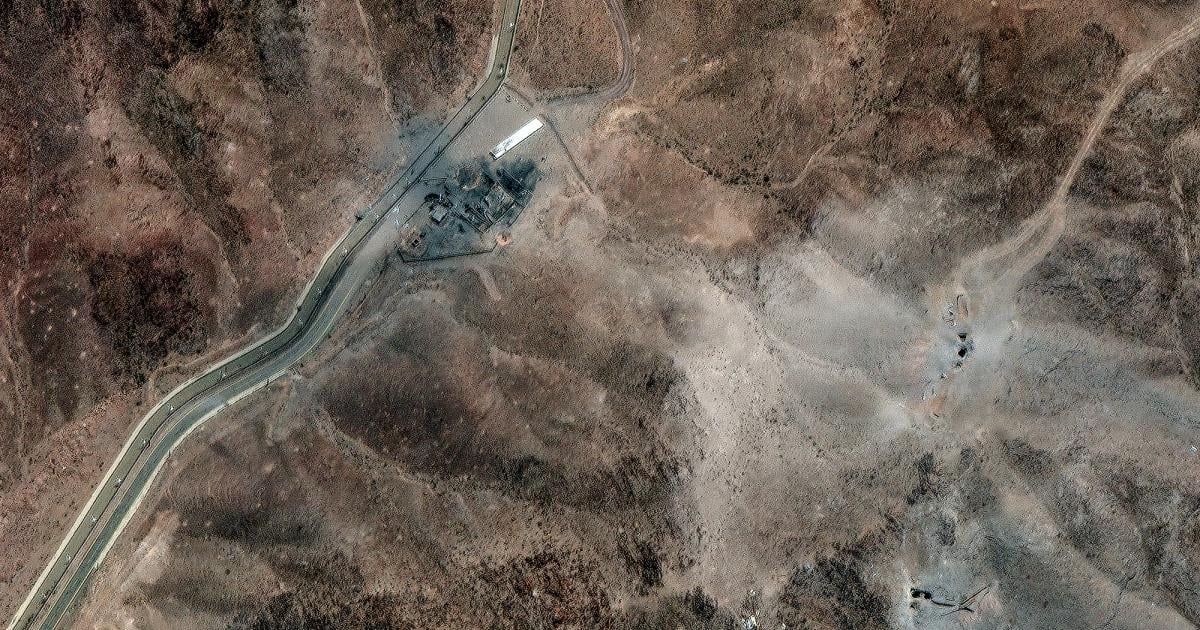
The recent Israeli and US strikes on Iran's nuclear facilities significantly damaged Iran's nuclear capabilities, killing scientists and destroying key sites, but Iran may still have enough resources and expertise to develop a nuclear weapon, leading to ongoing uncertainty and potential future risks.
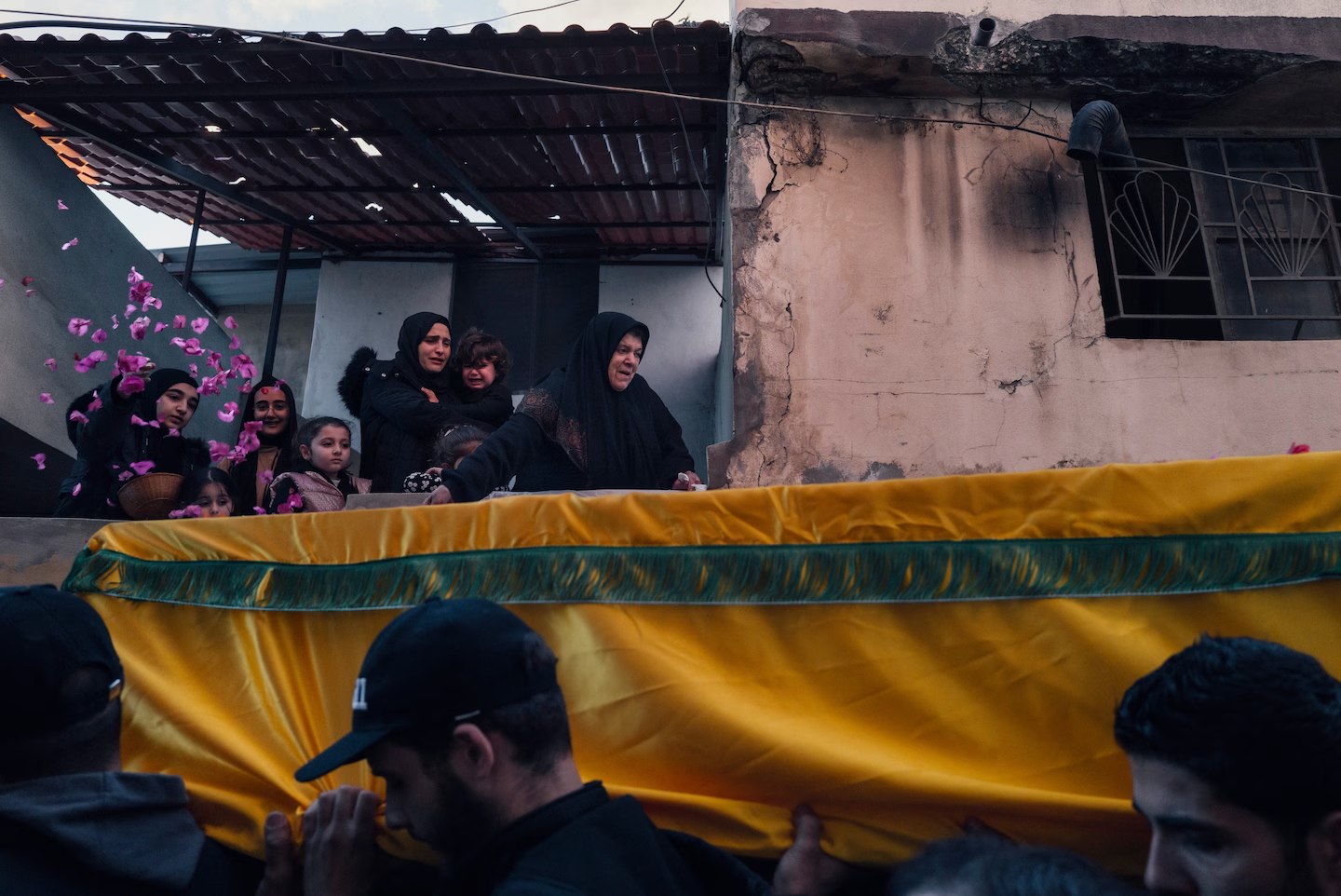
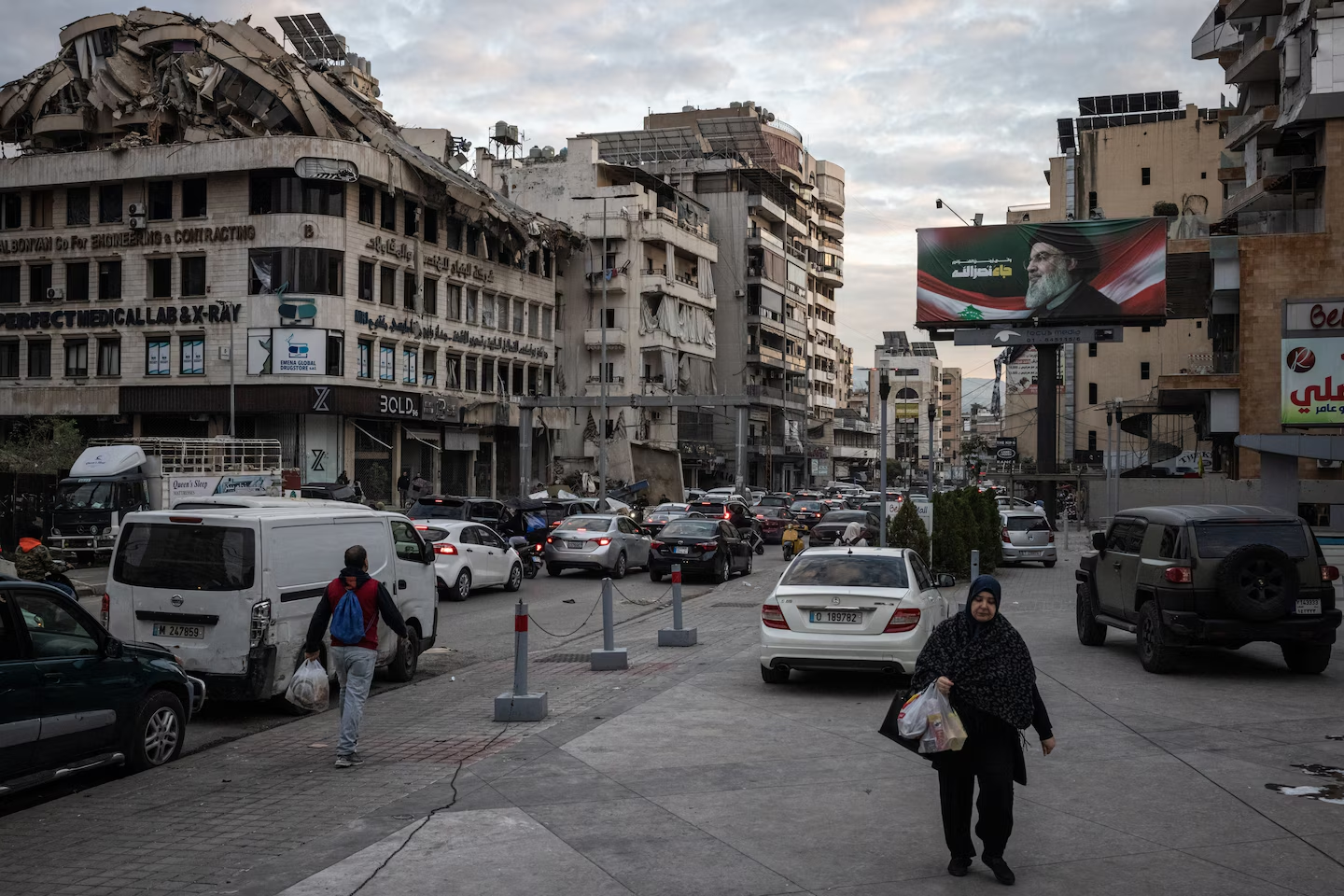
In the aftermath of a prolonged conflict between Israel and Hezbollah, supporters in Lebanon question the costs of war despite a recent cease-fire agreement. The conflict, which began with a Hamas attack on Israel in October 2023, has led to significant casualties and displacement across the region. The cease-fire, reached in November 2024, follows intense hostilities, including the deaths of key figures like Hezbollah's leader Hasan Nasrallah. The war has also exacerbated humanitarian crises, particularly in Gaza, where Israel's military actions have resulted in severe conditions for civilians.
A cease-fire between Israel and Hezbollah in Lebanon is mostly holding despite mutual accusations of violations. The Israeli Defense Forces conducted strikes in southern Lebanon, claiming to target militants violating the cease-fire, while Hezbollah accused Israel of breaches. Israel plans to withdraw troops from Lebanon within 60 days, with increased monitoring by Lebanese and U.N. forces. Meanwhile, the humanitarian situation in Gaza remains dire, with high casualties and restricted aid access. Families of hostages held by Hamas in Gaza are seeking U.S. intervention for their release.
Despite a recent cease-fire between Israel and Hezbollah, a peace deal between Israel and Hamas in Gaza remains elusive due to unresolved issues such as the withdrawal of Israeli forces and Hamas's future role in the region.
The Lebanese army has deployed forces in southern Lebanon as a cease-fire between Israel and Hezbollah takes effect. Meanwhile, the Israeli Defense Forces (IDF) have imposed a curfew on residents moving south of the Litani River and fired at suspects entering a no-go zone. Israeli Prime Minister Netanyahu stated that the cease-fire aims to isolate Hamas and focus on Iran. Concurrently, the White House announced plans to renew efforts for a Gaza cease-fire, with Hamas reportedly ready for a truce following the Lebanon agreement. Additionally, Israel plans to appeal against ICC arrest warrants.
Israel has announced a cease-fire plan with Hezbollah in Lebanon, marking a significant step towards preventing a broader regional conflict. Israeli Prime Minister Benjamin Netanyahu stated the cease-fire aims to shift focus to threats from Hamas and Iran. The deal, brokered by the U.S. and France, is expected to be approved by both Israeli and Lebanese governments, though Hezbollah remains cautious. This agreement is seen as crucial for broader peace efforts in the Middle East, particularly in light of recent escalations between Israel and Iran.
G7 foreign ministers are meeting in Italy to address critical issues in the Middle East and Ukraine, with a focus on brokering a cease-fire in Gaza and Lebanon and managing tensions in Ukraine following a recent Russian missile strike. The meeting, which includes ministers from several Arab nations, aims to advance diplomatic efforts before the Trump administration takes over, potentially altering U.S. foreign policy. The agenda also includes discussions on the International Criminal Court's arrest warrants for Israeli leaders, which have sparked controversy among G7 members.
Israel and Hezbollah have launched new attacks against each other, even as discussions for a cease-fire are ongoing. The escalation in violence comes amid international efforts to broker peace in the region, highlighting the fragile nature of the current negotiations.