A study on prairie voles has revealed a comprehensive brain map detailing the neural activity during mating and pair bonding, showing that both male and female voles experience similar patterns of brain activity. The study suggests a surprising connection between orgasms and neural activity, with male ejaculation playing a crucial role in activating the neural circuits involved in bond formation. The findings challenge the prevailing hypothesis of sex differences in bonding and propose that orgasms may serve as a means to promote connection. While representing a significant leap forward in understanding the neurobiology of bonding, the study acknowledges its limitations and advocates for further research to explore the variety of neural and behavioral dynamics involved in pair bonding.
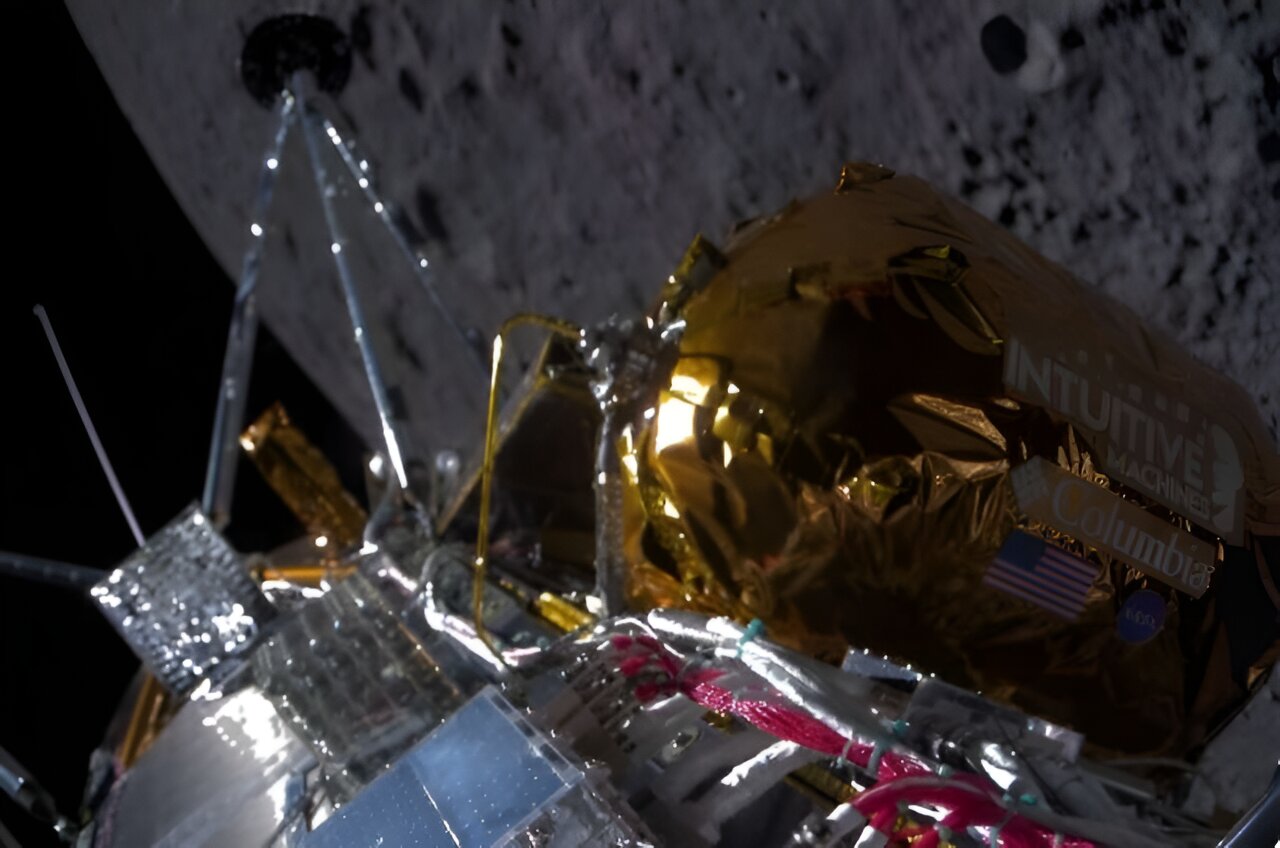
This week in science, researchers studied the neurology of pair bonding in prairie voles, finding that the brain activity involved in bonding is virtually identical between males and females. Additionally, an American robotic craft successfully landed on the moon for the first time since 1972, and U.S. neuroscientists discovered a new neural pathway associated with encoding high-intensity fear responses. Astronomers using the James Webb Space Telescope observed a persistent neutron star, providing insight into the aftermath of a supernova.
Researchers have created the first comprehensive brain map showing activity in prairie voles during mating and bonding, uncovering 68 brain regions involved in forming enduring monogamous relationships. The study challenges previous assumptions about male and female brain differences during bonding processes, revealing nearly identical patterns of brain activity in both sexes. Male ejaculation was found to be the strongest predictor of bonding-related brain activity, suggesting a profound emotional state that facilitates pair bonding and potentially indicating orgasm-like responses in both sexes. This research offers insights into the neurobiological basis of monogamy and hints at potential parallels in human relationship formation and maintenance.
A new study reveals that dopamine, the reward hormone, plays a significant role in driving monogamous animals to desire to be with their pair-bonded partners. Research on prairie voles, which mate for life, shows that dopamine leaves a lasting imprint on the brain, explaining why certain individuals are more desirable. The study also suggests that after a period of separation, the chemical imprint of dopamine may fade, allowing for the potential formation of new bonds.
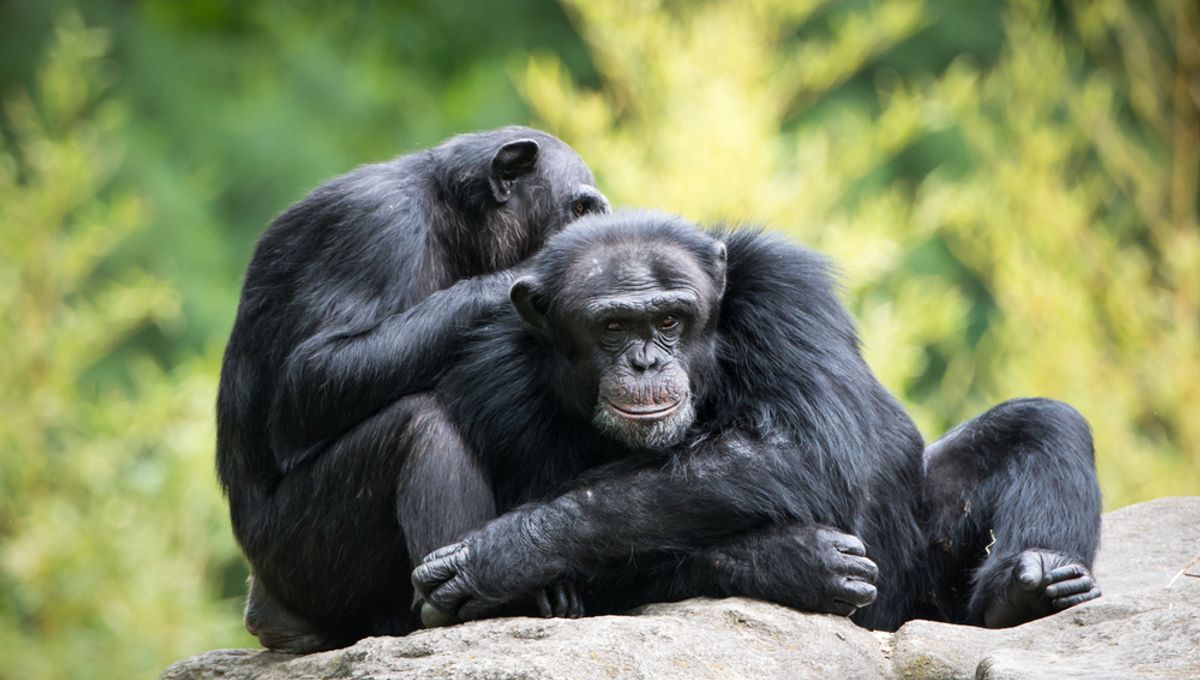
Anthropologist Aaron Sandel from the University of Texas at Austin proposes that human romantic relationships may have evolved from the close friendships formed by male chimpanzees, suggesting that the ability to develop close emotional bonds may have arisen in a common ancestor of the two species. Sandel notes that chimps don’t form pair bonds with their mates, but the intimate friendships that arise between male chimpanzees share numerous characteristics with human romance. He hypothesizes that pair bonds in humans rely on the physiological and neural architecture already in place in our ape ancestors for social bonds, especially same‐sex social bonds, and that “homosexual friendships may be the basis of heterosexual romance.”
Anthropology professor Aaron Sandel proposes that romantic love in humans may have evolved from same-sex pair bonding already present in a common ancestor of humans and chimpanzees, citing primate research, including his own decade-long studies of chimpanzees in Uganda. Sandel suggests that same-sex attachments such as those seen among chimpanzees existed in our species prior to the emergence of opposite-sex pair bonds with mates, raising the possibility that romantic love in humans finds its origin in same-sex friendships of apes.