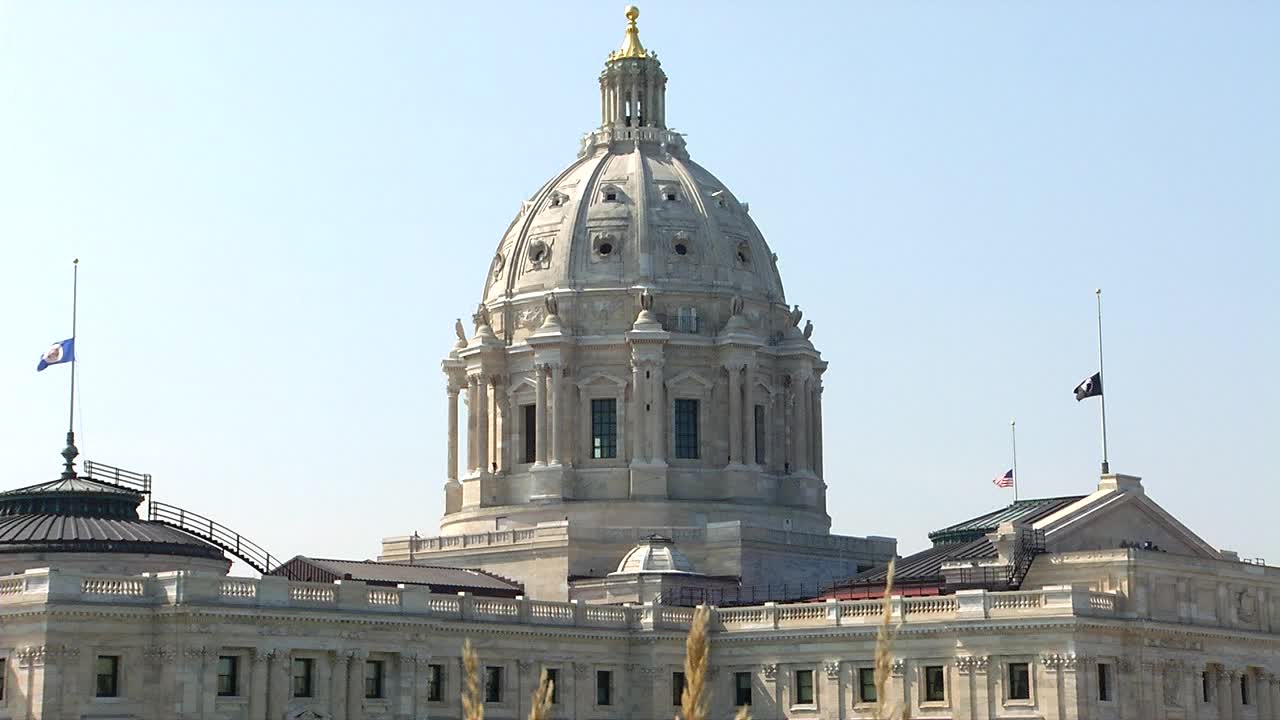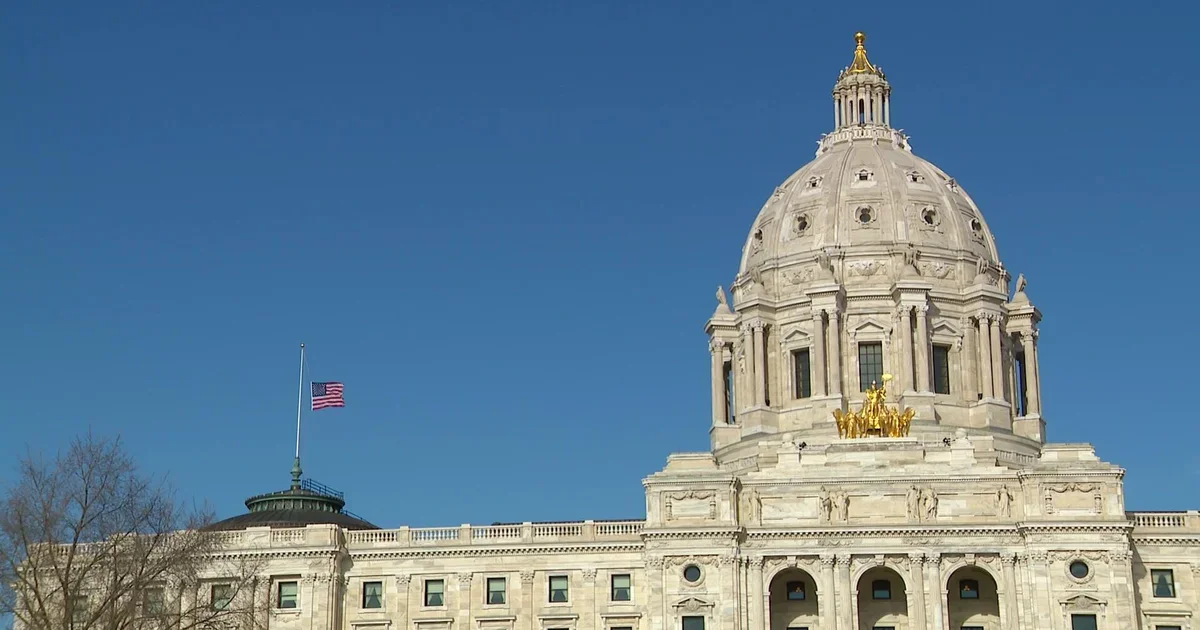
Nearly 12,000 Minnesotans have applied for the state's new paid family leave program since its launch, with the program offering 12 weeks of partial pay for medical and family reasons, and the state expects to approve around 130,000 claims this year.
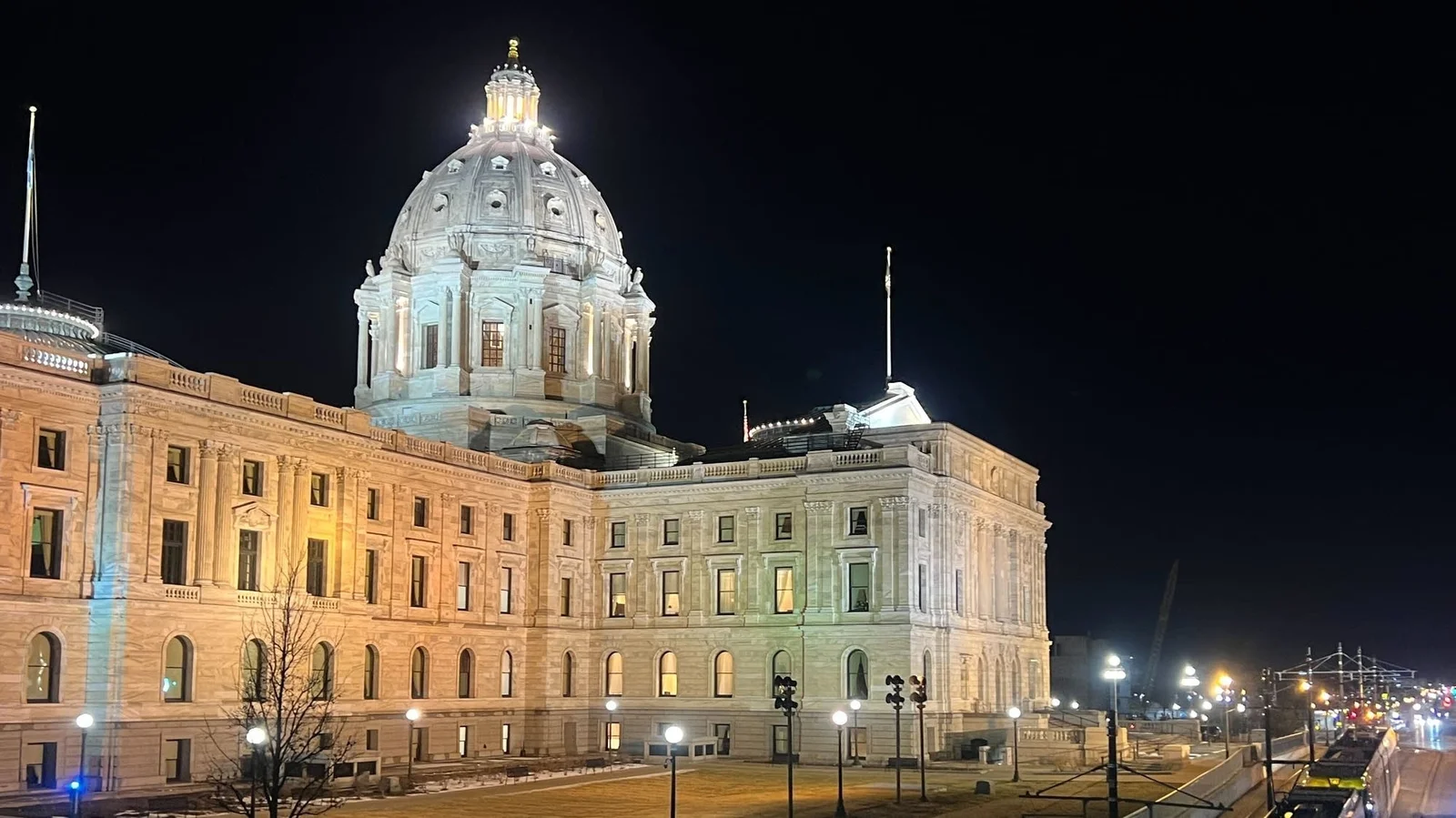
Starting in 2026, Minnesota will implement new laws including a paid family and medical leave program, clearer workplace break policies, a minimum wage increase to $11.41, expanded absentee ballot access, protections against financial abuse of older adults, higher water and watercraft fees, and relaxed hunting restrictions in southern Minnesota.
Senate Republicans are demanding major changes to border policy be included in an emergency funding request for Ukraine, adding complications to the bill. Led by Sen. James Lankford, Republicans are proposing measures to reduce immigration over the southern border, stating that addressing the influx of immigrants is necessary before approving additional aid for Ukraine. Republicans have rejected President Biden's request for additional border funding, arguing that policy changes are needed. Democrats have not been involved in the discussions, and the path forward remains narrow. In other news, a bipartisan House working group on paid family leave is moving forward with drafting a legislative framework, while the race for the Republican nomination in Iowa heats up with Trump in the lead and other candidates vying for second place.
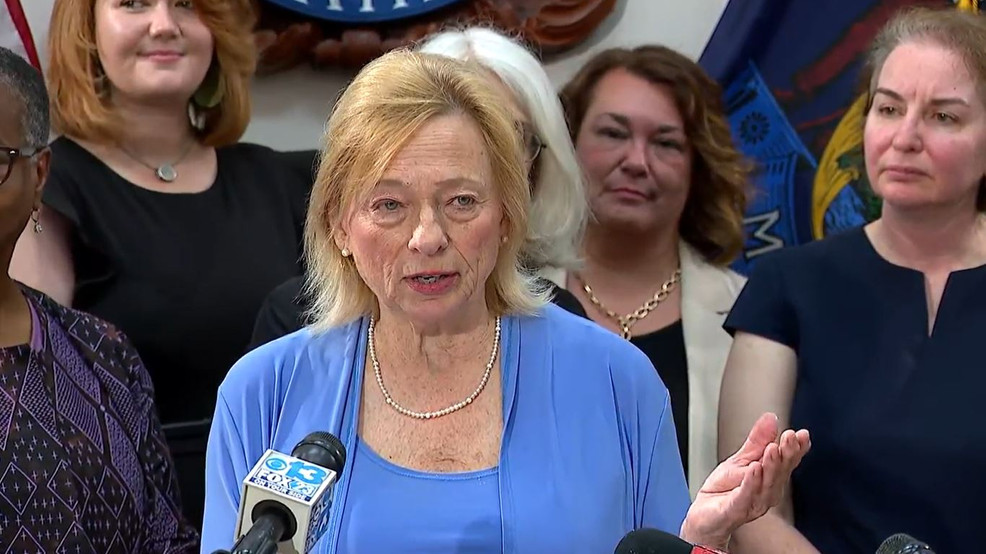
Governor Janet Mills signed the final piece of the two-year state budget, which includes a new paid family and medical leave program and replaces a property tax freeze program for Mainers aged 65 and older. The budget also includes revamped business tax credits, investments in affordable healthcare and housing, income tax cuts for retirees, and funding for education and emergency services. However, the implementation of these programs will be delayed until the fall due to the budget not receiving the necessary two-thirds support for immediate effect. Governor Mills praised the budget as historic and balanced, while Republicans criticized it for raising taxes and increasing spending.
Governor Janet Mills of Maine signed a budget bill that includes the introduction of the state's first paid family and medical leave program for the fiscal year 2024-25.
Maine Governor Janet Mills has announced her intention to sign a bipartisan budget agreement that includes funding for paid family and medical leave as well as tax cuts for retirees. The budget, which totals over $800 million, also includes investments in child care and initiatives to support emergency medical services and homelessness. The agreement will be presented to the full Legislature for votes next week, and its strong bipartisan support suggests it will likely pass.
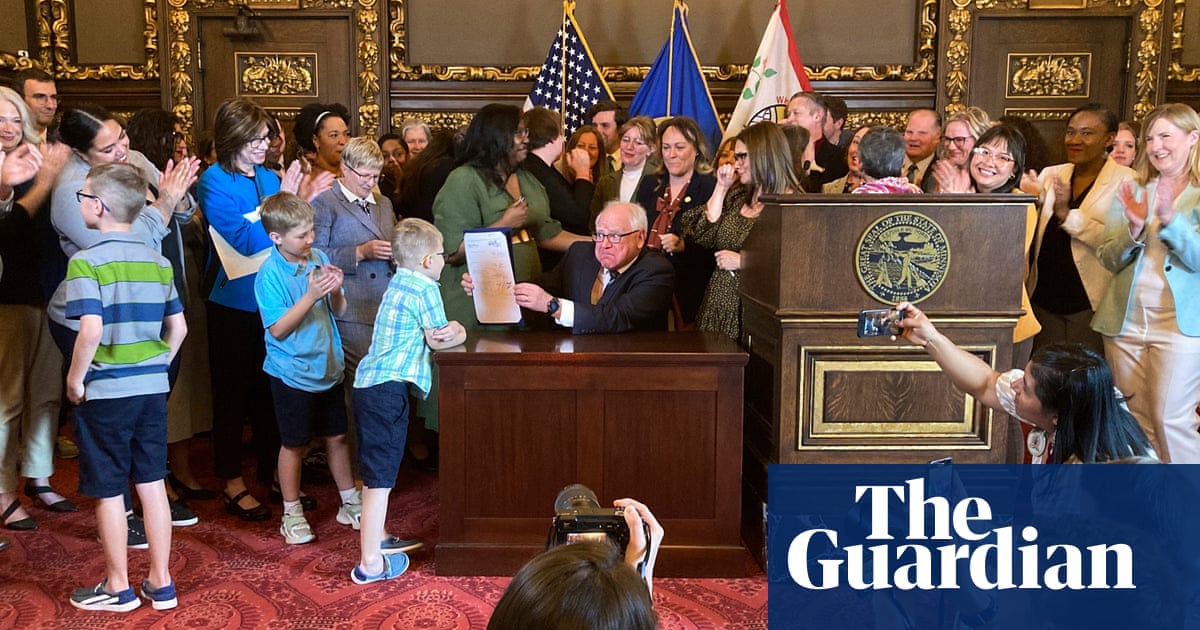
Minnesota has passed a package of pro-worker legislation, including paid family and medical leave, a ban on non-compete clauses, and strengthened protections for meatpacking and Amazon warehouse workers. The state has also mandated paid sick days, allowed teachers' unions to bargain over educator-to-student ratios, and created a council to improve conditions for nursing home workers. The legislation was made possible by the Democrats winning control of Minnesota's state senate in last November's midterm elections.
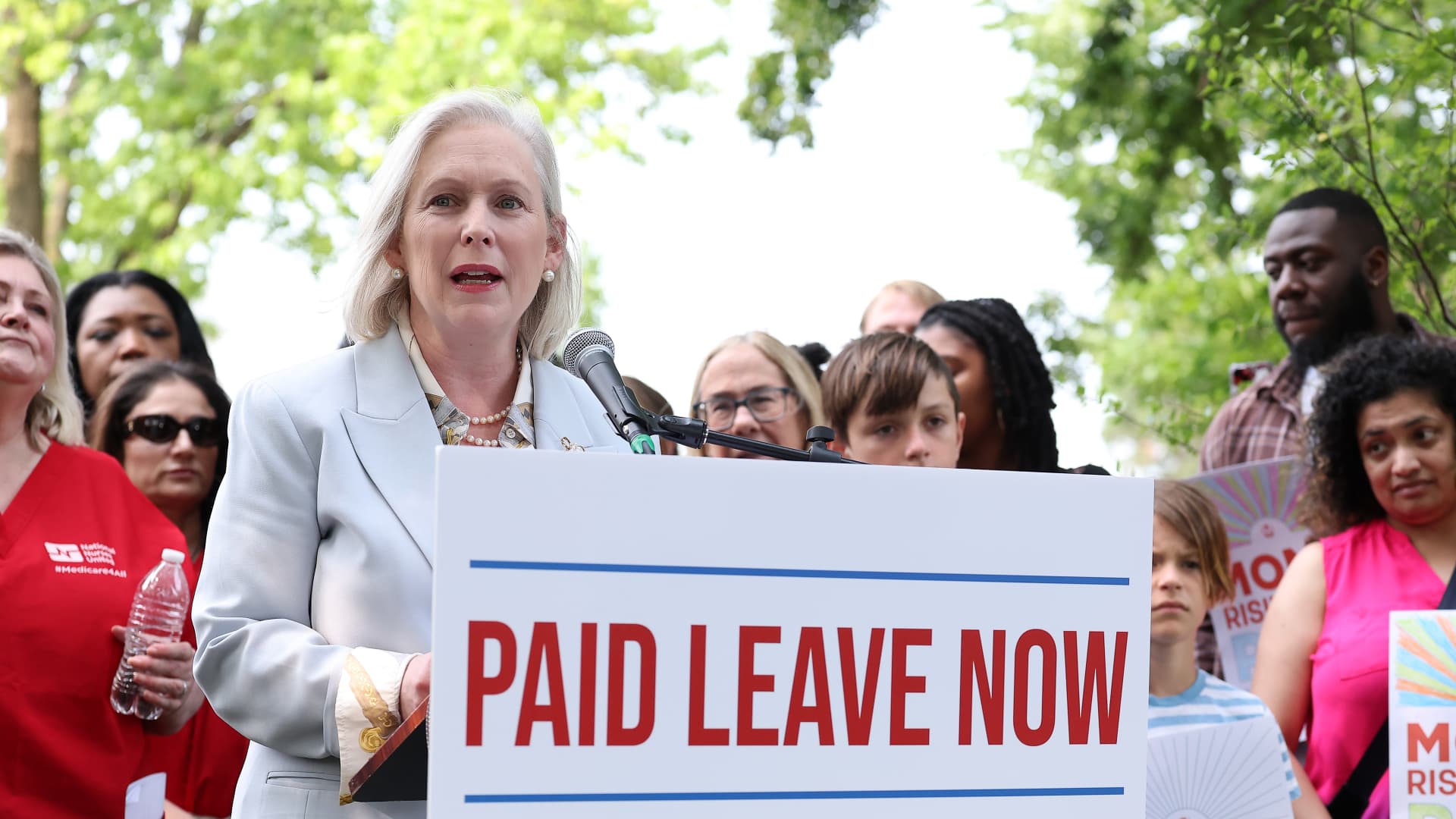
Democrats are pushing for a national program to provide paid family and medical leave to every worker, with the updated version of the Family and Medical Insurance Leave (FAMILY) Act proposing partial income for up to 12 weeks' leave. The plan covers leave for workers' and family members' serious health conditions, or the birth or adoption of a child, and would be paid for through a 0.4% payroll tax. The proposal would cover any worker who has earned at least $2,000 in the past two years, regardless of whether those earnings are covered by Social Security taxes. While there is some momentum for paid leave, getting bipartisan agreement on a plan remains a challenge.
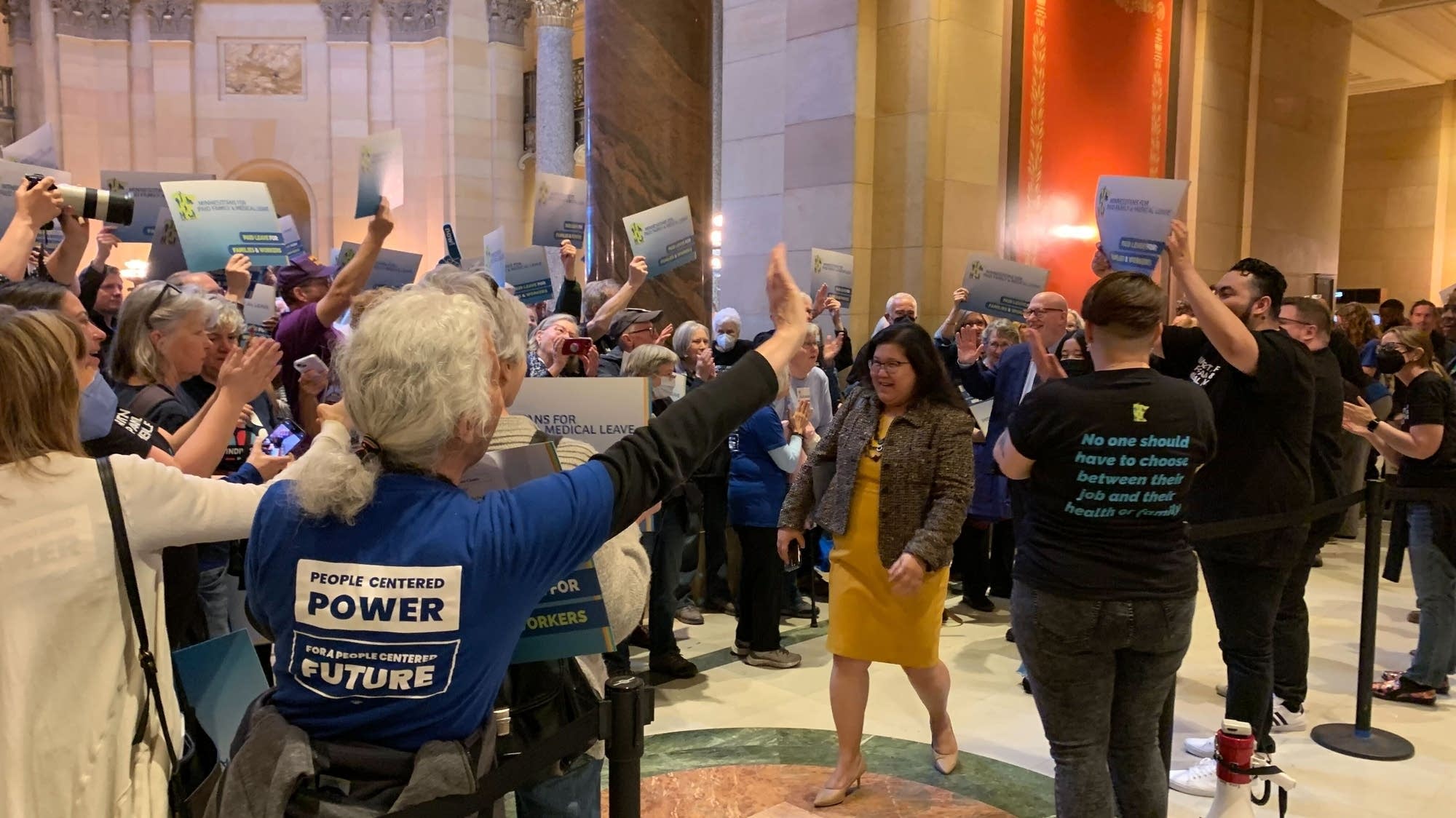
The Minnesota Senate has passed a bill to establish a state-run paid family and medical leave program, strictly along party lines. The legislation would create an insurance-like system to allow workers to collect up to 12 weeks of partial wages when they take medical leave, including for pregnancy, and up to 12 weeks to take care of family members, starting in 2025. Replacement wages would range from 55% to 90%, averaging 66%. The benefits would be funded by a 0.7% payroll tax. Employers could charge half of that expense to employees.
The Minnesota Senate is set to debate a proposal for a statewide paid family and medical leave program, while a $1.9 billion capital investment bill could take key steps forward. Lawmakers have two weeks left to wrap up their business, and bills spanning agriculture, environment, commerce, and veterans affairs appear poised for passage. However, massive spending plans for schools, health, human services, public safety, and taxes are still in the works. The decision on whether to impose a 75-cent delivery fee to help pay for road construction remains unresolved.
The Minnesota House of Representatives has passed an 18-week paid family and medical leave program that would take effect from 2025. Under the bill, Minnesota workers and employers would pay into a state program similar to Minnesota’s unemployment insurance fund. Workers would then be able to access partial wages from the program if they take leave to welcome a new child, get sick or need to care for a loved one. The Senate is set to vote on a similar bill soon.
The Minnesota House of Representatives passed House File 2, a bill that would provide up to 12 weeks of paid family leave and up to an additional 12 weeks of paid medical leave for Minnesota workers. House Republicans introduced their own proposal for paid family and medical leave, called MN Family and Medical Leave Insurance Program, which would offer a tax credit for small business owners and can be opted-in for $5 per week if an employer doesn’t join the program. The full Senate has yet to take up the bill for debate.