Minnesota State Senator Nicole Mitchell plans to resign after being convicted of felonies related to a break-in, triggering a special election that could determine control of the Minnesota Senate, which is currently narrowly held by Democrats.
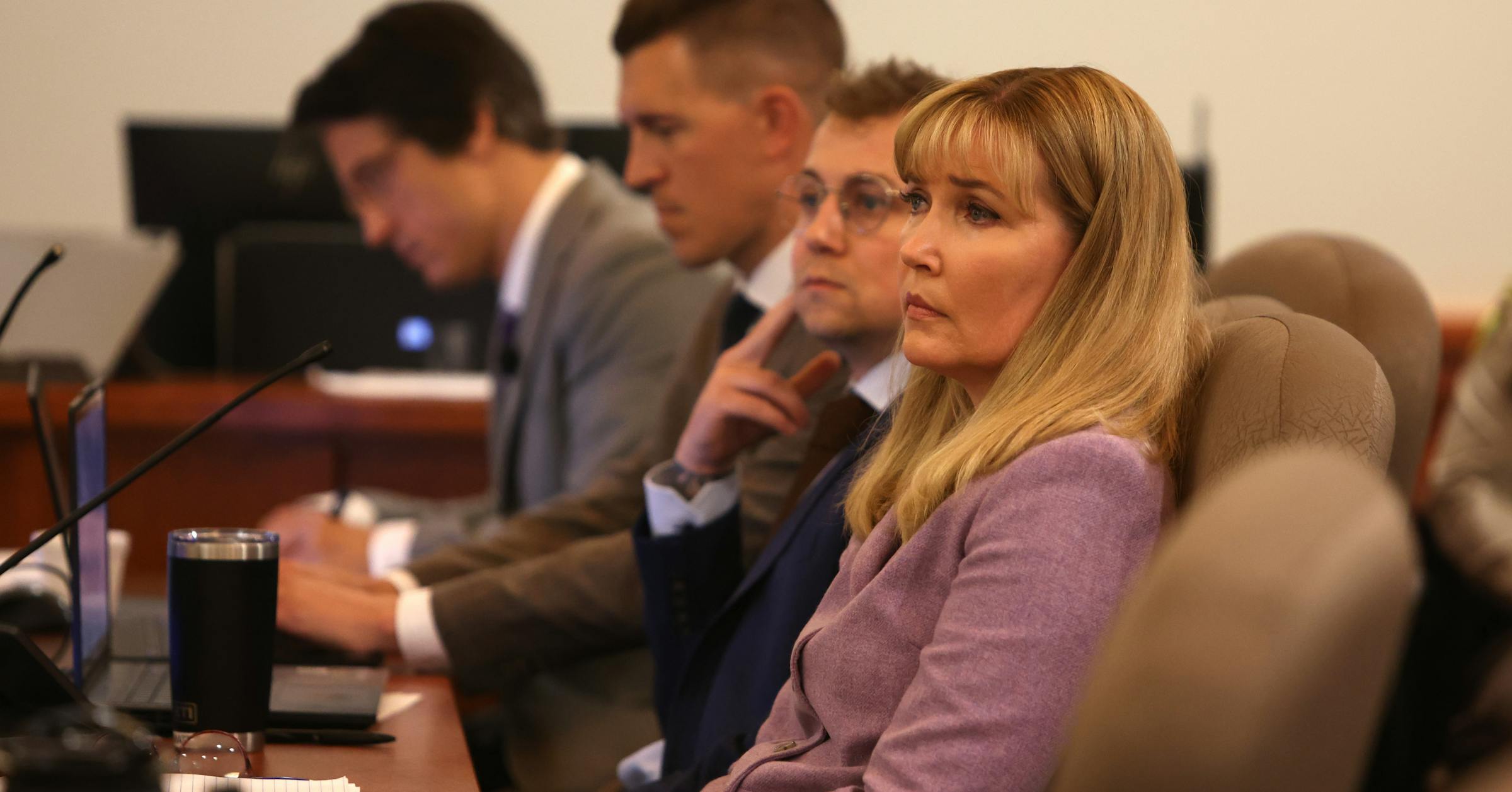
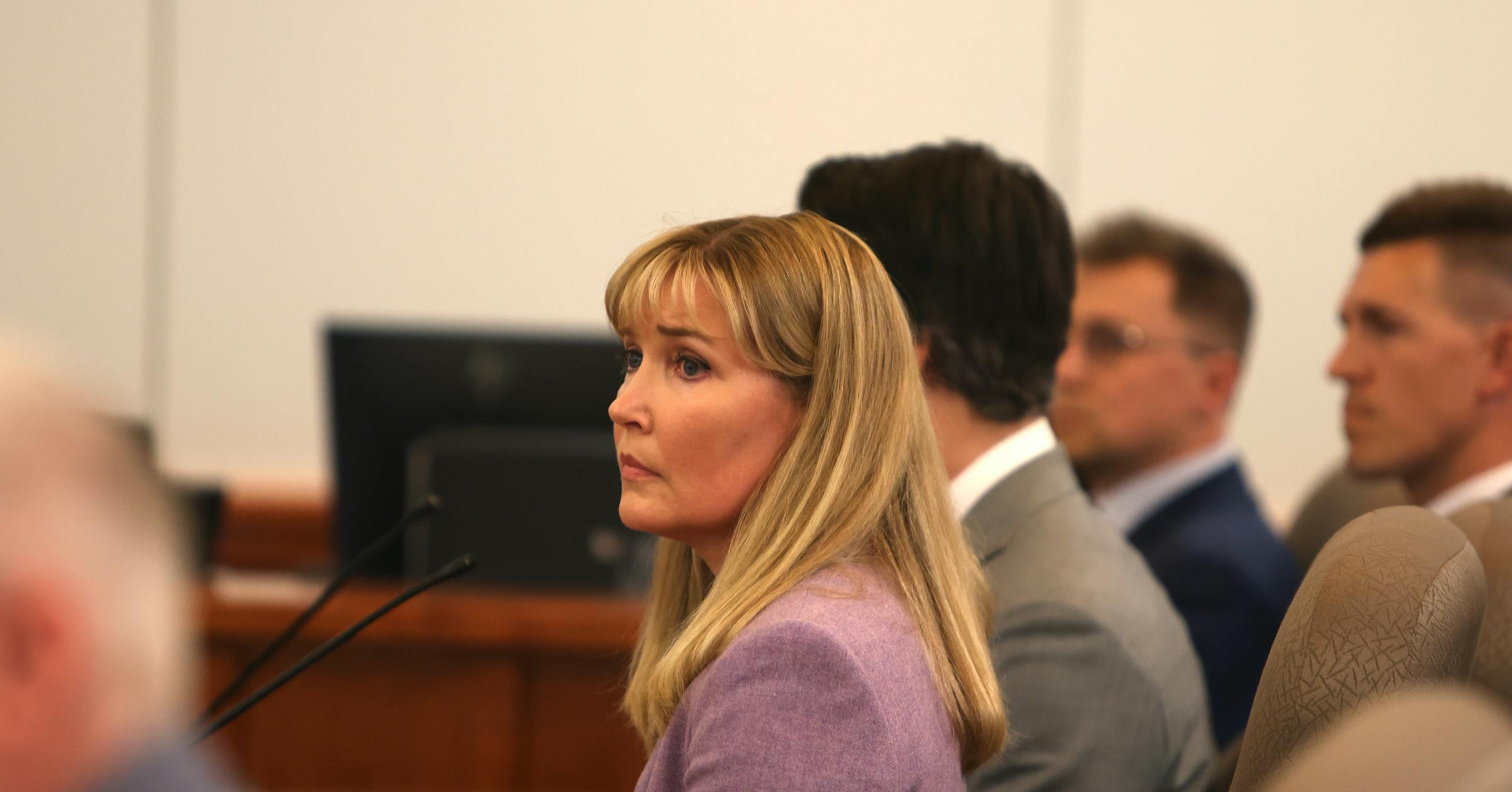
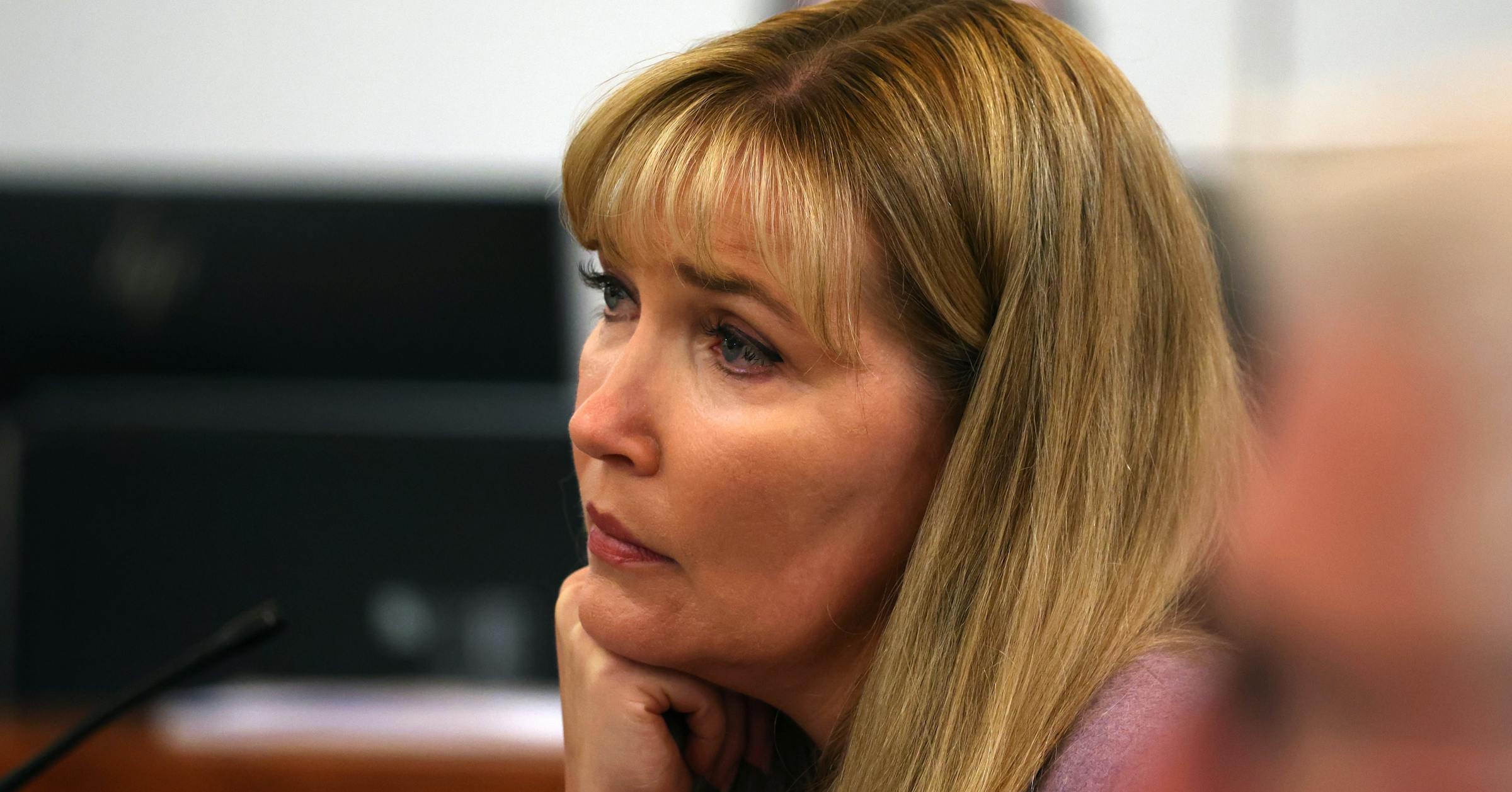
Minnesota State Senator Nicole Mitchell was convicted of first-degree burglary and felony possession of burglary tools following a break-in at her stepmother's home, which could lead to her resignation and impact the political balance in the Minnesota Senate, with her attorneys planning an appeal and sentencing pending.
Minnesota State Senator Nicole Mitchell is expected to resign after being convicted of first-degree burglary and felony possession of burglary tools, with her colleagues and governor anticipating her resignation following the verdict, which she had previously pledged to do if found guilty.
DFL leaders, including Gov. Tim Walz, are calling for Sen. Nicole Mitchell to resign following her first-degree burglary charges, but Mitchell refuses to step down, citing community support and her right to due process. Republicans criticize the DFL for previously supporting Mitchell to pass their agenda and now pushing for her resignation. An ethics panel has decided to wait for the court case to proceed before further investigation.
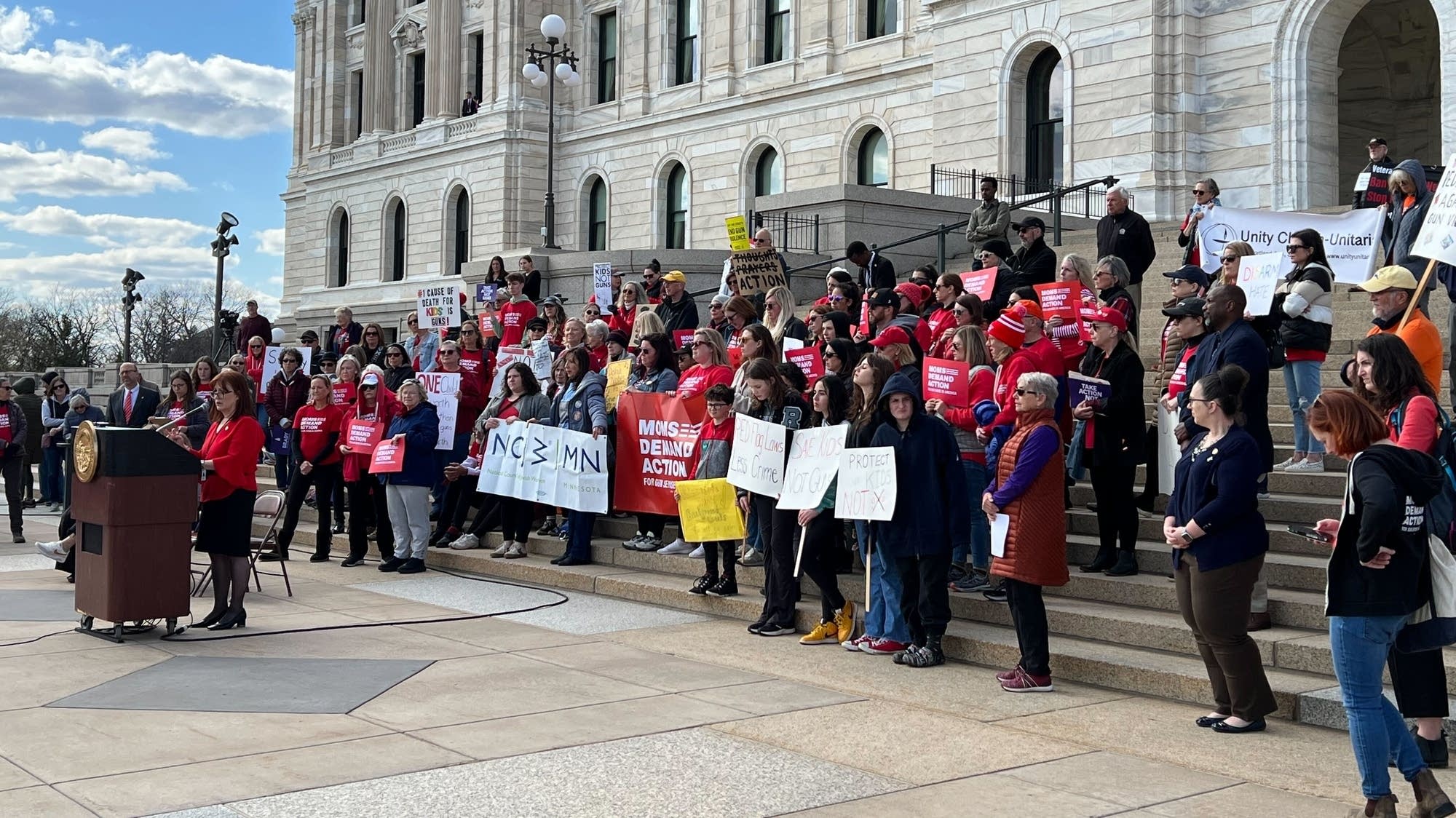
The Minnesota Senate has passed a public safety budget package that includes two gun law changes expanding background checks to more sales and allowing for temporary removal of guns from people in crisis. The bill faced opposition from Senate Republicans and raised doubts about whether the bill would get the support of every Senate Democrat. The bill also includes boosts in funding for Minnesota courts, youth intervention and restorative programs, reworking the pardons process, allowing prison inmates to shave time off their incarceration, and limits on the use of no-knock search warrants by police.
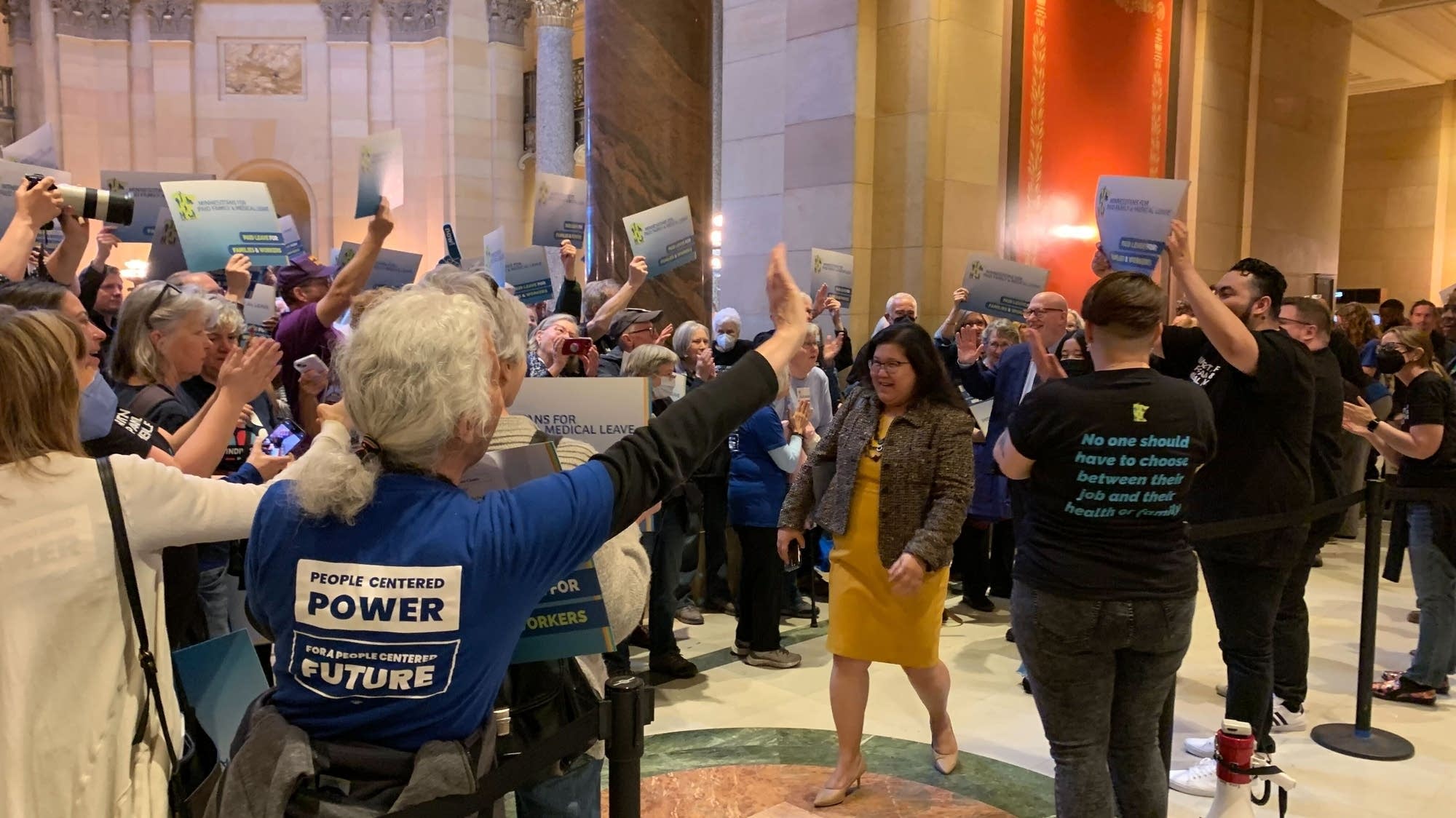
The Minnesota Senate is set to debate a proposal for a statewide paid family and medical leave program, while a $1.9 billion capital investment bill could take key steps forward. Lawmakers have two weeks left to wrap up their business, and bills spanning agriculture, environment, commerce, and veterans affairs appear poised for passage. However, massive spending plans for schools, health, human services, public safety, and taxes are still in the works. The decision on whether to impose a 75-cent delivery fee to help pay for road construction remains unresolved.
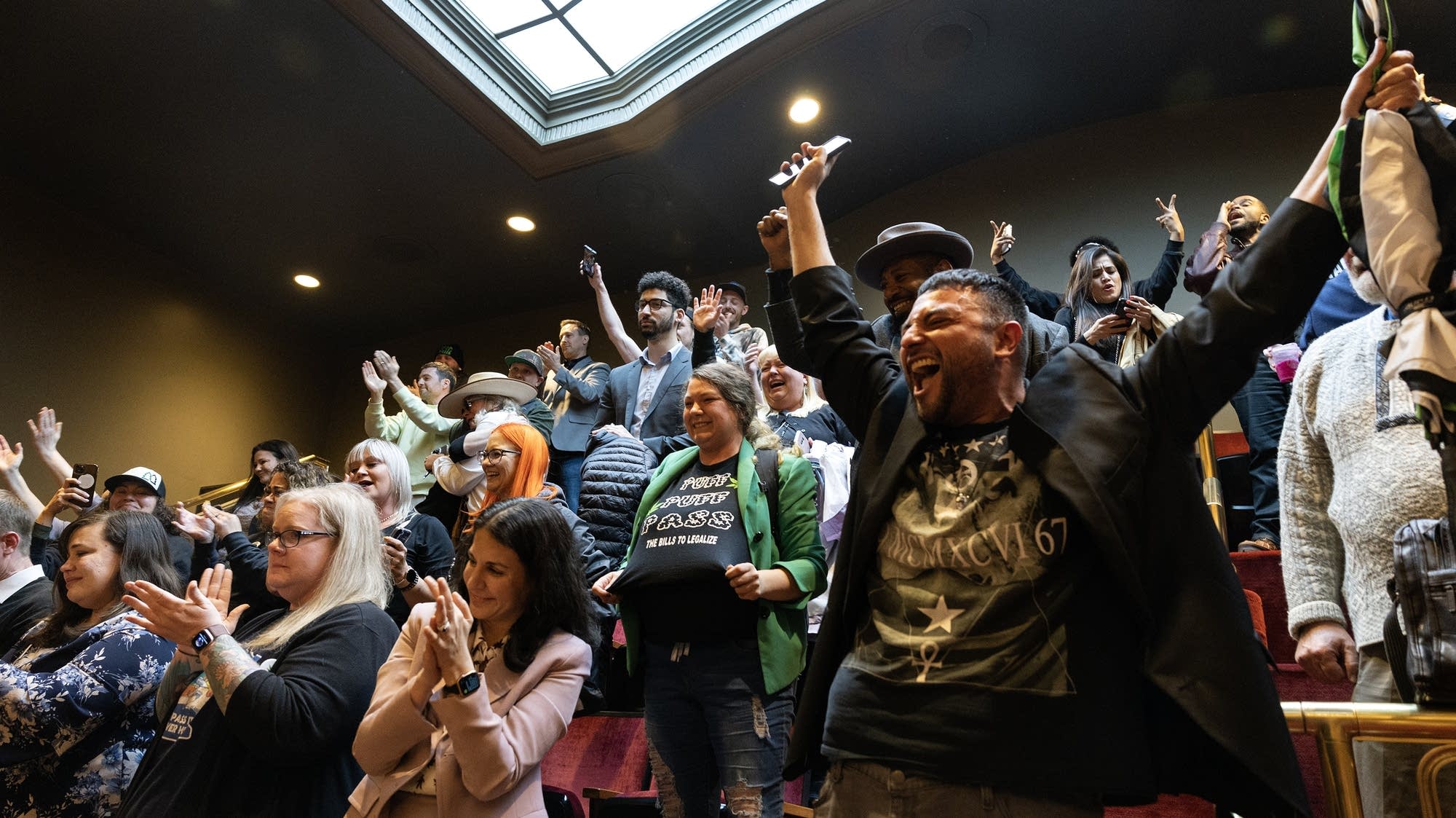
The Minnesota Senate has passed a bill legalizing adult-use marijuana, which will now enter final negotiations with the Minnesota House. The bill sets up a structure for growing and selling cannabis while revisiting convictions for past drug crimes. The Senate Republicans opposed the bill, citing concerns over substance abuse, highway safety, and the ability to crack down on illicit sales. The bill would allow people at least 21 years old to possess, use, and purchase marijuana legally this summer, but dispensaries may not be up and running until 2024. The bills also diverge on the speed of expungements of past marijuana offenses.
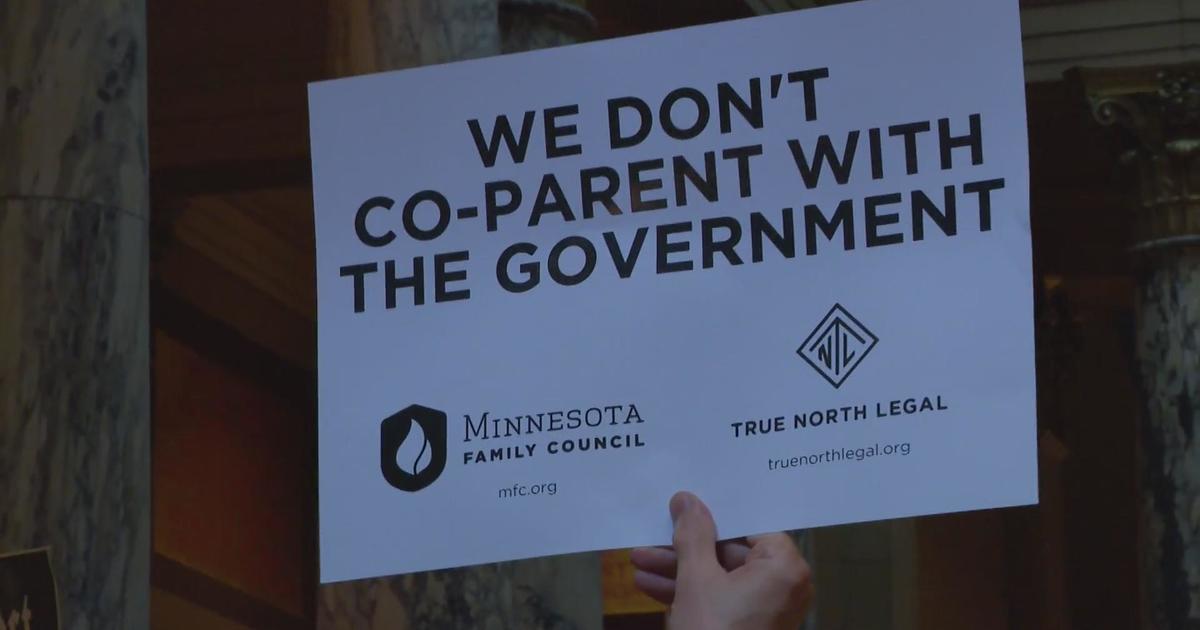
The Minnesota Senate has passed three bills aimed at protecting the rights of LGBTQ+ individuals and those seeking reproductive health care. The bills include a ban on conversion therapy for minors, the Reproductive Freedom Defense Act, and a bill making Minnesota a "refuge" state for transgender people seeking gender-affirming care. Supporters say the laws are necessary to protect patients and providers in a time when other states are seeking to ban abortion procedures and gender-affirming care for minors. All three bills are expected to be signed into law by Governor Tim Walz next week.