Tag

Pace Mission

All articles tagged with #pace mission

spacescience1 year ago

"NASA's PACE Mission: Observing Earth's Invisible Universe from Space"

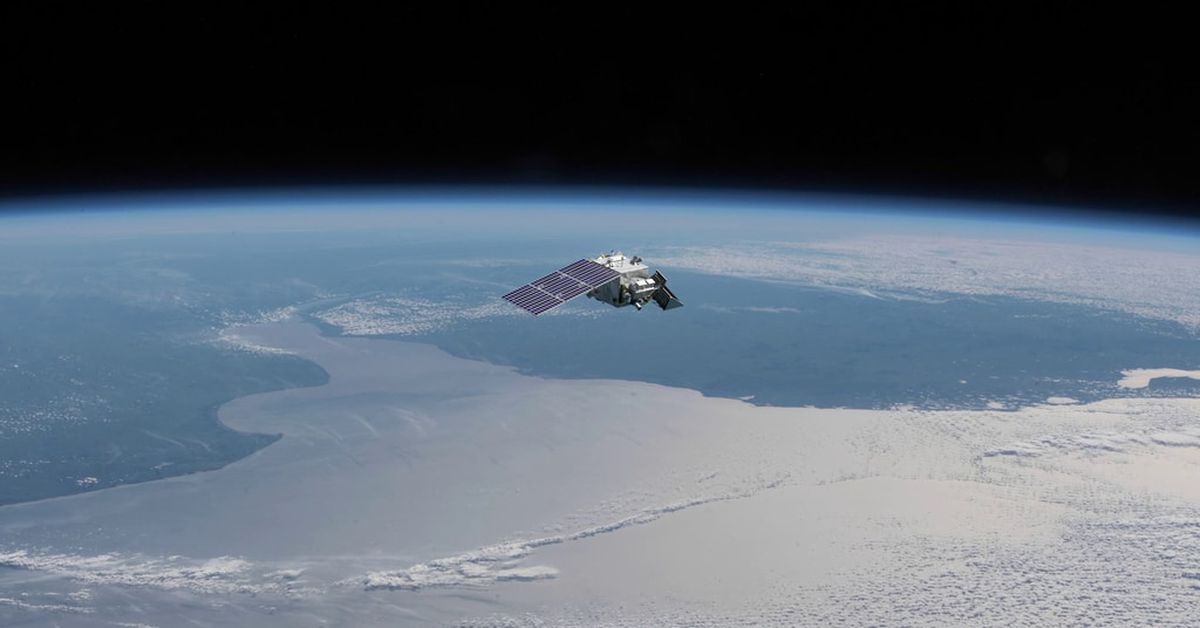
NASA has launched the PACE mission to study microscopic plankton and aerosols from space, aiming to understand their impact on the planet's climate. The mission will use advanced instruments to observe phytoplankton and aerosols, which play crucial roles in ocean ecosystems and atmospheric processes. The data collected will enhance knowledge of the ocean's influence on the climate cycle and aid in improving climate models. Additionally, the research may support potential strategies for carbon dioxide absorption and address concerns related to geoengineering.

science-and-technology1 year ago

"NASA's Billion-Dollar Earth Science Mission Defies Trump's Attempted Cancellation"

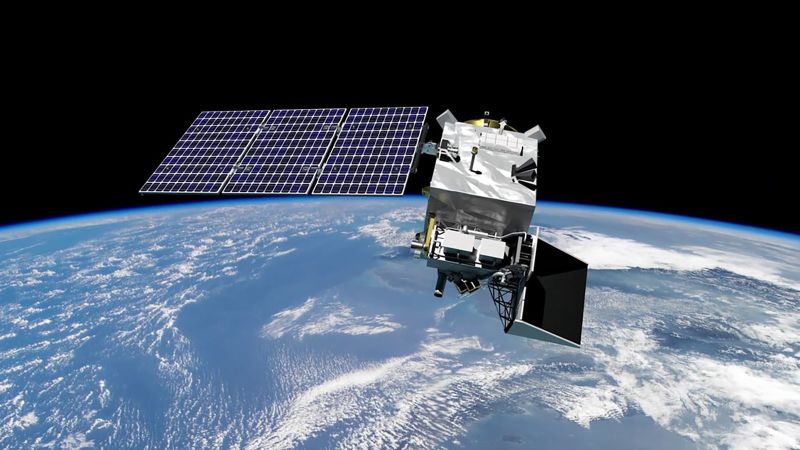
NASA successfully launched the PACE mission, aimed at studying phytoplankton and aerosols to better understand climate change, from Florida using a SpaceX rocket. The mission, which faced attempts at cancellation during the Trump administration, will provide crucial insights into the impact of phytoplankton on carbon dioxide absorption and their response to climate change. This launch marks the first time in over 60 years that a NASA satellite has been launched into polar orbit from the Florida spaceport.

science-and-technology1 year ago

"NASA's PACE Mission: Exploring Earth's Invisible Universe"

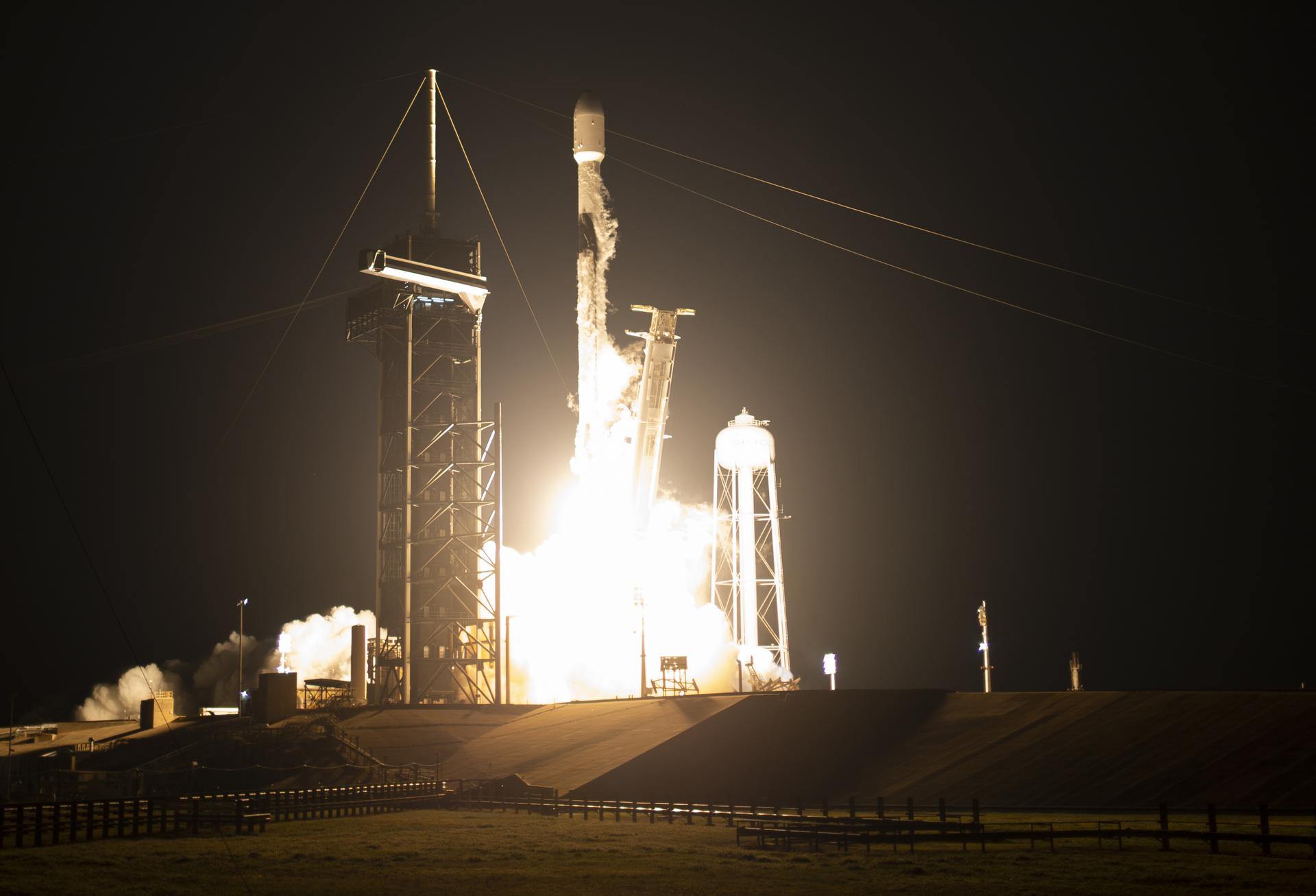
NASA's PACE mission, launched aboard a SpaceX Falcon 9 rocket, aims to study Earth's microscopic marine life and atmospheric particles to better understand ocean health, global warming, and climate change. The mission will use advanced instruments to capture data on phytoplankton, aerosols, and clouds, shedding light on their impact on the planet. PACE's observations could provide crucial insights into carbon exchange, harmful algal blooms, and air quality, ultimately aiding in the understanding and mitigation of climate-related challenges.

spacescience1 year ago

"NASA and SpaceX Launch PACE Mission to Study Earth's Oceans"

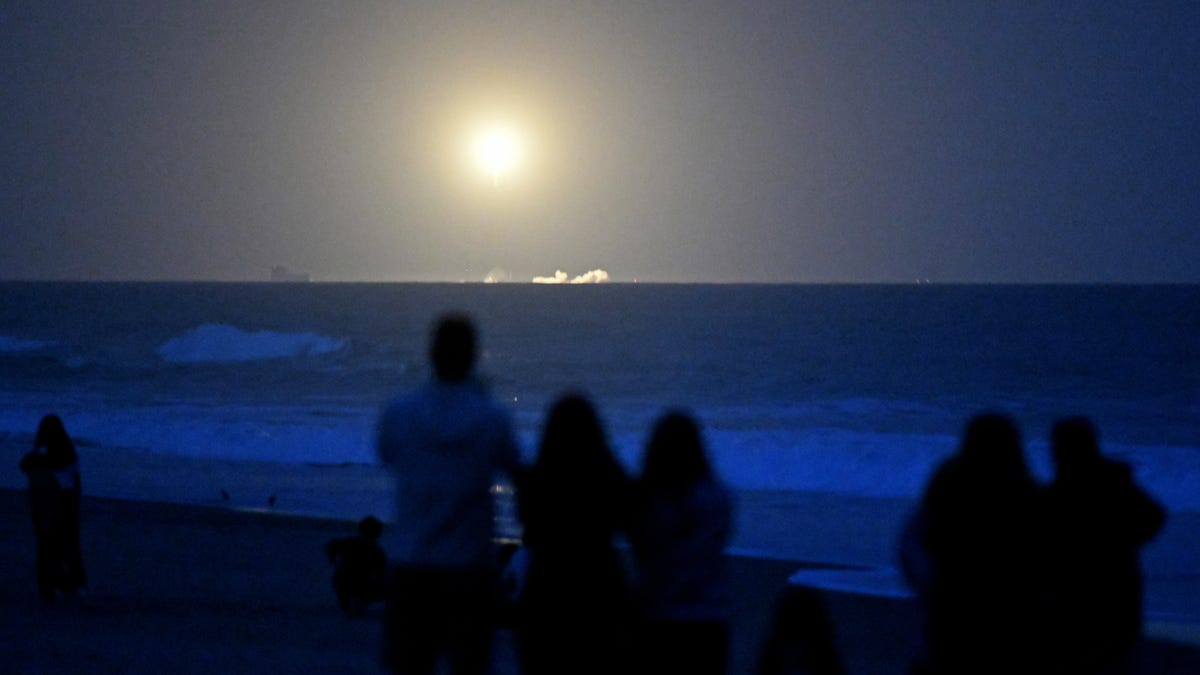
NASA and SpaceX are targeting 1:33 a.m. EST Thursday, Feb. 8, to launch the PACE spacecraft atop a Falcon 9 rocket from Cape Canaveral, with live coverage available on floridatoday.com/space. The best places to view the launch in Brevard County, Florida, include along the beach, Space View Park, Parrish Park, Playalinda Beach, and Jetty Park Beach and Pier. Other viewing spots are also available in Volusia and Indian River County.

spacescience1 year ago

"NASA's PACE Mission: A Game-Changer in Earth Science"

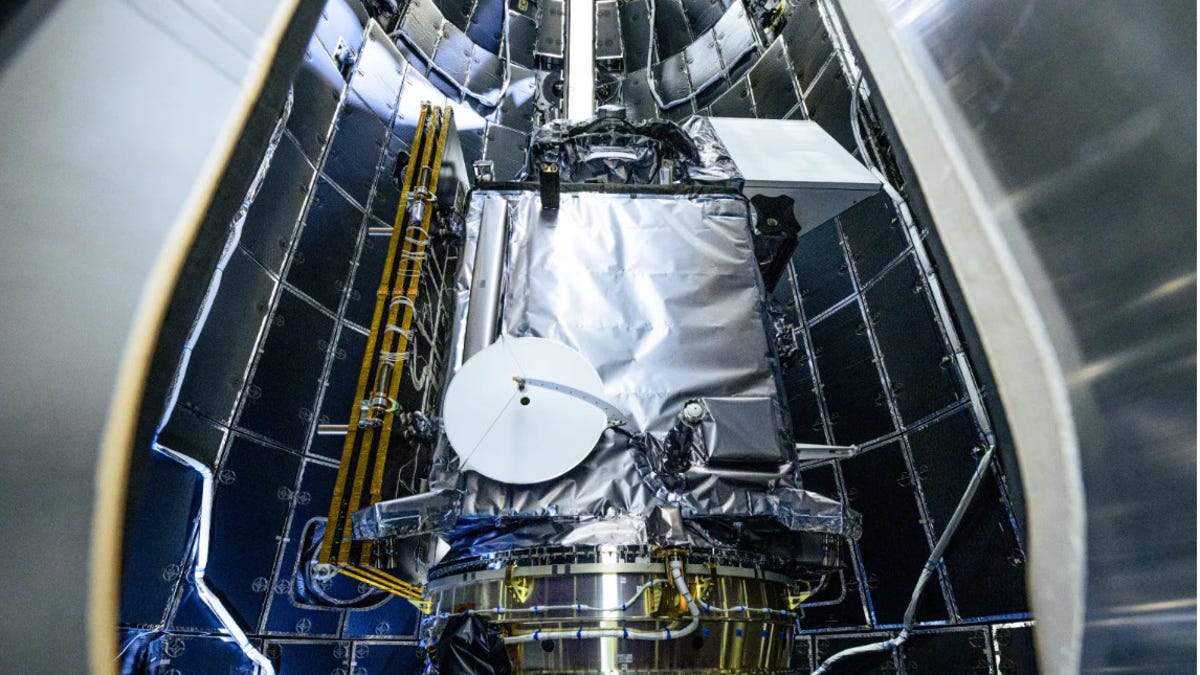
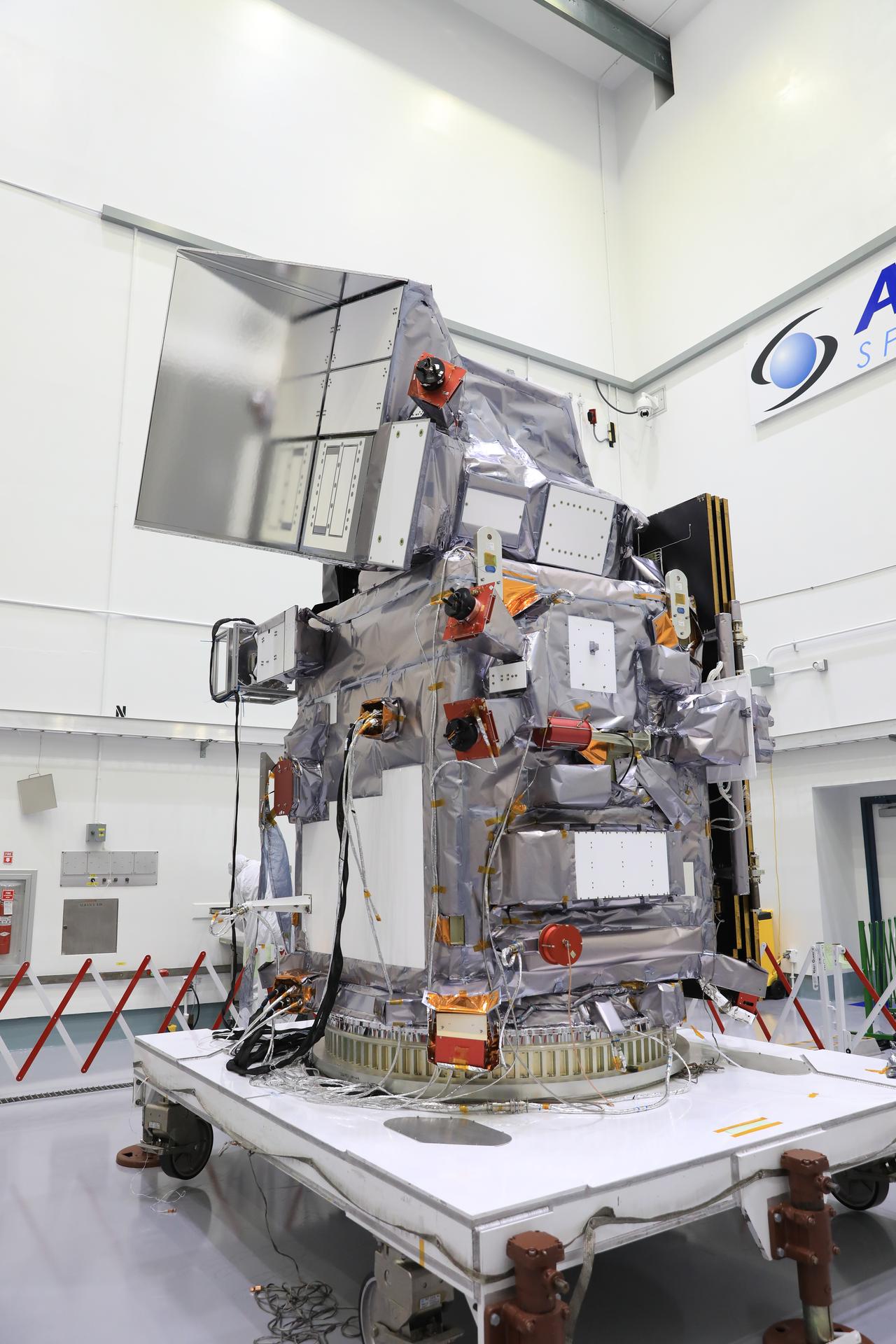
NASA's PACE spacecraft, set to launch from Florida's Cape Canaveral Space Force Station, aims to collect data on oceanic and atmospheric phenomena such as clouds, aerosols, and phytoplankton growth. The mission will help scientists understand ocean health, marine life, air quality, and climate, with a focus on carbon dioxide exchange and aerosol impact on phytoplankton growth. PACE will orbit at a 676.5 km altitude for three years, using instruments to measure ocean color, characterize aerosols, and study aerosol particles and clouds. The mission is expected to provide unprecedented detail on Earth's water system and different phytoplankton species.

space-and-science1 year ago

"NASA's PACE Mission: Exploring Earth's Oceans from Space"

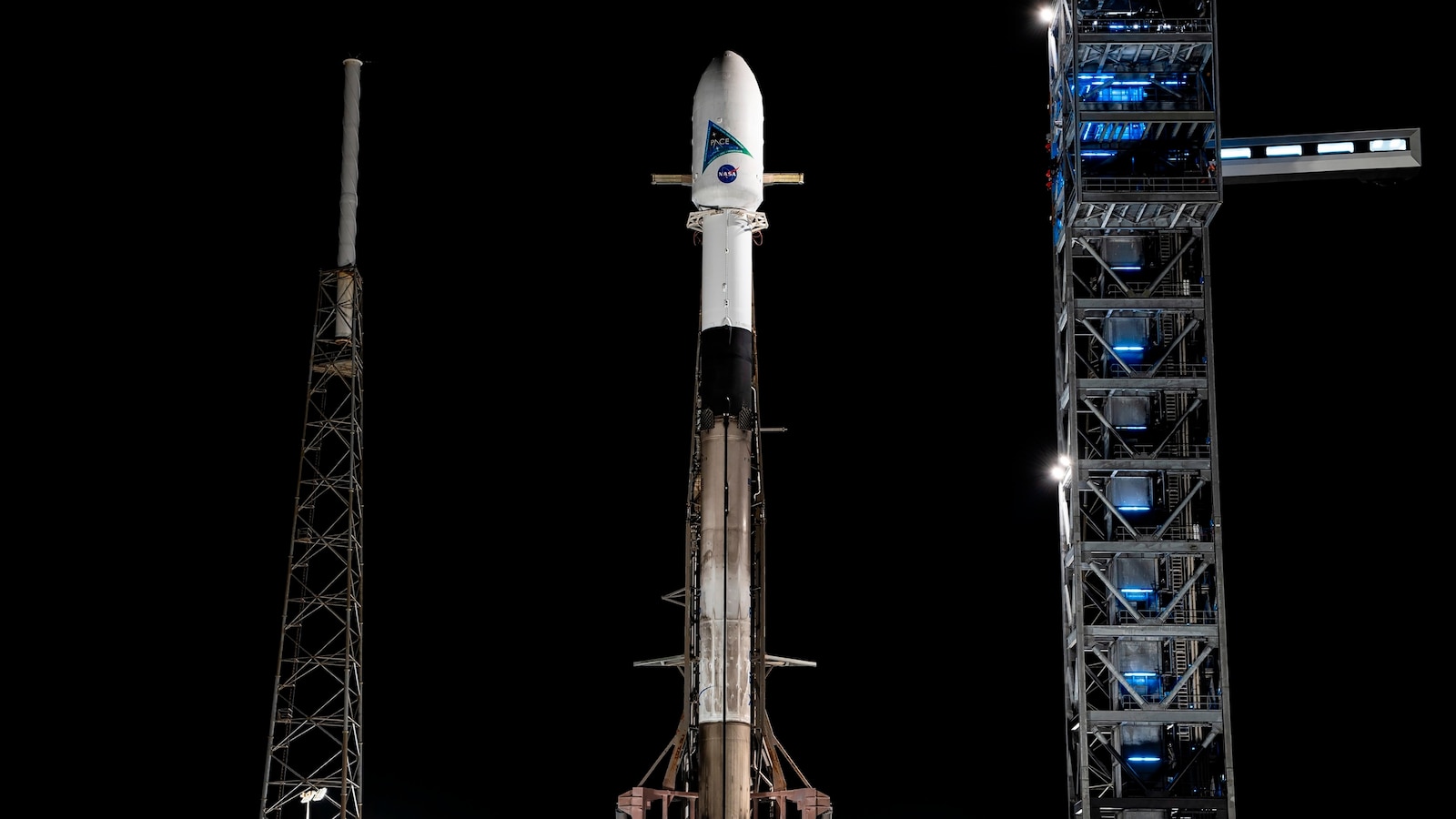
NASA and SpaceX are set to launch the PACE mission, aimed at examining Earth's oceans, using a Falcon 9 rocket from Cape Canaveral Space Force Station in Florida. The mission, scheduled for 1:33 a.m. ET on Tuesday, will mark the first U.S. government polar orbit launch from Cape Canaveral in over 60 years. The spacecraft, named PACE (Plankton, Aerosol, Cloud, ocean Ecosystem), is designed to observe ocean ecosystems and air quality, with NASA's head of science emphasizing its importance in understanding the health of oceans and air. The launch can be watched on NASA's YouTube channel or by registering as a virtual guest for updates and mission-specific information.

spacescience1 year ago

"NASA's PACE Mission: Unprecedented View of Ocean Life from SpaceX Falcon 9 Rocket"

SpaceX is set to launch NASA's PACE mission, aimed at studying the Earth's oceans and atmosphere, from Cape Canaveral. This will be the first U.S. government mission targeting a polar orbit from the site in over 60 years. The Falcon 9 rocket will carry the Earth-observing spacecraft, and the launch is scheduled for 1:33 a.m. EST. The mission aims to increase understanding of phytoplankton, aerosols, and their impact on the environment. The total cost of the mission is $948 million, with NASA paying SpaceX about $81 million for the launch services.

science-and-technology1 year ago

"NASA's PACE Mission: Unveiling Earth's Ocean and Atmosphere Mysteries from Space"

NASA's PACE mission aims to enhance understanding of Earth's oceans and atmosphere by studying phytoplankton, aerosols, and clouds. The spacecraft, set to launch on February 3, will carry three main instruments to observe ocean color, measure air quality, and study climate impact. PACE's data will be freely available to the public and is expected to provide valuable insights for researchers, decision makers, and communities regarding ocean health, air quality, and climate.

science-and-technology1 year ago

"NASA's PACE Mission: Unraveling Climate Change Mysteries from Space"

NASA will provide coverage of the upcoming PACE mission, which aims to study the interaction between oceans and atmosphere in a changing climate. The launch is scheduled for February 6, and live coverage will be available on NASA+ and NASA Television. The mission will shed light on the impact of microscopic life in water and particles in the air. Media and the public can participate in prelaunch activities and ask questions using #AskNASA on social media. Additionally, NASA's virtual guest program allows the public to attend the launch virtually and engage with the mission online.

science-and-technology2 years ago

Unveiling NASA's PACE Mission: Unlocking Earth's Atmospheric Mysteries

NASA invites digital content creators to register for the launch of the Plankton, Aerosol, Cloud Ocean Ecosystem (PACE) mission, scheduled for February 6, 2024. The mission aims to study global ocean biology, aerosols, and clouds, helping to understand carbon dioxide exchange, air quality, climate, and ocean health. Social media users can apply to attend the launch event, tour NASA facilities, meet experts, and interact with fellow space enthusiasts. Registration opens on December 14 and closes on December 19, with a maximum of 50 participants selected.