A record 23% of Americans believe the US healthcare system is in crisis, with 47% citing major problems, mainly high costs, which are linked to longer lifespans, economic fluctuations, and policy issues. Rising healthcare costs impact health outcomes, lead to skipped treatments, and are connected to mental health challenges, highlighting the need for systemic reforms to improve affordability and access.

The article explores whether paying cash for medical care without insurance can be cheaper, highlighting that while some services may cost less upfront, the lack of insurance protections and negotiated rates can lead to higher overall expenses, especially in emergencies or for ongoing care. It emphasizes the importance of understanding costs, potential savings, and risks involved in opting out of insurance.
Some Americans are worried that the expiration of enhanced ACA subsidies at the end of 2025 could lead to significantly higher health insurance premiums, potentially forcing many to downgrade coverage or go without insurance, amid ongoing political disagreements over government funding.
AstraZeneca will limit out-of-pocket costs for inhalers and related medication to $35 per month starting June 1, aiming to assist uninsured patients with asthma or chronic obstructive pulmonary disease. This move follows pressure from lawmakers and a similar initiative by Boehringer Ingelheim, but GlaxoSmithKline and Teva have not committed to a price cap. The Asthma and Allergy Foundation of America supports efforts to make asthma drugs more affordable and urges all healthcare industry stakeholders to collaborate in reducing costs.
Senator Bernie Sanders plans to introduce legislation that would reduce prescription drug costs in the US by 50%, as discussed during a Senate committee hearing on the diabetes epidemic. Sanders aims to make anti-obesity and diabetes medications more affordable and has previously called on CEOs of pharmaceutical companies to testify about the high prices of prescription drugs in the US.
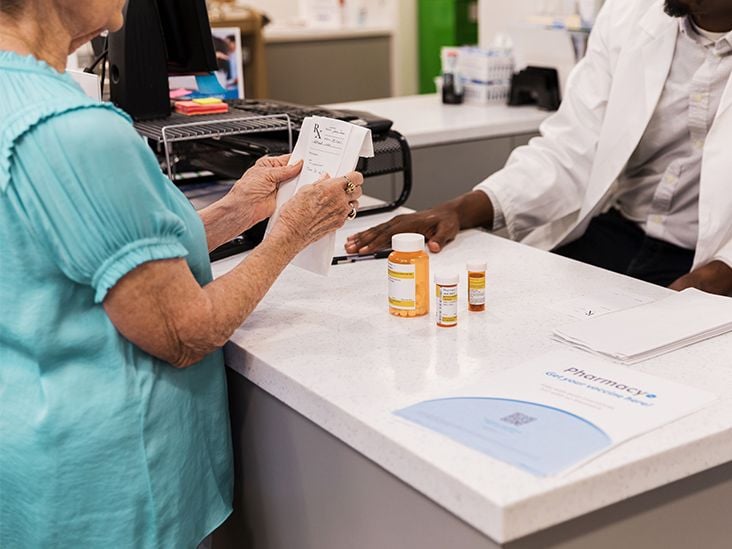
A new study has found that pharmacy discount cards can significantly reduce out-of-pocket costs for prescription medications, potentially saving patients millions of dollars. The study examined two discount card programs, Amazon Prime and GoodRx Gold, and analyzed the savings on 20 commonly prescribed generic drugs. The findings showed that using these discount cards could result in savings of up to 85% on out-of-pocket costs, with estimated total savings of $969 million and $1.83 billion, respectively. The study highlights the potential benefits of pharmacy discount cards for individuals without insurance or those with high-deductible healthcare plans.
A study published in JAMA Network Open found that 1 in 5 adults aged 65 and above skipped or delayed their prescription medications last year due to concerns about cost. The study's lead author attributed the increase to rising inflation and prescription drug costs. The findings are in line with earlier studies and real-world experiences. The Inflation Reduction Act aims to lower the high cost of prescription drugs for older adults, but some of its provisions won't go into effect for several more years. Billionaire Mark Cuban's Cost Plus Drug Co. offers some generic drugs at discounted prices.
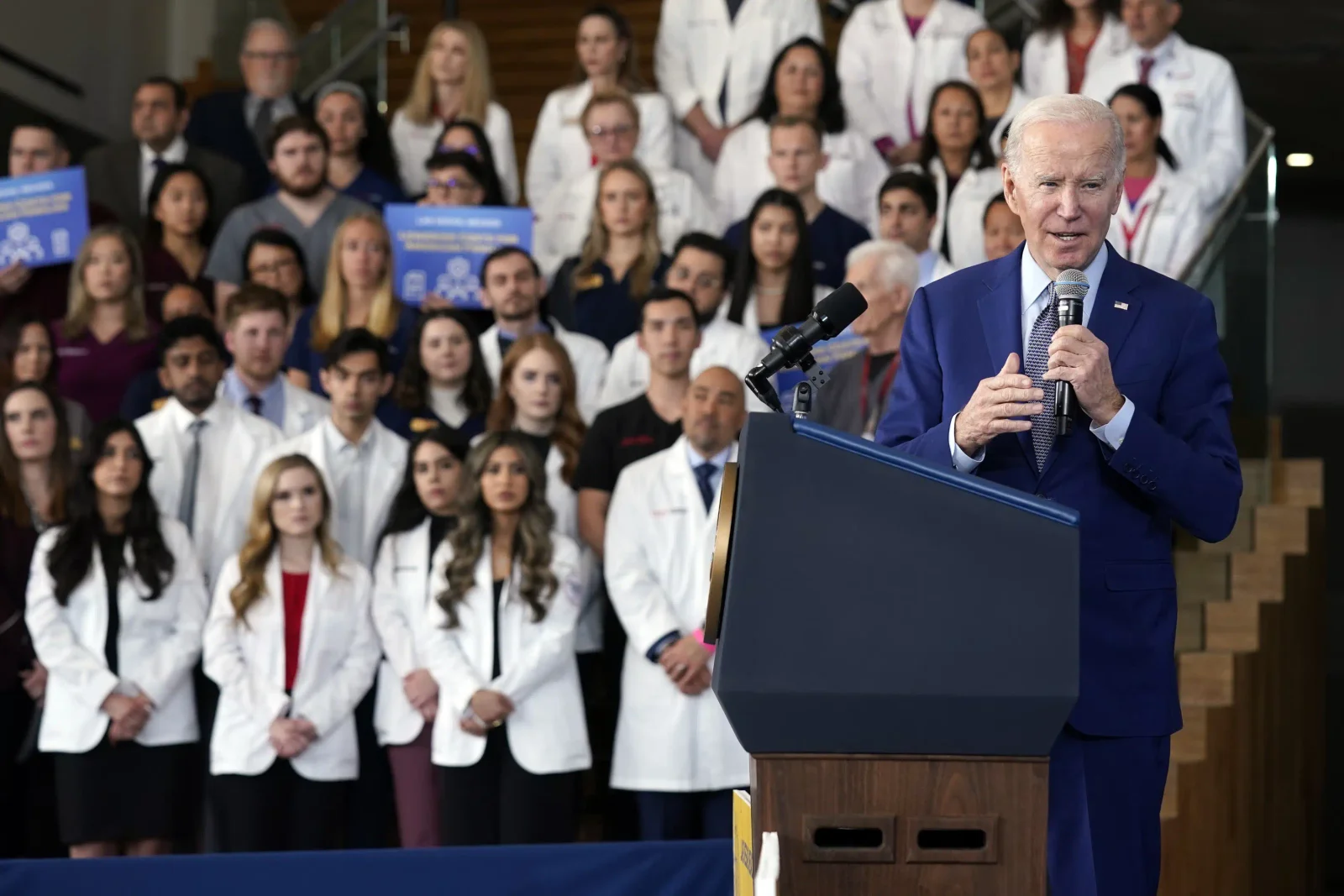
President Joe Biden has vowed to protect Medicare and Social Security while focusing "intensely" on lowering healthcare costs, including drug prices. He criticized "MAGA" Republicans who he said are intent on dialing back Medicare coverage for millions of Americans. The White House showcased legislation passed last year that is expected to save taxpayers billions of dollars and lower the cost of drugs for the roughly 84 million Americans who rely on Medicare. Biden talked up how his administration is rolling out several parts of that law, passed in a Democratic-controlled Congress last year, that cap the price of insulin, make most vaccines free, and allow the federal government to negotiate deals on a handful of pharmaceutical drugs for Medicare enrollees.