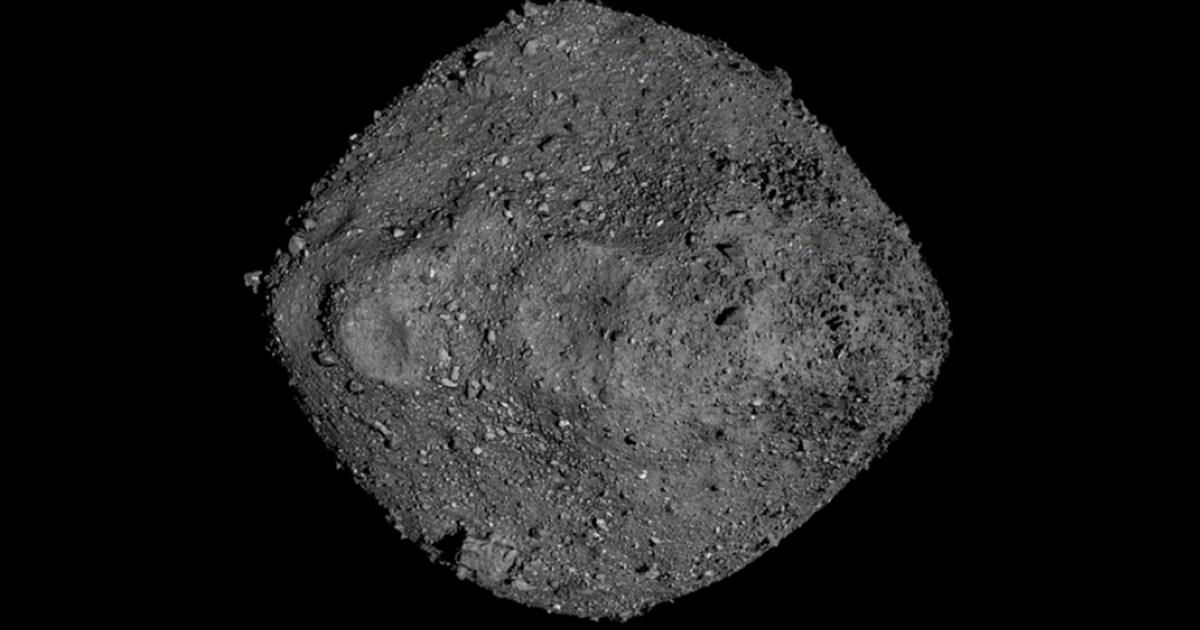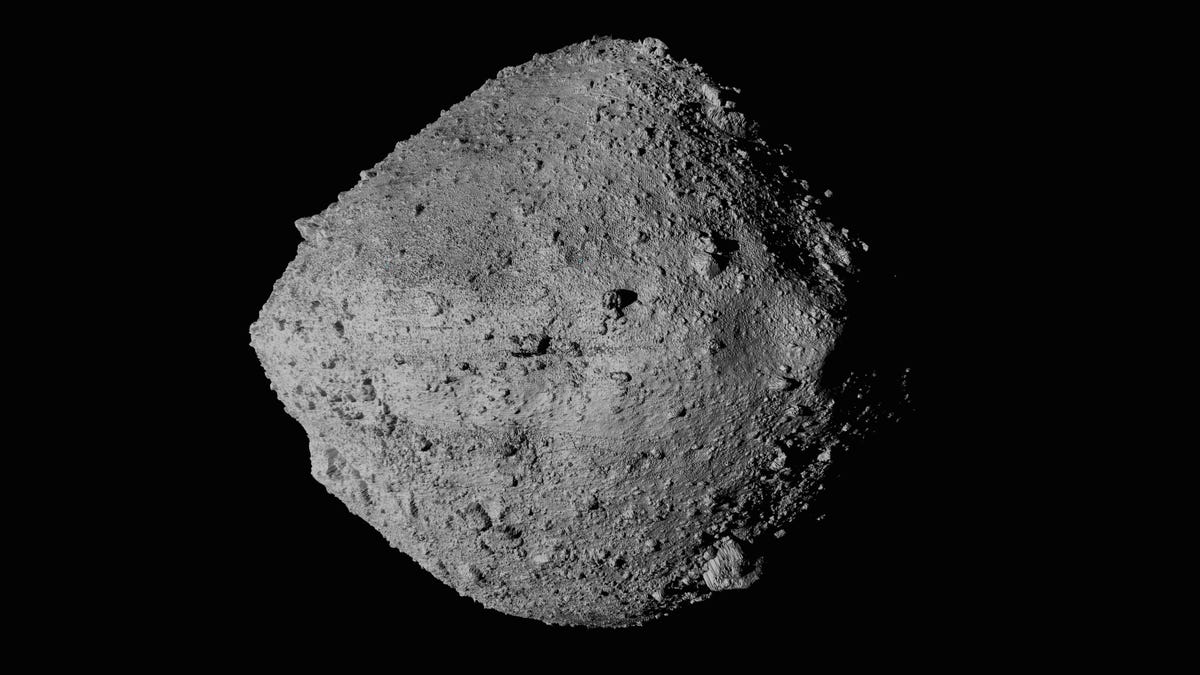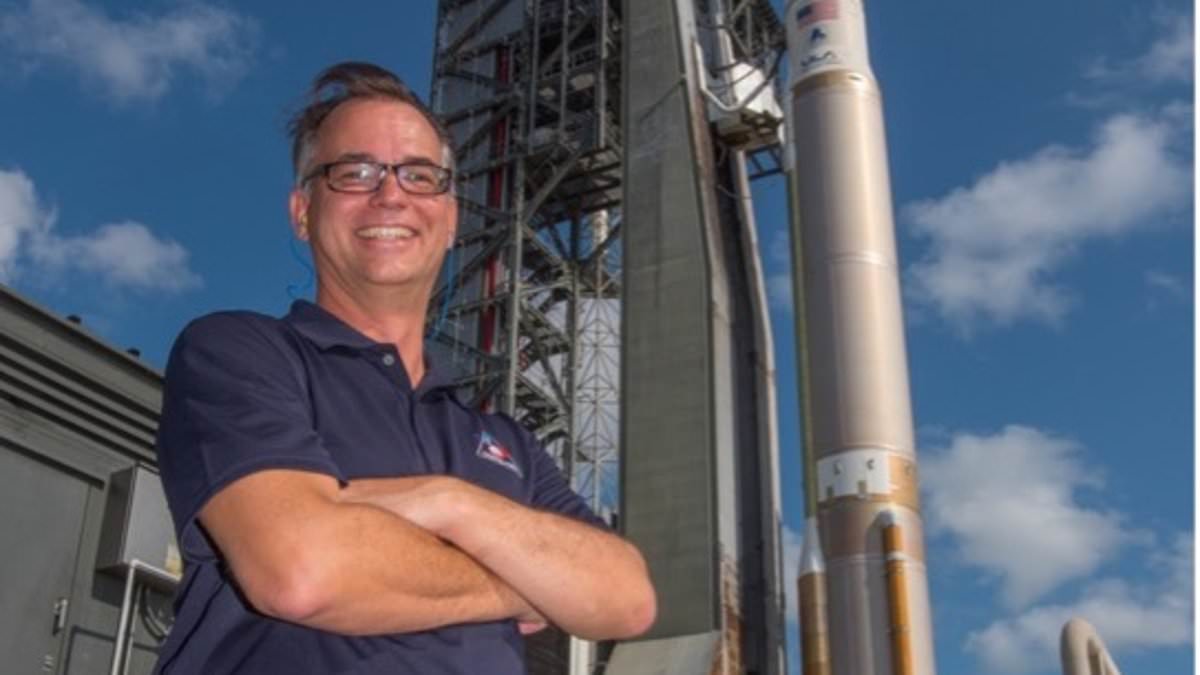
NASA awarded a billion dollars to Dante Lauretta in 2011 to lead a mission to study asteroid Bennu, a potentially catastrophic threat to Earth. The OSIRIS-REx spacecraft successfully collected a sample from Bennu in a historic mission, marking a significant achievement in space exploration and planetary defense. If Bennu were to impact Earth, it would cause a major natural and humanitarian disaster, with devastating consequences. The book "The Asteroid Hunter: A Scientist’s Journey to the Dawn of our Solar System" by Dante Lauretta provides an in-depth account of this mission and the potential impact of Bennu.
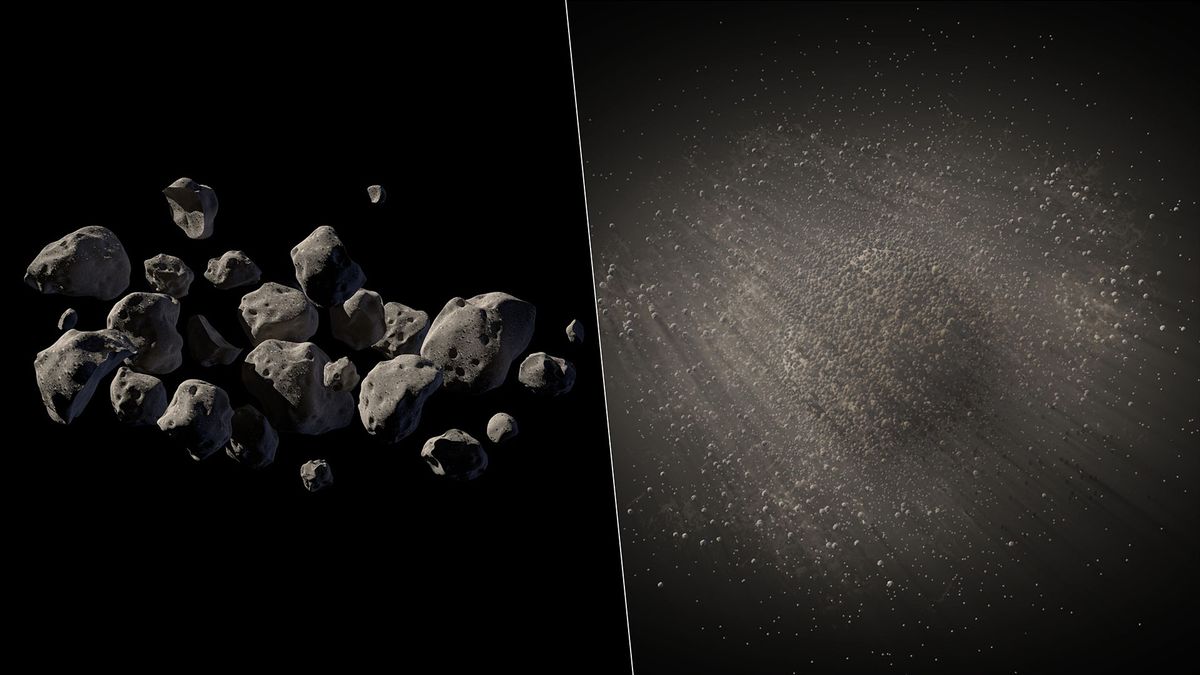
Scientists are turning to near-Earth asteroids and temporary companions called "minimoons" to uncover secrets about the early history of the solar system. These cosmic bodies, which have been influenced by the gravitational forces of Earth and other planets, are seen as potential time capsules that could provide valuable insights into the conditions and composition of the early solar system. Recent discoveries, such as water and carbon on the asteroid Bennu, have sparked interest in exploring minimoons as they offer a closer and potentially less contaminated source of samples compared to traditional meteorites. NASA's successful OSIRIS-REx mission has further fueled interest in exploring these cosmic bodies as the next frontier in near-Earth exploration.
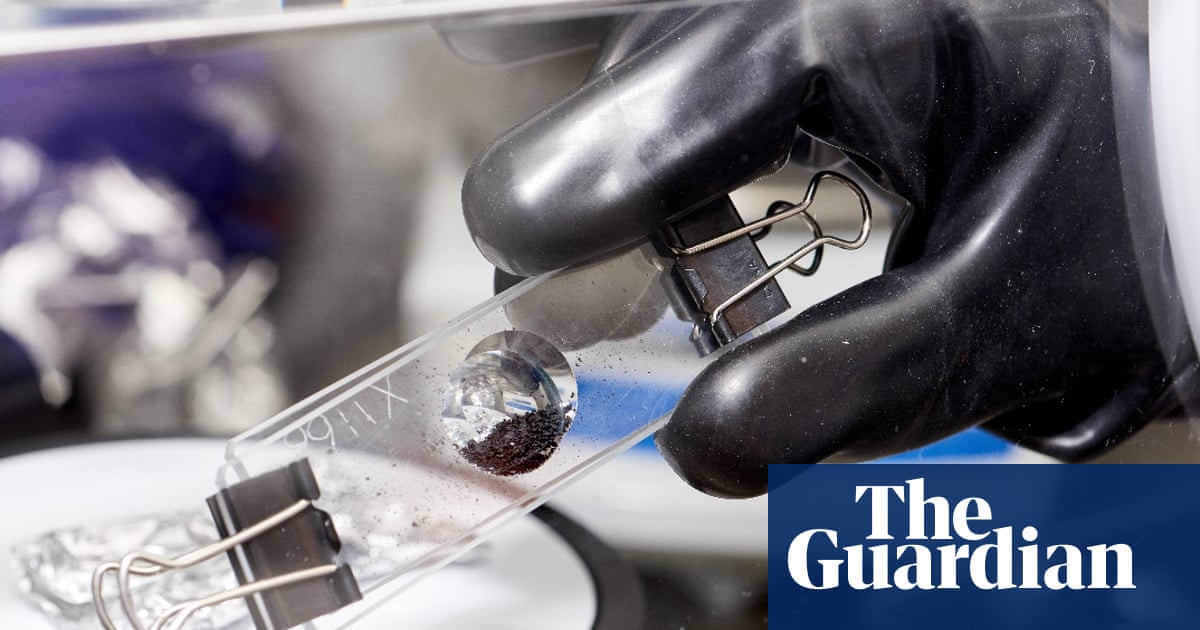
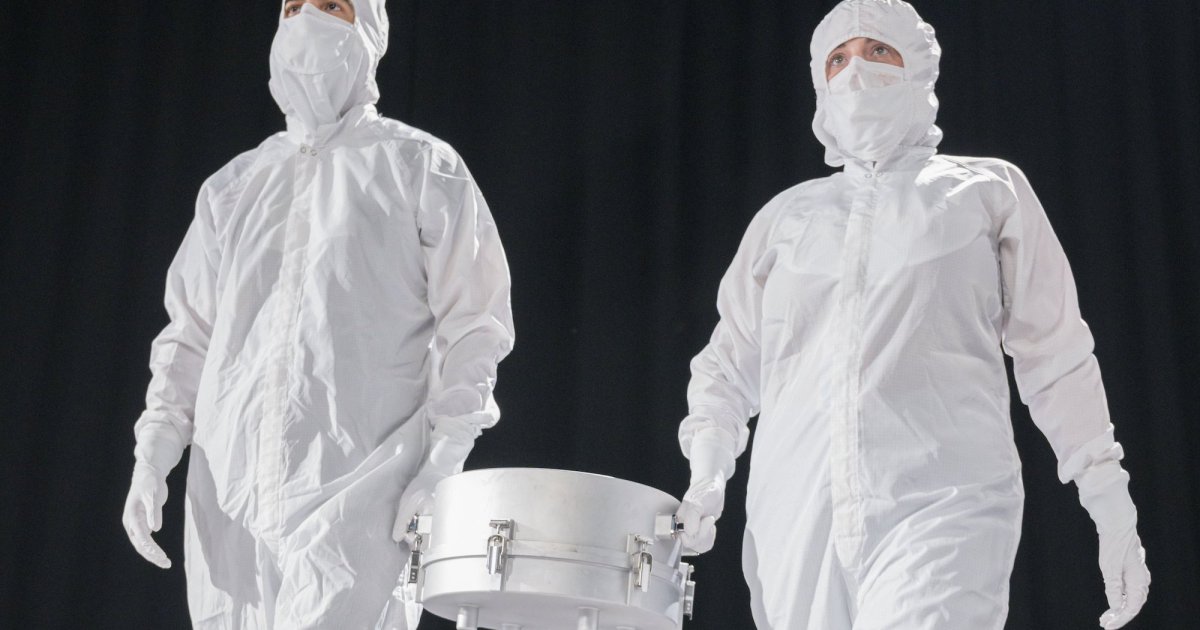
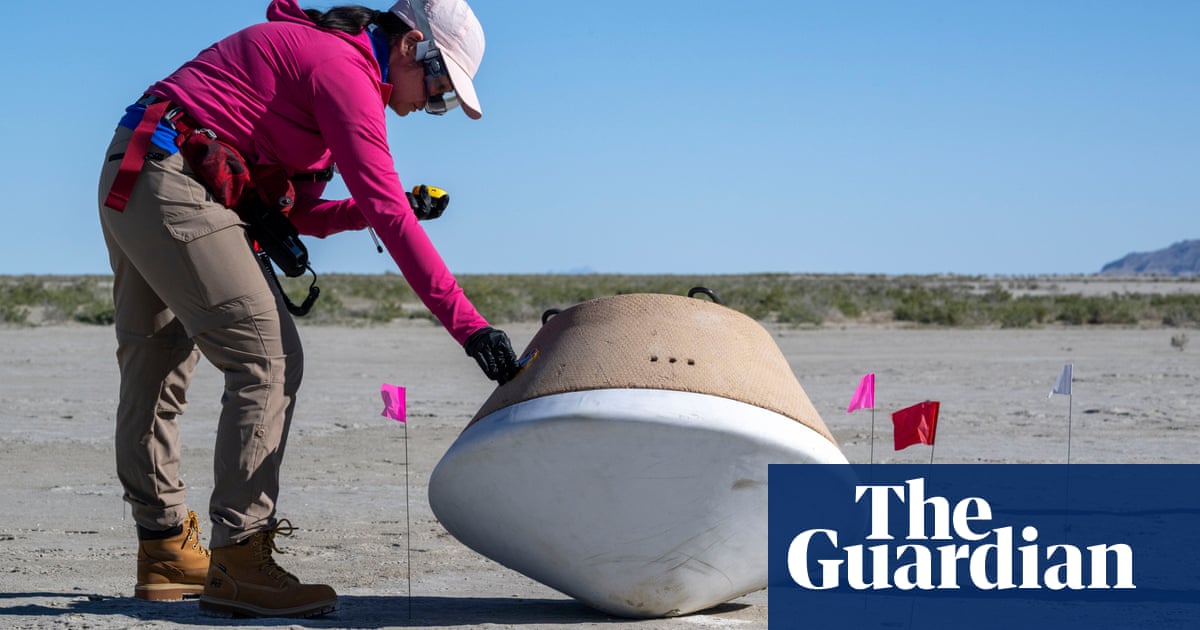
NASA successfully unlocked a canister of asteroid dust collected by the Osiris-Rex mission from the 4.6 billion-year-old asteroid Bennu, which is classified as "potentially hazardous." After months of struggling with stuck fasteners, scientists at NASA's Johnson Space Center managed to open the canister without contaminating the samples with Earthly air. The 9-ounce sample will now be analyzed to provide insights into the early solar system and the formation of habitable environments.
NASA successfully released a trapped sample of rocks and dust from the near-Earth asteroid Bennu, which had been stuck behind fasteners for months. The space agency used specially designed surgical steel tools to pry open the mechanism and plans to photograph, extract, and weigh the hidden cache. Previous analysis of material from Bennu revealed abundant water and carbon, providing insights into the origins of water on Earth.
Scientists at the Natural History Museum in London have received a teaspoon's worth of dark dust and granules from the Bennu asteroid, which is 4.6 billion years old and dates back to the dawn of the solar system. The material was collected by NASA's Osiris-Rex mission, which briefly touched down on Bennu and returned with over 60g of untouched samples. Preliminary analyses have revealed that the asteroid is rich in carbon and water, with some carbon tied up in organic compounds. Scientists will study the samples to understand the formation of the solar system and the role of asteroids in delivering water to Earth. The research will also contribute to efforts in deflecting or destroying potentially hazardous asteroids.
NASA's OSIRIS-REx mission, which successfully collected samples from asteroid Bennu, is facing a challenge in accessing the sample due to two screws that cannot be removed with the current tools approved for use in the mission's glovebox. The team is working on developing new approaches to extract the material while keeping it safe and preserving its scientific integrity. Despite the setback, the mission has already surpassed its goal of bringing at least 60g of rocks and dust to Earth.
NASA's OSIRIS-REx mission has brought back a sample from the 4.5-billion-year-old asteroid Bennu, revealing high-carbon content and water, which could potentially be the building blocks of life on Earth. The sample will be extensively analyzed to gain insights into the formation of our solar system, the origins of life on Earth, and the threat of asteroid impacts. This discovery marks a significant step in understanding our cosmic heritage and unlocking the secrets of our celestial neighborhood.
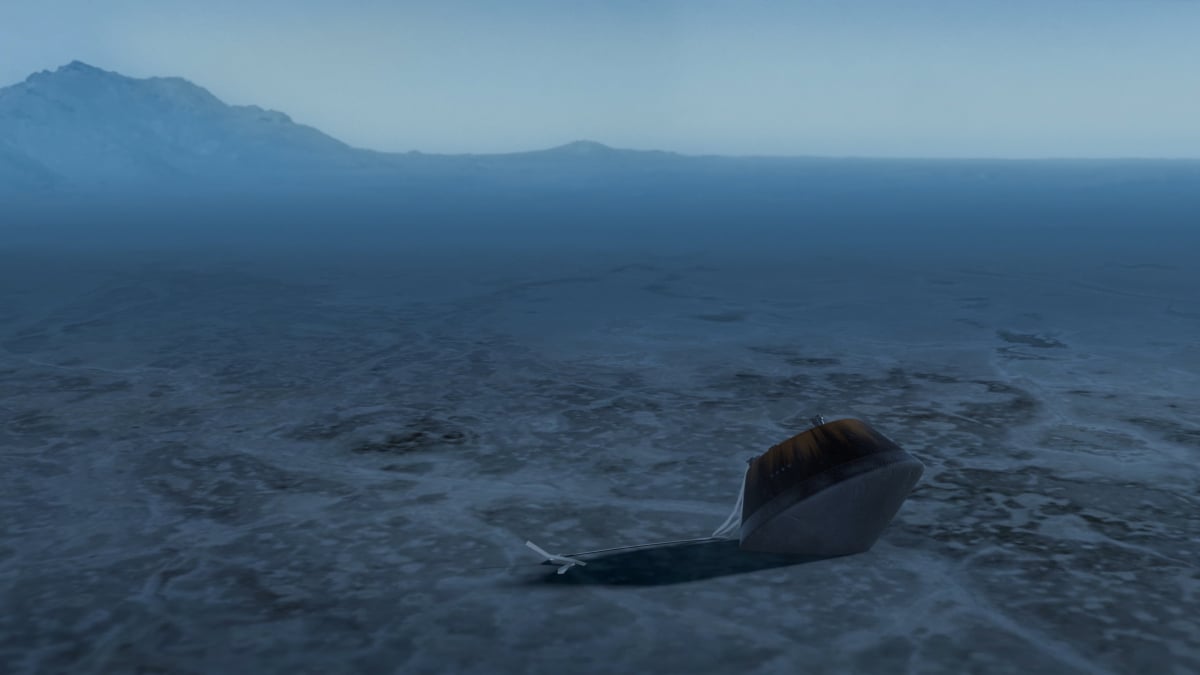
NASA is set to reveal the first images of the largest asteroid sample ever collected in space, taken from the asteroid Bennu by the OSIRIS-REx mission. The capsule containing the sample successfully returned to Earth and is now being analyzed at NASA's Johnson Space Center. Scientists hope that studying the sample will provide insights into the early days of the solar system and the origins of life. The substantial amount of material collected, 250 grams, distinguishes this mission from previous ones. Bennu is believed to be rich in organic compounds, and scientists think similar asteroids could have delivered organic building blocks to Earth billions of years ago.
NASA will livestream the reveal of the sample collected from the Bennu asteroid during the OSIRIS-REx mission, marking the agency's first-ever sample retrieval from a distant asteroid. The sample was successfully dropped off in a capsule that landed in the Utah desert and has been transported to the Johnson Space Center in Houston for scientific study. The livestream event will take place on Wednesday, October 11, and viewers can watch it on NASA TV or via the embedded video player on the Digital Trends website.
Brother Robert Macke, a Jesuit astronomer at the Vatican Observatory, has played a crucial role in NASA's OSIRIS-REx mission by constructing a custom-built device called a pycnometer to study asteroid material. The pycnometer had to meet specific requirements to avoid contamination and Macke was the only one able to create the exact device needed. The samples collected from the asteroid Bennu will be studied to gain insights into the origins of the solar system and the nature of asteroids. Macke will continue to be involved in the study of the samples, contributing to the wealth of knowledge being developed. The Vatican Observatory, which Macke is a part of, has a long history of collaborations with scientific institutions worldwide and occasionally participates in NASA missions.
NASA's OSIRIS-REx mission is set to return to Earth on Sunday, bringing back samples from the asteroid Bennu. However, a recent study suggests that Bennu could potentially collide with Earth in 2182, passing through a "gravitational keyhole." The chances of impact are small, with a 1 in 2,700 probability. Bennu, discovered in 1999, is about one-third of a mile wide and rich in carbon, making it a valuable source of information about the formation of the solar system. The samples collected by OSIRIS-REx will be examined in a laboratory in Houston.
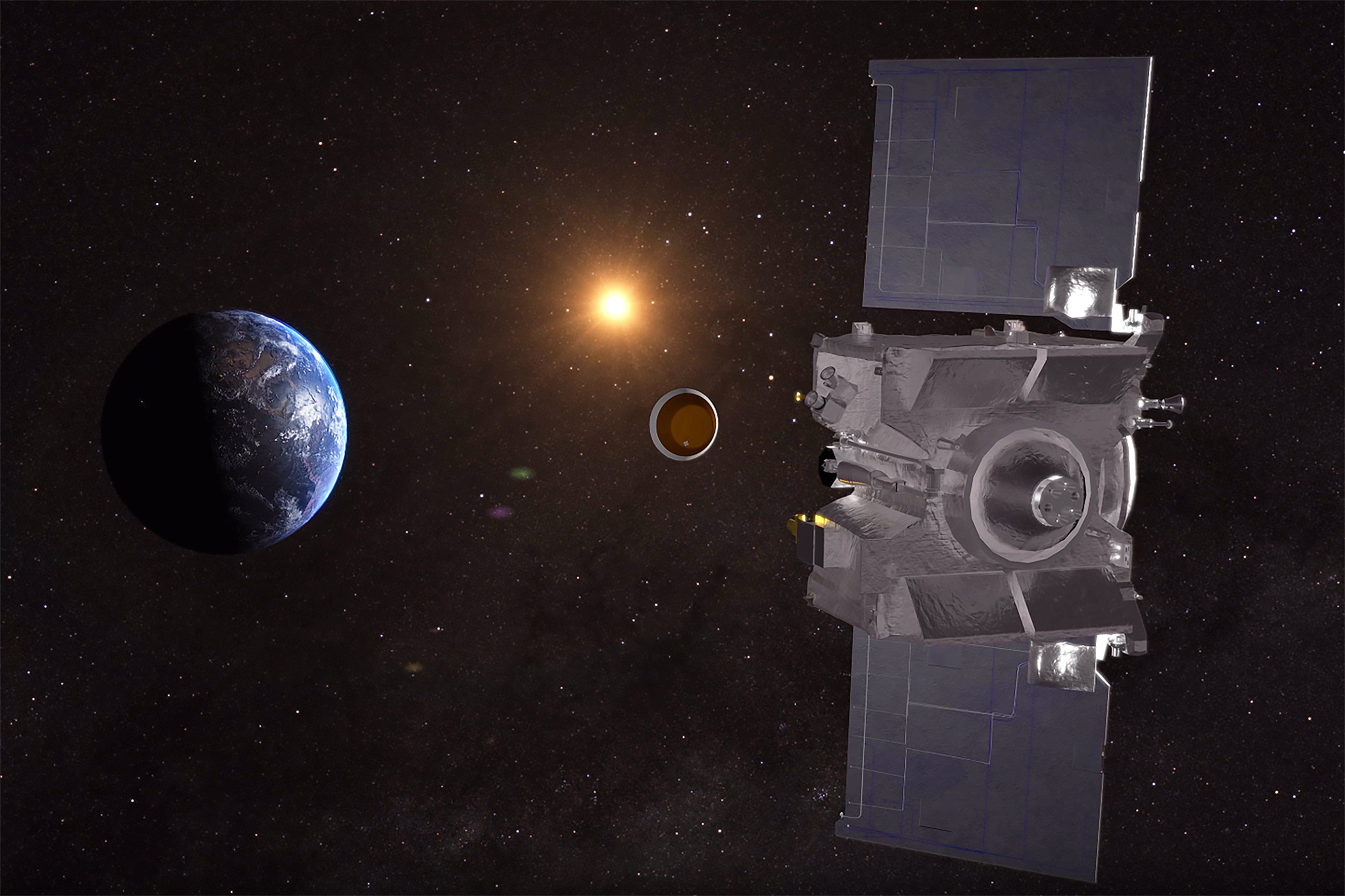
NASA's Osiris-Rex mission is set to conclude as a capsule containing 250g of 4.6 billion-year-old asteroid rubble is expected to land in the Utah desert on Sunday. The samples, collected from the asteroid Bennu, could provide insights into the formation of planets and the origins of life. Scientists aim to analyze the physical properties of the samples to better understand how to predict and defend against potential asteroid strikes. Additionally, they hope to study the carbon-rich surface of Bennu to explore whether asteroids could have brought crucial ingredients for life to Earth. The samples will be studied by various scientists and preserved for future research.
NASA's seven-year mission to prevent a potential catastrophic collision between Earth and the massive asteroid Bennu is nearing its conclusion. Recent findings indicate a 1 in 2700 chance of Bennu hitting Earth in 2182. NASA's OSIRIS-REx spacecraft, which collected a historic sample from Bennu's surface in 2020, will return to Earth on September 24, 2023. The sample, weighing approximately 8.8 ounces, will provide valuable insights into the formation of our solar system and the origins of life on Earth.
NASA's OSIRIS-Rex mission, which aims to collect samples from the asteroid Bennu, has enlisted the help of Brother Robert J. Macke, a Jesuit astronomer from the Vatican Observatory. Macke has designed a custom device called a pycnometer to measure the density of the asteroid's boulders, which could provide crucial insights into Bennu's composition. The pycnometer was built to meet NASA's strict contamination rules and will be used by scientists at the Johnson Space Center in Houston. Macke, who believes there is no conflict between faith and science, sees his work as a scientist and a Jesuit as interconnected and fulfilling.
Queen's lead guitarist and astrophysicist Brian May has collaborated with University of Arizona planetary science expert Dante Lauretta to release "Bennu 3-D: Anatomy of an Asteroid," the world's first complete and three-dimensional atlas of an asteroid. The book features images and data from the Osiris-Rex mission, which aims to collect samples from the near-Earth asteroid named Bennu. Expected to be released on Thursday, the book includes previously unseen stereoscopic three-dimensional images of Bennu and explores its potential impact on Earth, as well as its significance in understanding the origins of life.