Astronomers estimate that at any given time, Earth could be hosting around 6.5 minimoons—small, temporary satellites mostly originating from lunar debris—though detecting them remains challenging due to their size and speed. These transient objects offer valuable scientific insights into the Moon's history and solar system processes, and could have future applications in space exploration and resource extraction. Ongoing advancements in telescopic technology are expected to improve detection and understanding of these elusive celestial bodies.
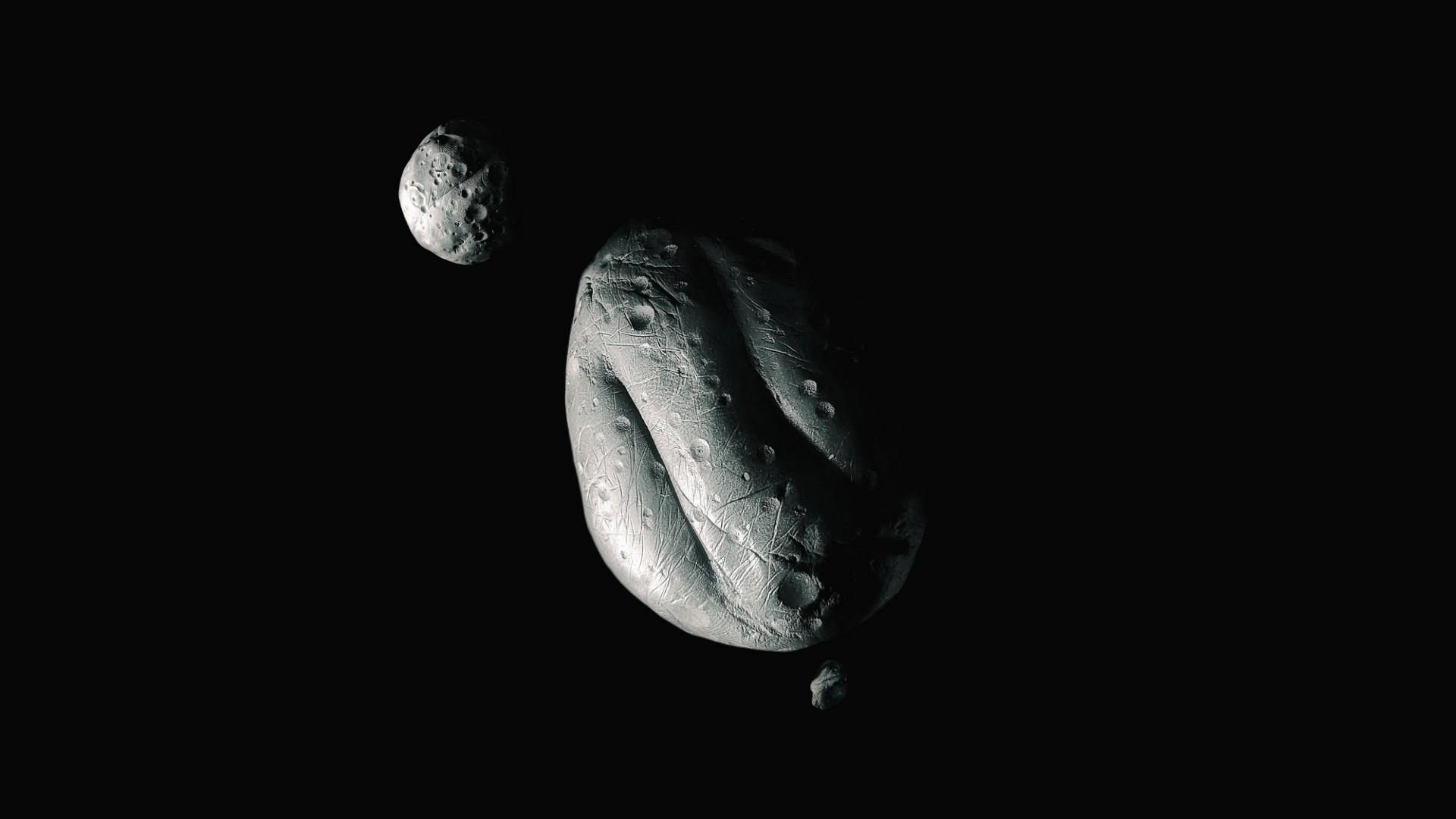
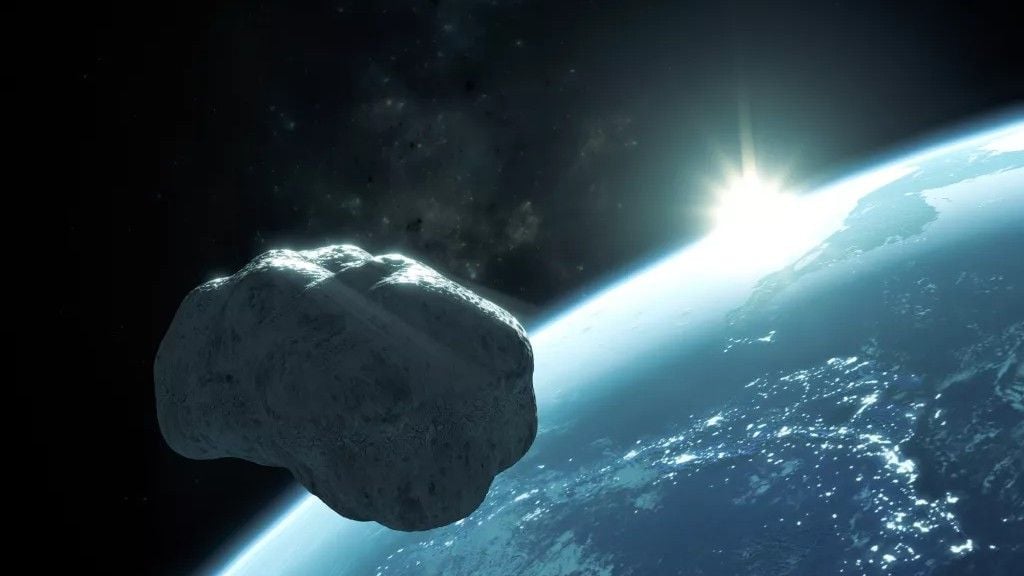
Research suggests Earth may have at least six temporary moons, called minimoons, at any given time, originating from lunar debris or asteroid collisions, but their small size and rapid movement make them difficult to detect. These objects typically orbit for about nine months and are constantly replenished, offering insights into lunar and solar system dynamics, as well as potential commercial opportunities.
Scientists are turning to near-Earth asteroids and temporary companions called "minimoons" to uncover secrets about the early history of the solar system. These cosmic bodies, which have been influenced by the gravitational forces of Earth and other planets, are seen as potential time capsules that could provide valuable insights into the conditions and composition of the early solar system. Recent discoveries, such as water and carbon on the asteroid Bennu, have sparked interest in exploring minimoons as they offer a closer and potentially less contaminated source of samples compared to traditional meteorites. NASA's successful OSIRIS-REx mission has further fueled interest in exploring these cosmic bodies as the next frontier in near-Earth exploration.
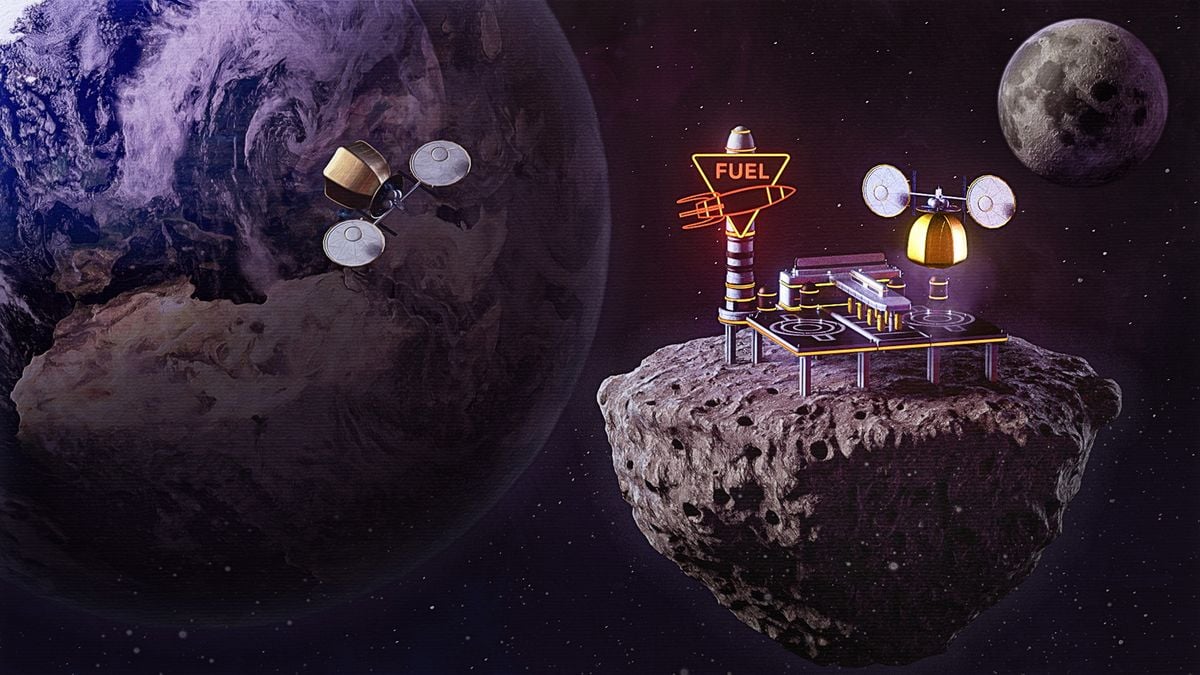
Minimoons, small transient satellites that orbit Earth for a brief time, have caught the attention of scientists as potential tools for future solar system exploration. These small bodies could serve as stepping stones for interplanetary missions, offering easier access and requiring less fuel than journeys to other cosmic bodies. Additionally, they may hold potential for testing technologies, including life support systems and asteroid mining operations. While challenging to detect, upcoming telescopes like the Vera C. Rubin Observatory and the NEO Surveyor could help uncover more minimoons and near-Earth asteroids, providing crucial insights into the mysteries of our solar system.
MIT astrophysicist Richard Binzel believes that minimoons, small asteroids moving alongside Earth, could serve as stepping stones for interplanetary exploration, particularly in missions to Mars. By utilizing in-space resources such as water-rich asteroids, the need to launch fuel from Earth could be minimized, overcoming the limitations imposed by the "tyranny of the rocket" equation. Binzel emphasizes the importance of surveying for minimoons and asteroids, highlighting the potential of space telescopes like the NEO Surveyor mission. While he envisions humans becoming an interplanetary species within the next 30 years, he sees minimoons playing a role in the initial steps of leaving the Earth-moon system for deep space exploration.
Earth has only one solid, permanent moon, but it has also captured a host of near-Earth objects and dust clouds in its gravity, which technically qualify as minimoons, quasi-satellites, or ghost moons. The number of moons Earth has is more complicated than you might think, and it has changed over time. In addition to these moons, there are space objects that NASA calls quasi-satellites, such as the asteroid 3753 Cruithne. Some space objects, such as asteroid 2010 TK7, earn the title of "moon" because they get caught in the unique gravity of the sun-Earth or Earth-moon systems.