Tag

Near Earth Asteroids

All articles tagged with #near earth asteroids

science6 months ago

World Asteroid Day 2025: Celebrate and Learn About Planetary Defense on June 30

World Asteroid Day 2025, commemorating the 1908 Tunguska event, will be marked with a free live stream on June 30 showcasing real-time views of near-Earth asteroids, highlighting ongoing efforts by NASA and international partners to monitor and mitigate asteroid impact risks, including recent missions like DART and advancements in asteroid detection technology such as the Vera Rubin observatory.
astronomy1 year ago

"Uncovering Earth's Minimoons: Keys to Interplanetary Exploration"

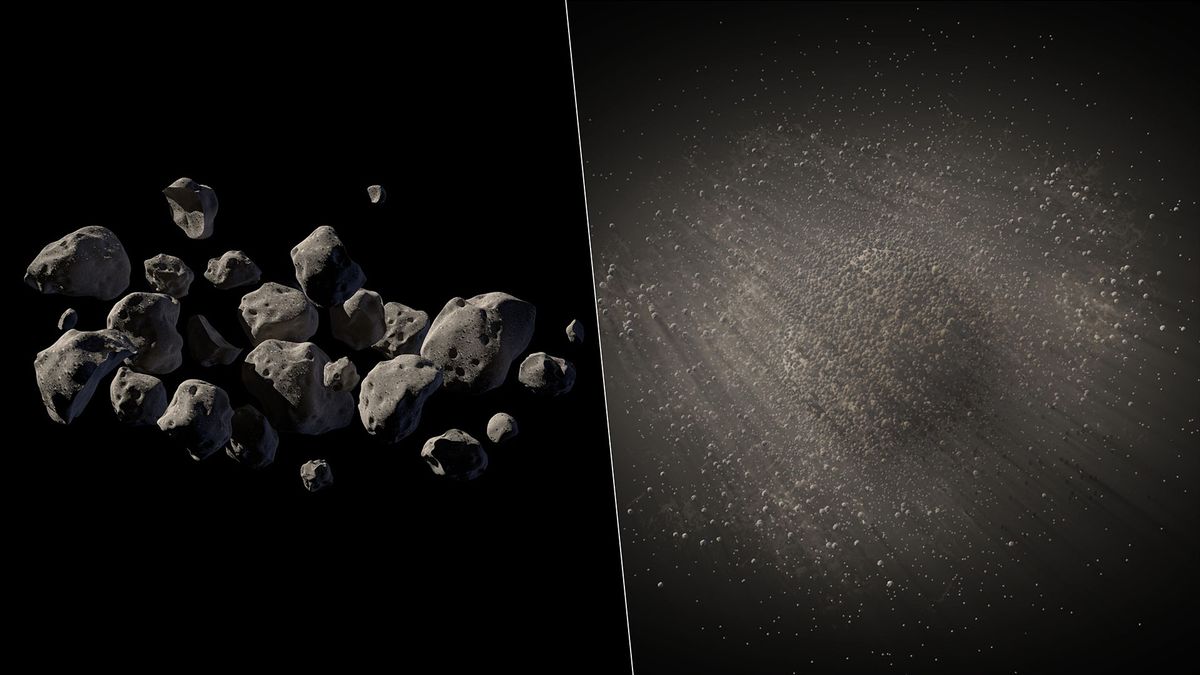
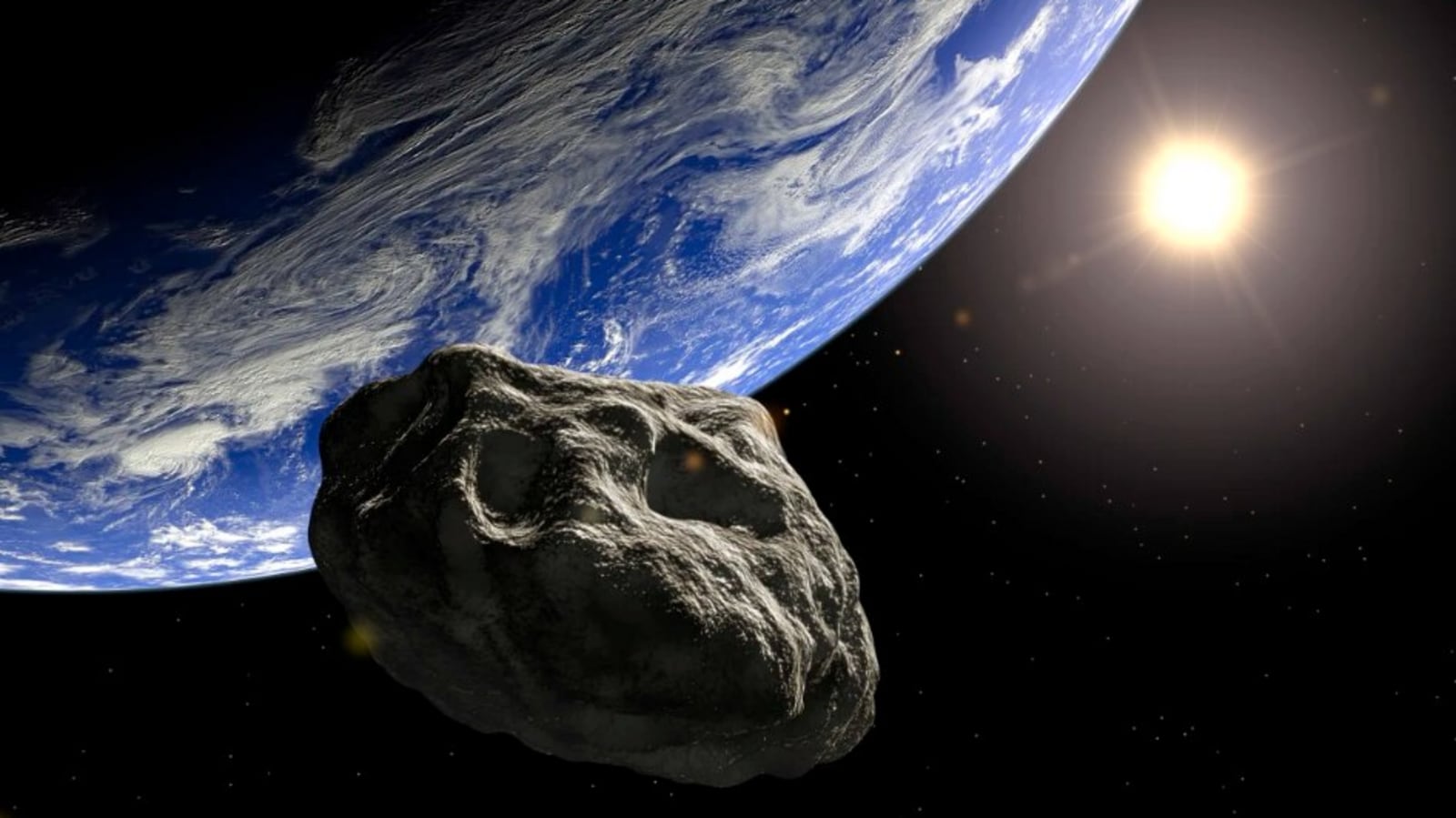
Scientists are turning to near-Earth asteroids and temporary companions called "minimoons" to uncover secrets about the early history of the solar system. These cosmic bodies, which have been influenced by the gravitational forces of Earth and other planets, are seen as potential time capsules that could provide valuable insights into the conditions and composition of the early solar system. Recent discoveries, such as water and carbon on the asteroid Bennu, have sparked interest in exploring minimoons as they offer a closer and potentially less contaminated source of samples compared to traditional meteorites. NASA's successful OSIRIS-REx mission has further fueled interest in exploring these cosmic bodies as the next frontier in near-Earth exploration.

science-and-technology2 years ago

Earth's Close Encounters: NASA Reveals Astonishingly Near Misses with Asteroids

NASA has revealed that over 100 "known near-Earth asteroids" passed closer to Earth than the Moon in the past year, with 13 flying past in November alone. In total, 2,818 near-Earth asteroids were discovered in 2023, bringing the total number discovered by NASA to 33,884. The article also highlights five dangerous asteroids on NASA's list, including Bennu, which has a 1 in 2,700 chance of impacting Earth in 2182. Additionally, it mentions several near-Earth asteroids that passed by Earth in 2023, including one the size of Vatican City and another the size of the Burj Khalifa. While most near-Earth asteroids pose no risk of impact, a small fraction, known as potentially hazardous asteroids, require more attention.

science-and-astronomy2 years ago

"Monitoring Near-Earth Asteroids: Tracking Future Encounters"

Near-Earth asteroids (NEAs) are asteroids or comets with orbits that bring them close to Earth's orbit. There are over 20,000 known NEAs, with four significant families based on their orbital parameters. Potentially hazardous asteroids (PHAs) are a concerning category of NEAs that have the potential to make a threatening close approach to Earth. Space agencies, such as NASA, are actively working to identify and track these dangerous space rocks. Various observatories and telescopes, along with the International Astronomical Union's Minor Planet Center, collect data on NEAs. NASA's Center for Near-Earth Object Studies (CNEOS) characterizes the orbits of known NEAs and predicts their close approaches to Earth. Impact assessments are conducted to understand the potential devastation caused by larger asteroids.

science-and-technology2 years ago

"NASA Uncovers Alarming Gap in Identifying City-Killing Asteroids"

NASA has released an infographic highlighting the terrifying gap in our knowledge about asteroid threats. As of August 2023, there are 32,000 known near-Earth asteroids, with over 10,000 of them being more than 140 meters in diameter, capable of wiping out an entire city if they were to hit Earth. However, experts estimate that we haven't even found half of the near-Earth asteroids of this size, with over 14,000 still undiscovered. Additionally, there are around 50 1-kilometer diameter asteroids that we have yet to find. The planetary defense community, including NASA, has a lot of work to do to ensure the safety of humankind from potential asteroid impacts.

science-and-technology2 years ago

"Scientists in New Mexico Monitor Near-Earth Asteroids"

Four near-Earth asteroids are passing by our planet this week, with two more expected on Sunday. The New Mexico-based Magdalena Ridge Observatory is part of the network monitoring these asteroids, which range in size from 26 feet to 84 feet. NASA's Planetary Defense office tracks these objects to ensure they do not pose a threat to Earth and recently tested plans to deflect larger incoming asteroids. The observatory's involvement highlights the technological advancements in telescopes and the dedicated efforts of scientists to detect and monitor these objects early.