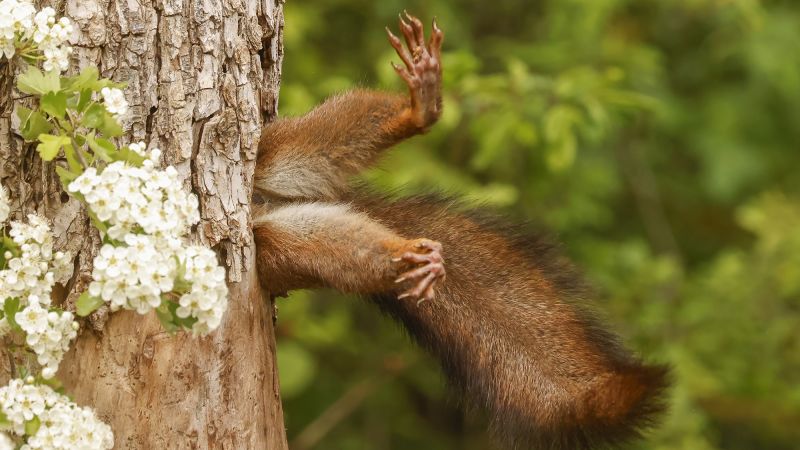
An image of a squirrel stuck in a tree, captured by Milko Marchetti, has won the overall prize at the Nikon Comedy Wildlife Photography Awards, chosen from over 9,000 entries. The competition, in its 10th year, also recognized a frog in a bubble and a bream chasing a bald eagle among its category winners. Other notable winners include Kingston Tam for the Nikon Young Photographer Award and 10-year-old Flynn Thaitanunde-Lobb for the Portfolio category. The awards celebrate the humorous and unpredictable moments in nature.
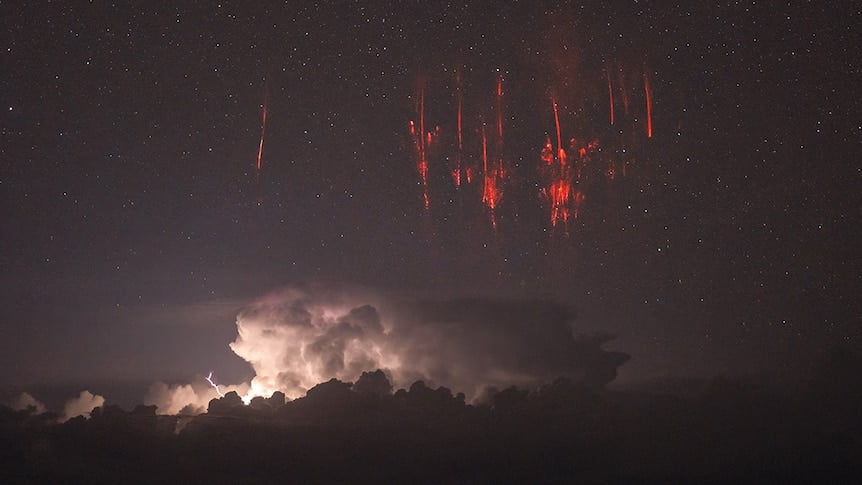
Nature photographer JJ Rao captured rare red sprites, large electrical discharges that form high above active thunderstorms, in the skies over Western Australia's Kimberley region. The sprites, almost impossible to see with the naked eye, appeared as feathery tendrils of reds and purples and were described as some of the most intricate natural phenomena in the world. Astrophysicist Brad Tucker highlighted the rarity of capturing red sprites on camera and emphasized the importance of studying and mapping them for future research.
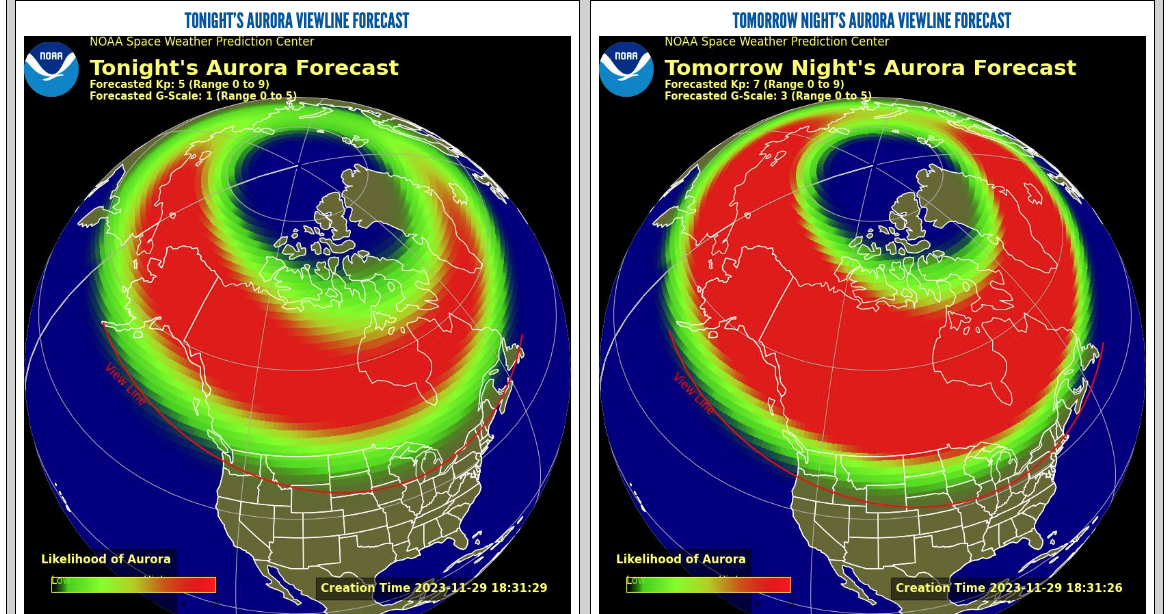
A talented Colorado photographer, Thomas Knepshield, captured a stunning photo of the Northern Lights, also known as the Aurora Borealis, over the Colorado mountains. Knepshield braved freezing temperatures and waited for hours to capture the perfect shot, which showcased vibrant red colors filling the sky. The NOAA Space Weather Prediction Center predicts an increase in solar activity, offering more opportunities to witness the Northern Lights in various locations. Check the organization's 'Aurora Dashboard' for daily updates on where the lights can be seen.
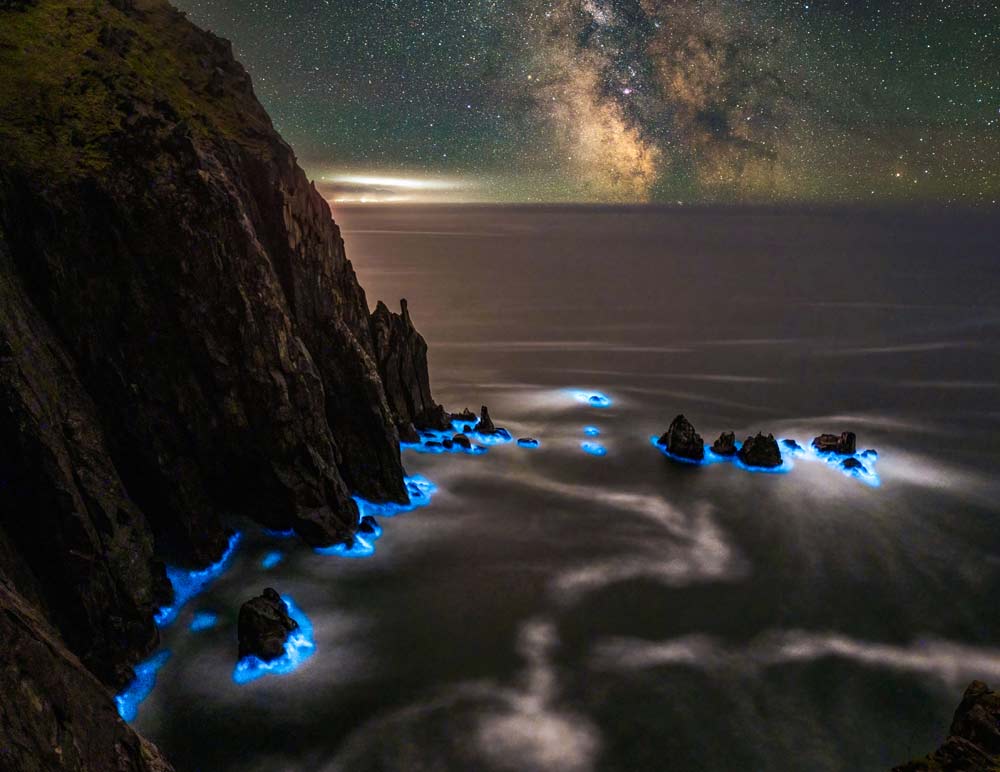
A Washington coast photographer captured stunning images of the Perseid meteor showers above Kalaloch Beach in Olympic National Park, with glowing waves caused by bioluminescent phytoplankton. The photographer, Matt Nichols, has also captured bioluminescent waves on the Oregon coast and is releasing a calendar featuring these awe-inspiring moments. While the peak of the Perseid meteor showers may have passed, warm conditions on both coasts make it possible to still witness the dual luminosity of meteors and bioluminescence.