An endangered fin whale carcass washed up near Anchorage, Alaska, drawing crowds and prompting biologists to investigate its cause of death. The 47-foot female whale, likely 1 to 3 years old, was found near a coastal trail, and experts from NOAA and Alaska Veterinary Pathology Services are collecting samples to determine the cause, though decomposition may complicate findings. Fin whales face threats from ship strikes, fishing gear entanglements, and climate change. The whale's presence near Anchorage is unusual, possibly due to recent high tides.
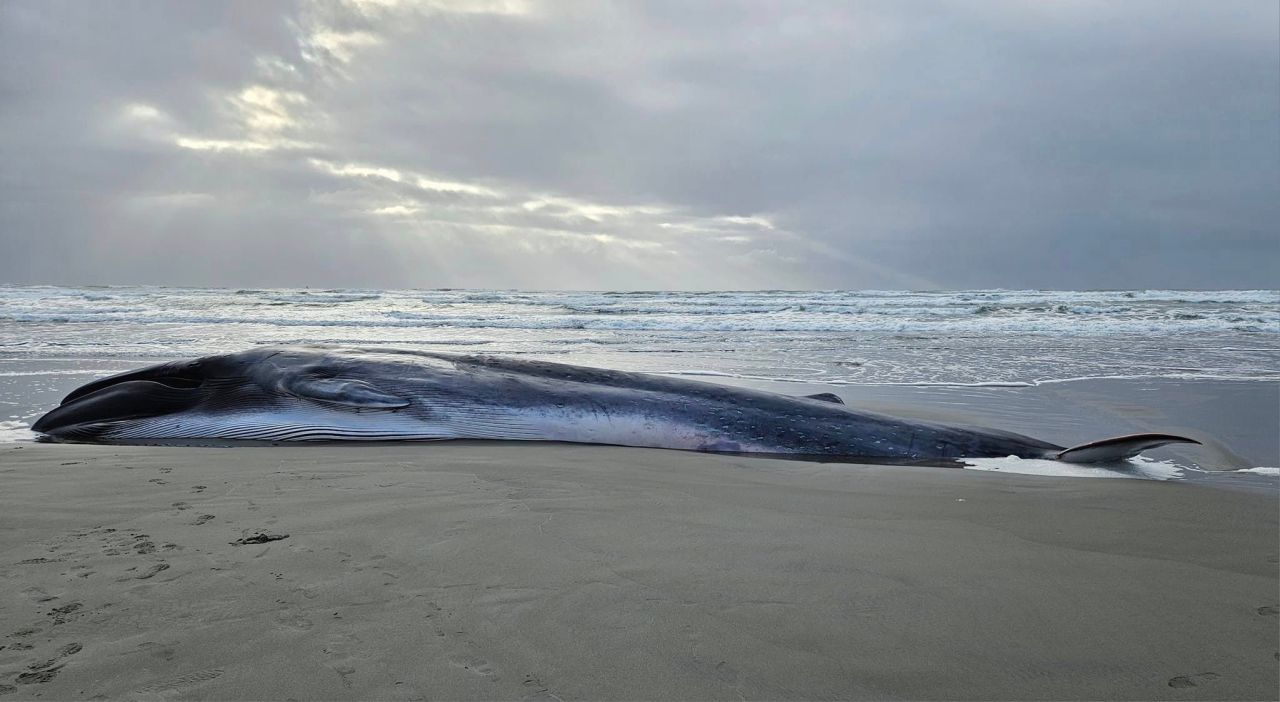
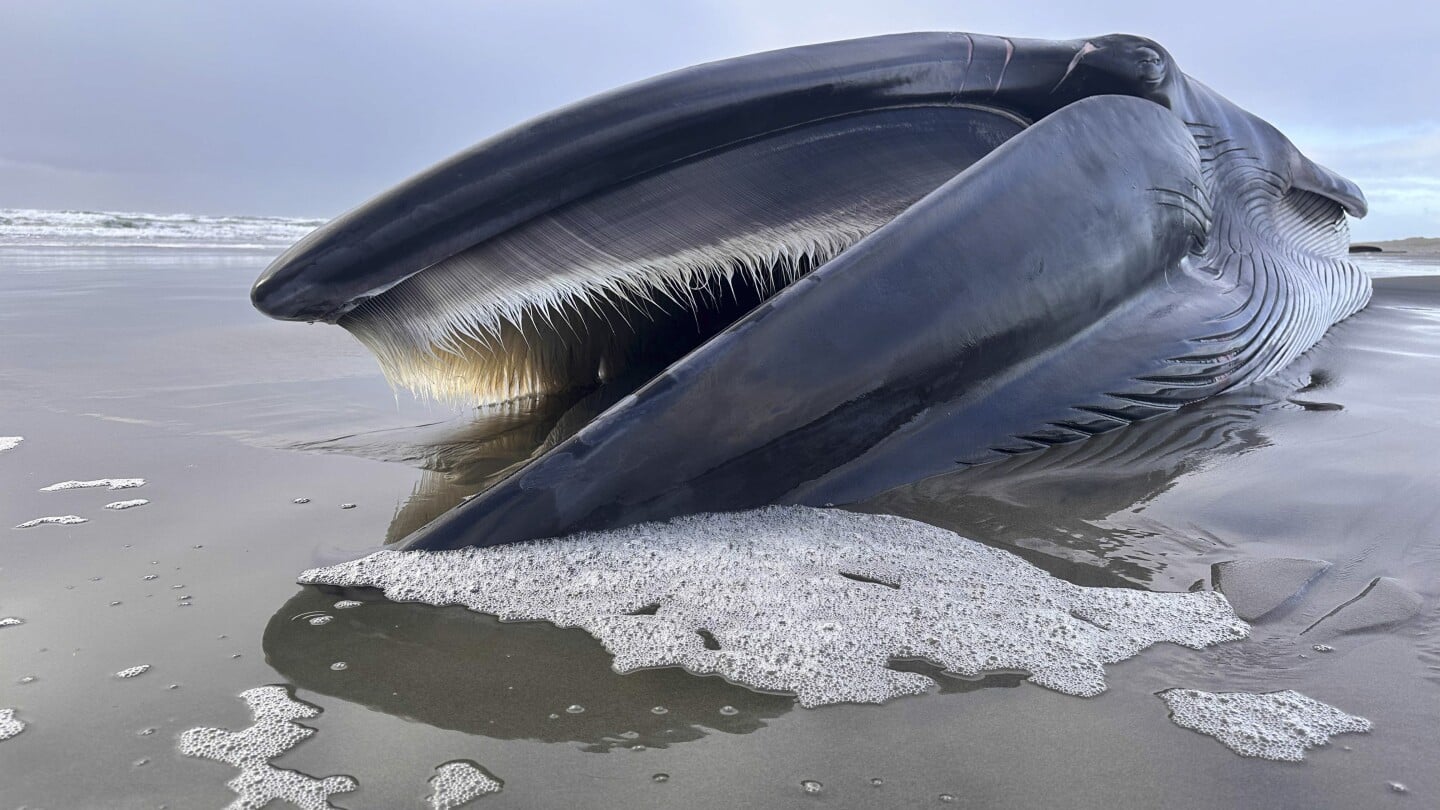
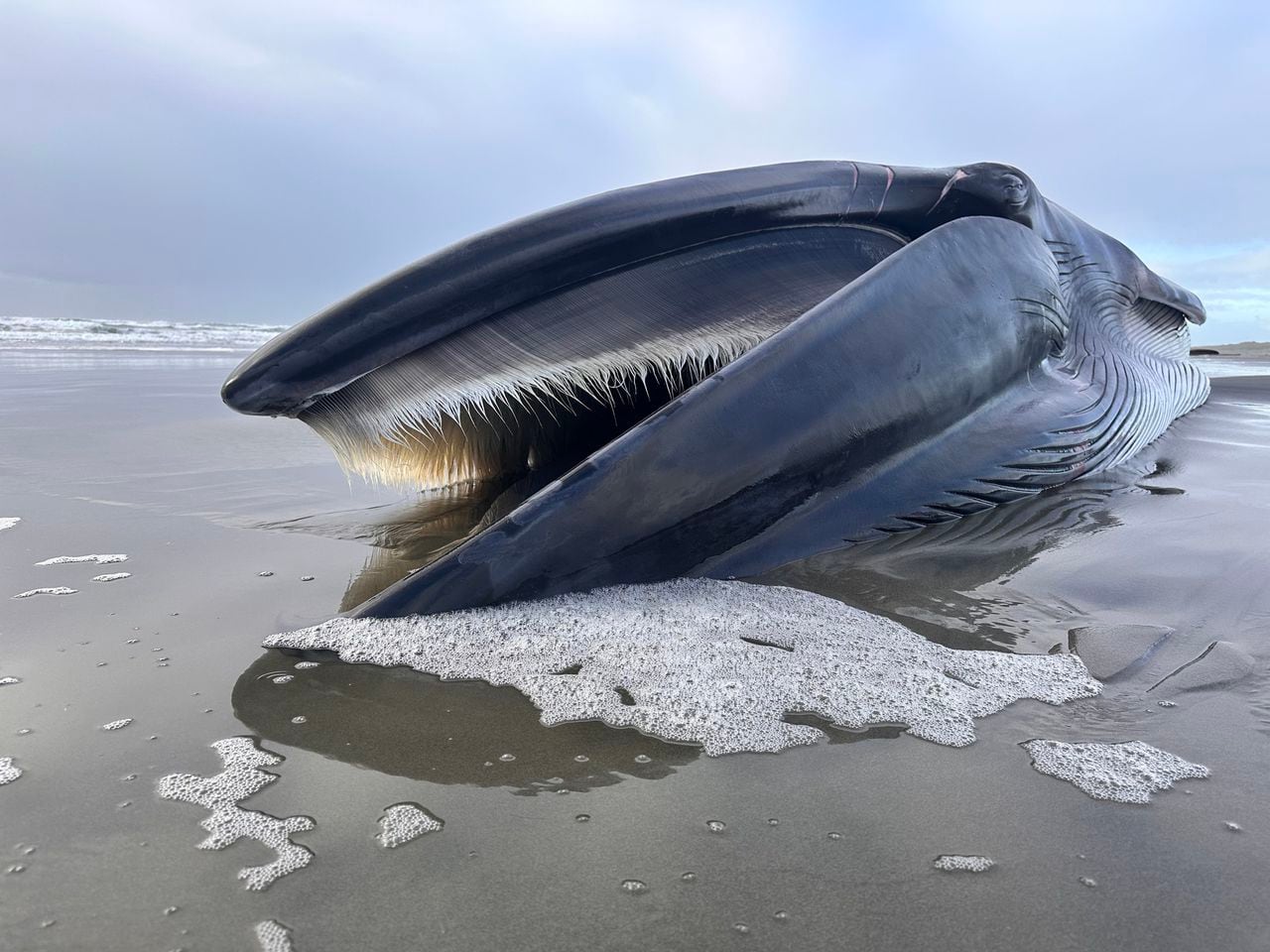
The carcass of a stranded Fin whale that washed up on Sunset Beach State Park on Feb. 12 has been carried 3 miles north by changing tides, prompting the Seaside Aquarium to advise the public to keep a safe distance while also reminding them that marine mammals can carry diseases and that the whale is an endangered species.
A 46-foot fin whale washed ashore on an Oregon beach, providing a rare educational opportunity as it decomposes, though caution is advised due to potential disease transmission. The whale, entangled in rope before someone removed it, was not killed by the entanglement. A necropsy will determine the cause of death, and the natural decomposition process will provide nutrients to the local environment. This approach contrasts with a 1970 incident where officials used dynamite to dispose of a beached whale, causing widespread damage.
A rare fin whale washed ashore at Sunset Beach State Park in Oregon, prompting researchers to determine the cause of death, marking the first such stranding in at least 10 years. The National Oceanic and Atmospheric Administration reported a declining population of fin whales, with only 7,970 estimated near the West Coast in 2018. Beachgoers are advised to stay 100 yards away from stranded whales for safety and research purposes.
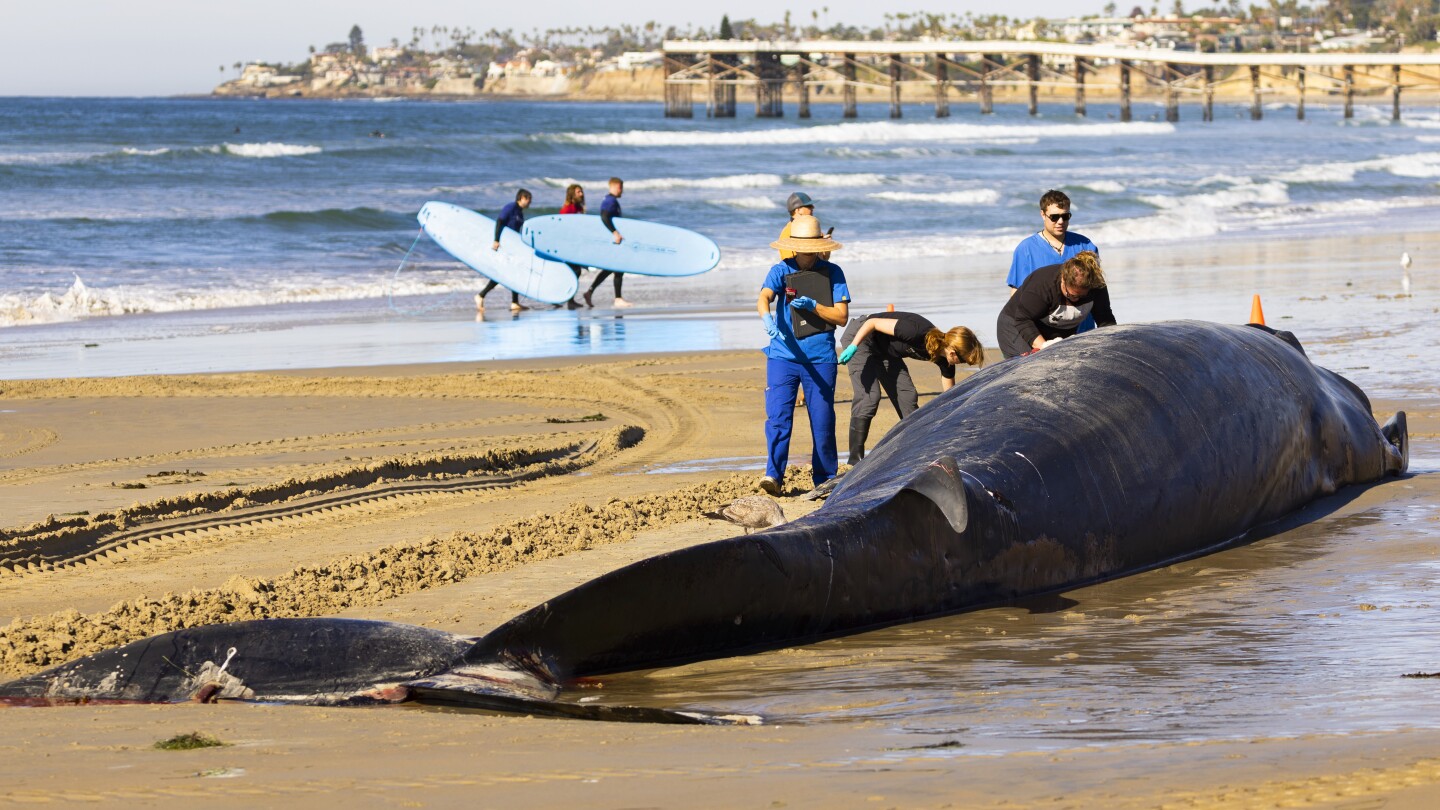
A 52-foot-long dead fin whale washed up on Mission Beach in San Diego, with no obvious signs of the cause of death. The young female whale was towed out to sea after being inspected and sampled by researchers from NOAA Southwest Fisheries Science Center. Fin whales are the second largest whales in the world and are endangered, with an estimated population of around 8,000 off the West Coast. The tissue samples will be analyzed to determine the cause of death. Stranding of fin whales along the West Coast is uncommon, as they tend to stay in deeper waters compared to gray whales.
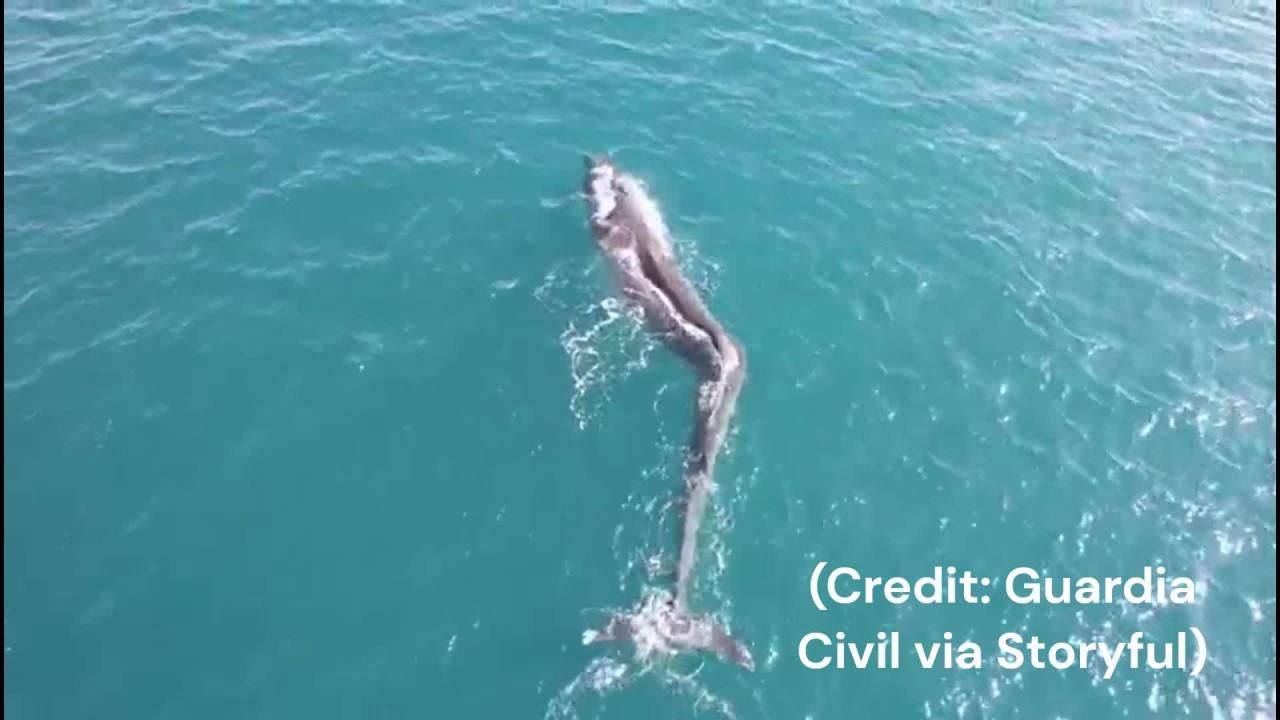
A 17-meter-long fin whale with a deformed spine was spotted off the coast of Cullera, Spain on March 6. Biologists and veterinarians confirmed that the 40-ton male whale was not entangled but had a serious deviation in its spine. The cause of the whale's scoliosis is unknown, and it could reappear near the coast due to its condition. Drone footage released by Guardia Civil shows the whale swimming.