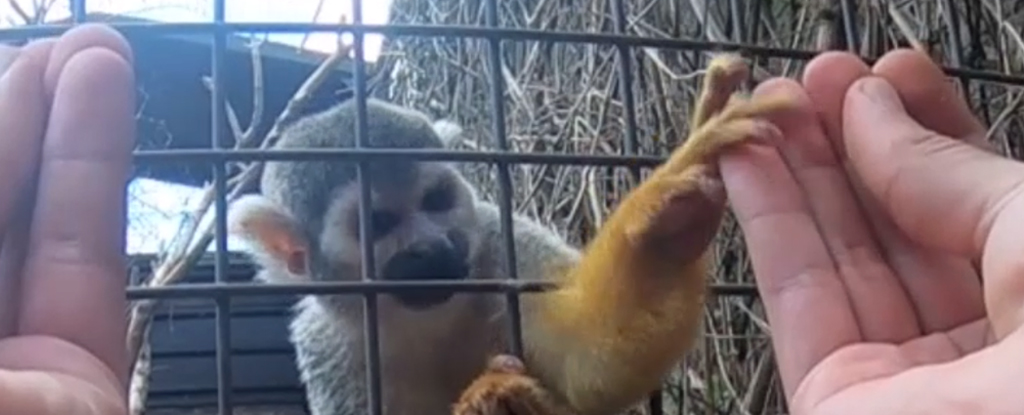
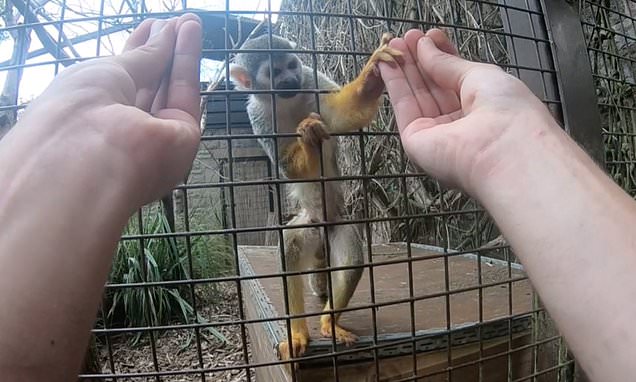
Monkeys with opposable thumbs are more easily fooled by a famous magic trick called the French drop, according to new research from the University of Cambridge. The study tested 24 monkeys from three species and found that marmosets were only fooled 6% of the time, while capuchins were fooled 81% of the time and squirrel monkeys were fooled 93% of the time. The research suggests that an individual's physical capability heavily influences their perception, memory, and ability to predict manual movements of those around them.
A new study by psychologists from the University of Cambridge has found that deceptive magic tricks only fool monkeys who have opposable thumbs, as a magician needs to have similar anatomy to their audience. The researchers performed a famous magic trick called the French drop on 24 monkeys including capuchins and marmosets, which both have opposable thumbs but with differing dexterity, and marmosets, who don't have opposable thumbs. Analysis revealed monkeys with opposable thumbs were fooled more than 80 per cent of the time by assuming the hidden thumb had grabbed the treat and choosing the wrong hand, while monkeys without opposable thumbs were fooled just 6 per cent of the time.
Researchers performed a classic magic trick called the French drop on three species of monkeys to test their cognition. The trick required an opposable thumb, and the study found that the primates with opposable thumbs were more likely to be fooled by the trick. The monkeys without opposable thumbs were not deceived. The study suggests that the structure of the hands of animals may affect their perception and cognition.