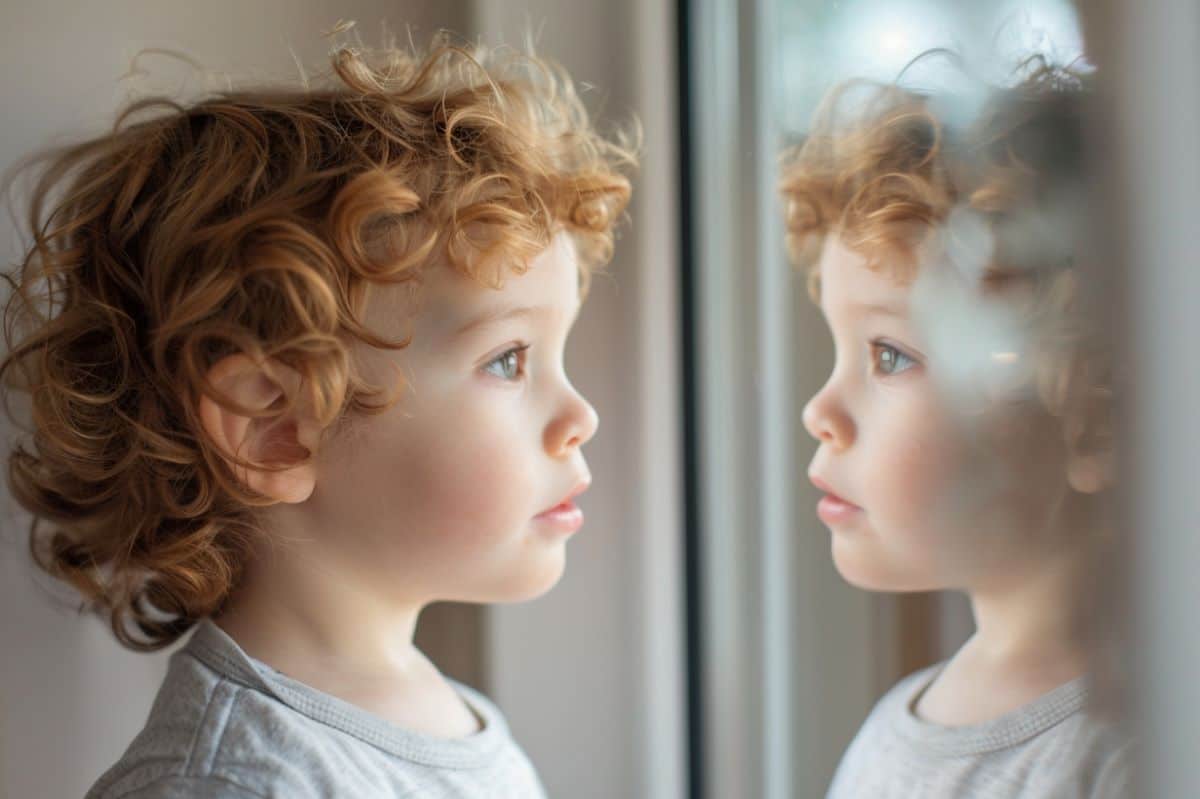
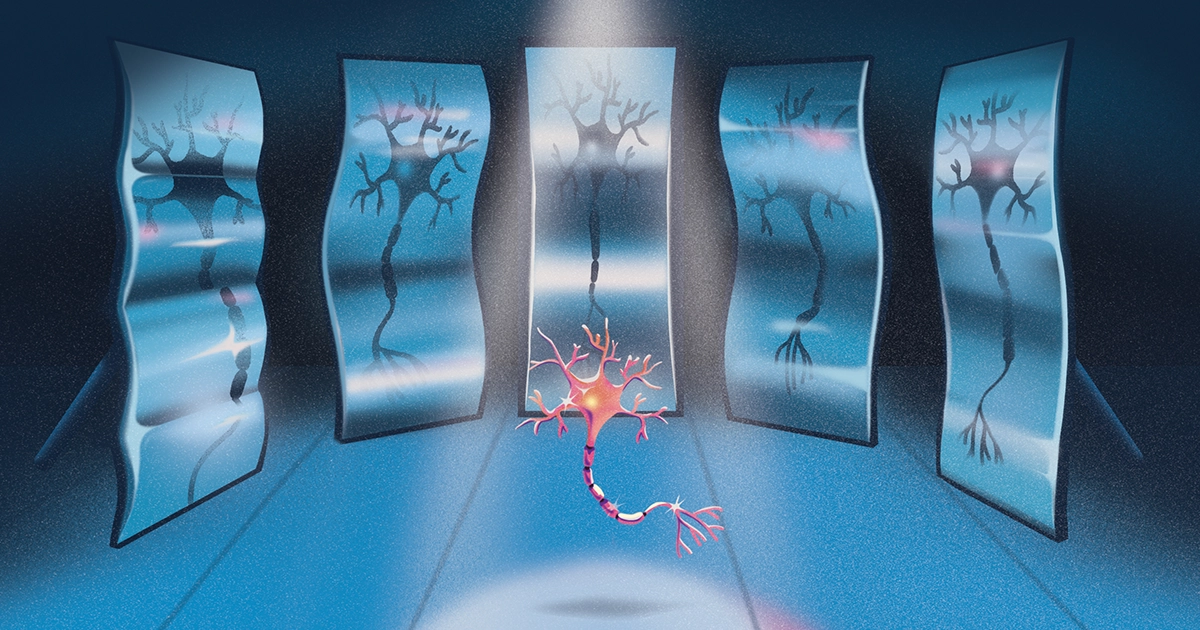
A study reveals that by age three, children can understand others' intentions using active mirror neurons, with the mylohyoid muscle activating during goal-directed actions. This early development of the "resonance" system is crucial for social cognition and could aid in early diagnosis of conditions like autism spectrum disorder.
The discovery of mirror neurons in the 1990s sparked widespread excitement and speculation about their role in human behavior, but subsequent scientific doubts and overexposure led to a decline in research on these cells. While the original findings still stand, researchers have redefined and reexamined mirror neurons, finding similar properties in other brain areas. The term "mirror neuron" has become murky, and scientists are now focusing on cataloging the functional mirror properties of cells throughout the brain to better understand their role in social behavior.
Misokinesia is a psychological phenomenon characterized by an aversive reaction to seeing small, repetitive movements by others, such as fidgeting. Approximately one-third of people experience some degree of sensitivity to this phenomenon, which can lead to intense reactions like anger and anxiety. Misokinesia can have a negative impact on social and emotional life, with some individuals opting out of certain activities. It is believed to involve mirror neurons, and certain emotions and moods may amplify the discomfort. Coping strategies such as blocking the field of vision or practicing mindfulness techniques can provide relief, while cognitive behavioral therapy (CBT) can help change negative thought patterns and alleviate emotional distress. Seeking help from a mental health professional may be beneficial for those whose misokinesia interferes with daily life.
Monkeys with opposable thumbs are more easily fooled by a famous magic trick called the French drop, according to new research from the University of Cambridge. The study tested 24 monkeys from three species and found that marmosets were only fooled 6% of the time, while capuchins were fooled 81% of the time and squirrel monkeys were fooled 93% of the time. The research suggests that an individual's physical capability heavily influences their perception, memory, and ability to predict manual movements of those around them.