NASA and the Office of Personnel Management unveiled NASA Force, a dedicated talent track within the US Tech Force initiative to recruit and place top engineers and technologists into mission-critical roles at NASA, supporting exploration, research, and aerospace technology; the program aims to bolster U.S. leadership in space, with applications opening soon and updates to be shared via X (USTechForce).
A Ninth Circuit panel vacated a lower-court injunction blocking the Trump administration from ending collective bargaining rights for federal employees at more than 20 agencies, allowing agencies to proceed under updated OPM guidance. The ruling is narrow and does not resolve whether the orders were lawful, and AFGE says it may seek en banc review while pursuing the merits in district court. The administration has expanded exemptions from collective bargaining via executive orders, and litigation over their legality continues.
The Office of Personnel Management finalized a rule reclassifying certain senior career federal employees so they can be fired with less due process, treating them more like political appointees while preserving merit-based hiring and whistleblower protections; unions criticized the move as weakening civil-service protections and risking increased political patronage.
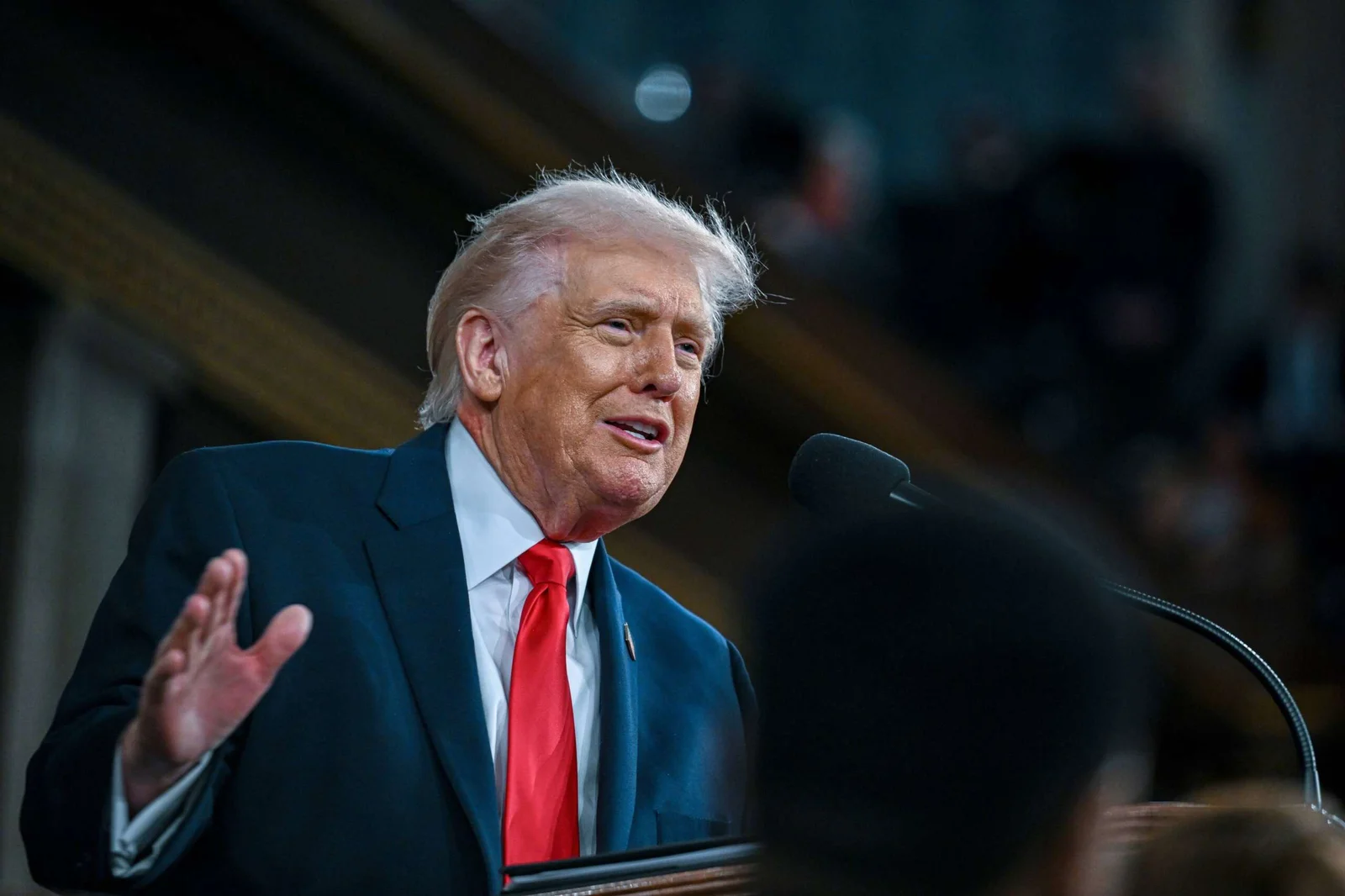
President Trump touts sweeping 2025 federal workforce reductions as merit-based reform, claiming “tremendous” cuts while watchdogs warn the shrinkage damaged government capacity and morale. The Partnership for Public Service notes about 320,000 federal employees left and a net loss around 220,000, with concerns that fewer staff and altered programs hampered disaster response, service delivery, and overall government readiness into 2026.
The Office of Personnel Management proposes to overhaul the Senior Executive Service candidate development programs by standardizing content, shortening timelines to 9-12 months, increasing training hours, and adding mentorship and developmental assignments to better prepare federal employees for senior leadership roles, aiming to create a more consistent and effective leadership pipeline across government agencies.
The Office of Personnel Management is launching the 'U.S. Tech Force' initiative to hire 1,000 early-career federal employees with tech skills like AI and data science, through a pooled hiring process involving multiple agencies, aiming to modernize government and attract young talent.
Federal employees and postal service workers will face significant health insurance premium hikes in 2026, with increases of 12.3% and 11.3% respectively, amid staffing shortages and ongoing government shutdown concerns, prompting calls for cost-control measures and policy reforms.
The U.S. government shutdown has led to imminent federal employee layoffs, with agencies like the USPTO issuing notices and plans for RIFs, despite legal and procedural challenges, as the White House and OMB push for cost-saving measures amid ongoing funding lapses.
The US Office of Personnel Management announced that federal agencies may fire workers during a government shutdown if Congress fails to fund the government, escalating tensions between the Trump administration and Democrats, with potential lasting impacts on federal employment practices.
The Office of Personnel Management (OPM) has extended the Open Season for the new Postal Service Health Benefits (PSHB) program until December 13, 2025, to give enrollees more time to review and change their health plans. This extension comes after some Postal enrollees faced difficulties with the new PSHB enrollment platform, including login issues and incorrect plan information. The American Postal Workers Union advocated for this extension due to these challenges. OPM has also made improvements to customer service and provided alternative identity verification methods to assist enrollees.
The Office of Personnel Management (OPM) is defending a new rule to prevent the return of Schedule F, a Trump-era policy that made it easier to fire career federal employees in policymaking positions. Acting OPM Director Rob Shriver argued that Schedule F would undermine civil service protections and deter qualified individuals from joining the federal workforce. Democrats are pushing to codify the rule into law, while Republicans argue that Schedule F would prevent federal employees from undermining administration policies. Additionally, OPM is supporting telework amid a push for federal employees to return to the office, noting that federal workers are returning faster than the private sector.
The Office of Personnel Management (OPM) has released the results of the 2023 Federal Employee Viewpoint Survey (FEVS), which showed high job satisfaction among federal employees but low participation in the survey. Over 600,000 workers from 80 executive agencies participated in the survey, making it the largest survey of government workers. OPM highlighted the increase in employee engagement and satisfaction with respective organizations, as well as the importance of workplace flexibilities and diversity, equity, inclusion, and accessibility. Participation in the survey increased to 39 percent from 35 percent in 2022.
The Office of Personnel Management (OPM) has issued a proposed rule to clarify and reinforce protections for career federal employees against the potential return of Schedule F, a policy that would have made it easier to fire certain workers. The rule aims to ensure that civil service protections cannot be removed without the employee's voluntary consent and establishes a process for agencies to review requests to move positions from the competitive service to the excepted service. However, experts express concerns that a proposed rule can be easily undone, and Democratic lawmakers are also pushing for legislation to prevent future administrations from enacting Schedule F-type policies. The proposed rule will be open for public comments for the next 60 days.
The Office of Personnel Management (OPM) emphasizes the importance of hybrid work in creating an inclusive, agile, and engaged federal workforce. Hybrid work increases employee engagement, allows for agility in workspace utilization, and broadens applicant pools, making the federal government more accessible to diverse talent. OPM provides resources and support to help federal employees navigate the challenges of hybrid work, including free training sessions and a Future of the Workforce website. As agencies prepare for more employees to return to federal offices, effective communication and thoughtful planning are crucial to ensure the success of hybrid work arrangements. OPM is also working on additional guidance and policies for other work flexibilities, such as "maxiflex." Strategic workforce planning and foresight are essential to adapt and stay forward-thinking in the evolving work landscape.
The Office of Personnel Management (OPM) has issued a memo outlining more than 50 competencies that federal agencies should consider when hiring staff for AI-related positions. This is the first step in defining the skills and competencies needed for federal employees to work with artificial intelligence. The memo includes both general and technical competencies, such as information management, data analysis, and emotional intelligence. OPM is also developing an AI competency model and interpretive classification policy guidance to support federal agency talent acquisition efforts. The OPM's actions are in response to the 2020 AI in Government Act, which requires the identification of core skills and competencies for AI-related federal positions.