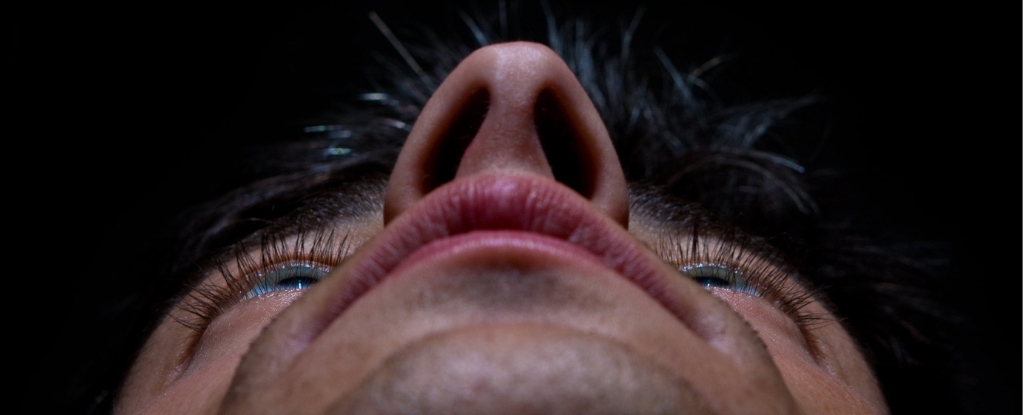
Sharks have specialized nostrils called nares that are separate from their respiratory system, allowing them to detect odors in water, which is crucial for hunting and survival, without needing lungs for smelling.
A small trial suggests that "scent therapy" using familiar scents such as coffee, oranges, and Vicks VapoRub could help people with depression unlock difficult-to-access autobiographical memories. The study found that participants recalled more specific memories when cued by smell compared to words, and the researchers plan to conduct future trials with brain scans to see how the amygdala responds to the treatment. Harnessing smell might be a good strategy for rewiring emotional centers in depression and improving memory, problem solving, and emotion regulation.
A study suggests that familiar scents could help people with depression recall specific memories, potentially aiding in emotional regulation and problem-solving. The research found that participants with depression were better able to recall specific memories when exposed to familiar scents compared to hearing words corresponding to those smells. There is a well-established link between losing one's sense of smell and depression, with reduced smell ability associated with poor quality of life and increased risk of depressive symptoms. Smell therapy is being studied as a means to treat depression, with the potential to help individuals tap into positive emotions by associating specific scents with positive memories.
A new study reveals that our two nostrils work independently and have their own separate sense of smell. Researchers found that the brain can process each nostril's input individually while also synthesizing them into a complete whole. The study, conducted on epilepsy patients with implanted brain electrodes, showed that smelling through two nostrils created two distinct bursts of activity, suggesting that the nostrils are not always in unison. The findings have implications for understanding how the brain processes sensory information and may extend beyond the sense of smell.
A study conducted on mice with Alzheimer's disease has found that inhaling menthol can improve their cognitive abilities by reducing the interleukin-1-beta (IL-1β) protein, which regulates the body's inflammatory response. The research suggests that certain smells, like menthol, could be used as therapies for Alzheimer's and other central nervous system diseases. The study also revealed a potential link between the immune system, the central nervous system, and smell, highlighting the importance of further research in humans.
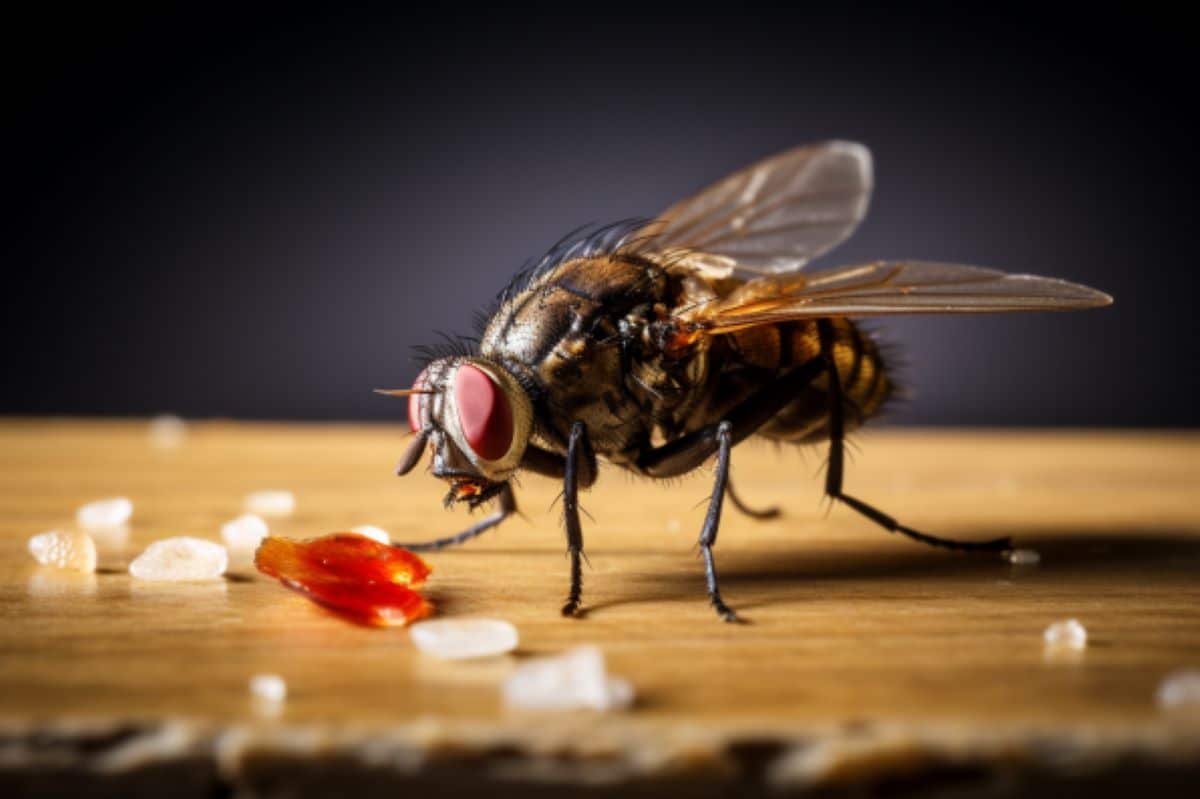
Researchers have discovered how fruit flies use memories of past rewards to guide their search for food. The study identifies a cluster of neurons called UpWiNs that integrate inhibitory and excitatory inputs from different compartments of the fly's brain, causing it to turn and move upwind towards attractive odors. This research provides insights into how memories influence behavior through intricate neural circuits, shedding light on the transformation of learned valences into concrete memory-driven actions.
Researchers studied locusts to understand why certain smells are appealing while others are not. They found that locusts innately preferred scents resembling grass and banana, while rejecting almond and citrus-like smells. The study provides insights into how an organism's preferences can constrain its learning ability, particularly in relation to the timing of rewards. The researchers also discovered that the timing of reward delivery during training was crucial for the locusts' association of scents with rewards. This research sheds light on how sensory signals are processed in the brain and how preferences are encoded.
Menthol inhalation can improve cognitive abilities in animal models of Alzheimer’s disease by modulating the immune system and reducing the level of interleukin-1-beta (IL-1b), a protein crucial to the inflammatory response. The study suggests the potential for odors and immune modulators as therapeutic agents in treating Alzheimer’s disease and other conditions of the central nervous system, opening a new avenue for developing therapies based on stimulating and training the olfactory system.
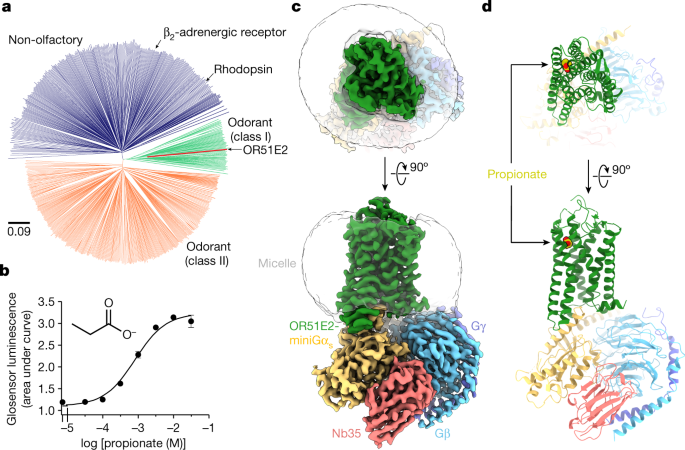
A recent study has revealed the structural basis of odorant recognition by a human odorant receptor, shedding light on the molecular mechanisms underlying the olfactory system. The study used cryo-electron microscopy to determine the structure of the receptor in complex with an odorant molecule, providing insights into how the receptor recognizes and binds to specific odorants. The findings may have implications for the development of new therapies targeting the olfactory system.