Tag

Dna Technology

All articles tagged with #dna technology

crime1 year ago

Family and Detectives Seek Breakthrough in Cold Case of Missing Daughter

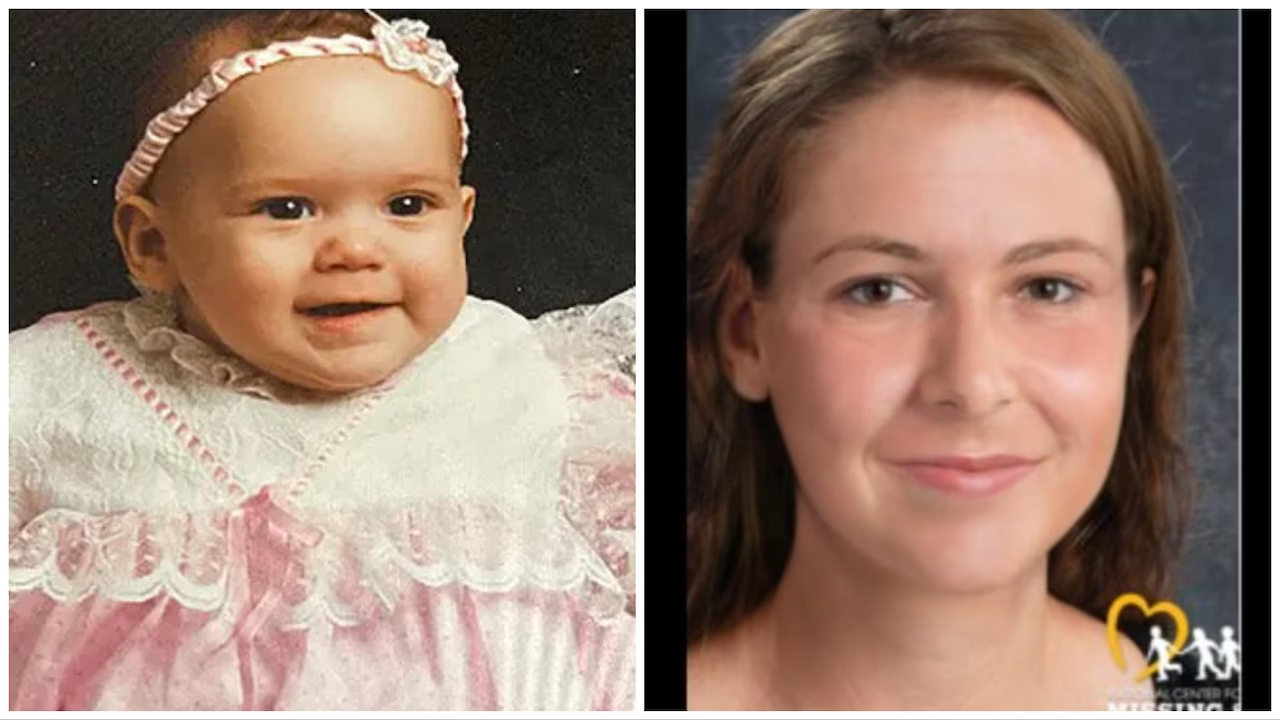
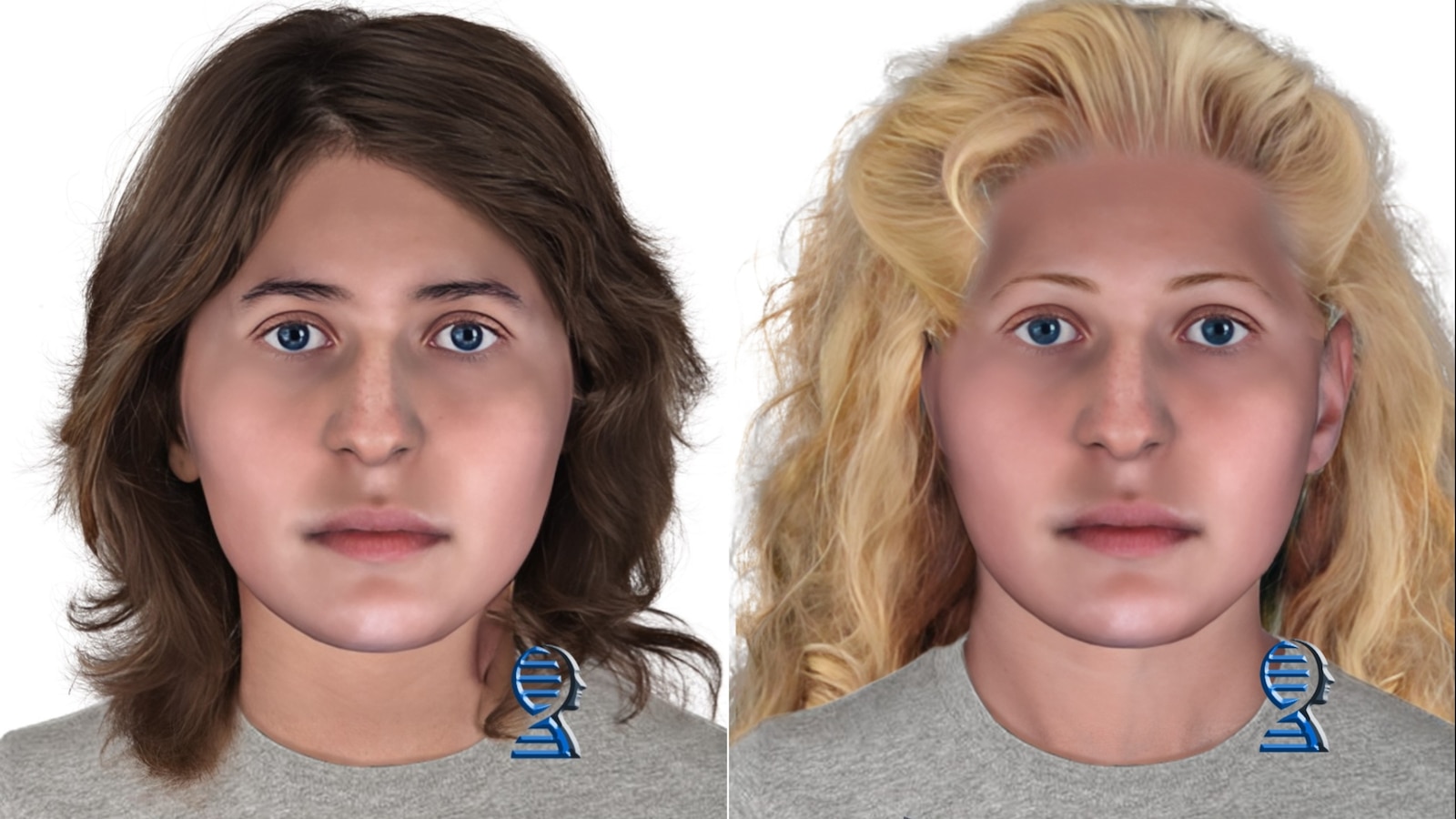
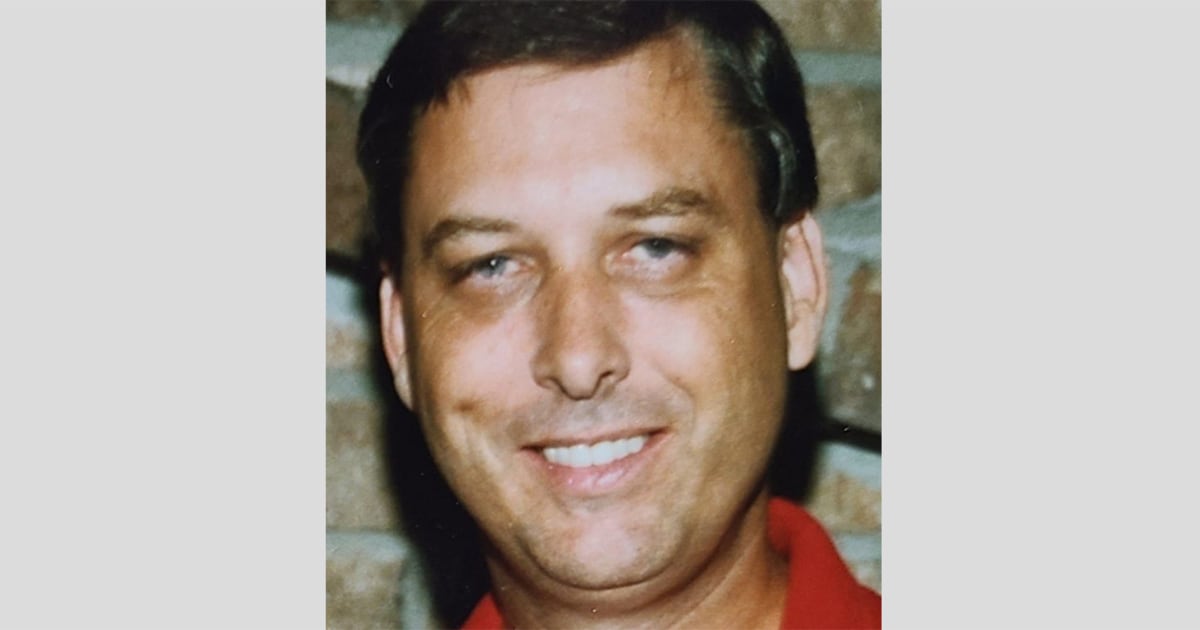
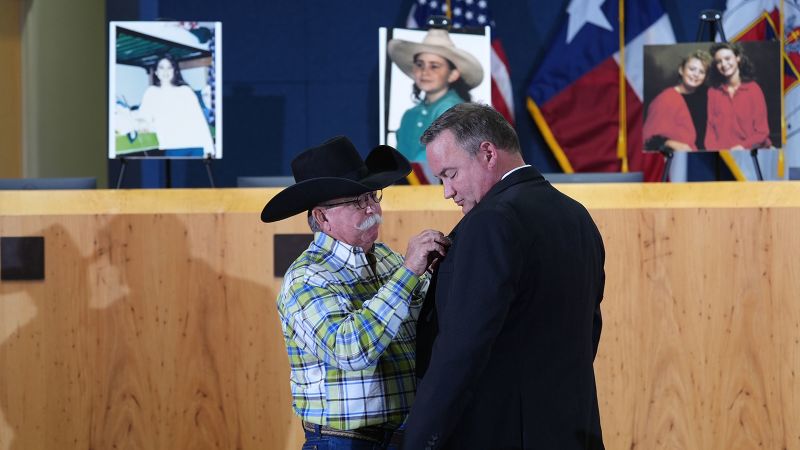
The ongoing investigation into the 1991 murder of Christine Belusko and the disappearance of her daughter, Christa Nicole, continues to puzzle detectives and family members. Despite advancements in DNA technology revealing Christine's identity in 2021, the whereabouts of Christa, who would now be 35, remain unknown. Investigators have faced numerous dead ends in their search, including checking Social Security records and adoption files. The case has garnered national attention, with hopes that Christa might one day come forward or be identified through DNA databases.

militaryscience1 year ago

"Military Labs Uncover Identities of WWII Soldiers Decades Later"

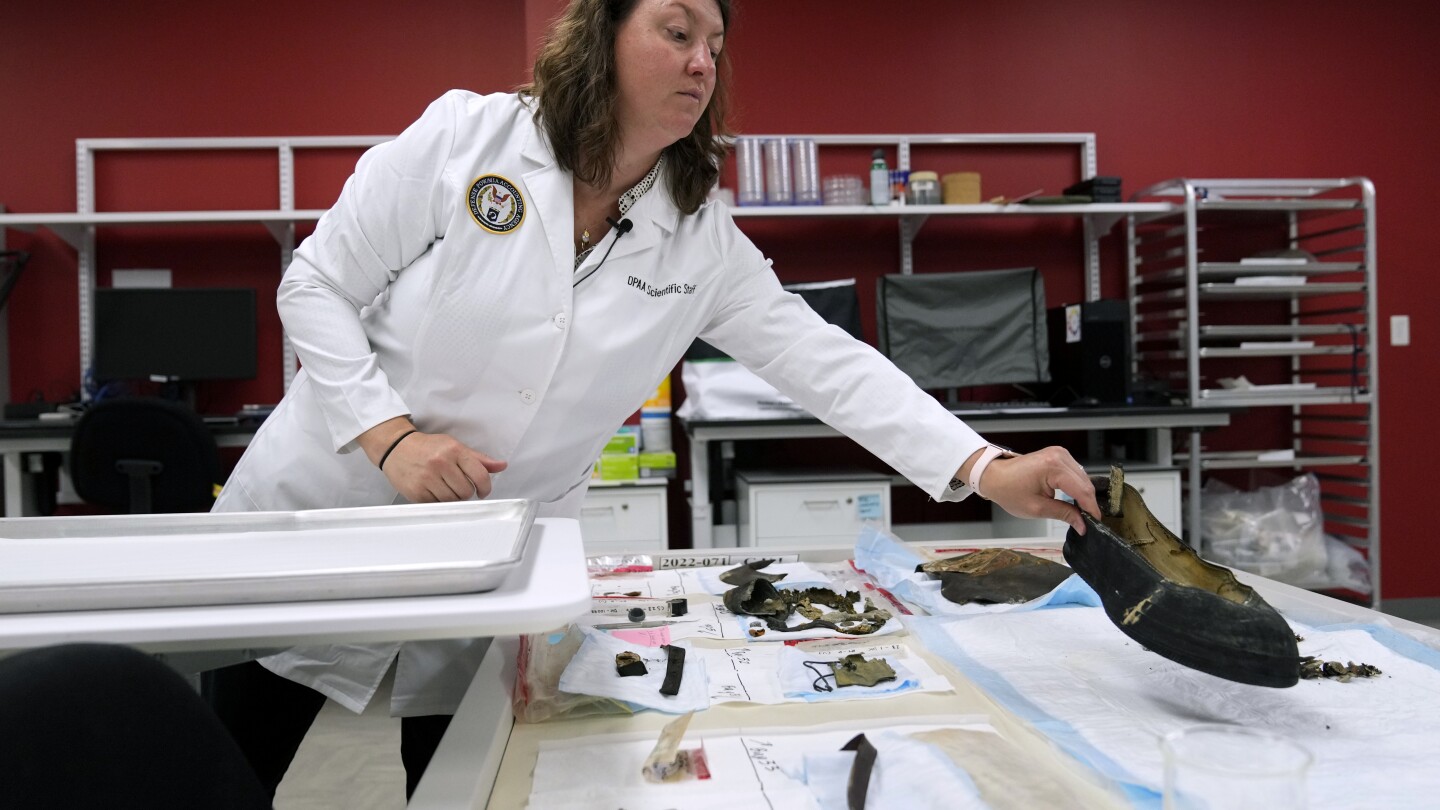
Federal labs at Offutt Air Force Base and in Hawaii are using advanced DNA technology and forensic techniques to identify and return the remains of soldiers who died in World War II and other conflicts. These efforts aim to provide closure to families and honor the sacrifices of the fallen, with a goal of identifying 200 service members annually.

crime1 year ago

"DNA Breakthrough Leads to Conviction in 1980 College Student Murder Case"

An Oregon man, Robert Plympton, has been found guilty of the 1980 murder of college student Barbara Mae Tucker after DNA genetic genealogy and a discarded piece of chewing gum linked him to the case. Despite the lack of evidence showing a prior connection between Plympton and Tucker, DNA analysis from the gum matched the DNA profile developed from Tucker's autopsy swabs. Plympton, who pleaded not guilty, was convicted of first-degree murder and second-degree murder charges. He awaits sentencing in June.

crime-and-justice1 year ago

"54-Year-Old Cold Case Solved: Oregon Teen's Remains Identified Through Genetic Genealogy"

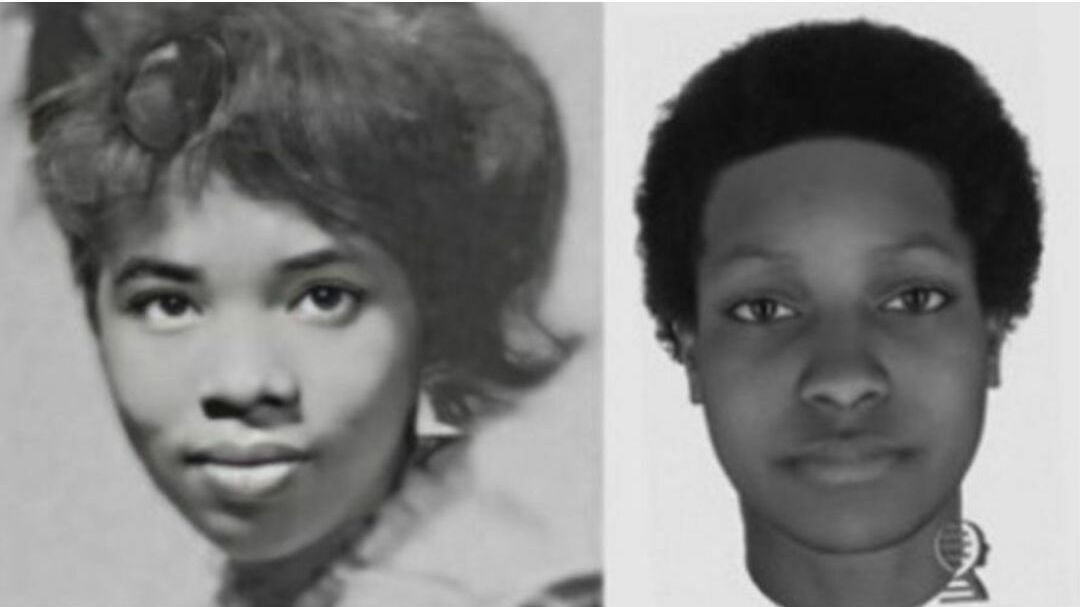
After 54 years, the cold case of a missing teenager, Sandra Young, has been solved using advanced DNA technology. A distant relative uploaded their DNA to a genealogy database, leading to the identification of Young's remains found in Oregon in the late 1960s. The case's breakthrough came through genetic genealogy, and now authorities are urging further investigation into Young's death. This development sheds light on the disproportionate impact of missing persons cases on communities of color.

crime-and-justice1 year ago

"Missing Oregon High School Student's Remains Identified 50 Years Later"

The remains of a teenager found over 50 years ago have been identified as Sandra Young, a high school student who disappeared in 1968 or 1969. Advanced DNA technology and genetic genealogy helped confirm her identity, bringing closure to her family. The circumstances of her death, believed to involve foul play, remain unknown. The case highlights the innovative ways in which forensic investigation and DNA technology can aid in solving cold cases, but also underscores the high cost associated with such efforts.

crime-cold-case-dna-technology1 year ago

"Decades-Old Colorado Cold Cases Solved Using DNA Technology"

After nearly 50 years, the cold case of Teree Becker's murder has been solved using DNA technology, identifying her killer as Thomas Martin Elliot, a career criminal who died by suicide in 1991. DNA evidence linked him to Becker's rape and murder, as well as another case in Las Vegas. Genetic genealogy was used to trace Elliot's genetic DNA, leading to his identification. Becker, described as a "free spirit," was last seen hitchhiking to see her boyfriend in 1975 before being found raped and asphyxiated in a field outside of Denver.

human-interest1 year ago

"83-Year-Old Warsaw Ghetto Orphan Reunited with Family After Lifetime Search"

Shalom Koray, a two-year-old boy found in the Warsaw ghetto during the Jewish uprising, spent his early life in orphanages without knowledge of his family. At 83, he discovered his relatives thanks to DNA technology, a Polish academic's research, and an American woman's curiosity about her ancestry. He will meet his cousin for the first time this summer, marking a small victory over the hate that destroyed so many lives during the Holocaust.

crime2 years ago

"Final Victim of Green River Killer Identified 40 Years Later Through DNA Evidence"

The remains of 16-year-old Tammie Liles, a victim of the Green River killer in Washington state, have been identified, bringing closure to her case and marking the identification of all 49 of Gary Ridgway's victims. Ridgway, known as the Green River killer, preyed on vulnerable girls and young women in the 1980s and 1990s. Advances in DNA technology and forensic investigation led to the identification of Liles' remains, providing answers to her family and law enforcement after decades of uncertainty.

crime2 years ago

"Authorities Seek Help Identifying Final Victim of 'Happy Face Killer'"

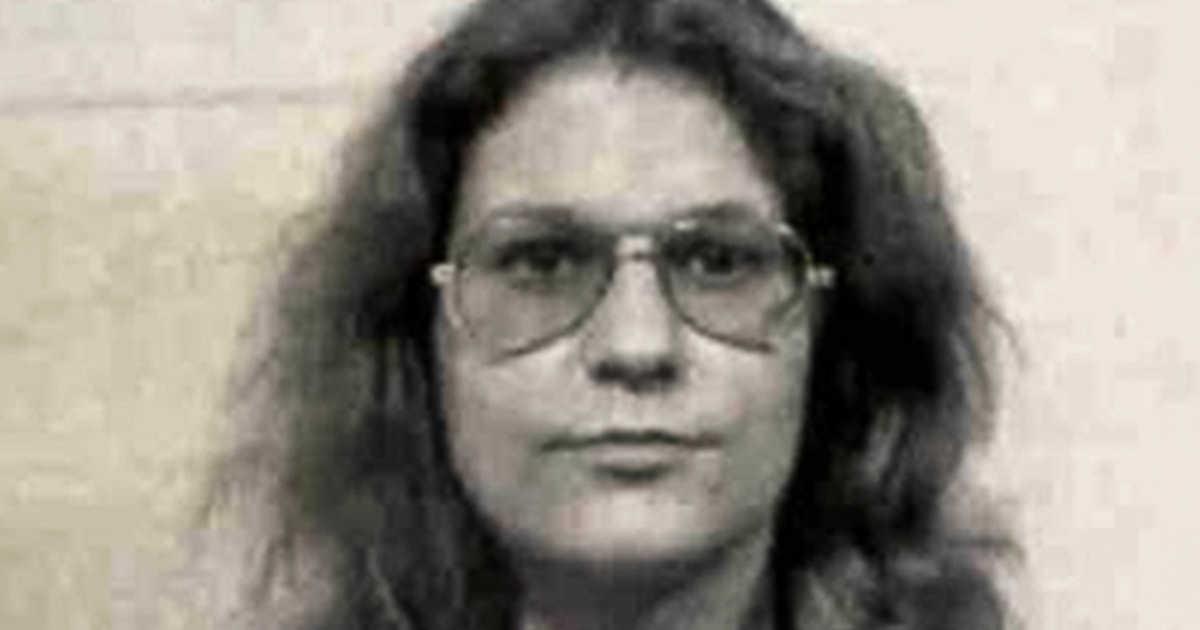
Riverside County officials are seeking help to identify the last unidentified victim of the "Happy Face Killer," who was murdered in 1992. Known as "Claudia" by the killer, she was described as having shaggy, wild blonde hair and was about 20 to 30 years old at the time. Recent advances in DNA technology and tips from the public are hoped to help discover her name. The killer, Keith Jesperson, claimed to have killed women in five states and was given the nickname "Happy Face Killer" due to the smiley faces he drew on a letter he sent to a newspaper bragging about his crimes.

crime2 years ago

Authorities Seek Help Identifying Victim of 'Happy Face Killer' with Las Vegas Ties

The Riverside County District Attorney's office is seeking the public's help in identifying a woman murdered by the "Happy Face Killer" 31 years ago. Keith Hunter Jesperson, the killer, was convicted of the unidentified woman's murder 14 years ago, and investigators are now closer than ever to identifying her thanks to advances in DNA technology. The victim, known as "Claudia," was described as a white woman with brown or dyed blonde hair, a tattoo of two small dots on her right thumb, and was last seen hitchhiking along Interstate 15 in 1992. Anyone with information on her identity is urged to contact the Cold Case Hotline.

crime2 years ago

Decades-Old Mystery Solved: Remains Found in Kentucky Lake Identified as FBI Fugitive

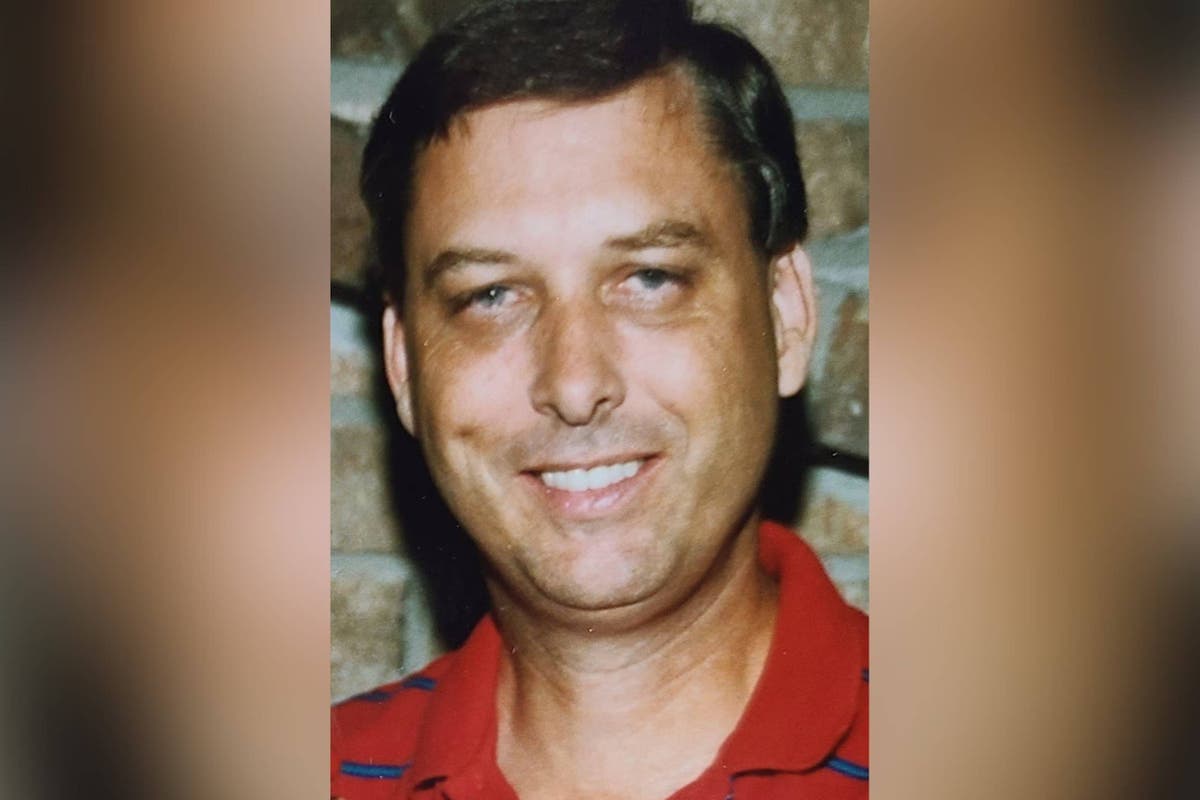
The body found in Lake Barkley, Kentucky nearly 25 years ago has been identified through DNA technology as Roger Dale Parham, an FBI fugitive. Parham had been arrested on charges of rape involving a minor in 1998 but disappeared before his court date. The cause of death is undetermined, but due to the circumstances, it is being investigated as a homicide. Kentucky State Police are urging anyone with information to come forward.

crime2 years ago

Decades-Old Mystery Solved: Human Remains Found in Kentucky Lake Identified as FBI Fugitive

Human remains found in Kentucky nearly 25 years ago have been identified as those of Roger D. Parham, an FBI fugitive who fled a federal arrest warrant in 1998. The remains were identified using advanced DNA technology and are now being investigated as a homicide. Parham had been released on bond but failed to appear in court on a rape charge. Kentucky State Police worked with a private laboratory specializing in forensic genealogy to make the identification. Parham's relatives have been notified of the discovery.

crime2 years ago

25-Year-Old Mystery Solved: Body Found in Kentucky Lake Identified as Long-Sought FBI Fugitive

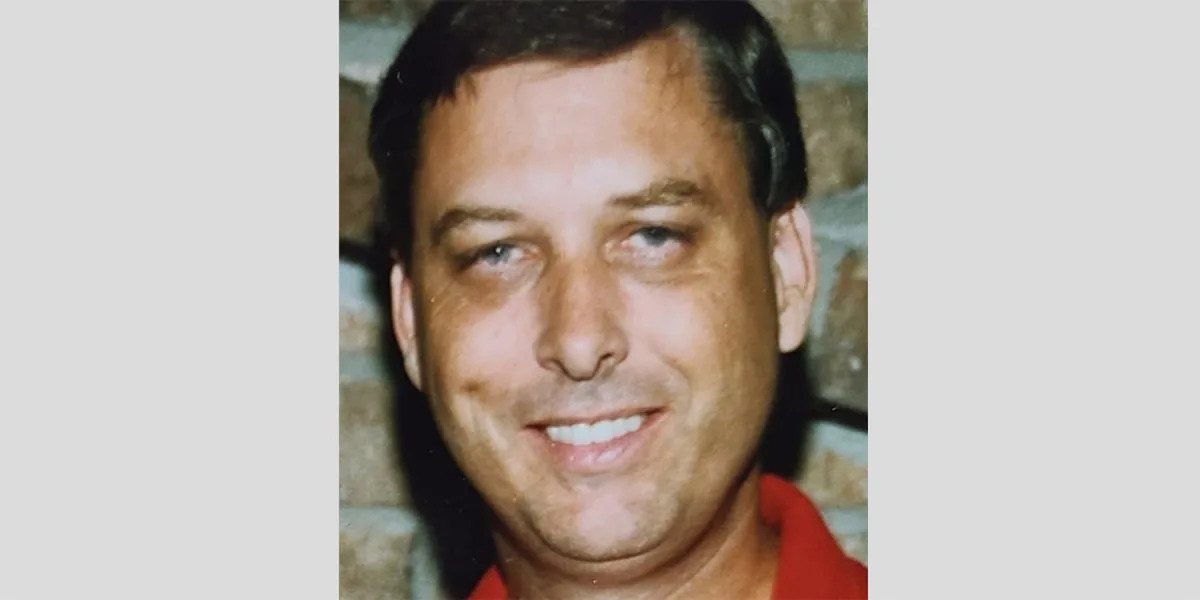
Human remains discovered in Lake Barkley nearly 25 years ago have been identified as those of Roger Dale Parham, thanks to advanced DNA testing and forensic genealogy. Parham, who was awaiting trial on criminal charges in 1999, disappeared and was thought to have fled the area to evade prosecution. The cause of his death is yet to be determined, but due to the circumstances in which he was found, the case is being investigated as a homicide. Kentucky State Police are urging anyone with information to come forward.

crime2 years ago

Decades-old mystery solved: Human remains found in Kentucky lake identified as fugitive in alleged rape case

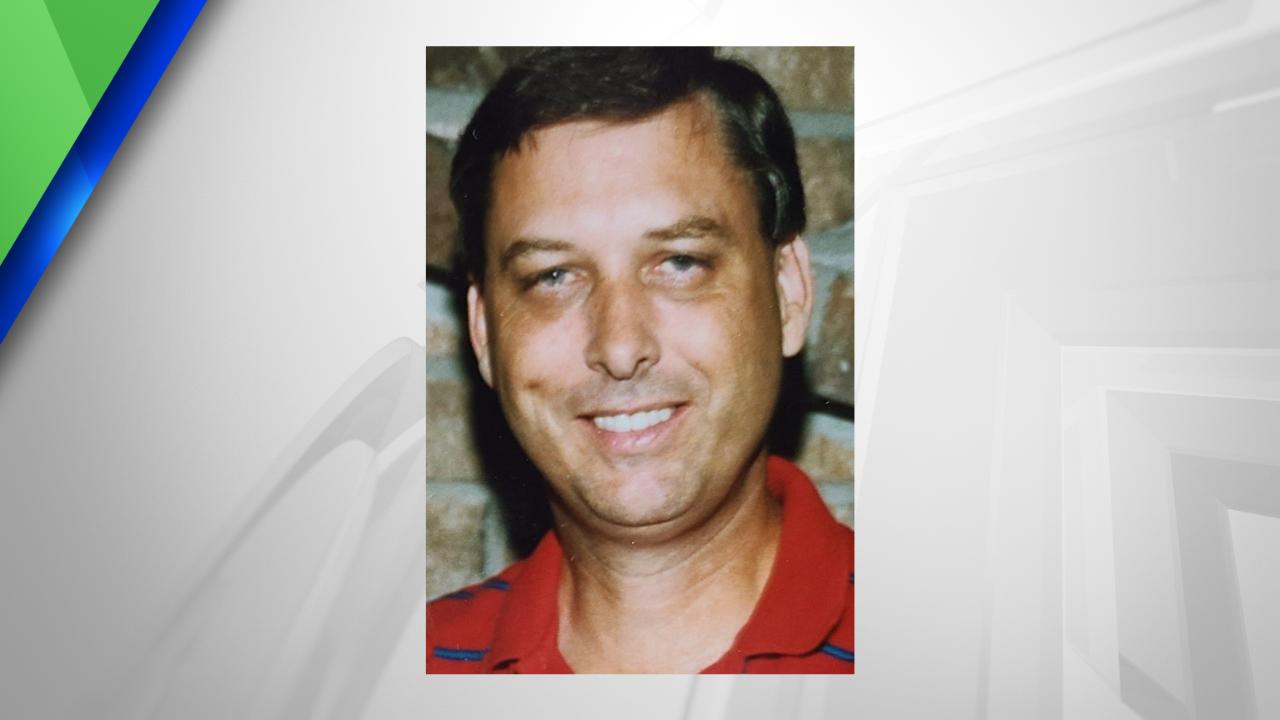
Human remains found in Kentucky 25 years ago have been identified as those of Roger D. Parham, a suspect in an alleged rape who fled from a federal arrest warrant in Arkansas in 1998. Kentucky State Police are investigating Parham's death as a homicide. Advanced DNA technology and forensic genealogy testing were used to identify the remains, which had been wrapped in tire chains and anchored in a lake. Parham's identity was discovered through a relative's DNA match.