Tag

Ocean Worlds

All articles tagged with #ocean worlds

science-and-technology1 year ago

NASA Develops Miniature Robots for Ocean World Exploration

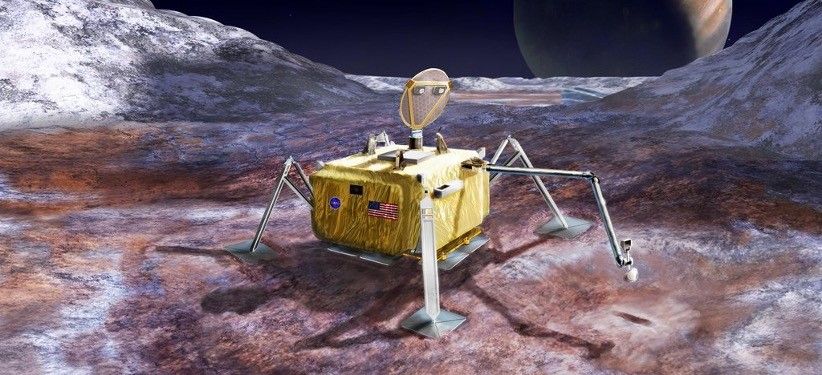
NASA is advancing autonomous technologies for robotic missions to ocean worlds like Europa and Enceladus, focusing on AI-driven autonomy due to communication delays and harsh environments. Through programs like OWLAT and OceanWATERS, NASA has developed testbeds to simulate lander operations, enabling research teams to create autonomy solutions for future missions. These efforts, supported by the ARROW and COLDTech programs, have resulted in software and technologies that enhance the ability of landers to operate independently, addressing challenges such as sample collection and fault management.
science-and-space1 year ago

Pluto's Salty Subsurface Ocean Could Enable Effortless Floating

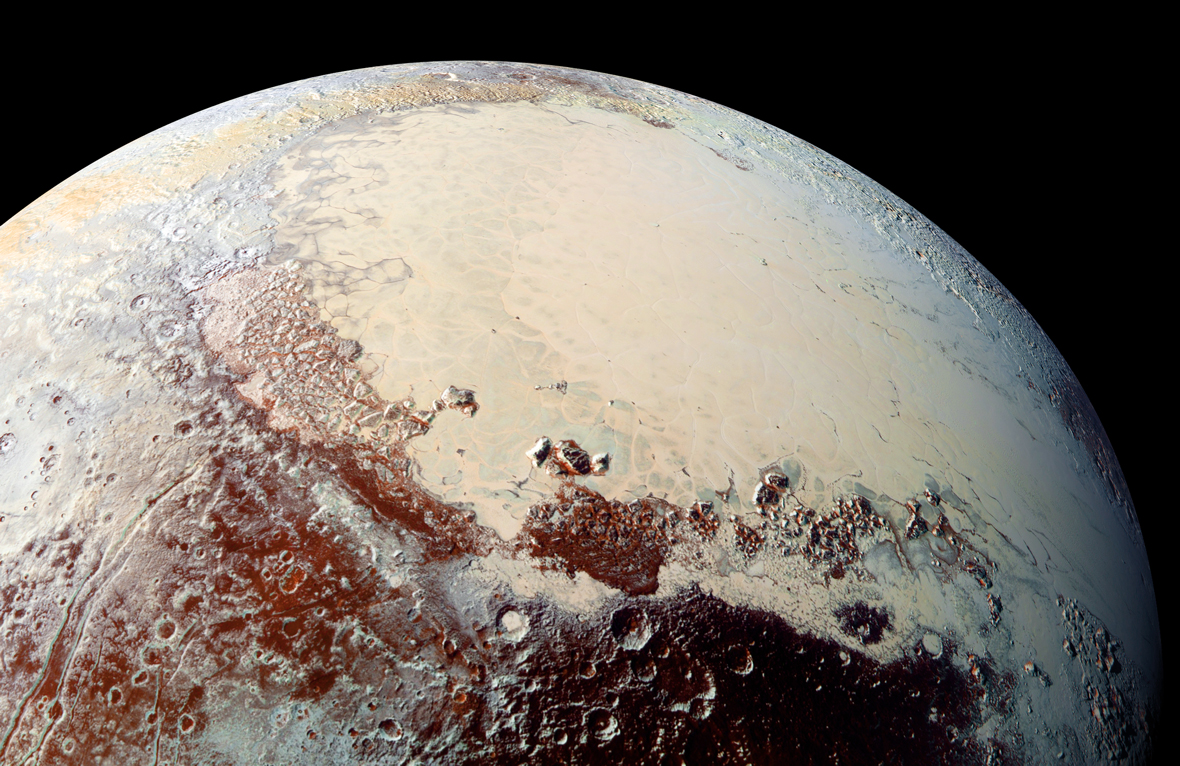
New research based on data from the New Horizons spacecraft suggests that Pluto has a subsurface ocean beneath a 40-80 km thick ice shell. This ocean, potentially as salty as Earth's Great Salt Lake, challenges previous assumptions that Pluto was too cold to support liquid water. The findings, derived from mathematical models and surface feature analysis, add to the growing evidence that Pluto is a dynamic world with an interior ocean.

space-science1 year ago

"Juno's Discovery: Europa's Oxygen Production Could Sustain Millions"

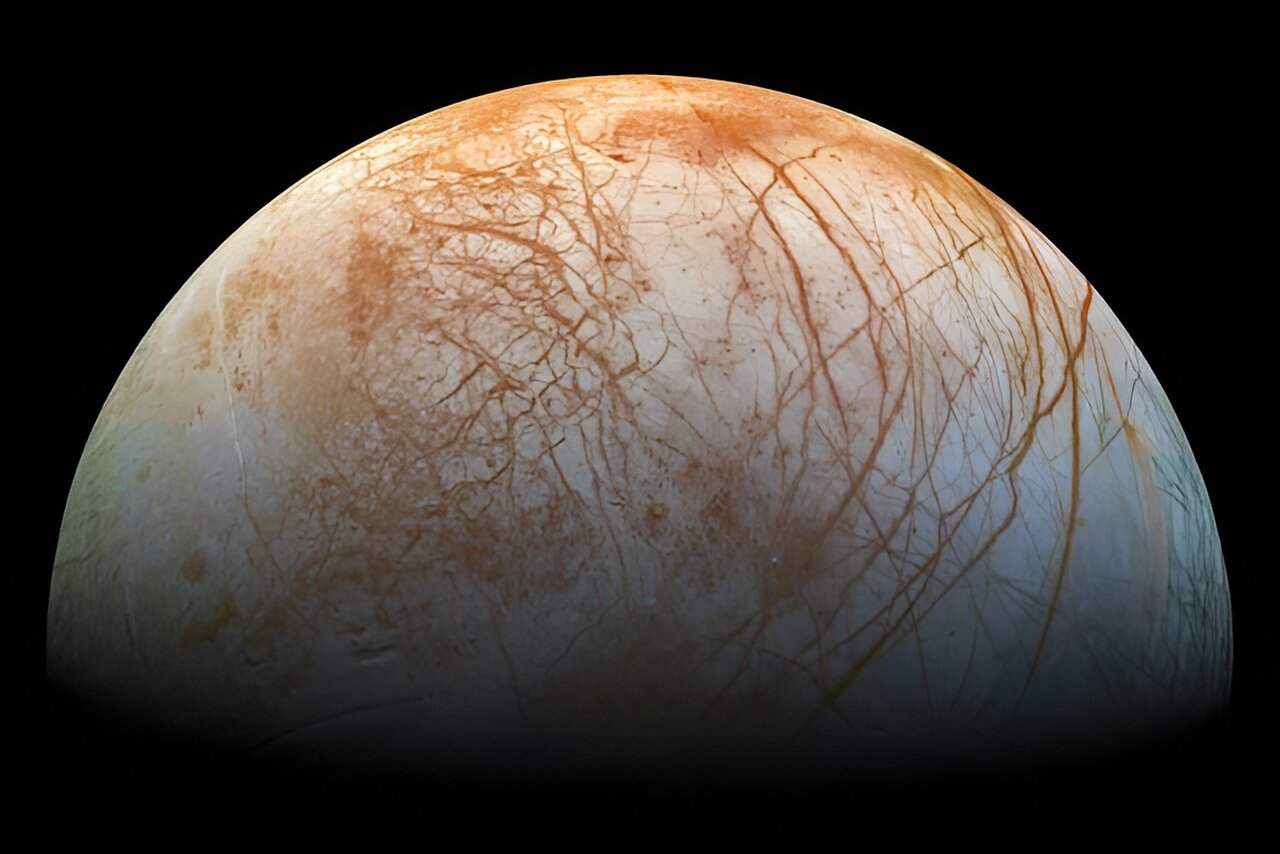
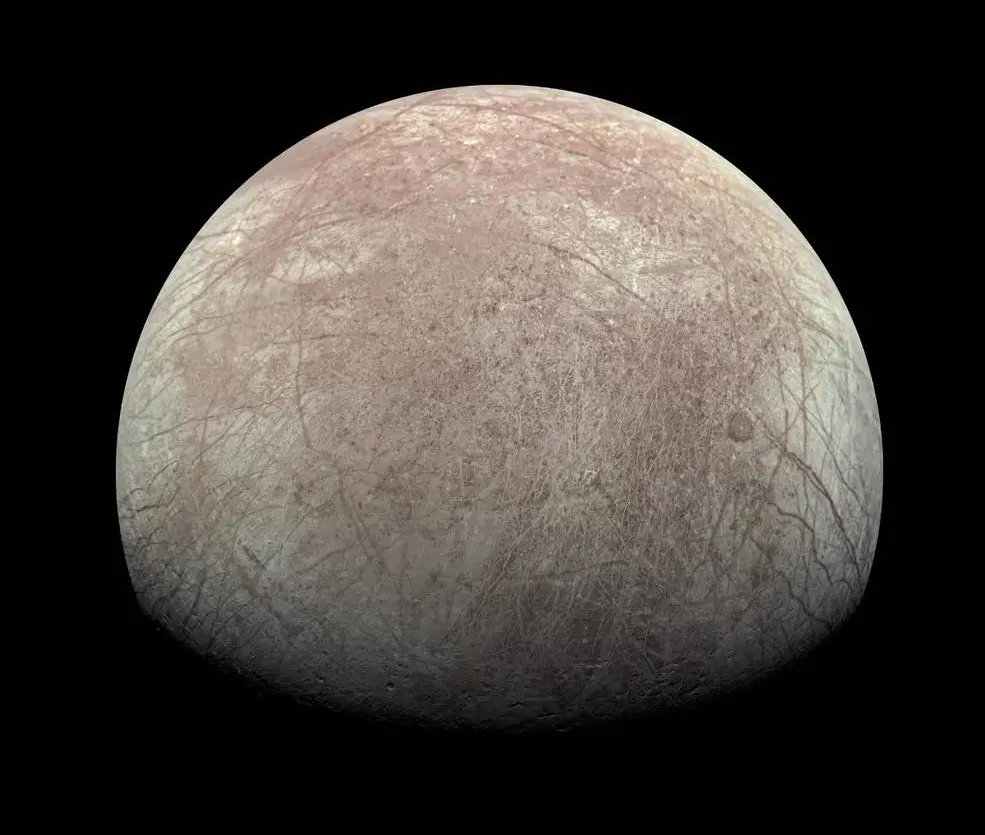
NASA's Juno spacecraft has measured the rate of oxygen production on Jupiter's moon Europa, finding it to be much lower than previously estimated. The observations suggest that charged particles from Jupiter's magnetic field continuously erode Europa's icy surface, producing hydrogen and oxygen. The findings have important implications for future missions to the Jovian system, such as the European Space Agency's Jupiter Icy Moons Explorer (Juice) mission and NASA's upcoming Europa Clipper, which aim to study ocean worlds and their potential to support life.

space-science1 year ago

"Icy Moon Ocean Temperatures Revealed by Ice Thickness"

Scientists are exploring the possibility of warm oceans under icy shells on various Solar System objects, which could potentially support life. Researchers at Cornell University have developed a method to determine the temperature of an icy world's ocean by measuring the thickness of its ice shell and associated properties, known as ice pumping. This method could provide insights into the ocean temperatures of distant worlds without the need for direct exploration. The study has implications for upcoming missions, such as NASA's Europa Clipper, which aims to measure Europa's ice thickness more accurately and potentially uncover clues about the potential for life in these ocean worlds.

astronomy1 year ago

"Trapped Intelligence: Why Some Alien Civilizations May Never Reach the Stars"

A new article in the Journal of the British Interplanetary Society explores the possibility of intelligent civilizations being trapped on their home worlds, particularly on ocean worlds or super-Earths with high escape velocities. Elio Quiroga introduces the concept of the exoplanet escape factor (Fex) and fishbowl worlds, which could inhibit space travel and communication for potential extraterrestrial civilizations. These factors add complexity to the Drake equation and raise questions about the potential existence of civilizations that may never know the universe beyond their own worlds.

archaeology-and-science1 year ago

"AI Deciphers 2000-Year-Old Philosopher's Charred Scrolls from Mount Vesuvius Eruption"

Researchers are using new technology to virtually unwrap charred Herculaneum scrolls, revealing nearly complete passages from the philosopher Philodemus, while a study suggests Saturn's moon Mimas may have a hidden ocean, potentially changing our understanding of ocean worlds in the solar system. Additionally, Australian scientists are using spiderwebs to track endangered species, a serene image of a polar bear wins the Wildlife Photographer of the Year People’s Choice Award, and the treacherous Drake Passage remains a challenge for ship captains ferrying tourists.

space-exploration2 years ago

Exploring Ocean Worlds: Cryobot Probes and the Search for Alien Life

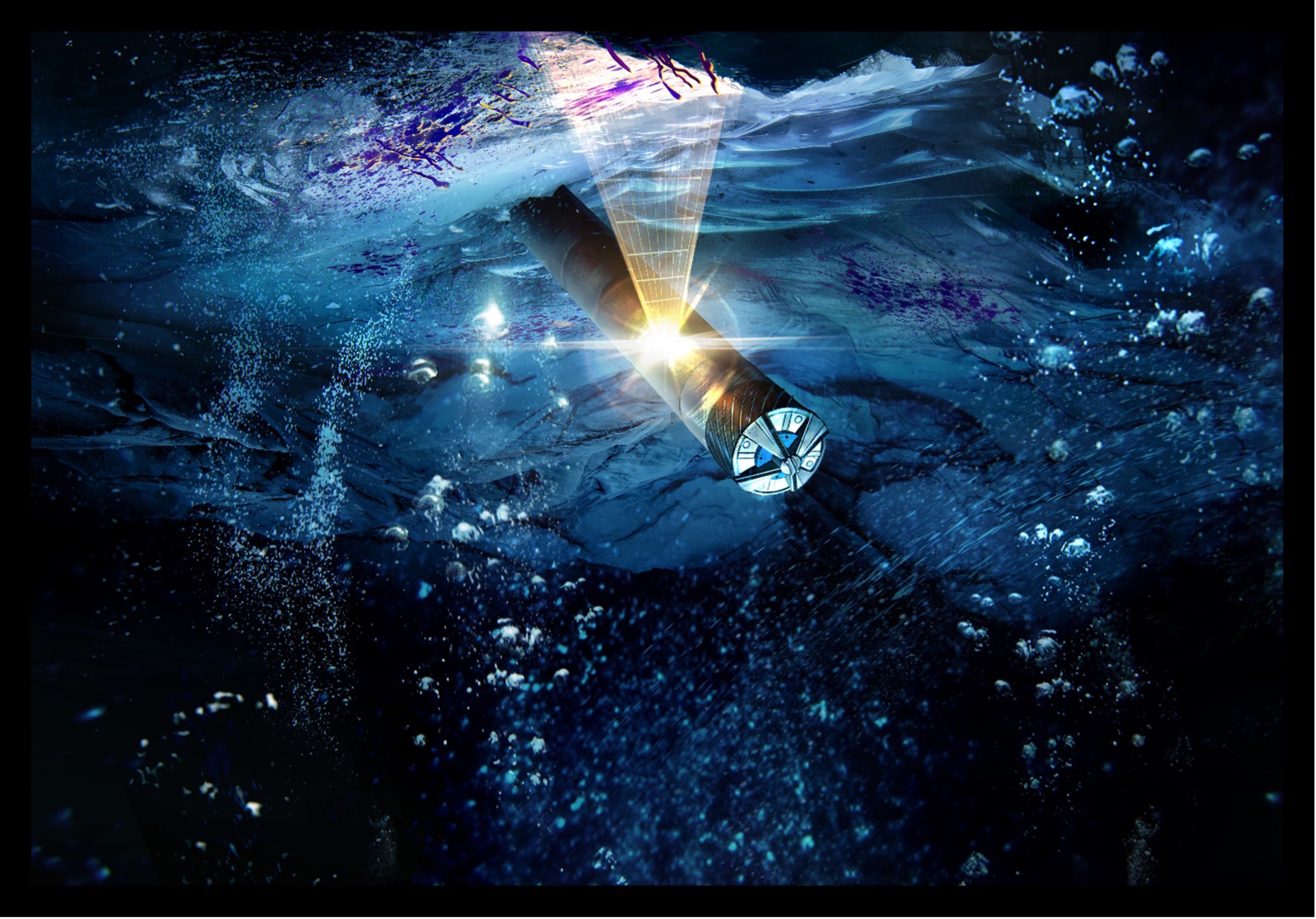
Researchers gathered at a NASA-sponsored workshop to discuss the development of a cryobot mission concept to explore the icy moons Europa and Enceladus in search of life. These moons are believed to have vast oceans beneath their icy crusts, making them potential habitats for life. The cryobot, a self-contained probe that uses heat to melt ice, has emerged as a leading candidate for accessing the liquid water. The workshop identified key subsystems, including power, thermal management, mobility, and communication, that need to be developed for a successful cryobot mission. Despite challenges, the consensus is that a cryobot mission remains feasible and scientifically compelling for the direct search for life on ocean worlds.

science2 years ago

Massive Water Plume Discovered on Saturn's Moon Enceladus by Webb Telescope

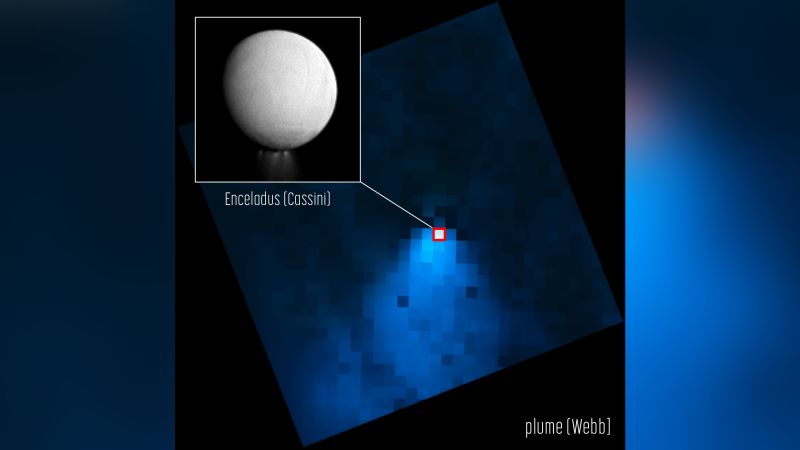
The James Webb Space Telescope has detected a record-breaking water plume erupting from Saturn's moon Enceladus. The plume spanned over 6,000 miles and released water vapor, organic chemicals, and ice particles into space. Enceladus is one of several ocean worlds in our solar system where scientists think they have the best chance of finding life beyond Earth. Webb's detailed detection of the plume revealed that the water vapor was releasing from Enceladus at about 79 gallons per second. The discovery could be helpful for future missions to explore Enceladus and discover the depth of its ocean.