A PhD candidate at Scripps Oceanography in San Diego discovered a rare purple Janthina snail on the beach, a species usually found in tropical waters, possibly due to changing ocean temperatures, marking a rare sighting after a decade.
Off the coast of Japan, the Kuroshio Current has shifted significantly, causing unprecedented warm waters, sea level changes, and impacts on fisheries and weather patterns, likely influenced by climate change and indicating increased oceanic volatility.
A study published in Nature Climate Change claims that the planet may have already warmed by 1.7C since the start of the Industrial Revolution, based on data from ancient sea sponges in the Caribbean Sea. While some scientists urge caution and skepticism, the researchers argue that their findings indicate a more advanced global warming scenario than previously thought, emphasizing the need for urgent CO2 reduction. The controversial claim has sparked debate among experts, with some questioning the study's methodology and its implications for global climate targets.
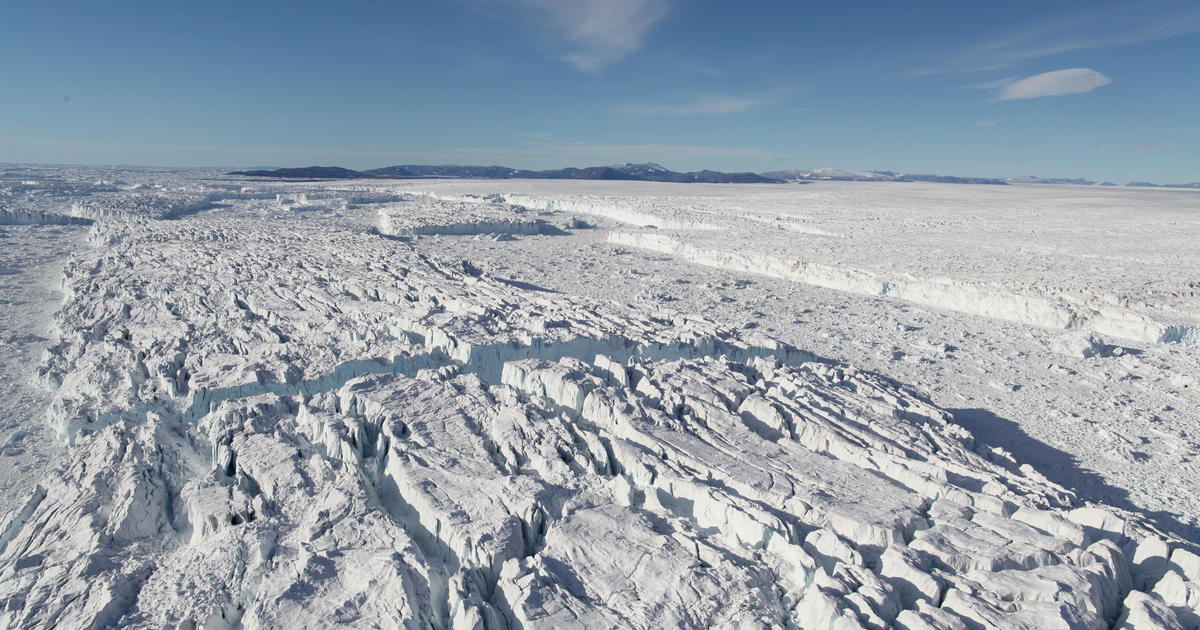
A new study published in Nature Communications reveals that ice shelves in North Greenland have lost over 35% of their volume since 1978 due to rising temperatures. Three of the shelves have completely collapsed, and the remaining five have experienced a widespread increase in mass loss, primarily due to warming ocean temperatures. This loss of ice shelf volume could have dramatic consequences for sea level rise, as the Greenland ice sheet is the second-largest contributor to it. The study highlights the strong oceanic control on ice shelves changes and warns that continued ocean thermal forcing could lead to unstable retreat and collapse of the remaining ice shelves, resulting in significant sea level rise.
This week's Phys.org highlights include the discovery of an ancient water management system in China built without centralized authority, the detection of a hidden phase of matter that separates supercooled liquids from normal liquids, the New Horizons spacecraft measuring the darkness of the universe, extreme coral reef bleaching off southeast Florida due to rising ocean temperatures, and a study showing that the top 10% of wealth holders in the US are responsible for 40% of carbon emissions, suggesting that the tax code could be used to address climate change.
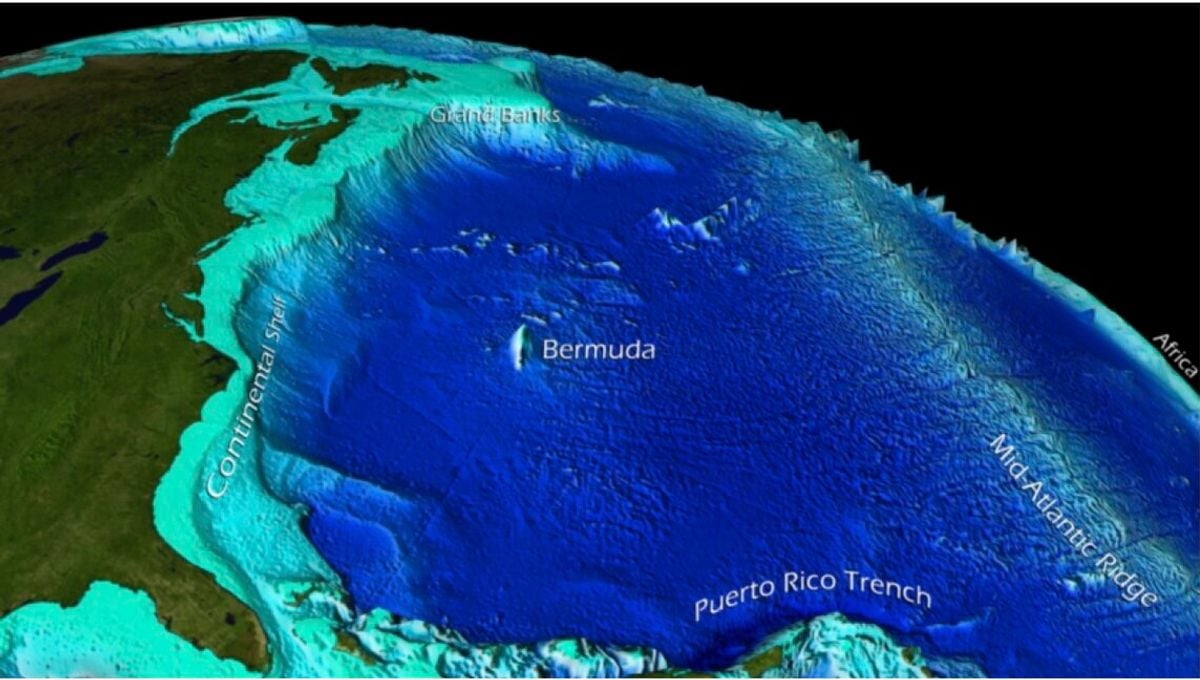
The North Atlantic Ocean has reached its highest-ever recorded temperature of 24.9 degrees Celsius (76.8°F), surpassing the previous record set in September 2022, according to preliminary data from the US National Oceanic and Atmospheric Administration (NOAA). This record-breaking temperature comes earlier in the year than usual, with the North Atlantic typically reaching its peak temperature in early September. The Mediterranean Sea also recently reached its highest temperature on record. Scientists warn that these rising ocean temperatures are a result of global warming and climate change, with the North Atlantic expected to continue warming throughout August.
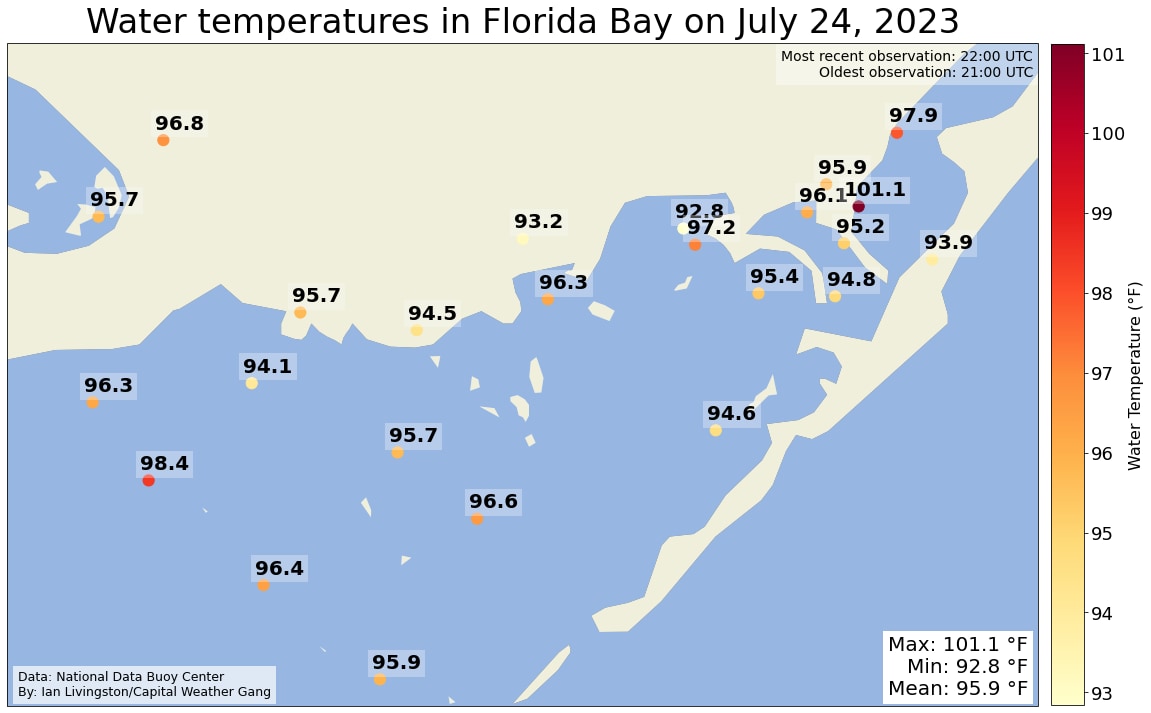
The ocean temperature off the coast of South Florida reached over 101 degrees Fahrenheit, potentially setting a record. The high temperature is concerning for the coral reefs in the area, which thrive at temperatures between 73 and 84 degrees. However, the comparison to other top readings is difficult due to the unique qualities of the area where the temperature was recorded. The heat poses major environmental concerns and could lead to coral bleaching and death if temperatures remain elevated for an extended period.
The waters off the coast of South Florida have reached an unprecedented temperature of 101.1 degrees Fahrenheit, potentially setting a world record. The extreme heat is part of a global pattern of marine heat waves affecting various regions in the Northern Hemisphere. These scorching waters are damaging coral reefs in South Florida and the Florida Keys, with 100% coral mortality reported in some areas. The situation highlights the urgent need to address climate change.
Swimmers in South Florida are braving record-high ocean temperatures, with water reaching up to 92.5 degrees Fahrenheit off the coast of Virginia Key. The scorching heat has led to 16 consecutive days with a heat index at or above 105 degrees in Miami, prompting the National Weather Service to issue an extreme heat advisory. Despite the hot water, beachgoers are undeterred, enjoying the warm ocean that feels like a "thick, simmering syrup." The unusually warm temperatures have also resulted in pristine beaches and sightings of manatees and sharks.
Scientists at NOAA have found evidence of marine heatwaves at the bottom of the ocean, which last longer, can cause more drastic heating, and sometimes occur with little or no evidence of warming at the surface. The world’s oceans are responsible for absorbing about 90 percent of the excess heat generated by man-made carbon emissions, and as such, it’s warming faster than the planet average, increasing in temperature by about 1.5°C (2.7°F) over the past century – with marine heatwaves becoming around 50 percent more frequent in the last decade alone. Increased temperatures at the bottom of the ocean have been linked to a whole host of ecological problems, and with these new data collection methods, the researchers hope to develop real-time monitoring capabilities that can alert marine resource managers to deep ocean conditions.