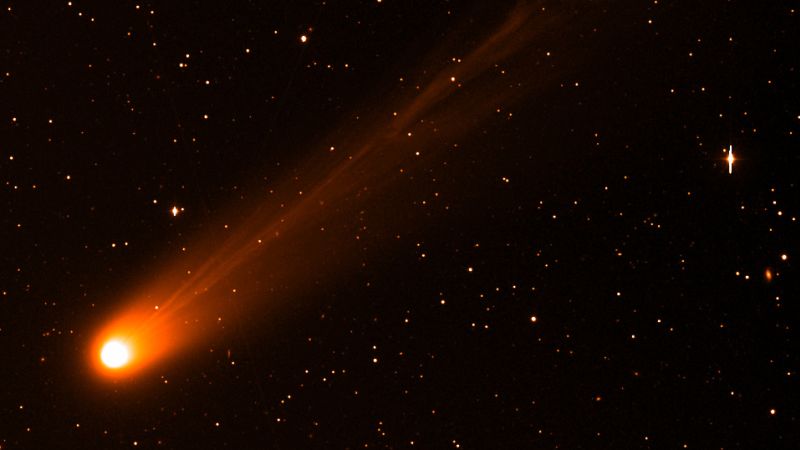
Two newly discovered long-period comets, C/2025 A6 Lemmon and C/2025 R2 SWAN, are making their closest approaches to Earth this month, offering a rare opportunity for sky-gazers to observe them with binoculars or telescopes before they fade from view in the coming weeks. Lemmon will be visible in the Northern Hemisphere and SWAN in the Southern Hemisphere, with optimal viewing around October 20-21, providing insights into the early materials of our solar system.
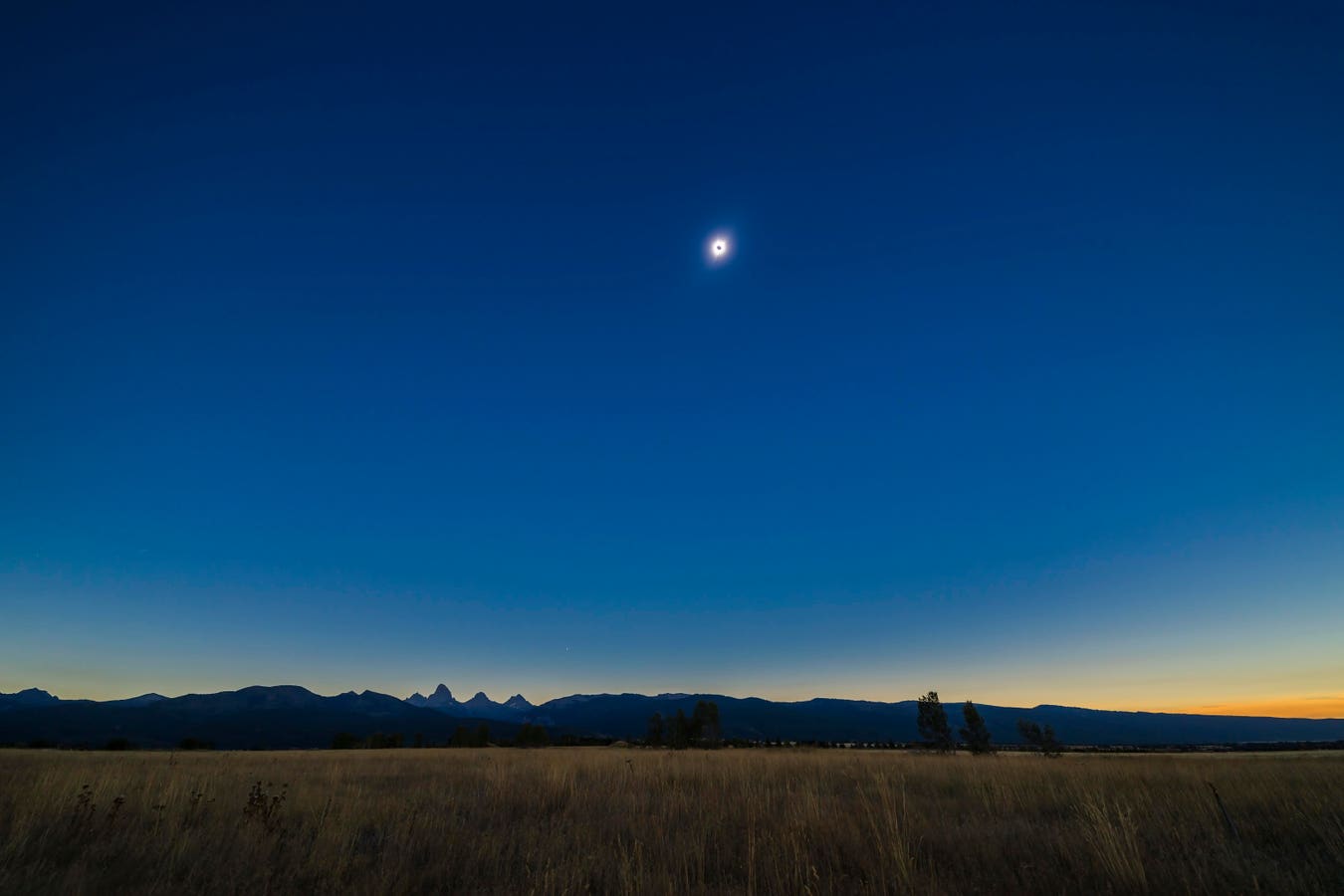
On April 8, 2024, a total solar eclipse will offer a rare chance to witness a "Planet Parade" featuring Uranus, Jupiter, Mercury, Venus, Neptune, Saturn, and Mars, along with Comet 12P/Pons-Brooks, visible only during totality. Observers within the 115-mile-wide path of totality will experience darkness, the sun's corona, and the opportunity to spot these celestial bodies. Tips for observing include using solar eclipse glasses and filters, focusing on the solar corona, and locating Venus, Jupiter, and the comet during totality.
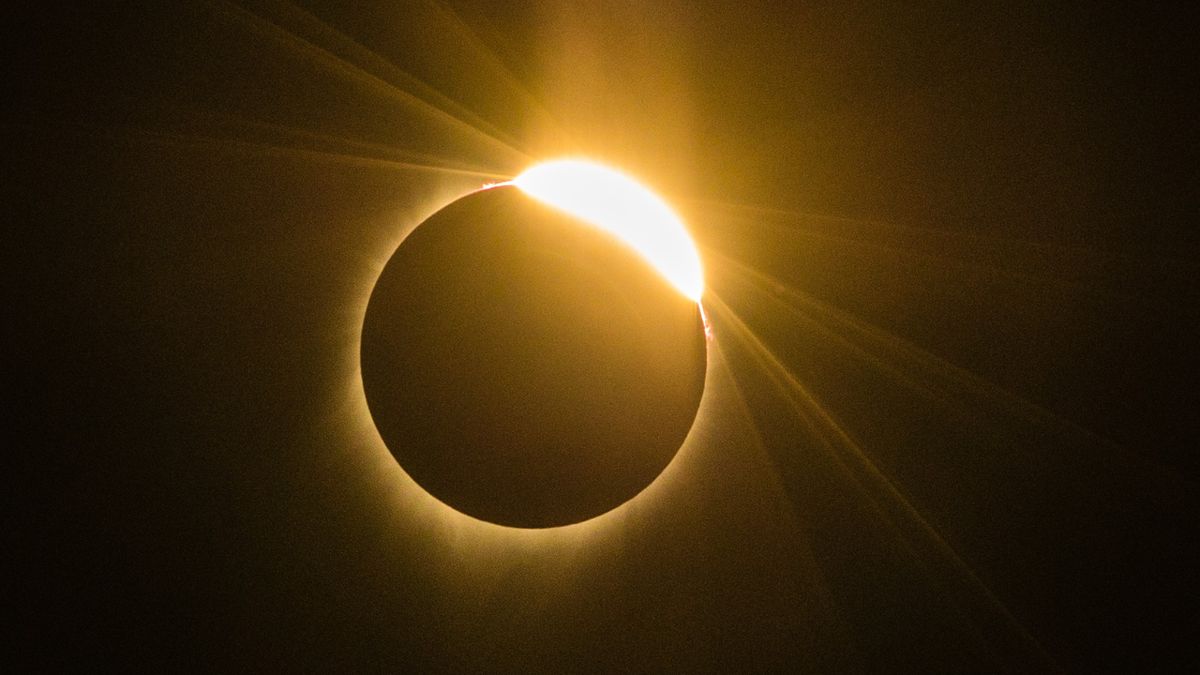
A solar eclipse known as the "Ring of Fire" cut across the Western Hemisphere, starting in Oregon and moving through several states in the United States and Latin American countries. Unlike a total eclipse, this annular eclipse occurs when the moon is farthest from the Earth, creating a halo of sunlight around the moon's border. Millions of people experienced either the annular eclipse or a partial solar eclipse, with major cities like Seattle, Los Angeles, Houston, Mexico City, and Bogotá witnessing considerable dimming of the sun. Observers were advised to use proper protective eyewear and not to look directly at the eclipse.
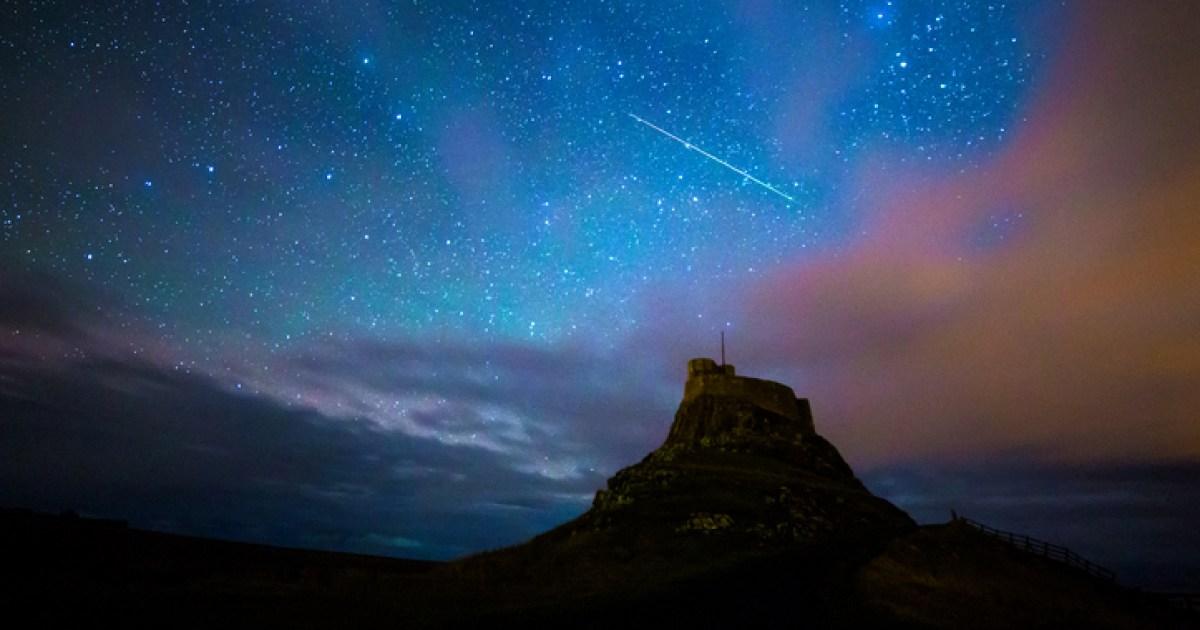
The Draconid meteor shower, caused by debris from the comet 21P/Giacobini-Zinner burning up in Earth's atmosphere, will be visible from October 6 to 10, with the best viewing time on October 8 around 8pm. The shower is named after the constellation Draco, as the meteors appear to radiate from within it. While not the busiest meteor shower, it has the potential for a meteor storm, where over a thousand meteors can be seen in one location. Observers are advised to find a dark area with clear skies and allow their eyes to adjust to the darkness for about 20 minutes.
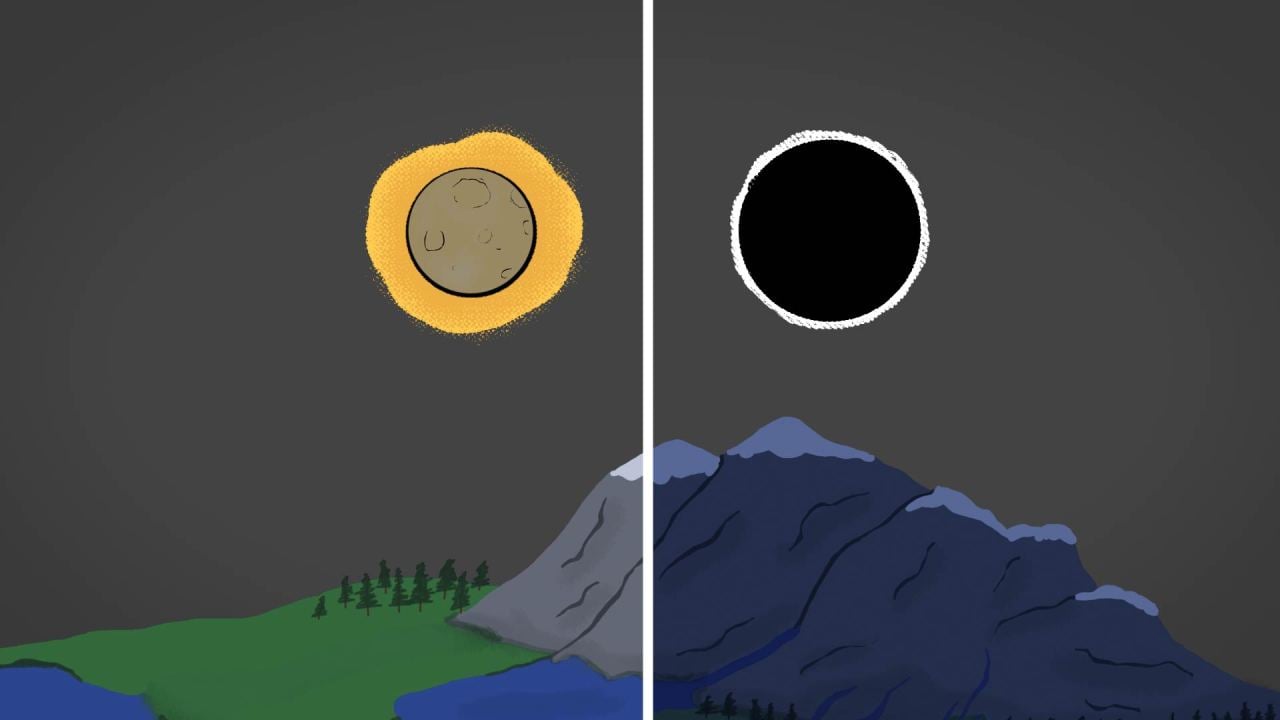
Two different types of eclipses are set to occur over Central Texas in the coming months, prompting Chief Meteorologist David Yeomans to provide a lesson on their unique characteristics. The article offers insights into the types of eclipses, what differentiates them, and the specific dates of occurrence. Additionally, readers can find information on observing tips from experienced eclipse chasers, the impact on local schools, and the duration of the eclipses in their respective areas.
On April 20, a rare hybrid solar eclipse will occur, with the moon's shadow first creating an annular eclipse before transitioning to a total eclipse as it crosses the Earth. The eclipse will be visible in parts of Australia, Indonesia, Southeast Asia, New Zealand, and Antarctica. Observers are advised to never look at the sun with the unaided eye and to use proper solar filters or pinhole cameras. Unfortunately, Barrow Island, a location where the eclipse will be visible, will not allow astronomers or naturalists to visit due to a scheduled maintenance event.