Tag

Hybrid Eclipse

All articles tagged with #hybrid eclipse

Stunning Images of Solar Storms During Total Solar Eclipses.

Originally Published 2 years ago — by Livescience.com

Featured image for Stunning Images of Solar Storms During Total Solar Eclipses.
Source: Livescience.com

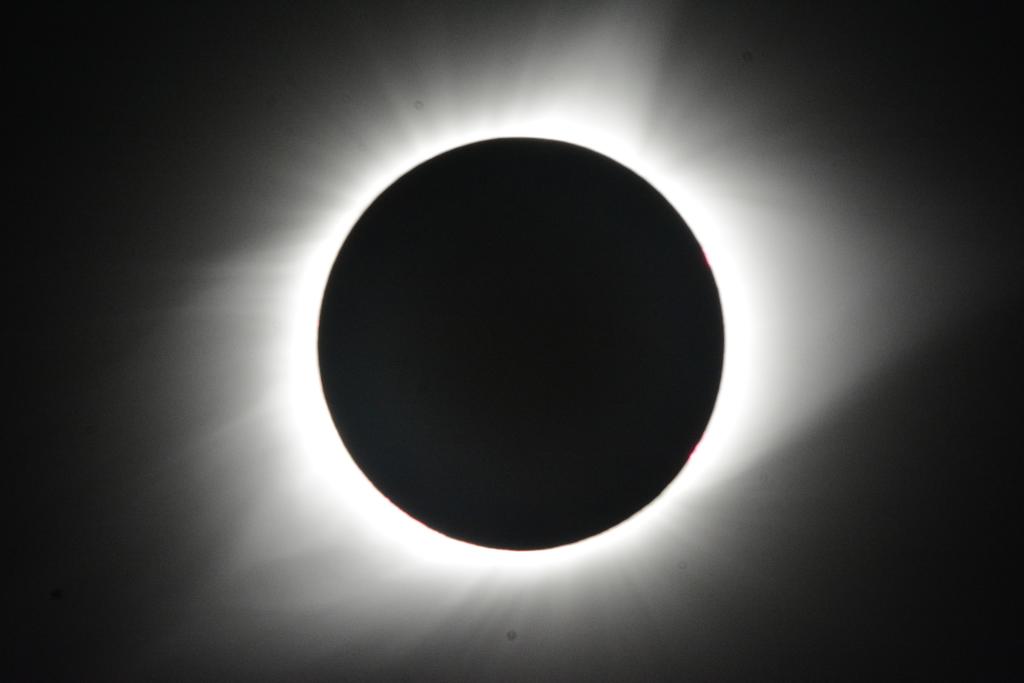
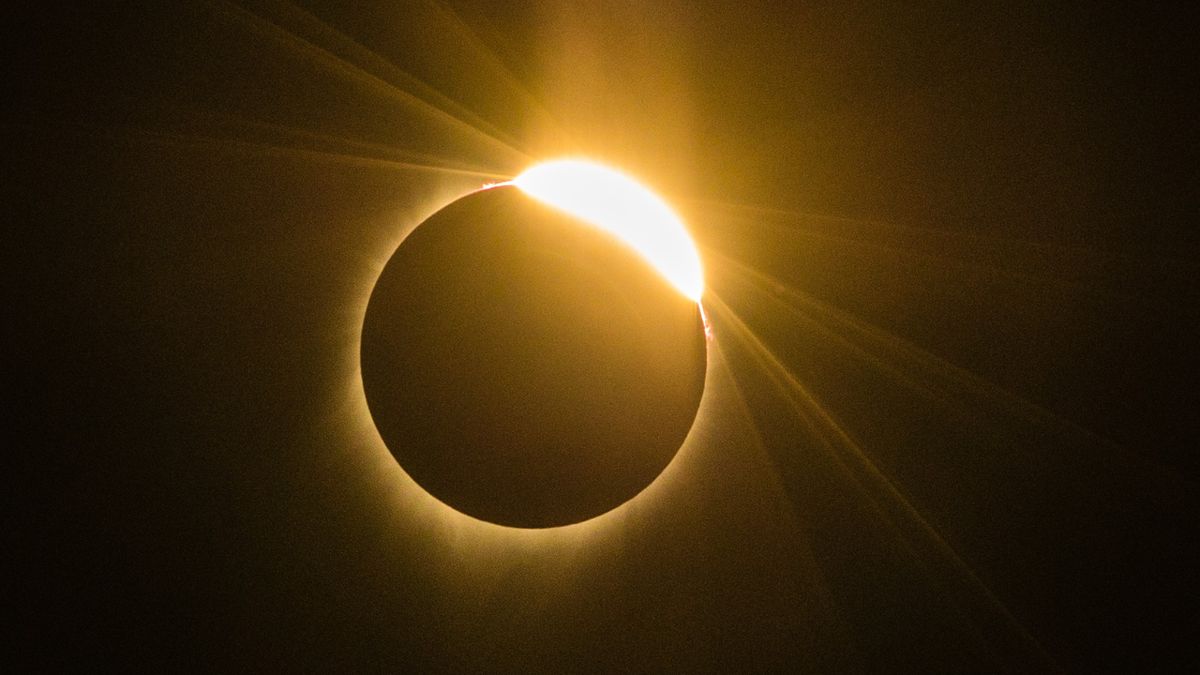
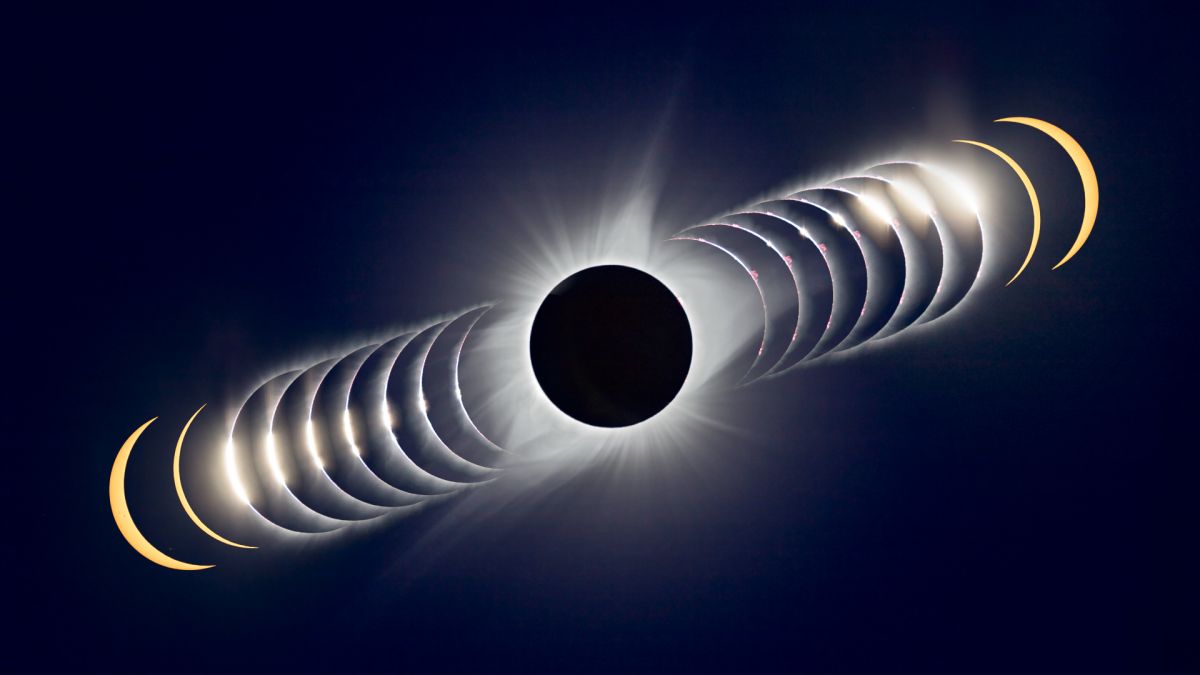
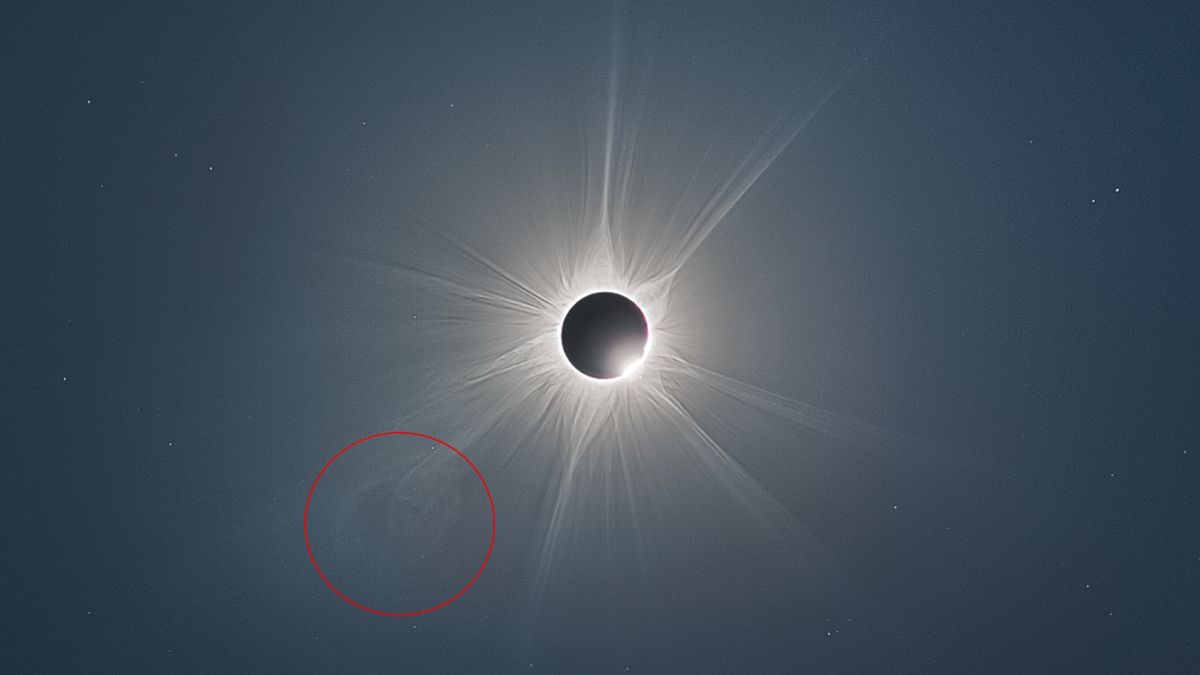
Astrophotographers captured a rare hybrid eclipse that occurred on April 20, 2023, over Australia. The image shows the sun's corona and a coronal mass ejection (CME) exploding away from the sun. The eclipse was a combination of a total solar eclipse and an annular solar eclipse. The total solar eclipse was only visible to people who were perfectly positioned in line with the moon and the sun. The image also shows the iconic "diamond ring" phenomenon, where the sun begins to move round from behind the moon as totality comes to an end. The sun's corona is particularly strong in the new image, which reflects an increase in solar activity as the sun approaches the peak of an 11-year cycle, known as the solar maximum, which is scheduled to arrive in the next few years.

Rare Solar Eclipse Draws Crowds to Remote Australian Town and Exmouth

Originally Published 2 years ago — by BBC

Featured image for Rare Solar Eclipse Draws Crowds to Remote Australian Town and Exmouth
Source: BBC

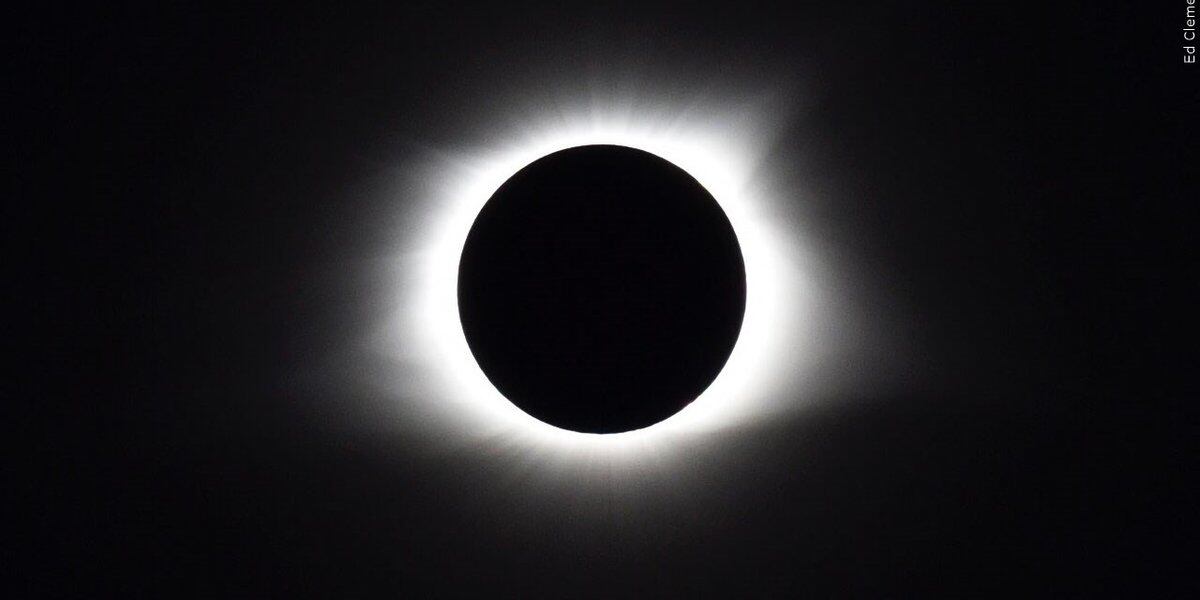
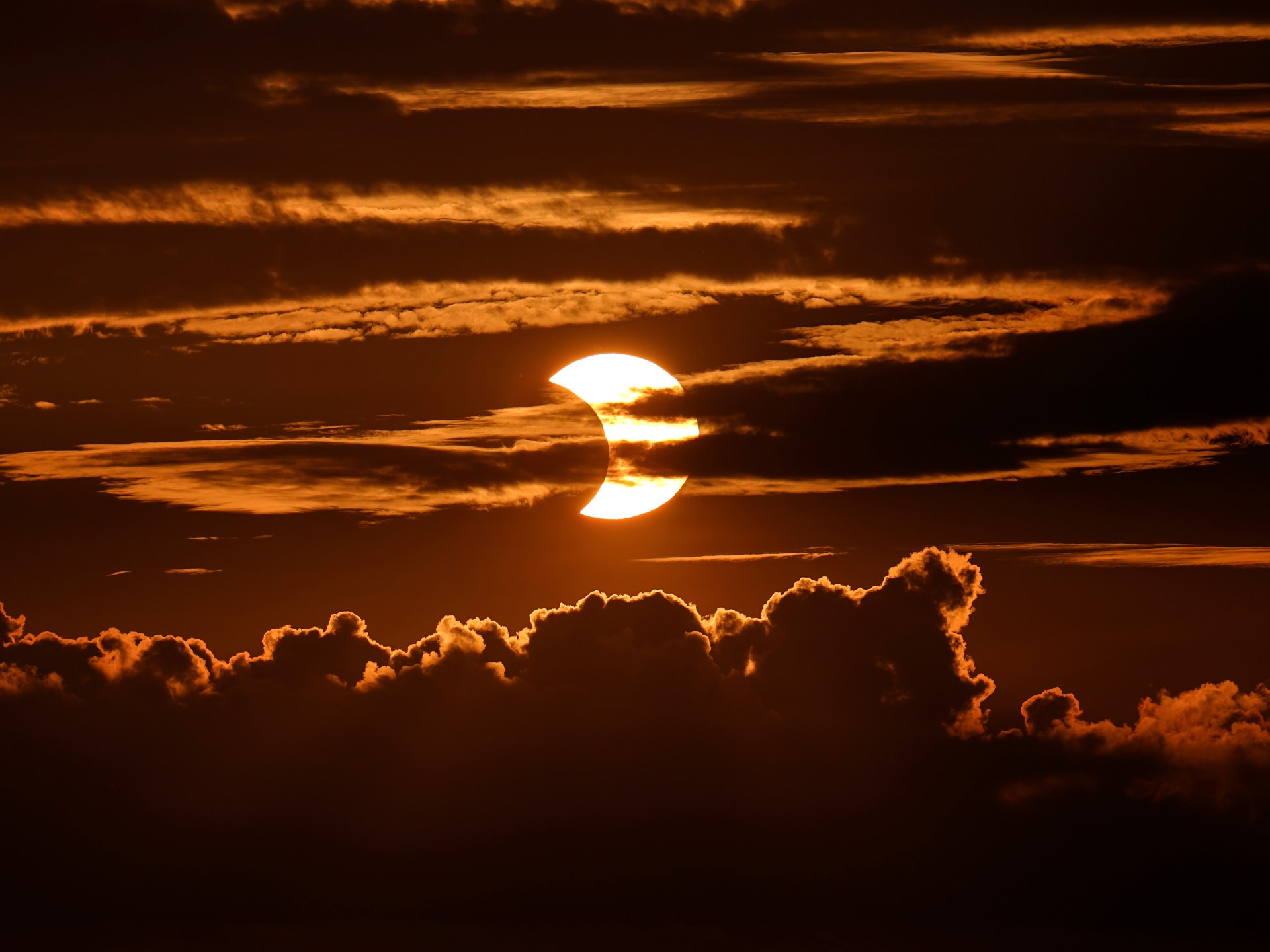
Thousands of stargazers flocked to Exmouth, a remote town in Western Australia, to witness a rare hybrid solar eclipse, which occurs only a few times per century. The total solar eclipse was visible only from the Exmouth Peninsula, where the sky turned dark for about 60 seconds when the Moon cast a 40km-wide shadow over the area. The event was described as an "almost religious experience" by some, while others found it "mind-blowing."

Your Guide to Viewing the Rare Hybrid Solar Eclipse This Week

Originally Published 2 years ago — by Al Jazeera English

Featured image for Your Guide to Viewing the Rare Hybrid Solar Eclipse This Week
Source: Al Jazeera English

A rare hybrid solar eclipse will be visible on Thursday, creating an annular or a total solar eclipse, depending on where you stand in relation to the moon. During this eclipse, a total eclipse will be visible in western Australia, Timor-Leste, and Indonesia, while a partial solar eclipse will be visible in Southeast Asia, the East Indies, Australia, the Philippines, and New Zealand. It is never safe to look directly at the sun's rays, and during a partial eclipse, it is important to wear eclipse glasses at all times. The next hybrid eclipse is expected to occur on November 14th, 2031.

Don't Miss the Rare Hybrid Solar Eclipse Today!

Originally Published 2 years ago — by Business Insider

Featured image for Don't Miss the Rare Hybrid Solar Eclipse Today!
Source: Business Insider

A rare hybrid solar eclipse will occur over the South Pacific today, and NASA and Space.com are both hosting livestreams of the eclipse starting at 9:36pm EDT tonight. Hybrid solar eclipses are the rarest type of eclipse and look different depending on your location. This event won't happen again until 2031.

Don't Miss the Rare Hybrid Solar Eclipse: Viewing Tips and What to Expect

Originally Published 2 years ago — by New York Post

Featured image for Don't Miss the Rare Hybrid Solar Eclipse: Viewing Tips and What to Expect
Source: New York Post

On April 20, a rare hybrid solar eclipse will occur, transitioning between annular and total as the moon's shadow moves across the globe. The eclipse will be visible in Australia and Southeast Asia, but NASA and Time And Date will host a livestream for viewers worldwide. The next hybrid solar eclipse won't occur until November 2031. The eclipse signals a time of reform and change, marking the beginning of the Aries-Libra eclipse cycle, which extends through 2025.

"Preparing for the Rare Hybrid Eclipse: Tips and Timing"

Originally Published 2 years ago — by CNN

Featured image for "Preparing for the Rare Hybrid Eclipse: Tips and Timing"
Source: CNN

A rare hybrid solar eclipse will occur this week, with the moon passing between Earth and the sun in such a way that people in its narrow central eclipse path will experience either an annular or a total eclipse. The event will be visible in parts of Australia, East Timor, and Indonesia. A wider portion of the world will experience a partial eclipse. A hybrid eclipse occurs when the moon is at just the right distance where both the umbral and antumbral shadow can reach Earth. The next hybrid eclipse is expected in 2031.

"Get Ready for the Rare Hybrid Solar Eclipse: Viewing Tips and Impact on Sun Signs"

Originally Published 2 years ago — by WBTV

Featured image for "Get Ready for the Rare Hybrid Solar Eclipse: Viewing Tips and Impact on Sun Signs"
Source: WBTV

A rare hybrid solar eclipse, a combination of a total and annular eclipse, will be visible in Australia and Southeast Asia on April 20, lasting nearly 200 minutes. North American viewers can watch it online via NASA's YouTube livestream. The eclipse is expected to start at 9:34 p.m. EST on April 19 and end at 2:59 a.m. April 20. NASA has compiled all upcoming eclipses through at least 2025 on their website.

Get Ready for the Rare Hybrid Solar Eclipse of April 20th!

Originally Published 2 years ago — by Space.com

Featured image for Get Ready for the Rare Hybrid Solar Eclipse of April 20th!
Source: Space.com

On April 20, a rare hybrid solar eclipse will occur, with the moon's shadow first creating an annular eclipse before transitioning to a total eclipse as it crosses the Earth. The eclipse will be visible in parts of Australia, Indonesia, Southeast Asia, New Zealand, and Antarctica. Observers are advised to never look at the sun with the unaided eye and to use proper solar filters or pinhole cameras. Unfortunately, Barrow Island, a location where the eclipse will be visible, will not allow astronomers or naturalists to visit due to a scheduled maintenance event.

Don't Miss the Rare Hybrid Solar Eclipse Happening Next Week

Originally Published 2 years ago — by Livescience.com

Featured image for Don't Miss the Rare Hybrid Solar Eclipse Happening Next Week
Source: Livescience.com

A rare "hybrid" solar eclipse will occur on April 20, visible in Australia, East Timor, and eastern Indonesian islands. The eclipse is a combination of both a total solar eclipse and an annular solar eclipse, presenting viewers with one eclipse, then the other as the moon's shadow glides over Earth's surface. Whether viewers will see the eclipse as a total or an annular eclipse depends on where they are positioned along Earth's curved surface relative to the moon. Indigenous Australians regarded rare solar eclipses as bad omens. The next hybrid solar eclipse will appear over North America on Nov. 14, 2031.

"Preparing for the Rare and Strange Hybrid-Total Solar Eclipse of 2023"

Originally Published 2 years ago — by Forbes

Featured image for "Preparing for the Rare and Strange Hybrid-Total Solar Eclipse of 2023"
Source: Forbes

On April 20, 2023, a rare "hybrid" or annular-total solar eclipse will occur, visible only from the southern hemisphere. Eclipse-chasers will travel to Western Australia, Timor Leste, and West Papua to witness the event. The eclipse will be technically a "hybrid" type, but this won't affect the viewing experience. Totality will be witnessed by relatively few people, making it an exclusive eclipse experience. Southeast Asia and Australia will see a big partial solar eclipse, and the event will happen during "whale shark" season in Western Australia and West Papua.

Rare Hybrid Eclipse to Grace the Skies This Week.

Originally Published 2 years ago — by IFLScience

Featured image for Rare Hybrid Eclipse to Grace the Skies This Week.
Source: IFLScience

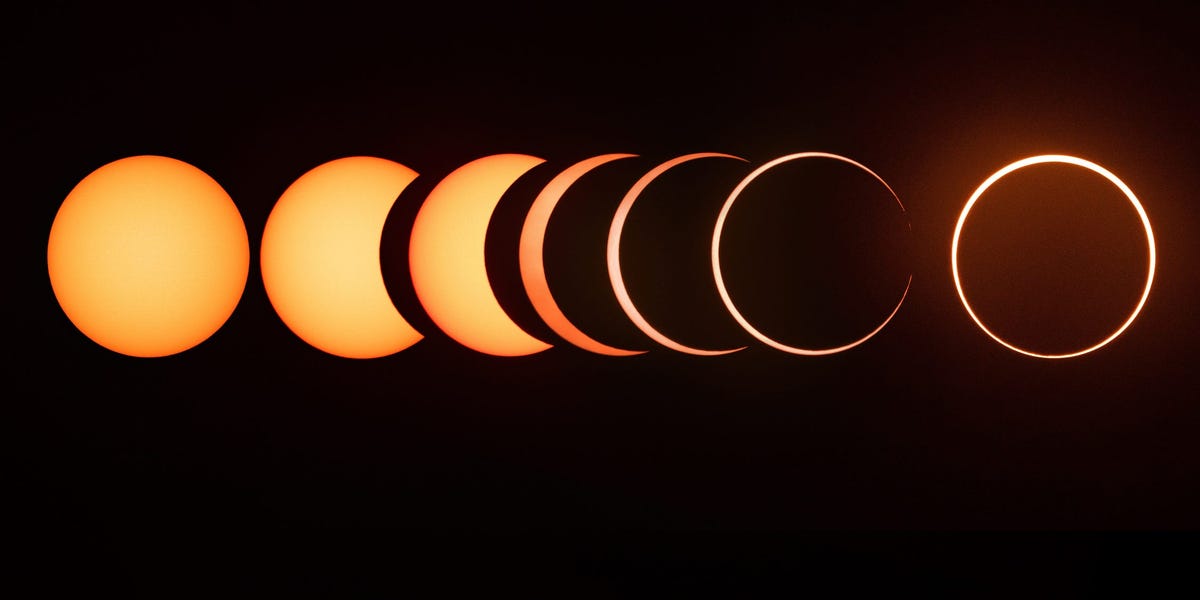
A hybrid eclipse, the rarest type of eclipse, will occur over parts of Australia, East Timor, and occupied West Papua this Thursday. It will be the first hybrid eclipse since 2013 and mostly over ocean. People over a much larger area, in this case Australia and South-East Asia, will experience the dimming of a partial eclipse, and this one could be particularly worth viewing if skies are clear. The Sun and Moon take up almost exactly the same area of the sky, and a hybrid eclipse occurs when the Moon is close enough to produce a total eclipse over the nearest parts of the Earth, but when the eclipse path reaches areas made more distant by the curve of the Earth it becomes annular.

Don't Miss the Rare Hybrid Solar Eclipse on April 20!

Originally Published 2 years ago — by Space.com

Featured image for Don't Miss the Rare Hybrid Solar Eclipse on April 20!
Source: Space.com

A rare hybrid solar eclipse will occur on April 20, visible from the South Pacific. The event will be livestreamed for free on multiple platforms, including TimeAndDate.com and the Gravity Discovery Centre & Observatory's YouTube channel. It is important to remember to never look at the sun with the unaided eye, even during an eclipse, as it can cause permanent damage to one's vision. Safe viewing methods include using solar eclipse glasses, solar filters, or a pinhole camera.

April 2023 Stargazing: Meteor Shower, Pink Moon, and Mars-Moon Kiss

Originally Published 2 years ago — by Beaumont Enterprise

Featured image for April 2023 Stargazing: Meteor Shower, Pink Moon, and Mars-Moon Kiss
Source: Beaumont Enterprise

April 2023 will feature a full pink moon on April 6, a rare hybrid eclipse on April 20 visible in parts of Asia, East Indies, Australia, the Philippines, and New Zealand, the Lyrid meteor shower peaking on April 22, and the last visibility of Mercury on April 23. The month will end with the moon at apogee, its farthest from Earth for this orbit, on April 28.