Using fMRI with 47 heterosexual men, the study shows the nucleus accumbens encodes a romantic partner differently from friends early in romance, but as relationships endure the neural distinction fades, suggesting a shift from passionate love to companionate love; results are cross-sectional and limited in sample diversity.
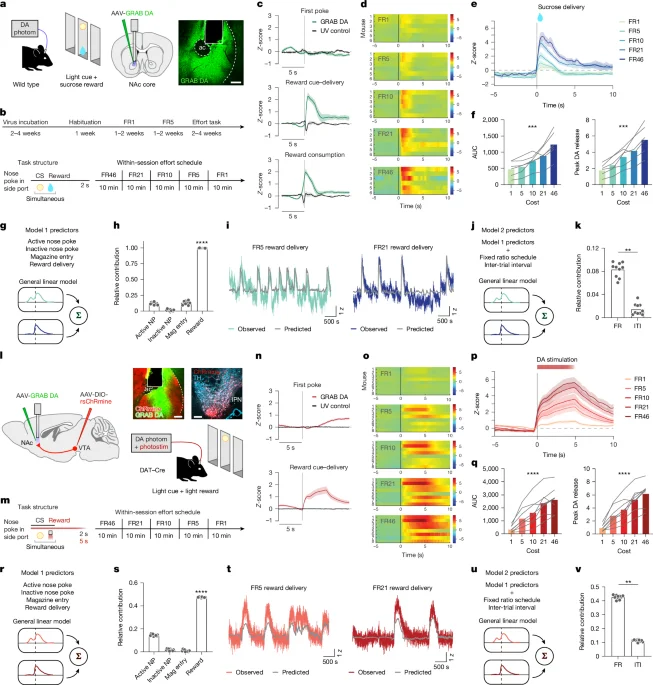
New mouse study shows that high effort for a reward triggers rapid acetylcholine release in the nucleus accumbens, which acts on nicotinic receptors to boost dopamine release at the terminals. This cholinergic modulation specifically enhances dopamine during high-effort rewards and tracks exerted effort rather than reward size. Blocking nicotinic signaling (DHβE) or acetylcholine transmission blunts the enhanced dopamine response and impairs effortful behavior, while low-effort reward consumption remains intact. The findings suggest that local DA terminal modulation by acetylcholine, rather than ventral tegmental area cell-body activity, drives effort-based reward seeking.
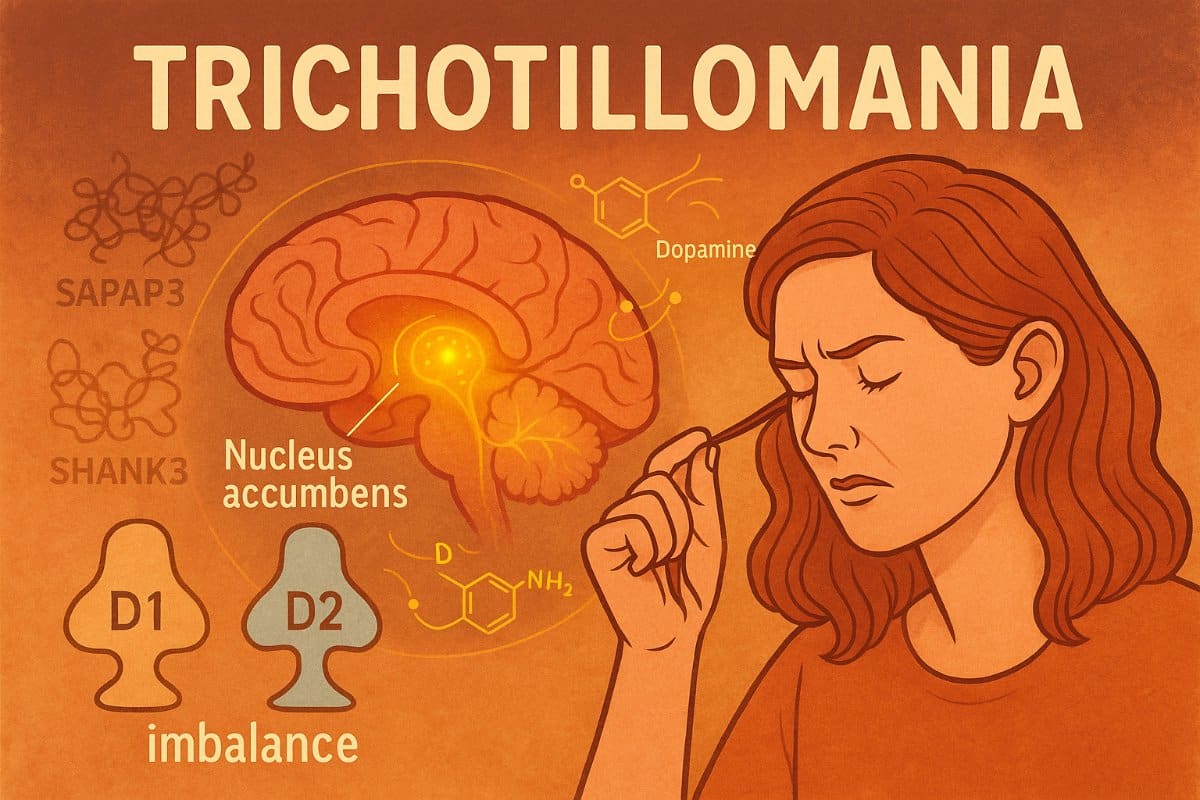
A study using SAPAP3 knockout mice reveals that dysfunction in the brain's reward circuit, particularly reduced activity and dopamine receptor imbalances in the nucleus accumbens, may drive trichotillomania. The research highlights complex effects of oxytocin on compulsive grooming and aggression, suggesting new avenues for targeted treatments focused on dopamine pathways and synaptic interactions. The findings also underscore sex differences and the importance of circuit-level understanding in developing therapies for hair-pulling disorder.
A new study published in Psychological Medicine reveals that the nucleus accumbens, a region of the brain involved in reward processing and emotion regulation, plays a central role in the relationship between stress and depressive symptoms. The study, conducted with a large sample of adults, found a bidirectional relationship between stressful life events and depressive symptoms, suggesting that stress can contribute to the development or worsening of depression, and vice versa. The researchers also identified specific brain imaging phenotypes associated with both stress and depression, with the nucleus accumbens emerging as a key mediator in this relationship. However, the study's findings are correlational, and further research is needed to establish causal relationships.
New research has identified that the initial sensitivity of neurons in the nucleus accumbens shell, a brain region, to cocaine can predict future increases in cocaine intake. These individual differences in neuronal sensitivity may have implications for understanding addiction susceptibility and developing personalized treatments or preventive measures. The study used rats as animal models and found that firing patterns of neurons in the nucleus accumbens became increasingly correlated with drug levels during self-administration sessions. The study provides insights into the neural mechanisms underlying individual differences in drug susceptibility and highlights the potential role of the nucleus accumbens in drug reinforcement and addiction.