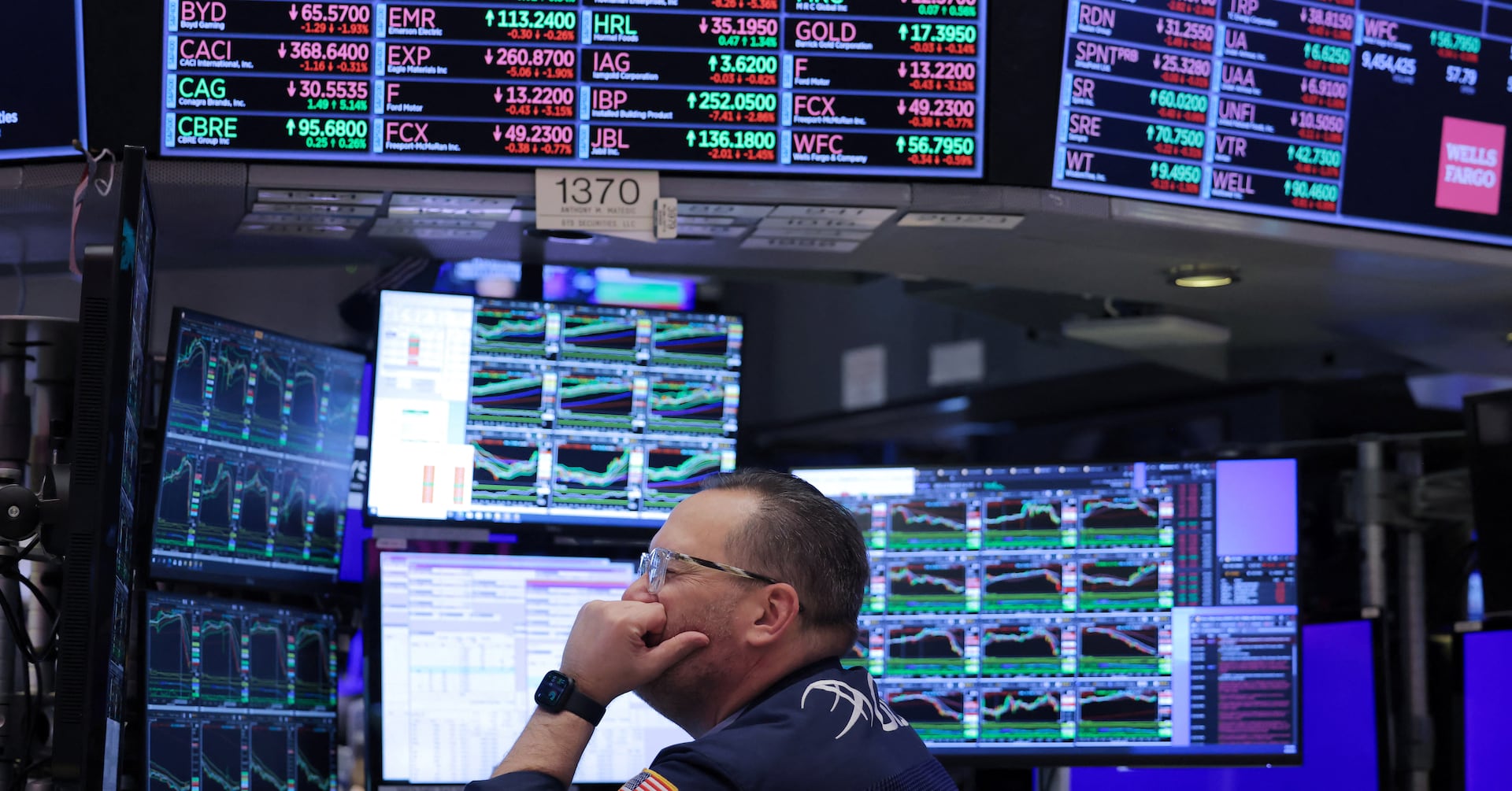
U.S. stocks fell after February nonfarm payrolls unexpectedly contracted by 92,000, vs a +60,000 consensus and +126,000 prior. The Dow dropped about 1.6%, S&P 500 futures were down 1.3%, and the Nasdaq Composite fell around 1.5%.
The Bureau of Labor Statistics has postponed the January 2026 Employment Situation release due to the partial government shutdown, with the release rescheduled when funding resumes. The delay comes as a busy data week would have culminated in the nonfarm payrolls report and the Job Openings and Labor Turnover Survey. Markets had expected about 55,000 new jobs and a 4.4% unemployment rate. The shutdown also threatens other data releases, and a resolution by Tuesday is hoped for by Speaker Mike Johnson as Congress negotiates funding for the government and DHS.
President Donald Trump inadvertently revealed some of Friday's jobs data early through a social media post, violating federal policy on statistical releases. The post indicated private sector job growth for 2025 and provided a preliminary look at December's employment figures, which slightly exceeded economist estimates and boosted market confidence. The White House acknowledged the accidental disclosure and is reviewing protocols, while emphasizing the positive economic impact of Trump's policies.
U.S. stock futures dipped slightly as Wall Street ended its streak of record highs, with investors cautious ahead of the November nonfarm payrolls report. The labor market's expected recovery could influence the Federal Reserve's pace of interest rate cuts. Despite recent record highs, Wall Street saw some profit-taking, particularly in technology stocks, while economically sensitive sectors like energy and financials declined. Markets are still anticipating a 25 basis point rate cut by the Fed in December, though future easing remains uncertain amid potential inflationary policies under President-elect Donald Trump.
Wall Street's main stock indexes rose after stronger-than-expected March jobs data, with nonfarm payrolls increasing by 303,000 jobs and the unemployment rate at 3.8%. The positive data suggested resilience in the labor market, leading to a potential delay in Federal Reserve interest rate cuts. Despite the market's reaction, all three major stock indexes were set for weekly losses due to mixed economic data and hawkish comments from Fed officials.
The 10-year Treasury yield rose after the nonfarm payrolls data for March exceeded expectations, with an increase of 303,000 jobs. The 2-year Treasury yield also climbed, reflecting market expectations of when the Federal Reserve will begin cutting interest rates. Minneapolis Fed President Neel Kashkari expressed doubts about the need for rate cuts if inflation remains above the Fed's 2% target, and interest rate futures indicate that traders don't expect any rate adjustments at the next few Fed meetings.
The 10-year Treasury yield decreased as investors awaited the release of March nonfarm payrolls and monitored speeches from Federal Reserve officials. Data showed an increase in initial jobless claims and the trade deficit, while Fed Chair Jerome Powell emphasized the uncertainty surrounding potential interest rate cuts due to inflation. The Fed held interest rates steady in March and signaled expectations for three quarter-percentage point cuts by the end of 2024.
The U.S. added 275,000 jobs in February, but wage growth slowed and unemployment rose, according to the latest jobs report. The nonfarm payrolls data showed mixed results, with the economy adding more positions but facing challenges in wage growth and unemployment.
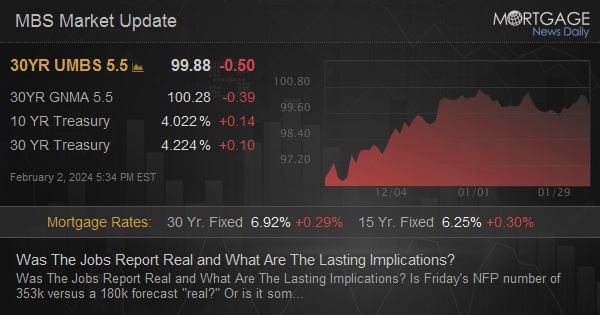
The recent jobs report showing 353k new jobs versus a 180k forecast has raised questions about its accuracy and lasting implications. While some believe the numbers may be distorted due to the annual benchmark revision process, others argue that the job gains were indeed real but overstated the labor market's resilience. This has impacted Treasury yields, which are still lower than last week but higher than yesterday, reflecting market uncertainty. The report's implications hinge on a sustained return to 2% inflation, with any noticeable deterioration in data likely to influence trader sentiment.
Asian stocks rose, led by technology-heavy indexes following a rally on Wall Street, but gains were tempered by caution ahead of key U.S. data and the Federal Reserve's stance on interest rate cuts. Weakness in Chinese markets persisted, while positive cues from strong earnings by tech giants like Amazon and Meta Platforms boosted regional tech stocks. Japanese gains were held back by losses in major bank stocks due to fears of exposure to U.S. property market headwinds. Traders are awaiting U.S. nonfarm payrolls data, which is expected to influence the Federal Reserve's plans for potential interest rate cuts.
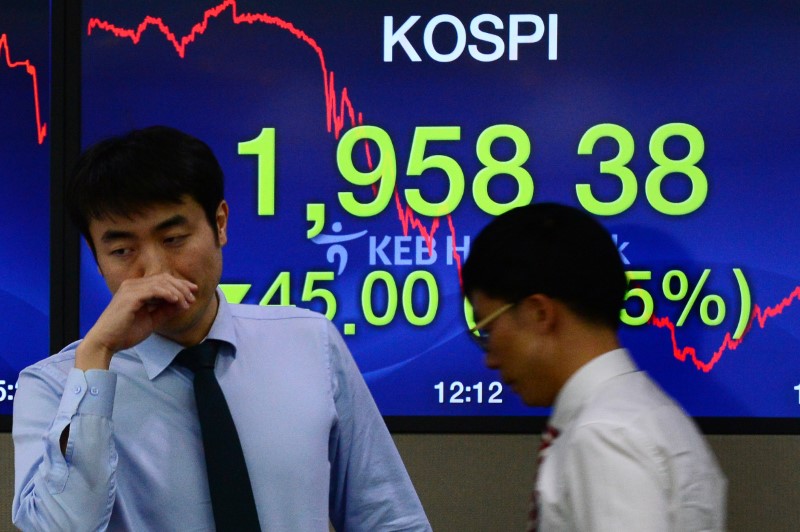
European equity futures saw a decline while Asian markets had a mixed response as investors awaited US jobs data, which could influence the Federal Reserve's interest rate decisions. The Euro Stoxx 50 futures dropped by 0.6%, with US futures remaining relatively stable. A weak yen contributed to gains in Japanese stocks, whereas markets in South Korea, Australia, China, and Hong Kong experienced declines. The upcoming nonfarm payrolls report is anticipated to show an addition of 175,000 jobs in the US, with some expectations slightly higher at 185,000.
Investors will be closely watching the nonfarm payrolls report for November to assess the resilience of the U.S. economy amid higher interest rates. The possibility of a Santa rally in U.S. stocks is being considered following comments from Fed Chair Jerome Powell indicating a more balanced approach to interest rate hikes. Oil prices are expected to remain volatile as skepticism lingers over the depth of OPEC+ supply cuts and concerns about sluggish global manufacturing activity persist. Central bank decisions in Australia and Canada will be monitored, while Eurozone data, including industrial production figures and corporate sentiment surveys, will provide insights into the region's economic performance.
Gold prices have surpassed $2,000 as the U.S. economy created 150,000 jobs in October, falling short of expectations. The report also revealed a rise in the unemployment rate to 3.9% and a slowdown in wage growth. These disappointing figures have fueled buying momentum for gold. Economists believe that the weak employment and wage growth will support the expectation that the Federal Reserve has completed its tightening cycle.
Bitcoin's price has dropped by 2% to $34,235 ahead of the release of US nonfarm payrolls data, which could impact risk assets including cryptocurrencies. The data is expected to show a slowdown in job additions and a decrease in average hourly earnings growth. A better-than-expected jobs figure may challenge the belief that the Federal Reserve's tightening cycle has ended, potentially boosting the dollar and putting downward pressure on bitcoin.
U.S. Treasury yields, particularly the 10-year yield, rose close to a 16-year high after the September jobs report exceeded economists' expectations. Nonfarm payrolls increased by 336,000, surpassing the estimated 170,000 jobs added. The unemployment rate was slightly higher than expected at 3.8%. Wages grew slightly less than forecasted. The report has implications for Federal Reserve rates, with policymakers likely to continue raising rates despite moderating wage growth.