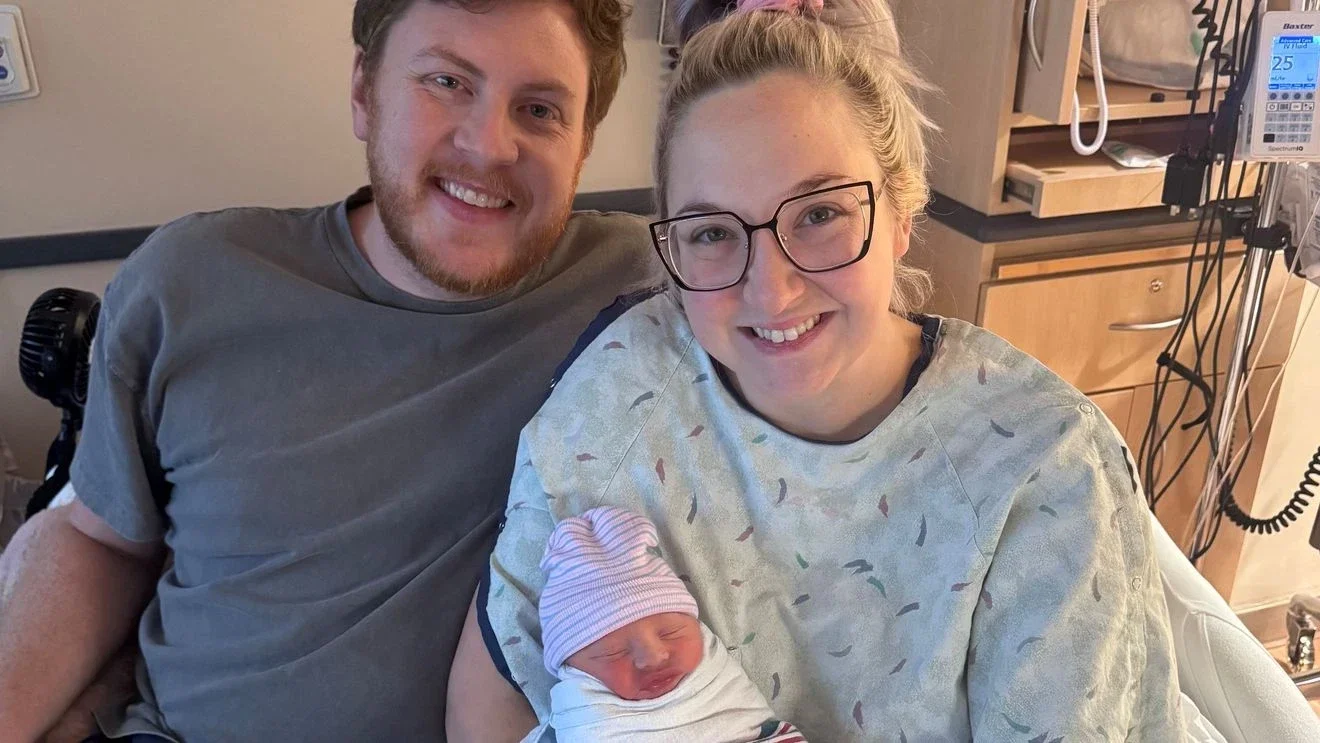
Michigan hospitals celebrate first babies of 2026
Several families across West Michigan welcomed their first babies of 2026 at different hospitals, celebrating new beginnings with healthy newborns and joyful families.

All articles tagged with #newborns
Several families across West Michigan welcomed their first babies of 2026 at different hospitals, celebrating new beginnings with healthy newborns and joyful families.
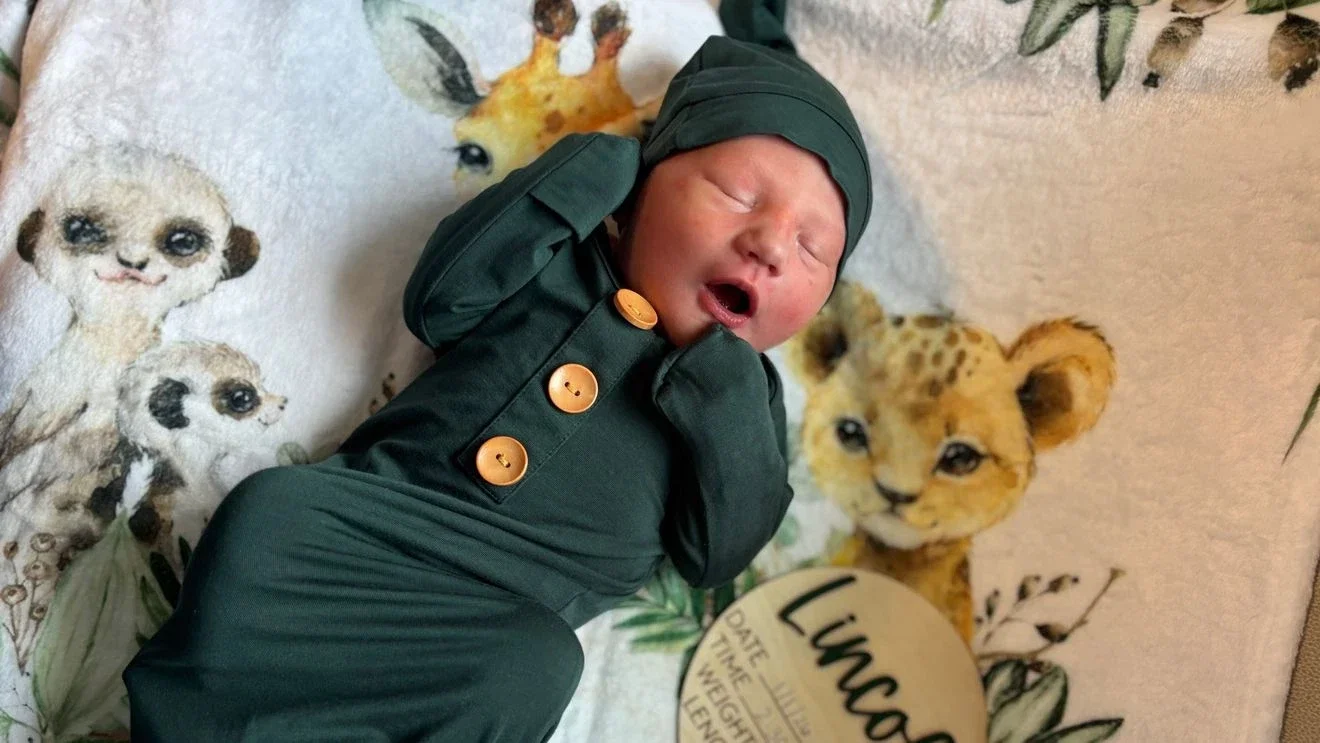
Hospitals across Northeast Wisconsin welcomed their first babies of 2026, with newborns born at various times and locations including ThedaCare, HSHS St. Vincent, Aurora Medical Center, and others, marking the start of the new year with joyful arrivals.
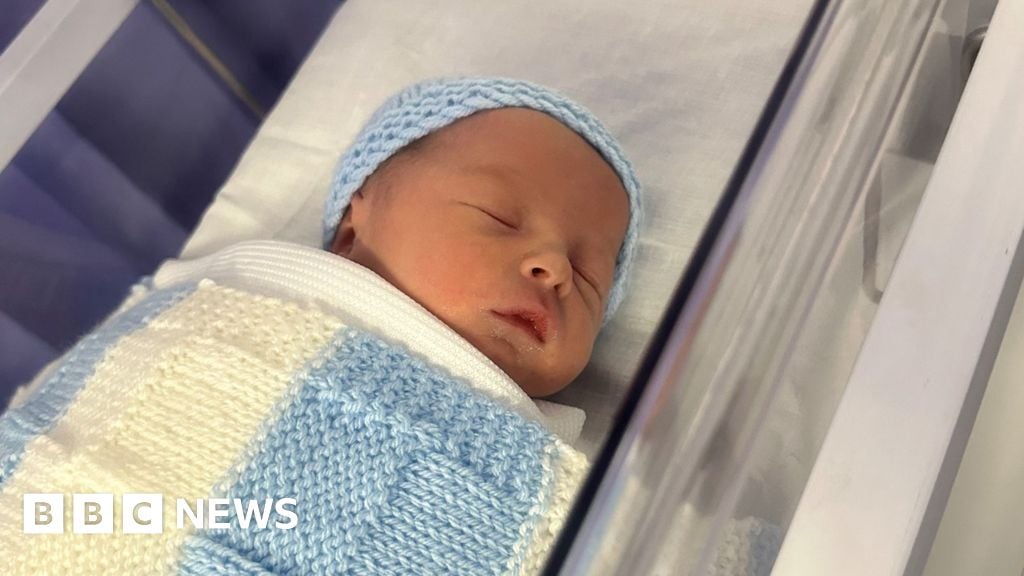
The first babies of 2026 in Scotland were born across various hospitals, including Baby Arabella in Kilmarnock, Leo in Paisley, Hunter in Livingston, a girl at Glasgow's Princess Royal Maternity Hospital, and Charlie in Edinburgh, marking a joyful start to the new year for their families.
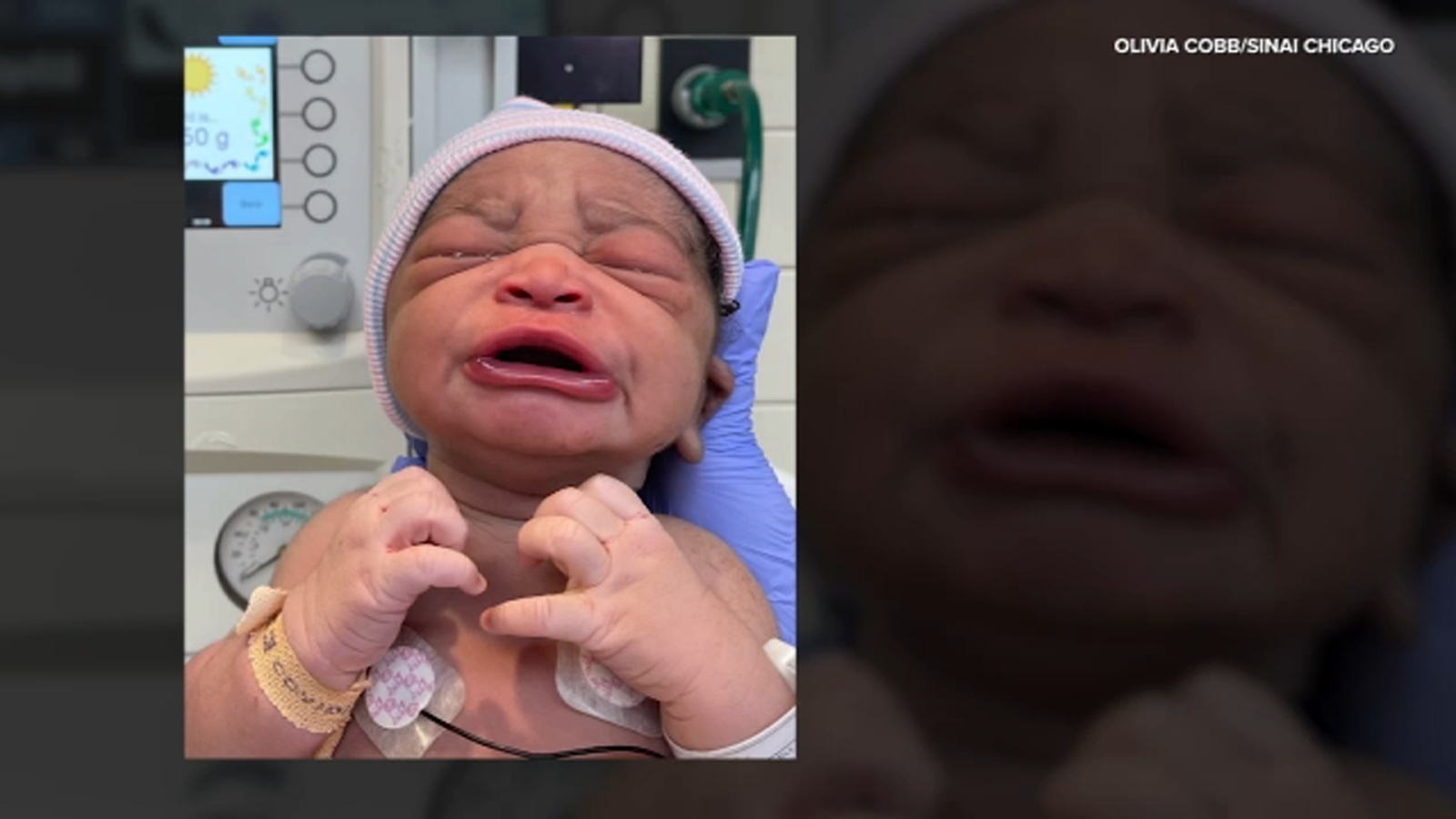
Chicago-area hospitals welcomed their first babies of 2026, including Brandon Alexander Whittington at Sinai Chicago Hospital, Matthew at UChicago Medicine AdventHealth Bolingbrook, Winona LaCount at Christ Medical Center, Noah Robert Garcia at Advocate Christ Medical Center, and Juliana Marie Poore at Northwestern Medicine Prentice Women's Hospital.

A group of prominent authors, including Sir Philip Pullman and Kate Mosse, are advocating for automatic library cards for all newborns in the UK, aiming to promote literacy and early engagement with libraries by linking membership to birth registration, with support from the CPU and potential funding from government departments.

A federal vaccine advisory committee is considering changing the recommendation for hepatitis B vaccination in newborns, which has been a public health success in reducing infections. The move has sparked debate due to concerns about safety, trust, and potential increases in hepatitis B cases if delayed, with many health organizations advocating to continue the current practice of vaccinating at birth.

Doctors warn that delaying the hepatitis B vaccine for newborns could lead to a resurgence of a deadly virus, as recent discussions and potential policy changes threaten to limit access to the vaccine, which is highly effective and safe in preventing hepatitis B infection and its severe consequences.
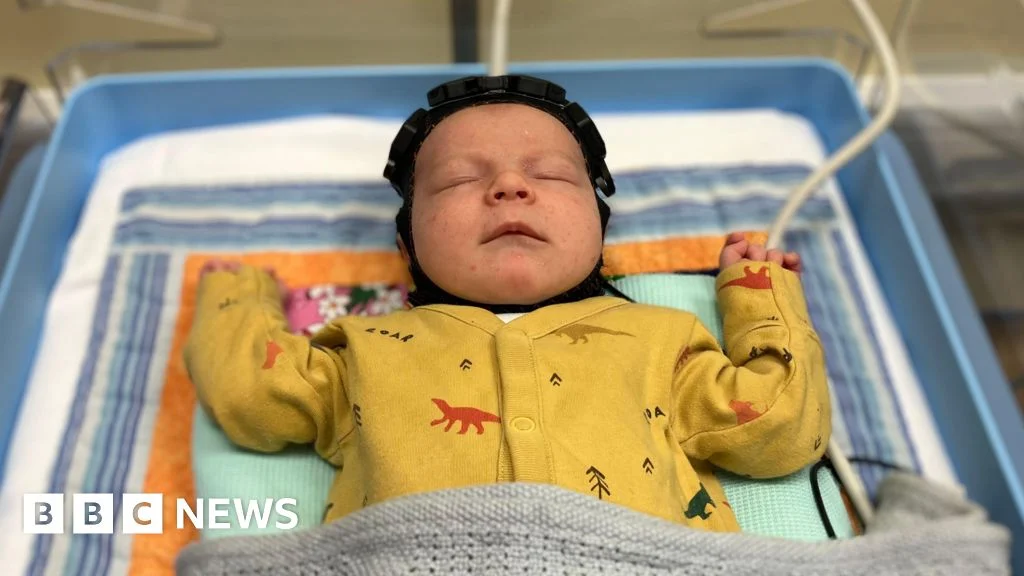
Researchers in Cambridge have developed a groundbreaking 'swimming cap' that uses light and ultrasound to monitor brain activity in newborns, potentially enabling earlier diagnosis and treatment of conditions like cerebral palsy and epilepsy. The portable device offers a less invasive, more frequent alternative to traditional scans, and could be available in UK hospitals within a decade, improving outcomes for at-risk infants.
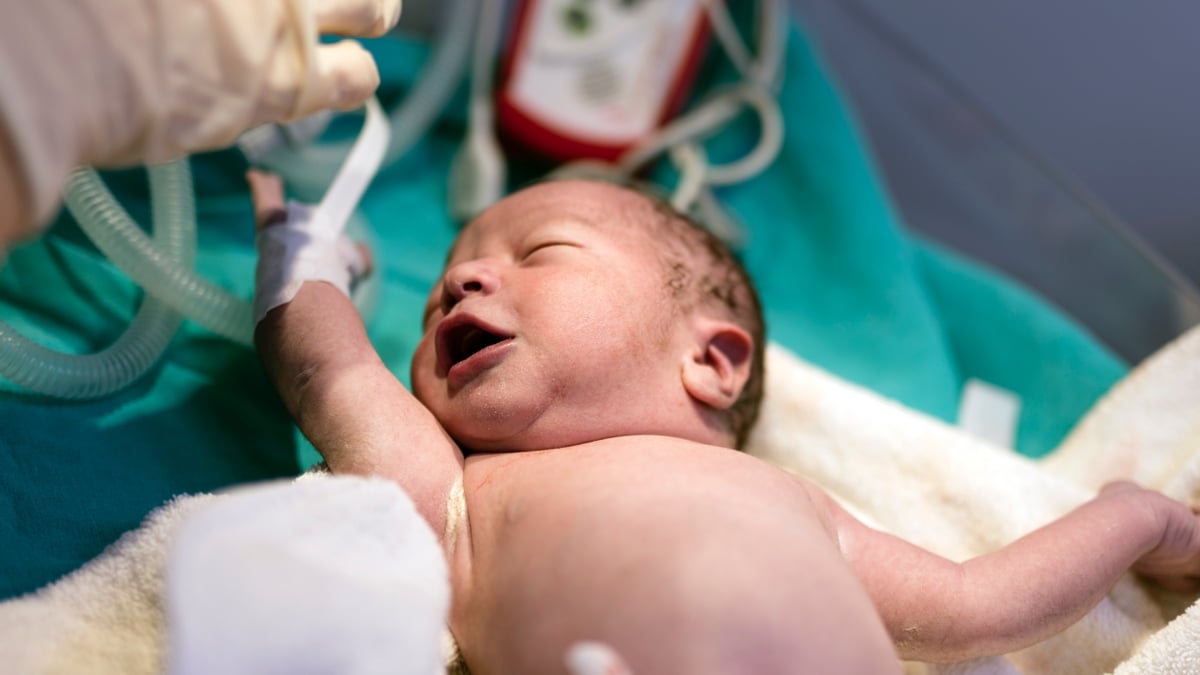
Scientists discovered that mutations in the TMEM167A gene cause a rare form of neonatal diabetes, affecting insulin-producing beta cells in babies with MEDS syndrome, providing new insights into diabetes mechanisms and potential treatments.

While overall sexually transmitted disease cases in the U.S. declined in 2024, congenital syphilis in newborns continued to rise for the 12th consecutive year, highlighting ongoing public health challenges in preventing mother-to-child transmission.
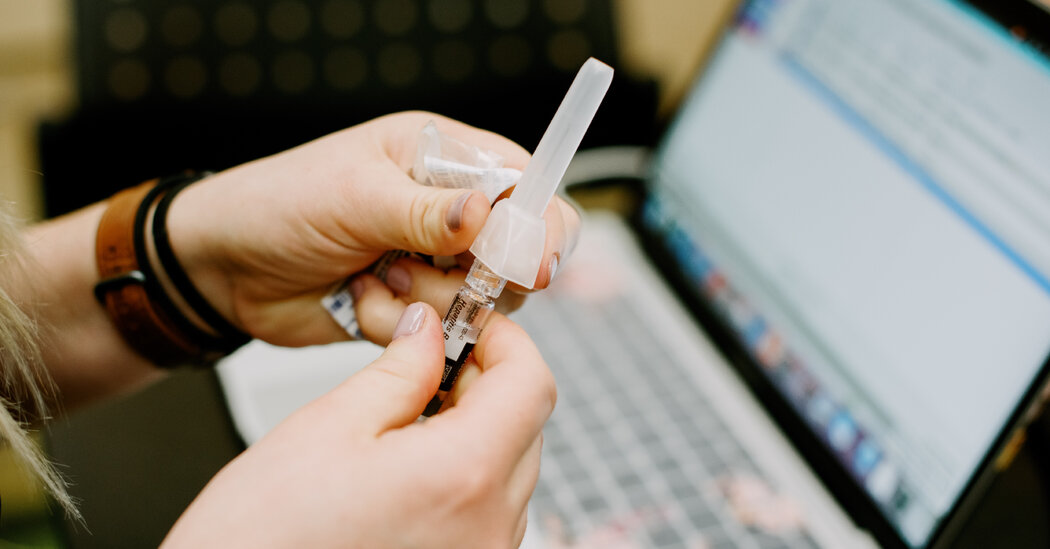
The CDC vaccine advisory committee, influenced by vaccine skeptics, is likely to recommend restricting or delaying hepatitis B vaccinations for newborns, shifting from the longstanding universal immunization policy.

Newborn circumcision rates in the US have declined from 54% in 2012 to 49% in 2022, with significant drops among White families and regional differences, despite medical organizations' support for the procedure. Factors such as changing cultural attitudes, skepticism towards medicine, and demographic shifts are likely contributing to this trend.
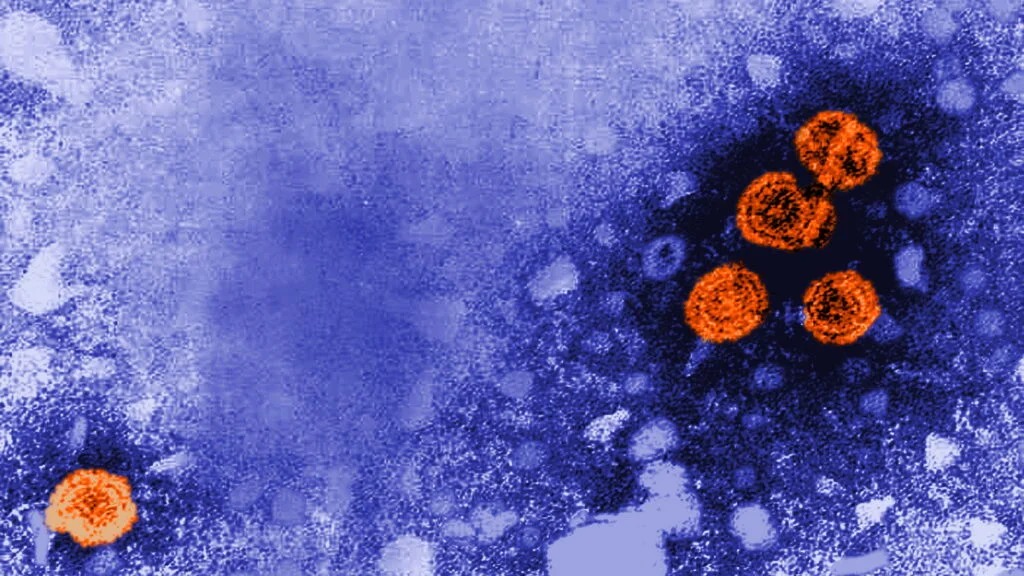
Scientists warn that dropping hepatitis B vaccination for newborns would ignore historical success and risk a resurgence of the virus, which can cause severe liver disease and cancer, emphasizing the importance of early immunization to protect vulnerable infants and prevent transmission.

Novartis has received Swissmedic approval for Coartem Baby, the first malaria treatment specifically for newborns and young infants, aiming to fill a treatment gap and increase access in malaria-endemic regions, especially in Africa, on a largely not-for-profit basis.
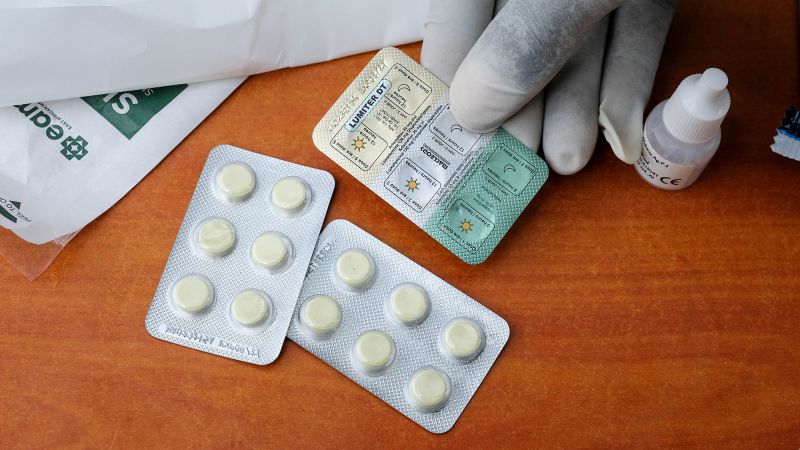
Novartis is expected to receive approval within weeks for Coartem Baby, the first malaria treatment specifically formulated for newborns and young infants in Africa, which could significantly improve care for the most vulnerable populations and reduce malaria-related deaths among children under five.